From Surf Wiki (app.surf) — the open knowledge base
Gametangium
Multicellular sex organs in plant life
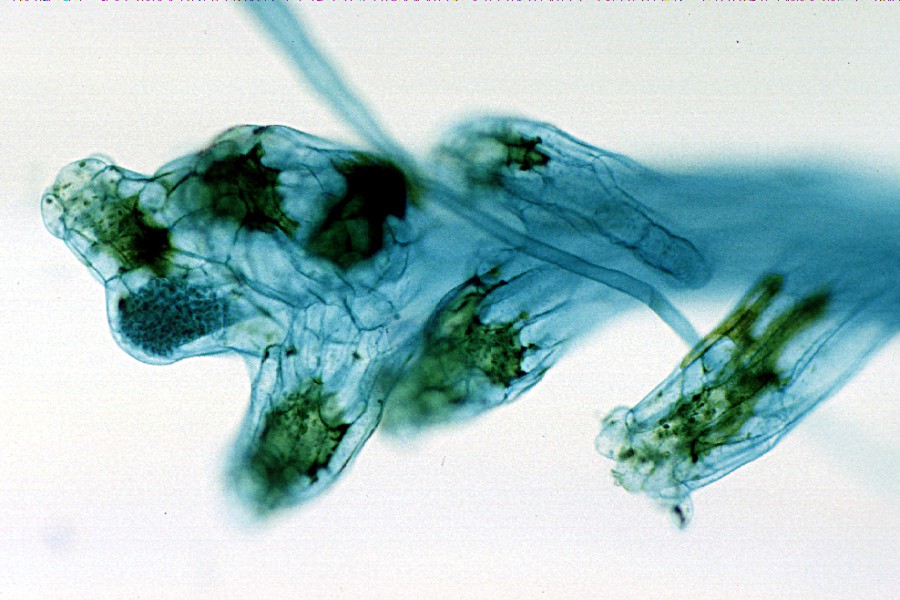
Multicellular sex organs in plant life
A gametangium (: gametangia) is a sex organ or cell in which gametes are produced that is found in many multicellular protists, algae, fungi, and the gametophytes of plants. In contrast to gametogenesis in animals, a gametangium is a haploid structure and formation of gametes does not involve meiosis.
Types of gametangia
Depending on the type of gamete produced in a gametangium, several types can be distinguished.
Female
Main article: Archegonium, Oogonium
Female gametangia are most commonly called archegonia. They produce egg cells and are the sites for fertilization. Archegonia are common in algae and primitive plants as well as gymnosperms. In flowering plants, they are replaced by the embryo sac inside the ovule.
Male
Main article: Antheridium
The male gametangia are most commonly called antheridia. They produce sperm cells that they release for fertilization. Antheridia producing non-motile sperm (spermatia) are called spermatangia. Some antheridia do not release their sperm. For example, the oomycete antheridium is a syncytium with many sperm nuclei and fertilization occurs via fertilization tubes growing from the antheridium and making contact with the egg cells. Antheridia are common in the gametophytes in "lower" plants such as bryophytes, ferns, cycads and ginkgo. In "higher" plants such as conifers and flowering plants, they are replaced by pollen grains.
Isogamous
In isogamy, the gametes look alike and cannot be classified into "male" or "female." For example, in zygomycetes, two gametangia (single multinucleate cells at the end of hyphae) form good contact with each other and fuse into a zygosporangium. Inside the zygosporangium, the nuclei from each of the original two gametangia pair up.
References
References
- Clark, Mary Ann. (2018-03-28). "25.1 Early Plant Life - Biology 2e {{!}} OpenStax".
- Clark, Mary Ann. (2018-03-28). "32.1 Reproductive Development and Structure - Biology 2e {{!}} OpenStax".
This article was imported from Wikipedia and is available under the Creative Commons Attribution-ShareAlike 4.0 License. Content has been adapted to SurfDoc format. Original contributors can be found on the article history page.
Ask Mako anything about Gametangium — get instant answers, deeper analysis, and related topics.
Research with MakoFree with your Surf account
Create a free account to save articles, ask Mako questions, and organize your research.
Sign up freeThis content may have been generated or modified by AI. CloudSurf Software LLC is not responsible for the accuracy, completeness, or reliability of AI-generated content. Always verify important information from primary sources.
Report