From Surf Wiki (app.surf) — the open knowledge base
Eosin
Group of bromo derivatives of fluorescein used as red dye

Group of bromo derivatives of fluorescein used as red dye
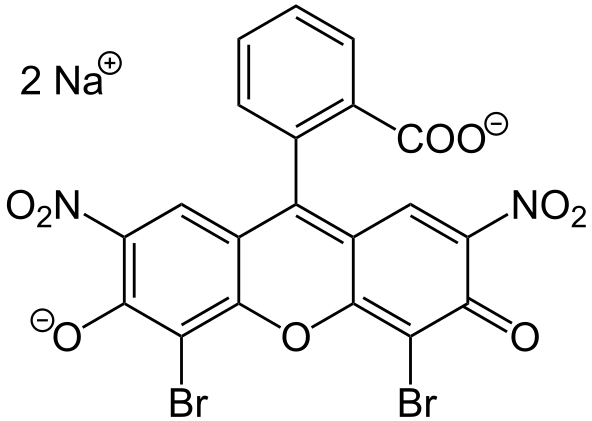
Eosin is the name of several fluorescent acidic compounds which bind to and form salts with basic, or eosinophilic, compounds like proteins containing basic amino acid residues such as histidine, arginine and lysine, and stains them dark red or pink as a result of the actions of bromine on eosin. In addition to staining proteins in the cytoplasm, it can be used to stain collagen and muscle fibers for examination under the microscope. Structures that stain readily with eosin are termed eosinophilic. In the field of histology, Eosin Y is the form of eosin used most often as a histologic stain.
History and etymology
Eosin was named by its inventor Heinrich Caro after the nickname (Eos) of a childhood friend, Anna Peters. It was commercialized (mainly for the textile industry) in 1874, in the same year when it was invented.
Variants

There are actually two very closely related compounds commonly referred to as eosin. Most often used is in histology is eosin Y, which is a tetra-bromo derivative of fluorescein and has a very slightly yellowish cast. It is also known as eosin Y ws, eosin yellowish, Acid Red 87, C.I. 45380, bromoeosine, bromofluoresceic acid, and D&C Red No. 22. The other eosin compound is eosin B, which is a dibromo derivative and has a very faint bluish cast. It is also known as eosin bluish, Acid Red 91, C.I. 45400, Saffrosine, Eosin Scarlet, and imperial red. The two dyes are interchangeable, and the use of one or the other is a matter of preference and tradition.
Food dye tetraiodofluorescein was historically known as Bluish Eosine, Eosin J or iodo-eosine but is now called erythrosine or Red 3.
Uses
Use in histology

Eosin is most often used as a counterstain to hematoxylin in H&E (haematoxylin and eosin) staining. H&E staining is one of the most commonly used techniques in histology. Tissue stained with haematoxylin and eosin shows cytoplasm stained pink-orange and nuclei stained darkly, either blue or purple. Eosin also stains red blood cells intensely red.
For staining, eosin Y is typically used in concentrations of 1 to 5 percent weight by volume, dissolved in water or ethanol. For prevention of mold growth in aqueous solutions, thymol is sometimes added. A small concentration (0.5 percent) of acetic acid usually gives a deeper red stain to the tissue.
It is listed as an IARC class 3 carcinogen (safe).
Other uses
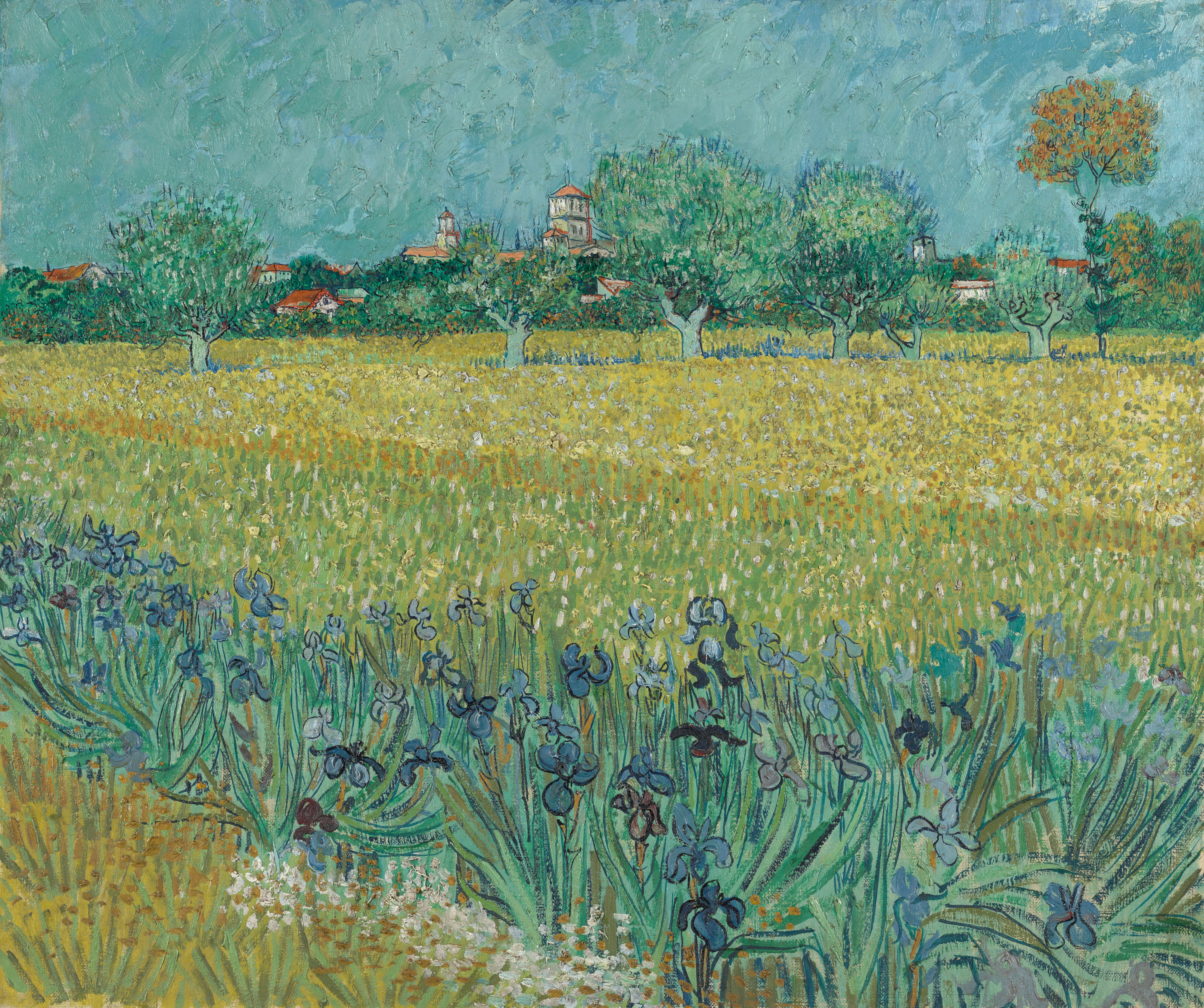
Eosin is also used as a red dye in inks; however, the molecule, especially that of eosin Y, tends to degrade over time, leaving behind its bromine atoms, hence causing paint incorporating such a dye to obtain a darker brown tinge over time. A notable user of eosin dye was the Post-Impressionist painter Van Gogh.
References
References
- (1998). ""Ambitious and Glory Hunting . . . Impractical and Fantastic": Heinrich Caro at BASF". Technology and Culture.
- (1885). "Journal of the Society of Chemical Industry". Society of Chemical Industry..
- Watts, Henry. (1881). "A Dictionary of Chemistry and the Allied Branches of Other Sciences". Longmans, Green, and Company.
- Hesse, Bernhard Conrad. (1912). "Coal-tar Colors Used in Food Products". U.S. Government Printing Office.
- (1927). "Photographic Chemicals and Chemistry". Sir I. Pittman.
- (11 April 2010). "Haematoxylin Eosin (H&E) staining".
- (1980). "Inhibitory effects of spices on growth and toxin production of toxigenic fungi". Appl. Environ. Microbiol..
- (21 January 2025). "Van Gogh's Fading Colors Inspire Scientific Inquiry".
- (1982). "The Theory and Practice of Histological Techniques". Longman Group Limited.
- (1977). "H. J. Conn's Biological stains". Williams & Wilkins.
This article was imported from Wikipedia and is available under the Creative Commons Attribution-ShareAlike 4.0 License. Content has been adapted to SurfDoc format. Original contributors can be found on the article history page.
Ask Mako anything about Eosin — get instant answers, deeper analysis, and related topics.
Research with MakoFree with your Surf account
Create a free account to save articles, ask Mako questions, and organize your research.
Sign up freeThis content may have been generated or modified by AI. CloudSurf Software LLC is not responsible for the accuracy, completeness, or reliability of AI-generated content. Always verify important information from primary sources.
Report