From Surf Wiki (app.surf) — the open knowledge base
Economy of Afghanistan
none
none
| Field | Value | ||||
|---|---|---|---|---|---|
| country | Afghanistan | ||||
| currency | Afghani (AFN) | ||||
| year | 21 December – 20 December | ||||
| organs | ECO, SAARC, | ||||
| image | File:Kabul, Afghanistan view.jpg | ||||
| caption | Kabul, the economic capital of Afghanistan | ||||
| group | {{plainlist | ||||
| *Developing/Emerging<ref>{{cite web | url | https://www.imf.org/external/pubs/ft/weo/2019/01/weodata/weoselco.aspx?g=2200&sg=All+countries+%2f+Emerging+market+and+developing+economies | title=World Economic Outlook Database, April 2019 | publisher=International Monetary Fund | access-date=2019-09-29}} |
| *Low-income economy<ref>{{cite web | url | https://datahelpdesk.worldbank.org/knowledgebase/articles/906519-world-bank-country-and-lending-groups | title=World Bank Country and Lending Groups | publisher=World Bank | access-date=2019-09-29}} |
| population | 42,647,492 (2024) | ||||
| gdp | {{plainlist | ||||
| * $18.080 billion (nominal; 2024)<ref name | "WorldBank" / | ||||
| * $95.253 billion (PPP; 2024)<ref name | "WorldBank" /}} | ||||
| gdp rank | {{plainlist | ||||
| growth | {{plainlist | ||||
| *4.3% (2025)<ref name | "World Bank: Afghanistan's economy is growing for the second consecutive year" /}} | ||||
| per capita | {{plainlist | ||||
| * $417 (nominal; 2024)<ref name | "WorldBank" | ||||
| * $2,196 (PPP; 2024)<ref name | "auto" /}} | ||||
| per capita rank | {{plainlist | ||||
| sectors | {{plainlist | ||||
| *(2023)<ref name | "auto" / | ||||
| inflation | -6.6% (2024) | ||||
| poverty | {{plainlist | ||||
| *48% (2024, OCHA)<ref name | "OCHA" / | ||||
| *NA% on less than $1.90/day<ref>{{cite web | url | https://data.worldbank.org/indicator/SI.POV.DDAY?locations=AF&most_recent_value_desc=true | title=Poverty headcount ratio at $1.90 a day (2011 PPP) (% of population) - Afghanistan | publisher=World Bank | access-date=2019-11-03}}}} |
| hdi | 0.496 (2023) | ||||
| labor | {{plainlist | ||||
| * 14,450,224 (2019)<ref>{{cite web | url | https://data.worldbank.org/indicator/SL.TLF.TOTL.IN?locations=AF | title=Labor force, total - Afghanistan | publisher=World Bank | access-date=2019-11-03}} |
| *47% employment to population ratio (2021)<ref>{{cite web | url | https://data.worldbank.org/indicator/SL.EMP.TOTL.SP.NE.ZS?locations=AF&name_desc=false | title=Employment to population ratio, 15+, total (%) (national estimate) | publisher=World Bank | access-date=2019-08-30}}}} |
| occupations | {{plainlist | ||||
| *(2017)<ref name | "auto" /}} | ||||
| unemployment | 13.3% (2024) | ||||
| industries | small-scale production of textiles, soap, furniture, shoes, fertilizer, apparel, food-products, non-alcoholic beverages, mineral water, cement; handwoven carpets; natural gas, coal, copper | ||||
| exports | {{plainlist | ||||
| * $2 billion (2022)<ref name | "TOLO-182736" / | ||||
| export-goods | fruits, nuts, rugs, wool, cotton, hides, gemstone, and medical herbs | ||||
| export-partners | {{plainlist | ||||
| * 2% (2023)<ref name | "auto" /}} | ||||
| imports | $7 billion (2022) | ||||
| import-goods | machinery and other capital goods, food, textiles and petroleum products | ||||
| import-partners | {{plainlist | ||||
| * 9% (2023)<ref name | "auto" /}} | ||||
| current account | -$3.137 billion (2020) | ||||
| gross external debt | $1.4 billion (2022) | ||||
| debt | 8.3% of GDP (2023) | ||||
| revenue | 2.276 billion (2017) | ||||
| expenses | 5.328 billion (2017) | ||||
| balance | −15.1% (of GDP) (2017) | ||||
| reserves | $9.6 billion (Frozen by the U.S.)(2021) | ||||
| spelling | US |
SCO (observer) and WTO
- Developing/Emerging
- Low-income economy
- Least developed country}}
- $18.080 billion (nominal; 2024)
- $95.253 billion (PPP; 2024)}}
- 136th (nominal; 2024)
- 104th (PPP; 2024)}}
- 4.3% (2025)}}
- $417 (nominal; 2024)
- $2,196 (PPP; 2024)}}
- 195th (nominal; 2024)
- 185th (PPP; 2024)}}
- agriculture: 34.7%
- industry: 13.4%
- services: 46.4%
- (2023)
- note: data exclude opium production}}
- 48% (2024, OCHA)
- NA% on less than $1.90/day}}
- 14,450,224 (2019)
- 47% employment to population ratio (2021)}}
- agriculture: 44.3%
- industry: 18.1%
- services: 37.6%
- (2017)}}
- $2 billion (2022)
- note: not including illicit exports or reexports}} | export-goods = fruits, nuts, rugs, wool, cotton, hides, gemstone, and medical herbs | export-partners = {{plainlist|
- Pakistan 42%
- India 40%
- China 4%
- United Arab Emirates 2%
- Turkey 2% (2023)}} | import-goods = machinery and other capital goods, food, textiles and petroleum products | import-partners = {{plainlist|
- United Arab Emirates 28%
- Pakistan 15%
- China 15%
- Uzbekistan 12%
- Kazakhstan 9% (2023)}} The economy of Afghanistan is listed as the 124th largest in the world in terms of nominal gross domestic product (GDP), and 102nd largest in the world in terms of purchasing power parity (PPP). With a population of around 40 million people, Afghanistan's GDP (nominal) stands at $14.58 billion as of 2021, amounting to a GDP per capita of $363.7 (according to a World Bank report). Its annual exports is around $2 billion, with agricultural, mineral and textile products accounting for 94% of total exports. The nation's total external debt is currently about $1.4 billion.
The Afghan economy continues to improve due to the influx of expats, establishment of more trade routes with neighboring and regional countries, and expansion of the nation's agriculture, transport, energy and mining sectors. The billions of dollars that came from expats and the international community saw this increase when there was more political stability.
Despite holding mineral deposits worth over trillion dollars, Afghanistan remains one of the least developed countries in the world. Its unemployment rate is little over 13%, and around 48% of its population lives below the poverty line. The reason for this has been the continuous war in the country, which deterred major infrastructure developments and foreign investments. The population of Afghanistan increased by more than 50% between 2001 and 2014, while its GDP grew eightfold. After the Islamic Emirate's return to power in 2021, the Biden administration decided to confiscate or withhold $9.5 billion worth of Afghanistan's assets to stop the Taliban from accessing it.
The official currency of Afghanistan is the afghani (AFN), which has an exchange rate of around 66 afghanis to 1 United States dollar. The country has a central bank called Da Afghanistan Bank. A number of other banks also operate in the country, including the Afghanistan International Bank, Azizi Bank, New Kabul Bank, and Pashtany Bank.
Economic history
When Afghanistan was ruled by Emir Abdur Rahman Khan (1880–1901) and his son Habibullah Khan (1901–1919), a great deal of commerce was controlled by the government. These monarchs were eager to develop the stature of government and the country's military capability, and so attempted to raise money by the imposition of state monopolies on the sale of commodities and high taxes. This slowed the long-term development of Afghanistan during that period. Western technologies and manufacturing methods were introduced at the command of the Afghan ruler, but in general only according to the logistical requirements of the growing army. An emphasis was placed on the manufacture of weapons and other military material. This process was in the hands of a small number of foreign experts invited to Kabul by the Afghans. Otherwise, it was not possible for non-Afghans, particularly westerners, to set up large-scale enterprises in Afghanistan during that period.
In the post-independence period, Da Afghanistan Bank strongly financed the cultivation of cotton; at one point, the Spinzar Cotton Company in Kunduz Province was one of the largest providers of cotton in the world, most of which were exported to the Soviet Union. Fruits were mainly exported to British-controlled India (now Pakistan and India).
The first prominent plan to develop Afghanistan's economy in modern times was the Helmand Valley Authority project of 1952, modeled on the Tennessee Valley Authority in the United States, which was expected to be of primary economic importance. Glenn Foster, an American contractor working in Afghanistan in the 1950s, stated this about the Afghan people:
The same can be said today. Afghanistan began facing severe economic hardships after the 1979 Soviet invasion, which caused the permanent closure of all its border checkpoints with neighboring Iran and Pakistan. The civil war of the 1990s destroyed much of the country's limited infrastructure, and disrupted normal patterns of economic activity. Eventually, Afghanistan went from a traditional economy to a centrally planned economy up until 2002 when it was replaced by a free market economy. Gross domestic product has fallen substantially since the 1980s due to disruption of trade and transport as well as loss of labor and capital. Continuing internal strife severely hampered domestic efforts to rebuild the nation or provide ways for the international community to help.
According to the International Monetary Fund, the Afghan economy grew 20% in the fiscal year ending in March 2004, after expanding 30% in the previous 12 months. The growth was mainly attributed to United Nations assistance. Billions of dollars in international aid and remittences from expats had entered Afghanistan from 2002 to 2021. A GDP of $4 billion in fiscal year 2003 was recalculated by the IMF to $6.1 billion, after adding proceeds from opium production. Mean graduate pay was $0.56 per man-hour in 2010. The country is still striving to be self-sufficient in wheat, rice, poultry and dairy production.
The recent reestablishment of the Islamic Emirate led to temporary suspension of international development aid to Afghanistan. The World Bank and International Monetary Fund also halted payments during that period. In this regard, Hibatullah Akhundzada stated that "[t]he economy of a country is built when its people work together and do not rely on foreign aid[.]" The Biden administration froze about $9 billion in assets belonging to the Da Afghanistan Bank, which was intended to block the Islamic Emirate from accessing the money. The recent droughts, earthquakes and floods in the country have created further adverse economic situation for many residents. The Ministry of Finance has collected over $2 billion in 2022.
The GDP of Afghanistan is estimated to have dropped by 20% following the Islamic Emirate's return to power. Following this, after months of free-fall, the Afghan economy began stabilizing, as a result of restrictions on smuggled imports, limits on banking transactions, and UN aid. In 2023, the Afghan economy began seeing signs of revival. This has also been followed by stable exchange rates, low inflation, stable revenue collection, and the rise of trade in exports. In the third quarter of 2023, the Afghani rose to be the best performing currency in the world, climbing over 9% against the US dollar.
Agriculture
Agriculture remains Afghanistan's most important source of employment: 60-80 percent of Afghanistan's population works in this sector, although it accounts for less than a third of GDP due to insufficient irrigation, drought, lack of market access, and other structural impediments. Most Afghan farmers are primarily subsistence farmers.
Afghanistan produced in 2018:
- 3.6 million tons of wheat;
- 984 thousand tons of grape (18th largest world producer);
- 615 thousand tons of potato;
- 591 thousand tons of vegetable;
- 381 thousand tons of watermelon;
- 352 thousand tons of rice;
- 329 thousand tons of melon;
- 217 thousand tons of apple;
- 150 thousand tons of onion;
- 106 thousand tons of maize;
- 56 thousand tons of barley;
- 47 thousand tons of peach;
In addition to smaller productions of other agricultural products.
Afghanistan produces around 1.5 million tons of fresh fruits annually, which could be increased significantly. It produces some of the finest fruits, especially pomegranates, grapes, melons, red apples, cherries and mulberries. Other fruits grown in the country include apricots, figs, kiwi, oranges, peaches, pears, persimmons, plums, and strawberries. Organic farming has always been widely practiced in Afghanistan than modern farming. Many of its citizens have recently turned to using greenhouses. There were about 5,000 greenhouses reported in 2017.
Afghanistan's northern and western provinces are known for pistachio cultivation. In recent years, farmers in the southern provinces began growing American pistachio trees. The provinces of Paktika, Paktia, Khost, Nangarhar, Nuristan and Kunduz are famous for pine nuts. The dried fruits basically grow in all provinces of Afghanistan, and they are not only sold locally but also exported to other countries.
The northern and central provinces are more famous for almond and walnut production. The Bamyan Province is the leader of superior potatoes, which produced 370,000 tons in 2020. Nangarhar, Laghman and Kunar are the only provinces in the country where major farming of grapefruits, lemons, limes, and oranges can be found. Nangarhar also has farms of dates, peanuts, olives, and sugarcane. Cultivation of these products have gradually spread to more provinces. Other agricultural products such as avocados, bananas, guavas, mangos and pineapples have recently been planted in the provinces of Balkh, Helmand, Laghman, Nangarhar, and Paktia.
Afghanistan is listed as the 54th largest vegetables producing country. Most of its vegetables are for domestic consumption and include beans, broccoli, cabbages, carrots, cauliflowers, chickpeas, coriander, corns, cucumbers, eggplants, leeks, lettuces, okras, onions, peppers, potatoes, pumpkins, radishes, rhubarb, spinach, tomatoes, turnips, and zucchinis. Wheat and cereal production is Afghanistan's traditional agricultural mainstay. The nation is nearing self-sufficiency in grain production. It requires an additional 2.33 million tons of wheat to become self-sufficient, which is predicted to be accomplished in the near future.
Livestock in Afghanistan mainly includes cattle, sheep, and goats. The country has around 15,000 poultry farms. Major poultry farming exists mainly in the warmer parts of the country.
Arable land in Afghanistan was reported to be over 7.5 million hectares. Wheat production had stood at 4.83 million metric tons in 2024, nurseries held 119,000 hectares of land, and grape production is at 615,000 tons. Cotton production has jumped to 500,000 tons. Around 3200 ha of farm land in Afghanistan is used to cultivate saffron, mostly in the west, north and south of the country. Sugarcane is currently grown on 1750 ha of land, and asafoetida on nearly 980 ha of land.
Forestry
These days up to 2.8% of Afghanistan is forested, which amounts to nearly 2000000 ha of the land. In 2010 it was about 2.1% (or 1350000 ha). It can be increased significanly by planting more trees, including in the non-rocky mountains that trap underground water. Some small steps have been taken in recent years in planting trees all across Afghanistan. Felling has been made illegal nationally.
Fishing
Afghanistan is landlocked with its citizens having no direct access to an ocean. The country has many lakes, ponds, reservoirs, rivers, springs, streams, etc., which make it a suitable climate for fish farming. Historically, fish constituted a smaller part of the Afghan diet because of the unavailability of modern fish farms. Fishing only took place in the lakes and rivers, particularly in the Amu, Helmand and Kabul rivers. Consumption of fish has increased sharply due to the establishment of thousands of fish farms. Over 7,000 new ones are being established in the coming years. The largest ones are at the national reservoirs, which supply fish eggs to smaller fish farms.
Trade and industry
Afghanistan's geographical location makes it economically secured. The Lapis Lazuli corridor connects Afghanistan with Turkmenistan and ultimately ends somewhere in Europe. Other such trade routes connect Afghanistan with neighboring Iran, Pakistan, Tajikistan and Uzbekistan. The country also has direct trade with China and India via air corridor. It has five international airports, which include: Kabul International Airport in the capital city; the Mawlana Jalaluddin Mohammad Balkhi International Airport in Mazar-i-Sharif; the Khwaja Abdullah Ansari International Airport in Herat; the Ahmad Shah Baba International Airport in Kandahar; and Khost International Airport in Khost. It also has many domestic airports. The major airlines of the country include Ariana Afghan Airlines and Kam Air. Its national rail network is slowly expanding to connect Central Asia with Pakistan and Iran. In addition to Central Asia, imported goods also enter by rail from neighboring Iran and China.
The Afghanistan–Pakistan Transit Trade Agreement (APTTA) allows Afghan and Pakistani cargo trucks to transit goods within both nations. This revised US-sponsored APTTA agreement also allows Afghan trucks to transport exports to India via Pakistan up to the Wagah crossing point. There are over a dozen official border crossing points all around Afghanistan. They include Abu Nasir Port in Farah Province, Ai-Khanoum in Takhar Province, Angur Ada in Paktika Province, Aqina in Faryab Province, Dand-aw-Patan in Paktia Province, Ghulam Khan in Khost Province, Hairatan in Balkh Province, Ishkashim in Badakhshan Province, Islam Qala in Herat Province, Sher Khan Bandar in Kunduz Province, Torghundi in Herat Province, Torkham in Nangarhar Province, Spin Boldak in Kandahar Province, and Zaranj in Nimruz Province. The country also has legal access to two major seaports in Pakistan, the Gwadar Port in Balochistan and the Port Qasim in Sindh. Afghanistan also has legal access to major seaports in Iran, which include the one in Bandar Abbas in the Persian Gulf and the Chabahar Port in the Gulf of Oman.
Natural resourcesAfghanistan is endowed with a wealth of natural resources, which include extensive deposits of barites, chromite, coal, copper, gold, gemstone, iron ore, lead, lithium, marble, natural gas, petroleum, salt, sulfur, talc, uranium, and zinc. Rare-earth elements can be found all over the country. It is estimated that Afghanistan has as much as 36 e9cuft of natural gas, 3.6 Goilbbl of oil and condensate reserves. Geologists also found indications of abundant deposits of colored stones and gemstones, including emerald, garnet, kunzite, lapis lazuli, peridot, ruby, sapphire, spinel, and tourmaline.
There are more than 5,000 factories operating in Afghanistan. Most are locally owned, while others involve foreign investors. They produce construction materials, furniture, household items, apparel, food, beverages, pharmaceutical products, etc. The country imports roughly $500 million of textile goods from other countries. It exported about $168 million worth of cotton in 2022. Afghan handwoven rugs are one of the most popular products for exportation. Other products include hand crafted antique replicas as well as leather and furs. Afghanistan is the third largest exporter of cashmere.
Afghanistan has at least $1 trillion in untapped mineral deposits. A memo from the Pentagon stated that Afghanistan could become the "Saudi Arabia of lithium". Some believe that the untapped minerals may be worth up to $3 trillion. The Khanashin carbonatites in the Helmand Province of the country have an estimated 1 million metric tonnes of rare earth elements.
Afghanistan currently has a copper mining deal with China Metallurgical Group Corporation, which involves the investment of $2.8 billion by China and an annual income of about $400 million to the Afghan government. The country's Ainak copper mine, located in Logar Province, is one of the biggest in the world. It is estimated to hold at least 11 million tonnes or US$33 billion worth of copper.
The previous Islamic Republic has signed a 30-year contract with investment group Centar and its operating company, Afghan Gold and Minerals Co., to explore and develop a copper mining operation in Balkhab District in Sar-e Pol Province, including a gold mining operation in Badakhshan Province. The copper contract involved a $56 million investment and the gold contract a $22 million investment.
The country's other treasure is the Hajigak iron mine, located 130 mi west of Kabul and is believed to hold an estimated 1.8 billion to 2 billion metric tons of the mineral used to make steel. The country also has a number of coal mines.
Afghanistan's important resource in the past has been natural gas, which was first tapped in 1967. During the 1980s, gas sales accounted for $300 million a year in export revenues (56% of the total). About 90% of these exports went to the Soviet Union to pay for imports and debts. However, during the withdrawal of Soviet troops in 1989, the natural gas fields were capped to prevent sabotage by criminals. Gas production has dropped from a high of 8.2 e6m3 per day in the 1980s to a low of about 600000 m3 in 2001. Production of natural gas was restored during the Karzai administration in 2010.
It is predicted that by pumping-out its own oil reserves, Afghanistan will no longer need to import oil products. Originally, the Karzai administration and China National Petroleum Corporation (CNPC) signed a contract for the development of three oil fields in the northern provinces of Sar-e Pol, Jowzjan and Faryab. It was later reported that CNPC began extracting 1.5 e6oilbbl of oil annually. In early 2023, the Xinjiang Central Asia Petroleum and Gas Company signed a similar contract with the Islamic Emirate of Afghanistan.
Economic development and recovery
Afghanistan embarked on a modest economic development program in the 1930s. The government founded banks; introduced paper money; established a university; expanded primary, secondary, and technical schools; and sent students abroad for education. In 1952 it created the Helmand Valley Authority to manage the economic development of the Helmand and Arghandab valleys through irrigation and land development, a scheme which remains one of the country's most important capital resources.
In 1956, the government promulgated the first in a long series of ambitious development plans. By the late 1970s, these had achieved only mixed results due to flaws in the planning process as well as inadequate funding and a shortage of the skilled managers and technicians needed for implementation. Afghanistan became a member of ECO, OIC, SAARC, and WTO. It has an observer status in the SCO.

Da Afghanistan Bank serves as the central bank of the nation. The "afghani" (AFN) is the national currency, which has an exchange rate of around 65 afghanis to 1 US dollar. There are about a dozen different banks operating in the country, including Afghanistan International Bank, Kabul Bank, Azizi Bank, Pashtany Bank, Standard Chartered Bank, and First Micro Finance Bank. Cash is still widely used for most transactions. A new law on private investment provides three to seven-year tax holidays to eligible companies and a four-year exemption from exports tariffs and duties. Improvements to the business-enabling environment have resulted in more than $1.5 billion in telecom investment and created more than 100,000 jobs since 2003.
Some of the ongoing national mega projects include the Qosh Tepa Canal, the TAPI gas pipeline, the CASA-1000 electricity line, the Afghanistan Ring Road modernization, and the New Kabul housing project. Other smaller housing projects include the Qatar Township in Kabul, Aino Mena in Kandahar and the Ghazi Amanullah Khan Town east of Jalalabad. Hundreds of similar projects are also found in Herat in the west, Mazar-e-Sharif in the north, Khost in the east, and in other cities.
After the Islamic Emirate returned to power, the country suffered from a major liquidity crisis and lack of banknotes. Because outside donors have severely cut funding to support Afghanistan's health, education, and other essential sectors, many Afghans lost their incomes. Under the assessment system of the World Food Programme (WFP), almost 20 million people suffered either level-3 “crisis” or level-4 “emergency” levels of food insecurity. The impact of the crisis on women and girls was especially severe. Officials under the Islamic Emirate continue to provide communication services to areas that lacked them. They collected 61 billion afghanis in tariffs in 2022, which increased to 76 billion in 2023. And they continue to attract foreign investors.
Tourism
Main article: Tourism in Afghanistan
Tourism in Afghanistan was at its peak in 1977. Many foreign tourists visited Afghanistan, including from as far away as Europe and North America. After a long halt since 1978, it has restarted. Over 20,000 foreign tourists visit Afghanistan every year. As many as 371,000 Afghans have visited different parts of the country in 2022. Although the country is considered safe now, deadly attacks on tourists could not be ruled out. Certain foreign nationals have been strongly advised by their governments to avoid visiting Afghanistan.
Ariana, Flydubai and Kam Air all provide flight services between Dubai International Airport and Kabul International Airport. The city of Kabul has many guest houses and big hotels, such as the Kabul Grand Hotel, the Hotel Inter-Continental Kabul, the Kabul Taj Hotel, the Safi Landmark Hotel, and the Kabul Star Hotel. Guest houses and hotels are also available in other cities such Kandahar, Herat, Mazar-i-Sharif, Jalalabad, Bamyan and Fayezabad. For those wanting to travel by road, there are bus terminals with mosques, Afghan style restaurants and small shops in the major cities. These bus terminals are now being expanded and shifted to the outskirts of the cities.
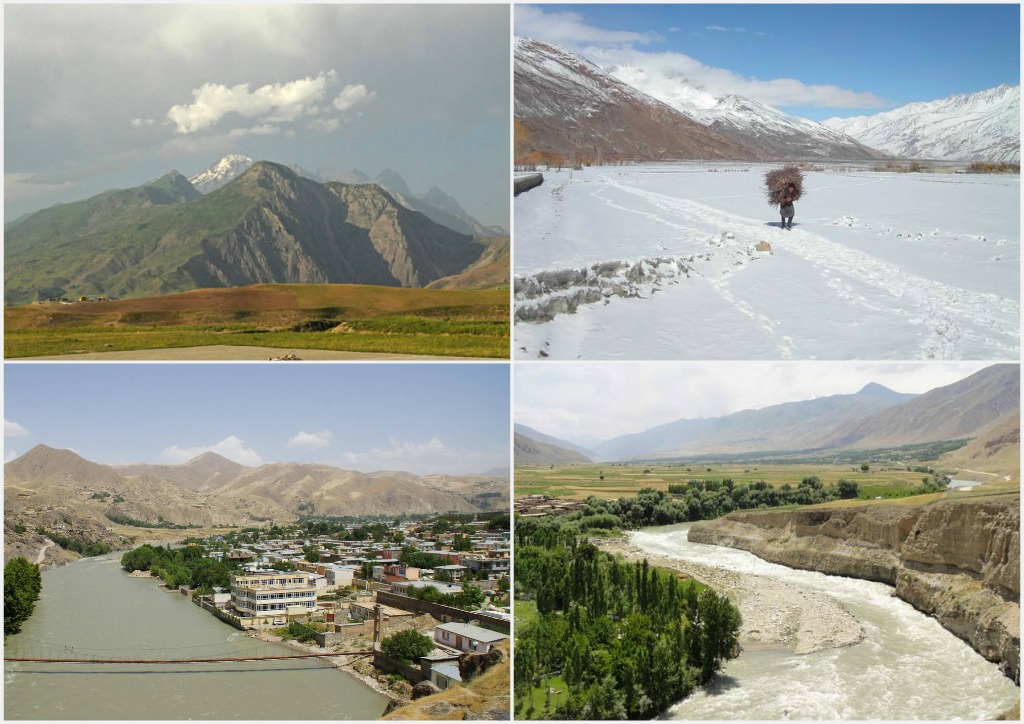
The following are some of the notable places in Afghanistan that tourists visit:
- Badakhshan Province
- Fayzabad
- Ishkashim (border crossing between Afghanistan and Tajikistan)
- Wakhan National Park in Wakhan District
- Balkh Province
- Great Blue Mosque in Mazar-i-Sharif
- Balkh (ancient town)
- Hairatan (border crossing between Afghanistan and Uzbekistan)
- Bamyan Province
- Band-e Amir National Park
- Site of Buddhas of Bamyan
- Zuhak
- Ghazni Province
- Burial site of Al-Biruni
- Burial site of Mahmud of Ghazni
- Citadel of Ghazni
- Jaghori District
- Sarda Dam in Andar District
- Sultan Dam in Jaghatu District
- Herat Province
- Great Mosque of Herat
- Herat Citadel
- Islam Qala (border crossing between Afghanistan and Iran)
- Pashdan Dam
- Torghundi (border crossing between Afghanistan and Turkmenistan)
- Salma Dam (Afghanistan-India Friendship Dam)
- Kabul Province
- Chihil Sutun
- Darulaman (Darul Aman Palace, Tajbeg Palace, Afghan Parliament, National Museum of Afghanistan, etc.)
- Gardens of Babur
- Paghman
- Qargha Dam
- Shahr-e Naw (Kabul City Center, Serena Hotel, Abdul Rahman Mosque, Shahr-e Naw Park, foreign embassies, etc.)
- Wazir Akbar Khan (Arg, Kabul International Airport, foreign embassies, etc.)
- Kandahar Province
- Ahmad Shah Durrani's historical house
- Aino Mina (modern community with hotels, guest houses, restaurants, shops, parks, etc.)
- Dahla Dam in Shah Wali Kot District
- Chilzina Park
- Mausoleum of Mirwais Hotak
- Reg District (Sand District)
- Shrine of the Cloak
- Shrine of Baba Wali in Arghandab
- Nangarhar Province
- Jalalabad
- Ghazi Amanullah International Cricket Stadium (next to Ghazi Amanullah Khan Town)
- Darunta Dam
- Nimruz Province
- Zaranj
- Kamal Khan Dam
- Nuristan Province
- Nuristan National Park
- Parun
- Panjshir Province
- Bazarak
- Panjshir Valley
National data
The following table shows the main economic indicators in 2002–2023. Inflation below 5% is in green.
| Year | GDP | ||||||
|---|---|---|---|---|---|---|---|
| (in Bil. US$PPP) | GDP per capita | ||||||
| (in US$ PPP) | GDP | ||||||
| (in Bil. US$nominal) | GDP per capita | ||||||
| (in US$ nominal) | GDP growth | ||||||
| (real) | Inflation rate | ||||||
| (in Percent) | Government debt | ||||||
| (in % of GDP) | |||||||
| 2002 | 22.74 | 1,083 | 4.37 | 208 | n/a | n/a | 346.0% |
| 2003 | 25.21 | 1,113 | 4.55 | 201 | 8.7% | 35.7% | 270.6% |
| 2004 | 26.06 | 1,106 | 5.15 | 218 | 0.7% | 16.4% | 245.0% |
| 2005 | 30.05 | 1,231 | 6.17 | 253 | 11.8% | 10.6% | 206.4% |
| 2006 | 32.64 | 1,283 | 6.93 | 272 | 5.4% | 6.8% | 23.0% |
| 2007 | 38.00 | 1,467 | 8.56 | 330 | 13.3% | 8.7% | 20.1% |
| 2008 | 40.23 | 1,522 | 10.30 | 390 | 3.9% | 26.4% | 19.1% |
| 2009 | 48.81 | 1,782 | 12.07 | 441 | 20.6% | -6.8% | 16.2% |
| 2010 | 53.57 | 1,900 | 15.33 | 544 | 8.4% | 2.2% | 7.7% |
| 2011 | 58.22 | 1,990 | 17.89 | 612 | 6.5% | 11.8% | 7.5% |
| 2012 | 67.58 | 2,218 | 20.29 | 666 | 14.0% | 6.4% | 6.8% |
| 2013 | 72.64 | 2,303 | 20.17 | 639 | 5.7% | 7.4% | 6.9% |
| 2014 | 75.90 | 2,320 | 20.62 | 630 | 2.7% | 4.7% | 8.7% |
| 2015 | 77.36 | 2,292 | 20.06 | 594 | 1.0% | -0.7% | 9.2% |
| 2016 | 79.78 | 2,303 | 18.02 | 520 | 2.2% | 4.4% | 8.4% |
| 2017 | 83.36 | 2,339 | 18.88 | 530 | 2.6% | 5.0% | 8.0% |
| 2018 | 89.37 | 2,436 | 18.34 | 500 | 1.2% | 0.6% | 7.4% |
| 2019 | 97.80 | 2,589 | 18.88 | 501 | 3.9% | 2.3% | 6.4% |
| 2020 | 100.90 | 2,589 | 20.14 | 517 | -2.4% | 5.6% | 7.8% |
| 2021 | 85.77 | 2,139 | 14.28 | 356 | -14.5% | 7.8% | n/a |
| 2022 | 86.15 | 2,094 | 14.50 | 352 | -6.2% | 10.6% | n/a |
| 2023 | 91.67 | 2,174 | 17.33 | 411 | 2.7% | -7.7% | n/a |
Gross national saving: 22.7% of GDP (2017)
Real GDP (purchasing power parity): $82.238 billion (2023 est.)
country comparison to the world: 104
Real GDP growth rate: 4.3% (2025 est.)
comparison ranking: 143
Real GDP per capita: $2,000 (2023 est.)
comparison ranking: 205
GDP (official exchange rate): $17.152 billion (2023 est.)
Inflation rate (consumer prices): -6.6% (2024 est.)
comparison ranking: 1
GDP - composition, by sector of origin:
- agriculture: 34.7% (2023)
- industry: 13.4% (2023)
- services: 46.4% (2023)
GDP - composition, by end use:
- household consumption: 98.1% (2023)
- government consumption: 21.2% (2023)
- investment in fixed capital: 15.2% (2023)
- investment in inventories: 0.1% (2023)
- exports of goods and services: 16.9% (2023)
- imports of goods and services: -50.7% (2023)
country comparison to the world:
Agricultural products: wheat, milk, grapes, watermelons, potatoes, cantaloupes/melons, vegetables, rice, onions, maize (2023)
Industries: small-scale production of bricks, textiles, soap, furniture, shoes, fertilizer, apparel, food-products, non-alcoholic beverages, mineral water, cement; handwoven carpets; natural gas, coal, copper
Industrial production growth rate: 1.8% (2023)
country comparison to the world: 104
Labor force: 9.133 million (2024)
country comparison to the world: 58
Unemployment rate: 13.3% (2024)
country comparison to the world: 168
Labor force - by occupation: agriculture 44.3%, industry 18.1%, services 37.6% (2017)
Population below poverty line: 48% (2024)
Remittances: 1.9% of GDP (2023 est.)
Budget:
- revenues: $9.093 billion (2017 est.)
- expenditures: $7.411 billion (2017 est.)
Taxes and other revenues: 9.9% (of GDP) (2017 est.)
country comparison to the world: 131
Exports: $2 billion (2022)
country comparison to the world: 164
Exports - commodities: coal, grapes, tropical fruits, gum resins, other nuts (2023)
Exports - partners: Pakistan 42%, India 40%, China 4%, UAE 2%, Turkey 2% (2023)
Imports: $7 billion (2022)
country comparison to the world: 125
Imports - commodities: wheat flours, tobacco, palm oil, broadcasting equipment, synthetic fabric (2023)
Imports - partners: United Arab Emirates 28%, Pakistan 15%, China 15%, Uzbekistan 12%, Kazakhstan 9% (2023)
Reserves of foreign exchange and gold: $9.749 billion (2020)
country comparison to the world: 79
Current account balance: $1.014 billion (2017)
country comparison to the world: 49
Currency: Afghani (AFN)
Exchange rates: 67 afghanis to 1 US dollar (2023)
Fiscal year: 21 December - 20 December
Energy in Afghanistan
Main article: Energy in Afghanistan

Energy in Afghanistan is provided by hydropower followed by fossil fuel and solar power. The nation currently generates over 600 megawatts (MW) of electricity from its several hydroelectric plants as well as using fossil fuel and solar panels. Over 720 MW is imported from neighboring Iran, Tajikistan, Turkmenistan and Uzbekistan. Coal, petrolium and natural gas are also used to produce electricity, and the CASA-1000 is expected to add another 300 MW of electricity to the national grid. Due to the large influx of Afghan expats from Iran, Pakistan and other countries, Afghanistan may require as much as 10,000 MW of electricity in the future.
Da Afghanistan Breshna Sherkat (DABS) is the national electricity provider. It charges customers 2.5 afghanis per kw in Kabul Province, 4 afghanis in Herat Province, and around 6 afghanis in Balkh Province. In certain remote areas private companies may provide electricity to villagers by charging them different prices.
Renewable energy alternatives, such as wind and solar energy, has been identified as a high value power source for the future. Afghanistan has the potential to produce over 222,000 MW of electricity by using solar panels. The country also has the potential to produce over 66,000 MW of electricity by using wind turbines. A number of major solar and wind farms exist in the country, with more under development.
References
References
- "World Economic Outlook Database, April 2019". International Monetary Fund.
- "World Bank Country and Lending Groups". World Bank.
- (31 October 2025). "Global, national figures differ; Afghanistan's exact population remains unclear". Pajhwok Afghan News.
- "Afghanistan". World Bank.
- "Poverty headcount ratio at $1.90 a day (2011 PPP) (% of population) - Afghanistan". World Bank.
- "Labor force, total - Afghanistan". World Bank.
- "Employment to population ratio, 15+, total (%) (national estimate)". World Bank.
- (2019). "Afghanistan". The Observatory of Economic Complexity.
- (30 March 2019). "Central Bank Reports Increase In Foreign Exchange Reserves". TOLOnews.
- "Afghanistan". The World Bank.
- "Afghanistan Economic Monitor".
- (August 30, 2022). "Afghanistan $1.4B in Debt to Foreign Countries, Organizations". TOLOnews.
- (August 31, 2022). "Afghanistan Faces $1.4 Billion in Foreign Debt amid Economic Downturn". Khaama Press.
- (22 December 2025). "6.8m refugees return home, 1.3m displaced internally: Minister". Pajhwok Afghan News.
- (24 November 2025). "World Bank: Afghanistan's Exports Grow Despite Pakistan Route Closures". TOLOnews.
- (October 19, 2007). "Afghanistan receives $3.3b remittances from expats". Pajhwok Afghan News.
- (28 August 2025). "Afghanistan faces highest unemployment rate; citizens seek jobs". Pajhwok Afghan News.
- (August 26, 2022). "200,000 Afghans Face Moderate to Severe Malnutrition in Past Month". TOLOnews.
- Coll, Steve. (2019). "Directorate S: The C.I.A. and America's Secret Wars in Afghanistan and Pakistan". Penguin Group.
- (July 26, 2022). "The US and Taliban are negotiating the release of part of the $9.5 billion in frozen Afghan government assets, report says". Business Insider.
- (August 18, 2021). "US freezes Afghan central bank's assets of $9.5bn". Al Jazeera.
- (August 17, 2021). "U.S. Freezes Nearly $9.5 Billion Afghanistan Central Bank Assets". Bloomberg News.
- Asian Affairs Journal, [http://www.bijanomrani.com/?p=Making_money_%20in_%20Afghanistan Making Money in Afghanistan: The First Western Entrepreneurs 1880-1919], Vol 3, 2012.
- Castillo, Graciana del. (2014-04-02). "Guilty Party: the International Community in Afghanistan: With 2016 Epilogue". Xlibris Corporation.
- [https://archive.today/20121129092011/http://184.73.243.18:8080/xmlui/handle/123456789/1803?show=full Report on Development of Helmand Valley, Afghanistan, 1956], Tudor Engineering Company
- {{YouTube. naHWKSpjZGI. Afghanistan in the 1950s: Back to the Future [Full Documentary] - BBC News (at 5:24)
- (31 October 2025). "Afghanistan Climate-Smart Agriculture Action Plan - October 2025". ReliefWeb.
- (2003). "The Opium Economy in Afghanistan: An International Problem". United Nations Office on Drugs and Crime.
- (17 December 2025). "Afghanistan produce 447,000MT of rice this year". Pajhwok Afghan News.
- (August 30, 2022). "UN Aid Chief Pushes for Restart of Afghanistan Development Aid". TOLOnews.
- (25 October 2021). "'Countdown to catastrophe': half of Afghans face hunger this winter – UN". The Guardian.
- (28 October 2021). "China urges World Bank, IMF to help Afghanistan". News24.
- (December 1, 2022). "Kabul hosts major domestic and international expo". Ariana News.
- (20 October 2021). "Taliban blames U.S. as 1 million Afghan kids face death by starvation". CBS News.
- (10 November 2021). "Afghanistan's hunger crisis is a problem the U.S. can fix". MSNBC.
- (11 November 2021). "Afghanistan Facing Famine: UN, World Bank, US Should Adjust Sanctions, Economic Policies". Human Rights Watch.
- (9 April 2023). "Over 193.9 billion afs revenue collected last year: MoF". Pajhwok Afghan News.
- "Two Years into Taliban Rule, New Shocks Weaken Afghan Economy".
- (2023-09-25). "Taliban Controls the World's Best Performing Currency This Quarter". Bloomberg.com.
- (2022-08-09). "2019 Investment Climate Statements: Afghanistan". U.S. State Department.
- "Afghanistan production in 2018, by FAO".
- (12 February 2018). "Afghanistan Produces 1.5 Million Tons Of Fresh Fruit A Year". TOLOnews.
- (June 8, 2019). "Fruits, Grain, Wheat Harvests Increase in Kunduz". Ariana News.
- (July 8, 2023). "Kandahar reports rise in melon yield". Ariana News.
- (15 December 2011). "Melons: Afghan riches at the surface level". Afghanistan Analysts Network.
- (4 June 2025). "Panjshir Cherries to Be Exported to Russia and Central Asia". TOLOnews.
- (8 August 2023). "MoF: Export Facilities Have Been Provided for Fresh Fruit and Vegetables". TOLOnews.
- (May 29, 2023). "Process of exporting fresh fruit to world markets kicks off: MoIC". Ariana News.
- (November 13, 2020). "Persimmon orchards yield good harvest in Nangarhar this year". Ariana News.
- (10 June 2020). "Plentiful Peach Harvest in Balkh Needs Markets, Cold Storage". TOLOnews.
- (2017). "Afghanistan: Peaches and nectarines, production quantity (tons)". www.factfish.com.
- (1 July 2014). "Paving the Road to Organic farming in Afghanistan".
- (December 3, 2021). "Harvest Time in Afghanistan".
- (23 November 2025). "80 greenhouses built in Daikundi to boost farming". Pajhwok Afghan News.
- (1 October 2017). "Greenhouse Farming Paying Off For Local Farmers". TOLOnews.
- (February 20, 2019). "Pistachio Groves Change Lives of Farmers in Afghanistan". World Bank.
- (April 25, 2017). "Herat Pistachios products grown". Voice of America.
- (July 3, 2018). "Pistachio orchards in Kandahar". Voice of America.
- (29 November 2025). "Afghanistan Exports $9M in Pine Nuts Over Eight Months". TOLOnews.
- (1 December 2025). "Herat's dried fruit exports record threefold increase". Pajhwok Afghan News.
- (November 17, 2025). "Afghanistan records $580m in fruit exports in six months". Ariana News.
- (January 2, 2023). "Over 5,000 tons of pine nuts exported abroad in last nine months: MoIC". Ariana News.
- (23 October 2025). "Almonds of Daikundi: The only crop resilient to drought". Pajhwok Afghan News.
- (December 8, 2023). "Panjshir farmers harvest bumper crop of walnuts this year". Ariana News.
- (28 November 2025). "Nangarhar Tangerine Yield Increases by 25% This Year". TOLOnews.
- (1 December 2025). "Sweet orange yield to exceed 2200MT this year: MoAIL". Pajhwok Afghan News.
- (22 November 2023). "Nangarhar peanuts yield increases 3-fold this year". Pajhwok Afghan News.
- (30 October 2025). "Nangarhar Sees 45% Surge in Olive Harvest and Oil Production". TOLOnews.
- (7 July 2020). "Peanut Farmers in Helmand Estimate 23,000 Metric Ton Yield". TOLOnews.
- (28 July 2018). "Afghan province begins push to discourage poppy cultivation". Arab News.
- {{YouTube. E6ZpEokIi58. Businessman revives Laghman's dry plains with $10 million
- (July 6, 2023). "Agriculture ministry tests viability of farming avocados in Nangarhar". Ariana News.
- (August 14, 2020). "Afghan Province Grows Bananas To Replace Opium Poppies". Radio Free Europe/Radio Liberty.
- (5 November 2025). "Afghanistan produces 4.54m metric tonnes of wheat this year". Pajhwok Afghan News.
- (6 November 2025). "Afghanistan Faces 2.3 Million Ton Wheat Shortfall This Year". TOLOnews.
- (8 November 2025). "Afghanistan's wheat production drops by 6% amid drought and pests". Ariana News.
- (February 8, 2019). "ښاري انځور خپرونه کندهار ملي راډیو ټلوېزیون". [[Radio Television Afghanistan.
- (30 September 2024). "Afghanistan self-sufficient in most agri, livestock sectors". Pajhwok Afghan News.
- (5 May 2025). "Poultry Farms Increase in Afghanistan". TOLOnews.
- (30 November 2024). "Afghanistan Nears Self-Sufficiency in Poultry Production". TOLOnews.
- (2 December 2025). "Kandahar Sees Rise in Chicken and Egg Production After Trade Route Closures". TOLOnews.
- {{YouTube. UwpLPnK4PKY. در این فارم در یک روز بیشتر از مصرف افغانستان تخم مرغ تولید می شود
- (September 17, 2017). "Millions of Hectares of Land Remain Uncultivated In Afghanistan". Bakhtar News Agency.
- (16 September 2017). "Millions Of Hectares Of Land Remain Uncultivated In Afghanistan". TOLOnews.
- (22 October 2024). "Afghanistan's wheat production 10pc up: NSIA". Pajhwok Afghan News.
- (4 August 2023). "ACCI: Nearly 500,000 Tons of Cotton Cultivated in Current Solar Year". TOLOnews.
- (24 February 2023). "Afghan Saffron Yield Reaches 21 Tons: Agriculture Ministry". TOLOnews.
- (19 December 2022). "25 tonnes saffron produced in Herat this year". Pajhwok Afghan News.
- (30 November 2022). "Saffron Yield Increases in Balkh Province". TOLOnews.
- (December 30, 2022). "Saffron cultivation yields positive results in Kandahar". Ariana News.
- (29 April 2023). "Last year, more than 58 thousand metric tons of sugarcane were harvested in the country". Afghan Voice Agency.
- (5 August 2023). "Hing Cultivation Increases in Afghanistan". TOLOnews.
- (5 December 2025). "Afghanistan Takes Nationwide Steps to Protect Forests, Combat Deforestation". TOLOnews.
- (2010). "Afghanistan Forest Information and Data". Mongabay.
- (May 4, 2018). "Changing the Afghan landscape, one tree at a time". United Nations Environment Programme.
- (17 November 2025). "'Green Future' campaign: Daikundi activist's efforts to restore forests, pastures". Pajhwok Afghan News.
- (30 November 2025). "7 detained in Badghis over illegal logging". Pajhwok Afghan News.
- (February 21, 2023). "Kabul Municipality launches tree planting campaign". Ariana News.
- (9 January 2023). "3 men arrested for cutting down trees in Nangarhar forest". Pajhwok Afghan News.
- (29 November 2022). "Unit established in Kunduz to prevent illegal tree felling". Pajhwok Afghan News.
- (December 15, 2018). "Afghanistan and Pakistan's Looming Water Conflict". The Diplomat.
- (July 14, 2019). "Fish farming booms in S. Afghan province". Xinhua.
- (October 28, 2018). "Livestock and Fish Farming Bring Self-Sufficiency to Rural Afghans". The World Bank.
- (11 February 2023). "Agriculture, Livestock Ministry Seeks to Build Fish Industry". TOLOnews.
- (22 July 2025). "Over 7,000 new fish farms to be set up nationwide". Pajhwok Afghan News.
- (October 29, 2016). "Afghanistan launches fish farming in mega $300m Salma Dam built by India". Khaama Press.
- (13 November 2025). "Islamic Emirate Shifts Trade Strategy, Eyes Alternatives to Pakistan". TOLOnews.
- (6 May 2025). "Afghanistan Emerges as Key Corridor Linking Central and South Asia". TOLOnews.
- (October 28, 2025). "Afghan products and goods expo opens in Kazakhstan". Ariana News.
- (December 29, 2018). "Afghanistan's commercial goods arrived in Turkey through Lapis Lazuli route". Pajhwok Afghan News.
- (22 November 2025). "$379 Million in Afghan Exports to India in Past Seven Months". TOLOnews.
- (14 December 2022). "Afghan Trade Via Air Corridor Has Increased: MoF". TOLOnews.
- (August 18, 2023). "Over 25,000 flights recorded across Afghanistan in past year". Ariana News.
- Latif, Aamir. (May 1, 2023). "Afghanistan seeks regional connectivity with home-built rail project". Anadolu Agency.
- (7 March 2025). "Herat-Khaf Railway: Boosting Afghanistan's Regional, Global Trade". TOLOnews.
- (October 10, 2023). "Freight train from China arrives in Afghanistan". Ariana News.
- (July 13, 2021). "Afghan border crossings gain more importance amid Taliban's advance". Anadolu Agency.
- (August 31, 2021). "Afghanistan: How many refugees are there and where will they go?". BBC News.
- (November 6, 2025). "Afghanistan, Iran explore expansion of trade and transit via Chabahar Port". Ariana News.
- (August 7, 2023). "Five companies win bids for Herat and Ghor mines". Ariana News.
- (2 April 2023). "Contract for Lead Mining Project in Kandahar Awarded to Private Firm". TOLOnews.
- (22 May 2023). "China And Qatar Seek to Invest in Gas, Oil Sectors: MoMP". TOLOnews.
- (April 14, 2023). "Chinese firm offers IEA $10 billion investment in lithium reserves". Ariana News.
- (August 3, 2022). "Chinese investment in Afghanistan's lithium sector: A long shot in the short term". Brookings Institution.
- (September 5, 2014). "Rare Earth: Afghanistan Sits on $1 Trillion in Minerals". NBC.
- (March 4, 2021). "Govt's Agreement with Australian Company Sparks Controversy". TOLOnews.
- (24 September 2021). "Mapping Afghanistan's untapped natural resources". Al Jazeera English.
- (August 3, 2006). "Afghanistan's Energy Future and Its Potential Implications". Eurasianet.
- (8 August 2023). "200 Licenses Awarded to Mine Emeralds in Panjshir: Officials". TOLOnews.
- (August 18, 2023). "Delawar: 90% of Panjshir mining revenues to be used in reconstruction of the province". Ariana News.
- (24 September 2025). "$60 Million Investment Launches Ten New Factories in Herat". TOLOnews.
- (1 May 2025). "Zahid: 160,000 Acres of Land Allocated for Industrial Parks in Afghanistan". TOLOnews.
- (7 November 2024). "Kandahar Textile Factory: Step Toward Afghan Textile Self-Sufficiency". TOLOnews.
- (March 15, 2023). "Factory in Kandahar to produce 3,600 tons of cement daily: minister". Ariana News.
- (10 November 2023). "Exploration of Major Iron Mine Begun in Herat". TOLOnews.
- (7 May 2023). "Recent Chinese Investment, Contracts Worth $2 Billion: MoIC". TOLOnews.
- (15 January 2023). "150 foreign investors obtain licenses in15 months: MoCI". Pajhwok Afghan News.
- (29 November 2025). "Over 1,000 types of medicines produced in Herat factories". Pajhwok Afghan News.
- (June 6, 2023). "Kandahar officials inaugurate $50 million pharmaceutical company". Ariana News.
- (17 August 2022). "With Affordable Coal, Baghlan Cement Factory Resumes Work". TOLOnews.
- (October 7, 2018). "Afghanistan Imports $500m Worth Of Textiles Annually". TOLOnews.
- (2 May 2023). "Cotton Yield Increases in 17 Provinces of Afghanistan". TOLOnews.
- (May 25, 2017). "Cashmere Fibres Afghan". USAID.
- (June 13, 2010). "U.S. Identifies Vast Riches of Minerals in Afghanistan". The New York Times.
- (2010-06-14). "Afghanistan: The Saudi Arabia of Lithium?". News.discovery.com.
- "Afghanistan says its untapped mineral wealth is at least $3 trillion _ triple US estimate". Chicagotribune.com.
- (2010-06-14). "Afghanistan is suddenly wealthy: US finds $1 trillion in mineral deposits". Ksdk.com.
- Sengupta, Kim. (2010-06-15). "Afghanistan's resources could make it the richest mining region on earth". Independent.co.uk.
- "Geologic Map of the Khanneshin Carbonatite Complex, Helmand Province, Afghanistan, Modified From the 1976 Original Map Compilation of V.G. Cheremytsin". United States Geological Survey.
- (April 3, 2022). "Mining at Mes Aynak Ready to Resume: Ministry". TOLOnews.
- (September 26, 2022). "China Wooed Taliban With Investment Promises That Haven't Panned Out". Bloomberg News.
- (October 7, 2018). "Afghanistan signs major mining deals in development push". Reuters.
- (May 14, 2025). "Iran plans to invest $5 billion in Afghanistan's iron mines". Ariana News.
- (March 31, 2012). "Indian, Canadian firms to invest $ 14.6b in Hajigak iron mine". Pajhwok Afghan News.
- (July 15, 2022). "Cash-Strapped Taliban 'Exploiting' Afghanistan's Natural Resources To Boost Revenue". RFE/RL.
- (July 5, 2022). "Taliban Wage War Over Coal in Northern Afghanistan". Foreign Policy.
- (March 29, 2022). "Desperate for Cash, Afghans Toil in Mines That Are Deadlier Than Ever". The New York Times.
- (15 January 2012). "Gas well inaugurated in Shiberghan". Pajhwok Afghan News.
- (8 July 2023). "Ministry: Extraction Ongoing in Qashqari Oil Fields". TOLOnews.
- (July 9, 2023). "Taliban-led Afghanistan begins extracting oil". Anadolu Agency.
- (July 10, 2023). "Start of raw oil extraction to boost economic development". Kabul Times.
- (18 July 2023). "Afghanistan to reach oil self-sufficiency in 3 years: Official". Pajhwok Afghan News.
- (December 28, 2011). "China wins $700 million Afghan oil and gas deal. Why didn't the US bid?". The Christian Science Monitor.
- (December 28, 2011). "UPDATE 1-Afghanistan signs major oil deal with China's CNPC". Associated Press.
- (October 21, 2012). "China's CNPC begins oil production in Afghanistan". Reuters.
- (January 5, 2023). "IEA signs Amu River basin oil extraction contract with Chinese company". Ariana News.
- (1998). "Remote sensing change detection of irrigated agriculture in Afghanistan". Geocarto International.
- [http://www.strategicoutlook.org/asia---pasific/news-socio-economic-overview-of-afghanistan.html] {{Webarchive. link. (2015-09-03, Socio-Economic Overview of Afghanistan, Strategic Outlook)
- "Economic Growth". USAID.
- (10 November 2025). "New Kabul Project: A Major Urban Development Underway". TOLOnews.
- (3 November 2025). "350 Residential Townships Registered Nationwide". TOLOnews.
- (9 November 2022). "Newly-printed afghani banknotes reach Kabul". Pajhwok Afghan News.
- (4 August 2022). "Afghanistan: Economic Crisis Underlies Mass Hunger".
- (27 November 2025). "10 new telecom sites activated in Daikundi after Pajhwok report". Pajhwok Afghan News.
- (30 November 2022). "Finance Ministry: About 61 Billion Afs in Customs Taxes Collected". TOLOnews.
- (October 29, 2022). "World Bank reports 8 percent rise in Afghanistan revenue collection". Ariana News.
- (28 November 2025). "Iran and Afghanistan to Boost Trade and Launch Joint Border Market". TOLOnews.
- (28 November 2025). "Afghanistan, Russia Explore Agricultural Cooperation, Export Opportunities". TOLOnews.
- (20 November 2025). "Afghanistan, India Strengthen Trade and Transit Ties in High-Level Meeting". TOLOnews.
- (October 28, 2025). "Afghan products and goods expo opens in Kazakhstan". Ariana News.
- (23 October 2025). "Saudi Arabian firm keen to invest in Afghanistan's oil, gas sectors". Pajhwok Afghan News.
- (August 7, 2025). "Afghanistan, Tatarstan sign trade agreement worth $183 million". Ariana News.
- (1 September 2022). "350 new tourism companies granted license last year". Pajhwok Afghan News.
- (May 3, 2024). "Almost 28,000 foreigners visit Afghanistan in past year". Ariana News.
- (22 November 2023). "NSIA: Over 2100 Foreign Tourists Visited Afghanistan in Past Month". TOLOnews.
- (September 27, 2016). "20,000 foreign tourists visit Afghanistan annually". Pajhwok Afghan News.
- (August 22, 2023). "MoIC: 371,000 Afghans Traveled to Domestic Tourist Sites Last Year". TOLOnews.
- (16 December 2025). "Islamic Emirate Dismisses UK Warnings Over Security and Detentions". TOLOnews.
- "Afghanistan Travel Advisory". U.S. Dept. of State.
- (November 15, 2023). "Flydubai resumes flights to Afghanistan after two years". Ariana News.
- {{YouTube. 4yMlP1btBc4. ټرانسپورټي مفاهیم او مهم تمځایونه
- (20 May 2025). "Herat's Intl Bus Terminal to Be Completed in 3 Years: Officials". TOLOnews.
- "Report for Selected Countries and Subjects".
- Based on the [[IMF]] data. If no data was available for a country from IMF, data from the [[World Bank]] is used.
- (May 27, 2025). "OCHA: 48% of Afghanistan's population living below the poverty line". Ariana News.
- (28 July 2024). "Afghanistan: Humanitarian Update, May 2024". United Nations Office for the Coordination of Humanitarian Affairs (OCHA).
- (29 March 2023). "Exports Reached $2 Billion in 1401 Solar Year: MoIC". TOLOnews.
- (12 November 2023). "Afghan Currency Rises Against US Dollar". TOLOnews.
- (12 November 2023). "Afghani reverses to 7-year old value against US dollar". Pajhwok Afghan News.
- "Business". TOLOnews.
- {{YouTube. q9PHOs9_sv0. Kandahar residents benefit from 24-hour electricity (Ariana News, June 9, 2023)
- "Afghanistan". Central Intelligence Agency.
- (25 August 2024). "Bayat Power blazes ahead as it hits the one billion kWh of energy production milestone". Ariana News.
- (18 November 2025). "Uzbekistan to continue supplying electricity to Afghanistan in 2026". Ariana News.
- (September 1, 2020). "Afghanistan Annually Pays $280M for Imported Power". TOLOnews.
- (25 November 2025). "Limited grid capacity, improper power usage behind outages: Omar". Pajhwok Afghan News.
- (25 November 2025). "Afghanistan's DABS outlines causes of power outages and unveils long-term energy strategy". Ariana News.
- (4 December 2025). "Azizi prepares $5bn in equipment to generate 5,000MW in Afghanistan". Pajhwok Afghan News.
- (2 August 2025). "$10 billion MoU signed in Afghanistan to generate 10,000 megawatts of electricity". Ariana News.
- (2 August 2025). "Afghanistan Signs $10 Billion Deal to Generate 10,000 MW of Electricity". TOLOnews.
- (25 July 2023). "DABS Says It Collected 37 Billion Afs in Past Year". TOLOnews.
- (16 January 2023). "Balkh residents complain about high electricity tariffs". Pajhwok Afghan News.
- (22 November 2025). "Afghanistan Boosts Solar Energy to Cut Reliance on Imported Power". TOLOnews.
- (January 26, 2024). "Harnessing the sun to power Afghanistan's development". UNDP.
- (31 May 2025). "Baradar inaugurates $68 million wind and solar power projects in Herat". Ariana News.
- (June 7, 2025). "Turkish firm undertakes $65 million wind energy project in Afghanistan". Türkiye (newspaper).
This article was imported from Wikipedia and is available under the Creative Commons Attribution-ShareAlike 4.0 License. Content has been adapted to SurfDoc format. Original contributors can be found on the article history page.
Ask Mako anything about Economy of Afghanistan — get instant answers, deeper analysis, and related topics.
Research with MakoFree with your Surf account
Create a free account to save articles, ask Mako questions, and organize your research.
Sign up freeThis content may have been generated or modified by AI. CloudSurf Software LLC is not responsible for the accuracy, completeness, or reliability of AI-generated content. Always verify important information from primary sources.
Report