From Surf Wiki (app.surf) — the open knowledge base
District of Columbia Fire and Emergency Medical Services Department
Fire department in the District of Columbia, in the United States

Fire department in the District of Columbia, in the United States
| Field | Value | ||
|---|---|---|---|
| name | District of Columbia Fire and Emergency Medical | ||
| logo | Patch of the District of Columbia Fire and EMS Department.svg | ||
| country | United States | ||
| subdivision_type1 | Federal district | ||
| subdivision_name1 | District of Columbia | ||
| reference1 | |||
| established | |||
| annual calls | ~212,459 (2019) | ||
| annual budget | $258,502,000 (2019) | ||
| employees | 2,153 (2019) | ||
| staffing | Career | ||
| chief | John A. Donnelly, Sr. | ||
| chief1_description | Mayor of Washington, DC | chief1_name=Muriel Bowser | ALSorBLS = Advanced Life Support (ALS) and Basic Life Support (BLS) |
| iaff | 36 | ||
| reference2 | |||
| battalions | 9 | ||
| stations | 34 | ||
| engines | 33 | ||
| tillers | 15 | ||
| platforms | 1 | ||
| rescues | 3 | ||
| wildfire engines | 1 | ||
| fireboats | 4 | ||
| ambulances | 43 | ||
| hazmat | 2 | ||
| usar | 1 | ||
| light and air | 2 | ||
| crash | 1 | ||
| website | |||
| iaffweb |
Services Department
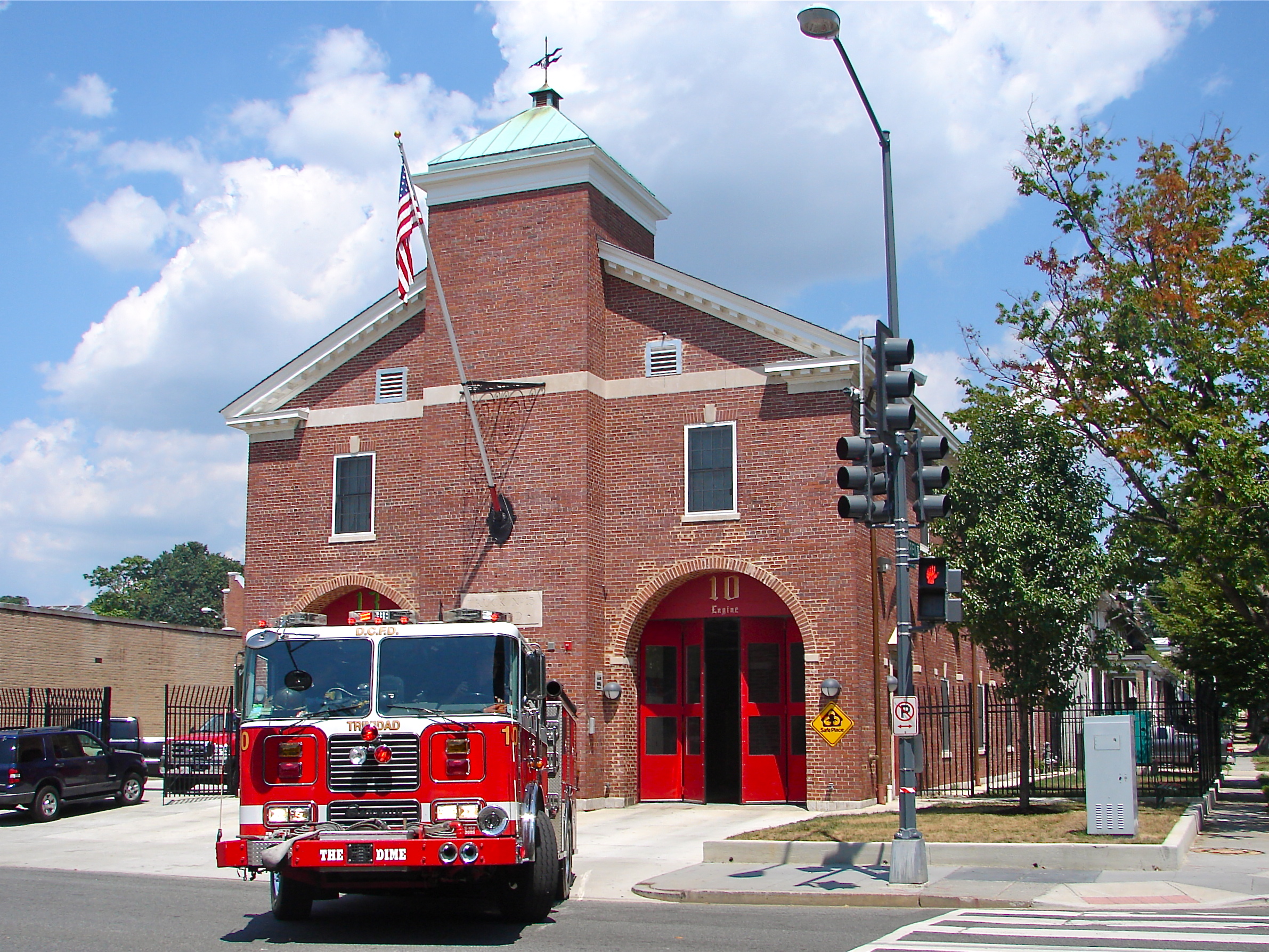
The District of Columbia Fire and Emergency Medical Services Department (also known as DC FEMS, FEMS, DCFD, DC Fire, or DC Fire & EMS), established July 1, 1804, provides fire protection and emergency medical service for the District of Columbia, in the United States. An organ of the devolved district government, Fire & EMS is responsible for providing fire suppression, ambulance service and hazardous materials containment for the federal district.
History


On January 13, 1803, District of Columbia passed its first law about fire control, requiring the owner of each building in the district to provide at least one leather firefighting bucket per story or pay a $1 fine per missing bucket.
The first firefighting organizations in the district were private volunteer companies. To end the problems created by rivalries between these companies, District of Columbia approved in 1864 an act to consolidate them and organize a paid fire department. Seven years passed before it was implemented on September 23, 1871, creating the all-professional District of Columbia Fire Department (DCFD) with a combination of paid and volunteer staff. The department had seven paid firefighters and 13 call men to answer alarms, manning three engines and two ladders.
By 1900, the DCFD had grown to 14 engine companies, four ladder companies, and two chemical companies.
In 1968, the entire DCFD was mobilized during the riots that followed the assassination of Martin Luther King Jr. The four days of disorder saw widespread civil unrest, looting and arson, which ultimately required help with 70 outside companies to battle over 500 fires and perform 120 rescues.
In the 1970s and 1980s, the department was rife with racial tension, as the nearly all-white department became much more racially integrated and African Americans sought upper-level supervisory and management positions.
September 11, 2001 Pentagon Attack
During the September 11 Attacks, an aircraft was flown into the west side of the Pentagon in Arlington County, Virginia. While the Arlington County Fire Department had primary jurisdiction for the response and aftermath of the attack, DCFD units responded to the Pentagon to provide mutual aid. At approximately 09:46 AM EST, the Fire Communications center dispatched several units to the White House for a reported plane crash into the structure. After an investigation, this alleged White House attack was unfounded. At approximately 09:48 AM EST, the Fire Communications Center sent several more units to the Pentagon to assist Arlington County Fire Department. In the end, DCFD sent over 40 units (fire suppression, ambulances, and other specialized fire vehicles) to assist with the Pentagon response, and countless more personnel over the course of several days to assist with the aftermath and cleanup of the site.
2010s Budget and Maintenance Problems
Main article: History of the District of Columbia Fire and Emergency Medical Services Department
In January 2010, The Washington Examiner reported that, in a major management failure, the agency failed to budget for seniority pay in its fiscal 2010 budget, causing a $2 million shortfall. After a hiring freeze left 130 positions unfilled, the department was projected to spend $15.4 million in fiscal 2010 (2.5 times the budgeted amount). More than 75 percent of the agency's budget goes to salaries and fringe benefits.
Problems with vehicle maintenance also worsened after 2010. The department lost track of the location of reserve vehicles, and sometimes listed fire engines as available for duty when they had been stripped for parts and sent to the junkyard. In 2012, the agency hired a consultant at a cost of $182,000 to create an accurate database of vehicle status and location. Both the D.C. Council and the District of Columbia's inspector general have strongly criticized the department's record. The District of Columbia Firefighters Association, Local 36, and the International Association of Firefighters (IAFF) have argued that the problem lies with poor management, while DCFEMS has said the problems either cannot be accounted for or are the result of rank-and-file incompetence or neglect.
In July 2013, more than 60 DCFEMS ambulances were out of commission due to maintenance issues, and the department was forced to hire a private ambulance service to provide staffing at a Major League Baseball game. On August 8, 2013, a DCFEMS ambulance ran out of fuel while part of President Barack Obama's motorcade, and ended up stranded on the South Lawn of the White House (EMS personnel said they reported a broken fuel gauge months ago, while DCFEMS said workers failed to fill the vehicle with gasoline.) On August 13, 2013, two DCFEMS ambulances caught fire—one while delivering a patient to MedStar Washington Hospital Center, the other while responding to an emergency call at an apartment building on Benning Road SE (another ambulance was dispatched to take the patient to the hospital.)

Mayor Muriel Bowser and Chief Gregory Dean
Muriel E. Bowser was sworn in as the seventh Mayor of the District of Columbia on January 2, 2015. On March 2, 2015, Mayor Bowser named Gregory Dean as Chief of the District of Columbia Fire and Emergency Medical Services Department. Dean previously served for 10 years as the Fire EMS Chief for Seattle, Washington.
Chief Dean's primary focus would be stabilizing emergency medical services, boosting the department’s understaffed ranks, addressing the increasing call volume, improving training for patient care, improving vehicle fleet reliability and improving operational safety.
In June 2015, Dr. Jullette M. Saussy was selected to serve as the Medical Director of DC Fire and EMS. On January 29, 2016, just months after her appointment, she announced her resignation from that position in a letter to Mayor Muriel Bowser. In her letter, she called the department's culture "highly toxic to the delivery of any semblance of quality pre-hospital medical care."
Dr. Robert P. Holman was appointed as the Interim Medical Director effective on February 16, 2016. Dr. Holman would ultimately be retained as the permanent Medical Director and is currently the Department’s longest-serving Medical Director.
Chief Dean communicated his vision, the Department's progress and it's challenges to the community in a letter published in the Washington Post on February 19, 2016 - A changing D.C. Fire and EMS Department will make the city safer.
Starting in March 2016, the Fire and Emergency Medical Services Department (FEMS) began using American Medical Response (AMR), now renamed Global Medical Response (GMR), to supplement patient transport services. AMR-GMR provides BLS patient transport services upon request from FEMS first responders.https://fems.dc.gov/page/amr-gmr-operations
Dr. Holman immediately went to work on improving EMS training, improving and expanding the EMS Continuous Quality Improvement (CQI) Office, and led the transition to criteria-based dispatching.
Dr. Holman would go on to establish the nation's largest 911 Nurse Triage Line (NTL), institute quarterly paramedic training symposiums, re-organize and reestablish the Department's Public Health / Street Calls Mobile Integrated Health Team, and improve the Department's Controlled Medication Program.
Dr. Holman was also responsible for the co-development of DC's Sobering and Stabilization Center which opened for operation in October 2023.
Most recently, in April 2024, the Department implemented a program to provide whole blood transfusions in the field. This program was implemented with support of the American Red Cross and the George Washington University Hospital’s blood bank. DC Fire and EMS is using “universal: low-titer type-O whole blood when it transfuses eligible patients suffering from hemorrhagic shock. Transfusion of patients by DC Fire and EMS increases the chance of surviving a devastating blood loss injury - more than doubling the odds of surviving and making it home from the hospital.
January 6 United States Capitol Attack
On January 6, 2021, supporters of then-U.S. president Donald Trump, attacked the United States Capitol, after his defeat in the 2020 presidential election. DCFD had a significant response to the attack, treating hundreds of people for injuries, both police officers and rioters. DCFD also had a role in the high-profile EMS response to the shooting of rioter Ashli Babbitt by a United States Capitol Police officer. This response was deemed somewhat unsafe for DCFD personnel by many working in the fire department as many responders were treated in a hostile manner by rioters.

Stations and Apparatus
These are the DCFD's stations and equipment.
| Firehouse Number | Neighborhood | Engine Company | Truck Company | Rescue Squad Company | Ambulance or Medic Unit | Specialized Unit | Command Unit | Battalion | 1 | 2 | 3 | 4 | 5 | 6 | 7 | 8 | 9 | 10 | 11 | 12 | 13 | 14 | 15 | 16 | 17 | 18 | 19 | 20 | 21 | 22 | 23 | 24 | 25 | 26 | 27 | 28 | 29 | 30 | 31 | 32 | 33 | Marine Fire and Rescue Station | Training Academy |
|---|---|---|---|---|---|---|---|---|---|---|---|---|---|---|---|---|---|---|---|---|---|---|---|---|---|---|---|---|---|---|---|---|---|---|---|---|---|---|---|---|---|---|---|
| West End | E01 | T02 | M01 | ||||||||||||||||||||||||||||||||||||||||
| A01 | |||||||||||||||||||||||||||||||||||||||||||
| A66 | TAU2 | Battalion 6 | |||||||||||||||||||||||||||||||||||||||||
| Chinatown | E02 | R1 | M02 | MCUCSU6 | BC6EMS6 | Battalion 6 | |||||||||||||||||||||||||||||||||||||
| Columbia | PE03 | M03 | |||||||||||||||||||||||||||||||||||||||||
| A03 | Battalion 6 | ||||||||||||||||||||||||||||||||||||||||||
| Pleasant Plains | E04 | A04 | AR1MD1 | ||||||||||||||||||||||||||||||||||||||||
| CSU4 | BCSO | ||||||||||||||||||||||||||||||||||||||||||
| SAFBC | |||||||||||||||||||||||||||||||||||||||||||
| EMS7 | Battalion 4 | ||||||||||||||||||||||||||||||||||||||||||
| Georgetown | E05 | M05 | CT1 | ||||||||||||||||||||||||||||||||||||||||
| RB | Battalion 5 | ||||||||||||||||||||||||||||||||||||||||||
| Shaw | E06 | T04 | A06A61 | CSU1 | Battalion 1 | ||||||||||||||||||||||||||||||||||||||
| Navy Yard | PE07 | M07 | Battalion 2 | ||||||||||||||||||||||||||||||||||||||||
| Lincoln Park | PE08 | M08 | |||||||||||||||||||||||||||||||||||||||||
| A08 | AR2 | ||||||||||||||||||||||||||||||||||||||||||
| MD2 | BC2EMS2 | Battalion 2 | |||||||||||||||||||||||||||||||||||||||||
| U Street | PE09 | T09 | M09 | Battalion 4 | |||||||||||||||||||||||||||||||||||||||
| Trinidad | PE10 | T13 | M10 | Battalion 1 | |||||||||||||||||||||||||||||||||||||||
| Columbia Heights | PE11 | T06 | A11 | BC4 | |||||||||||||||||||||||||||||||||||||||
| EMS4 | Battalion 4 | ||||||||||||||||||||||||||||||||||||||||||
| Edgewood | E12 | M12 | G1 | ||||||||||||||||||||||||||||||||||||||||
| HM1 | |||||||||||||||||||||||||||||||||||||||||||
| HM2 | |||||||||||||||||||||||||||||||||||||||||||
| HMSU | BC1 | ||||||||||||||||||||||||||||||||||||||||||
| EMS1 | Battalion 1 | ||||||||||||||||||||||||||||||||||||||||||
| L'Enfant Plaza | PE13 | T10 | A13 | F1 | |||||||||||||||||||||||||||||||||||||||
| F2 | |||||||||||||||||||||||||||||||||||||||||||
| TAU1 | Battalion 6 | ||||||||||||||||||||||||||||||||||||||||||
| Fort Totten | E14 | M14 | |||||||||||||||||||||||||||||||||||||||||
| A14 | Battalion 1 | ||||||||||||||||||||||||||||||||||||||||||
| Anacostia | PE15 | R3 | A15 | CI | |||||||||||||||||||||||||||||||||||||||
| CISU | |||||||||||||||||||||||||||||||||||||||||||
| CSU3 | BC3 | ||||||||||||||||||||||||||||||||||||||||||
| EMS3 | Battalion 3 | ||||||||||||||||||||||||||||||||||||||||||
| Franklin Park | PE16 | TW3 | A16 | COMM1 | DFCOP | ||||||||||||||||||||||||||||||||||||||
| BCEMS | Battalion 6 | ||||||||||||||||||||||||||||||||||||||||||
| Brookland | E17 | M17 | Battalion 1 | ||||||||||||||||||||||||||||||||||||||||
| Capitol Hill | PE18 | T07 | A18 | Battalion 2 | |||||||||||||||||||||||||||||||||||||||
| Randle Highlands | PE19 | M19 | |||||||||||||||||||||||||||||||||||||||||
| A19 | |||||||||||||||||||||||||||||||||||||||||||
| A63 | Battalion 3 | ||||||||||||||||||||||||||||||||||||||||||
| Tenleytown | PE20 | T12 | A20 | BC5 | |||||||||||||||||||||||||||||||||||||||
| EMS5 | Battalion 5 | ||||||||||||||||||||||||||||||||||||||||||
| Adams Morgan | E21 | M21 | BX1 | Battalion 5 | |||||||||||||||||||||||||||||||||||||||
| Brightwood | PE22 | T11 | A22 | ||||||||||||||||||||||||||||||||||||||||
| A64 | Battalion 4 | ||||||||||||||||||||||||||||||||||||||||||
| Foggy Bottom | E23 | A23 | Battalion 6 | ||||||||||||||||||||||||||||||||||||||||
| Petworth | E24 | R2 | M24 | MAB1 | |||||||||||||||||||||||||||||||||||||||
| MAB2TR1 | |||||||||||||||||||||||||||||||||||||||||||
| WRECKER | FM | Battalion 4 | |||||||||||||||||||||||||||||||||||||||||
| Congress Heights | PE25 | M25 | |||||||||||||||||||||||||||||||||||||||||
| A25 | MD3 | Battalion 3 | |||||||||||||||||||||||||||||||||||||||||
| Brentwood | PE26 | T15 | A26 | Battalion 1 | |||||||||||||||||||||||||||||||||||||||
| Deanwood | PE27 | M27 | |||||||||||||||||||||||||||||||||||||||||
| A27 | |||||||||||||||||||||||||||||||||||||||||||
| A62 | Battalion 2 | Battalion 2 | |||||||||||||||||||||||||||||||||||||||||
| Cleveland Park | E28 | T14 | A28 | Battalion 5 | |||||||||||||||||||||||||||||||||||||||
| Palisades | PE29 | T05 | A29 | G2 | Battalion 5 | ||||||||||||||||||||||||||||||||||||||
| Capitol View | PE30 | T17 | M30 | ||||||||||||||||||||||||||||||||||||||||
| A30 | |||||||||||||||||||||||||||||||||||||||||||
| A30B | Battalion 2 | ||||||||||||||||||||||||||||||||||||||||||
| Chevy Chase | PE31 | M31 | |||||||||||||||||||||||||||||||||||||||||
| A65 | CT2 | ||||||||||||||||||||||||||||||||||||||||||
| CSU5 | Battalion 5 | ||||||||||||||||||||||||||||||||||||||||||
| Garfield Heights | PE32 | T16 | A32 | Battalion 3 | |||||||||||||||||||||||||||||||||||||||
| Highlands | PE33 | T08 | M33 | ||||||||||||||||||||||||||||||||||||||||
| A33 | MAB3 | Battalion 3 | |||||||||||||||||||||||||||||||||||||||||
| Southwest Waterfront | BT1 | ||||||||||||||||||||||||||||||||||||||||||
| BT2 | |||||||||||||||||||||||||||||||||||||||||||
| BT3 | |||||||||||||||||||||||||||||||||||||||||||
| BT4 | Battalion Chief Special Operations | ||||||||||||||||||||||||||||||||||||||||||
| The School | T34 | ||||||||||||||||||||||||||||||||||||||||||
| T35 | A34 | BC8 | |||||||||||||||||||||||||||||||||||||||||
| BC9 (Emergency Mobilization) | Battalion 8 | ||||||||||||||||||||||||||||||||||||||||||
| Battalion 9 |
Abbreviations:
- Ambulance - A
- American Medical Response - AMR
- Air - AR
- Brush - BX
- Boat - BT
- Battalion Chief - BC
- Battalion Chief of EMS - BCEMS
- Battalion Chief of Special Operations - BCSO
- Cave-In (Collapse) Unit - CI
- Cave-In Support Unit - CISU
- Canteen - CT
- Communications - COMM
- Community Support - CSU
- Deputy Fire Chief of Operations - DFCOP
- Engine - E
- EMS Supervisor - EMS
- Fire Marshal Investigations Unit - FM
- Foam - F
- Gator - G
- Hazmat - HM
- Hazmat Support Unit - HMSU
- Heavy Rescue Wrecker - WRECKER
- Medic - M
- Medical Ambulance Bus - MAB
- Mass Casualty Support- MCS
- Mobile Command Unit - MCU
- Mass Decontamination - MD
- Paramedic Engine-PE
- Rehab - RB
- Rescue - R
- Safety Battalion Chief - SAFBC
- Truck - T
- Tower - TW
- Twin Agent Unit - TAU
- Tunnel Rescue - TR
References
References
- "FY 2014 Proposed Budget and Financial Plan – Fire and Emergency Medical Services Department". Chief Financial Officer.
- "Apparatus".
- (November 2019). "FEMS History". DC FEMS.
- (November 2019). "About FEMS". DC FEMS.
- "FEMS History". DC FEMS.
- "FEMS History". DC FEMS.
- Hsu, Spencer S. "Black D.C. Firefighters File Lawsuit." ''Washington Post.'' October 16, 2010.
- Aaron, John. (2018-09-11). "WATCH: On 9/11 anniversary, DC firefighter remembers Pentagon response".
- Smith, Michael. (2002-11-01). "DC Crews Dispatched To The Pentagon".
- [http://www.washingtonexaminer.com/local/D_C_-fire-running-millions-over-budget-82177247.html Neibauer, Michael. "D.C. Fire Running Millions Over Budget."]{{dead link. (November 2019)
- [https://www.washingtonpost.com/local/two-dc-ambulances-catch-fire-while-on-call/2013/08/13/40e5f68c-0427-11e3-88d6-d5795fab4637_story.html Hermann, Peter. "Two D.C. Ambulances Catch Fire While On Call." ''Washington Post.'' August 13, 2013.] Accessed 2013-08-13.
- "Audit finds D.C. fire officials failed to implement overhauls after 2006 death".
- "Jullette Saussy Resignation Letter".
- Williams, Clarence. (December 28, 2018). ""If he'd stuck with family tradition, he would have been another surgeon. But he didn't."". The Washington Post.
- Graf, Heather. (2022-01-06). "'A very chaotic, emotional day': inside the DC Fire and EMS response on Jan. 6, 2021".
- "Fire and EMS Locations".
- "Engine House 1".
- "Engine House 2".
- "Engine House 3".
- "Engine House 4".
- "Engine House 5".
- "Engine House 6".
- "Engine House 7".
- "Engine House 8".
- "Engine House 9".
- "Engine House 10".
- "Engine House 11".
- "Engine House 12".
- "Engine House 13".
- "Engine House 14".
- "Engine House 15".
- "Engine House 16".
- "Engine House 17".
- "Engine House 18".
- "Engine House 19".
- "Engine House 20".
- "Engine House 21".
- "Engine House 22".
- "Engine House 23".
- "Engine House 24".
- "Engine House 25".
- "Engine House 26".
- "Engine House 27".
- "Engine House 28".
- "Engine House 29".
- "Engine House 30".
- "Engine House 31".
- "Engine House 32".
- "Engine House 33".
- "Fire Boat".
This article was imported from Wikipedia and is available under the Creative Commons Attribution-ShareAlike 4.0 License. Content has been adapted to SurfDoc format. Original contributors can be found on the article history page.
Ask Mako anything about District of Columbia Fire and Emergency Medical Services Department — get instant answers, deeper analysis, and related topics.
Research with MakoFree with your Surf account
Create a free account to save articles, ask Mako questions, and organize your research.
Sign up freeThis content may have been generated or modified by AI. CloudSurf Software LLC is not responsible for the accuracy, completeness, or reliability of AI-generated content. Always verify important information from primary sources.
Report