From Surf Wiki (app.surf) — the open knowledge base
Digital architecture
Architecture using digital technology
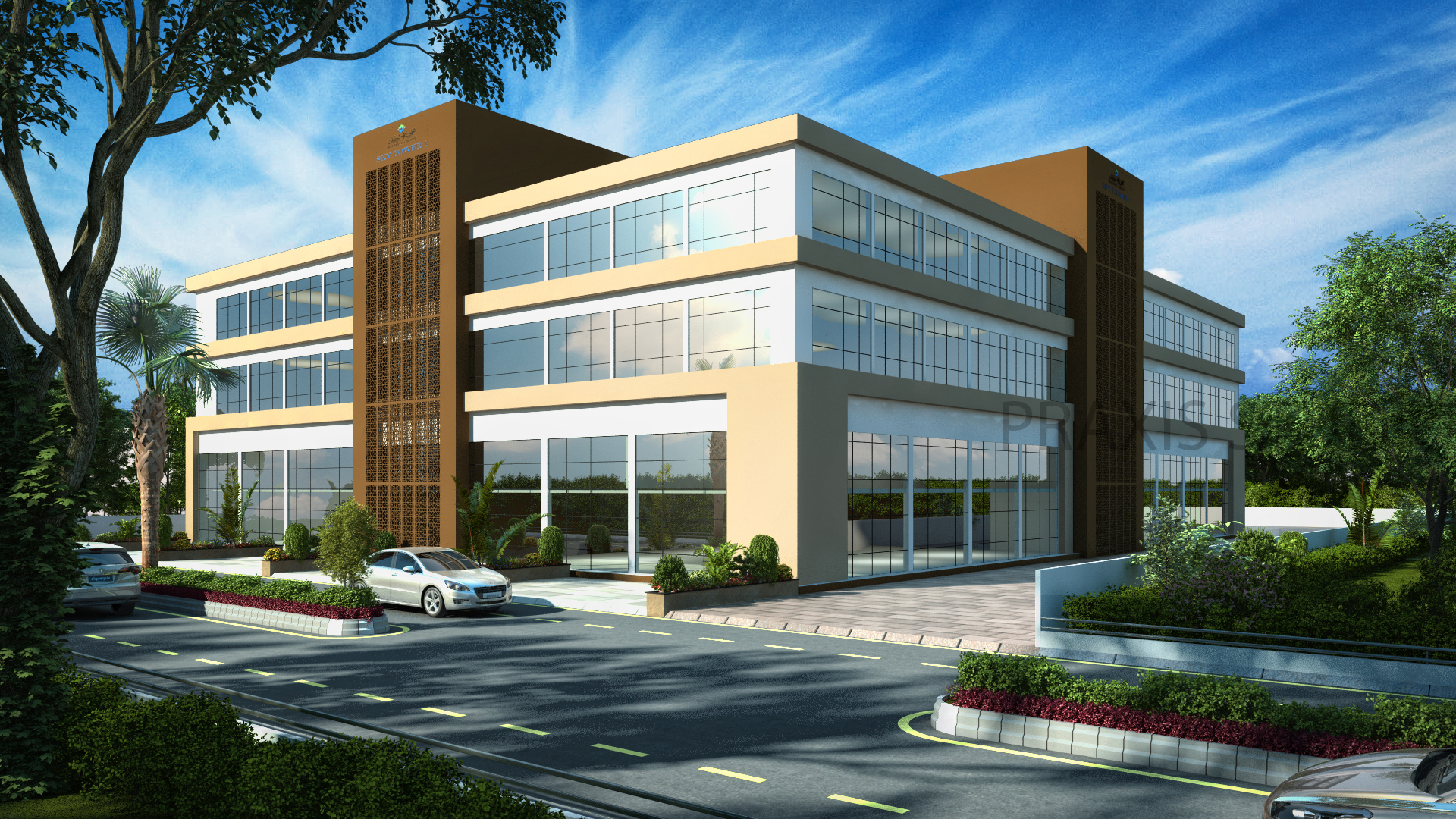
Architecture using digital technology
digital architecture in the built-environment sense
Digital architecture refers to aspects of architecture that feature digital technologies or considers digital platforms as online spaces. The emerging field of digital architectures therefore applies to both classic architecture as well as the emerging study of social media technologies.
Within classic architectural studies, the terminology is used to apply to digital skins that can be streamed images and have their appearance altered. A headquarters building design for Boston television and radio station WGBH by Polshek Partnership has been discussed as an example of digital architecture and includes a digital skin.
Within social media research, digital architecture refers to the technical protocols that enable, constrain, and shape user behavior in a virtual space. Features of social media platforms such as how they facilitate user connections, enable functionality, and generate data are considered key properties that distinguish one digital architecture from another.
Overview
Architecture created digitally might not involve the use of actual materials (brick, stone, glass, steel, wood). It relies on "sets of numbers stored in electromagnetic format" used to create representations and simulations that correspond to material performance and to map out built artifacts. It thus can involve digital twinning for planned construction or for maintenance management. Digital architecture does not just represent "ideated space"; it also creates places for human interaction that do not resemble physical architectural spaces. Examples of these places in the "Internet Universe" and cyberspace include websites, multi-user dungeons, MOOs, and web chatrooms.
Digital architecture allows complex calculations that delimit architects and allow a diverse range of complex forms to be created with great ease using computer algorithms. The new genre of "scripted, iterative, and indexical architecture" produces a proliferation of formal outcomes, leaving the designer the role of selection and increasing the possibilities in architectural design. This has "re-initiated a debate regarding curvilinearity, expressionism and role of technology in society" leading to new forms of non-standard architecture by architects such as Zaha Hadid, Kas Oosterhuis and UN Studio. A conference held in London in 2009 named "Digital Architecture London" introduced the latest development in digital design practice.
The Far Eastern International Digital Design Award (The Feidad Award) has been in existence since 2000 and honours "innovative design created with the aid of digital media." In 2005 a jury with members including a representative from Quantum Film, Greg Lynn from Greg Lynn FORM, Jacob van Rijs of MVRDV, Gerhard Schmitt, Birger Sevaldson (Ocean North), chose among submissions "exploring digital concepts such as computing, information, electronic media, hyper-, virtual-, and cyberspace in order to help define and discuss future space and architecture in the digital age."
References
References
- Campbell, Robert. (2004-02-01). "WGBH to wrap new headquarters in digital skin".
- Bossetta, Michael. (2018). "The Digital Architectures of Social Media: Comparing Political Campaigning on Facebook, Twitter, Instagram, and Snapchat in the 2016 U.S. Election". Journalism & Mass Communication Quarterly.
- Daniela Bertol, David Foell [https://books.google.com/books?id=X8gK2FaiYvsC&dq=%22Digital+Architecture%22&pg=PA57 Designing digital space] page 57
- A. Ali, C. A. Brebbia [https://books.google.com/books?id=8NIxLRQyLNAC&q=digital+architecture&pg=PT63 Digital architecture and construction] Abstract by S. Hatzellis, University of Technology, Sydney Australia page 51, 54
- Yu-Tung Liu [http://architettura.supereva.com/extended/20060513/index.htm The Philosophy of Digital Architecture: The FEIDAD Award] Architettura
- (2010). "Time to Split, Virtually: 'Discourse Architecture' and 'Community Building' Create Vibrant Virtual Publics". Electronic Markets.
- (2005). "Discourse Architecture and Very Large-scale Conversation".
- Bossetta, Michael. (2018). "The Digital Architectures of Social Media: Comparing Political Campaigning on Facebook, Twitter, Instagram, and Snapchat in the 2016 U.S. Election". Journalism & Mass Communication Quarterly.
- (2017). "The Affordances of Social Media".
This article was imported from Wikipedia and is available under the Creative Commons Attribution-ShareAlike 4.0 License. Content has been adapted to SurfDoc format. Original contributors can be found on the article history page.
Ask Mako anything about Digital architecture — get instant answers, deeper analysis, and related topics.
Research with MakoFree with your Surf account
Create a free account to save articles, ask Mako questions, and organize your research.
Sign up freeThis content may have been generated or modified by AI. CloudSurf Software LLC is not responsible for the accuracy, completeness, or reliability of AI-generated content. Always verify important information from primary sources.
Report
Social media
The concept of digital architectures has a long history in Internet scholarship. Prior to social media, scholars focused on how the structure of an online space – such as a forum, website, or blog – shaped the formation of publics and political discourses. With the rapid rise of social media, scholars have turned their attention to how the architectural design of social media platforms affects the behavior of influential users, such as political campaigns. This line of research differs from the affordances approach, which focuses on the relationships between users and technology, rather than the digital architecture of the platform.