From Surf Wiki (app.surf) — the open knowledge base
Demolition waste
Waste debris from destruction of buildings, roads, bridges, or other structures
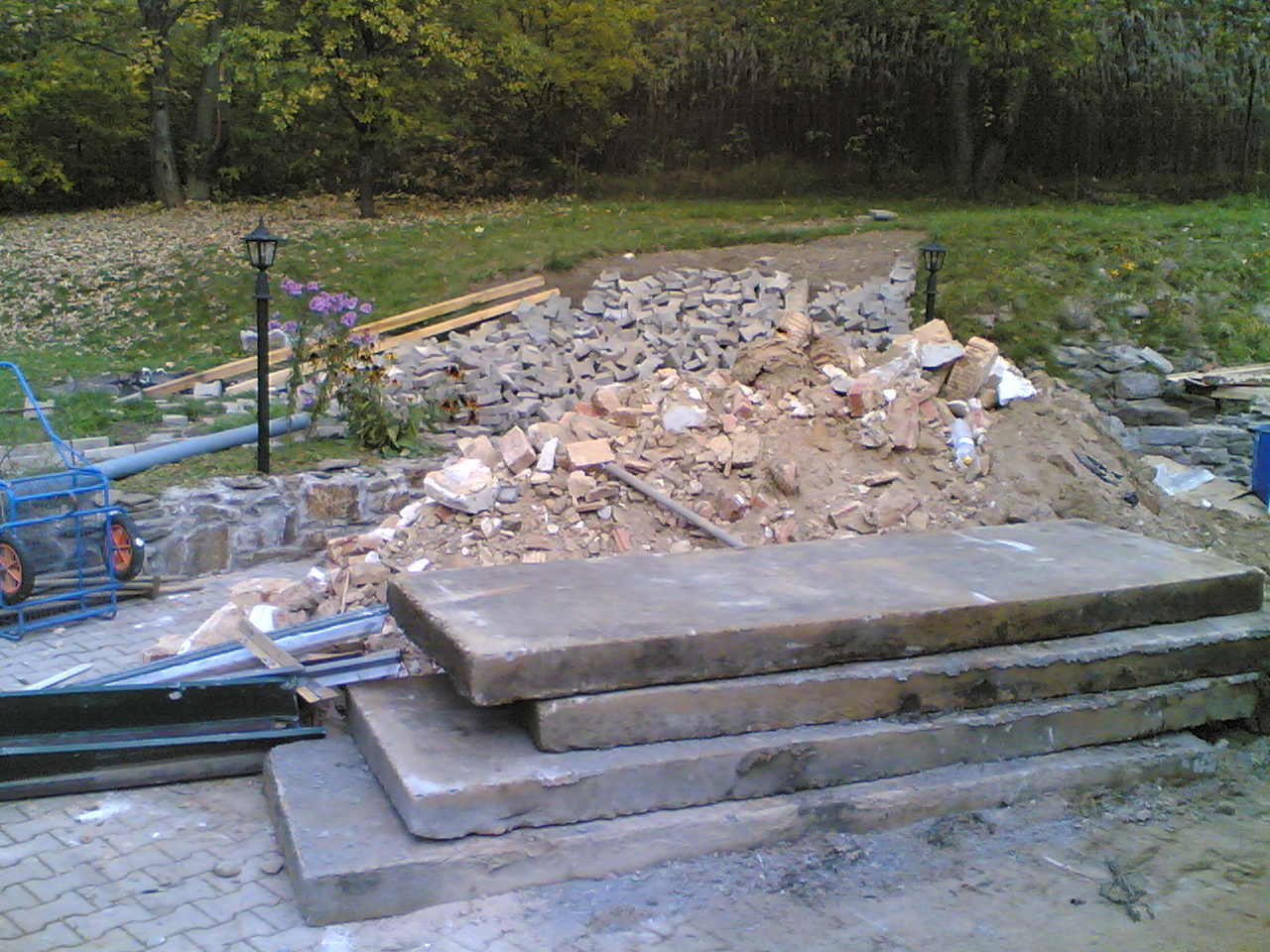
Waste debris from destruction of buildings, roads, bridges, or other structures
Demolition waste is waste debris from destruction of buildings, roads, bridges, or other structures. Debris varies in composition, but the major components, by weight, in the US include concrete, wood products, asphalt shingles, brick and clay tile, steel, and drywall. There is the potential to recycle many elements of demolition waste.
Composition
In 2014, 505.1 million tons of demolition debris was generated in the US. Out of the 505.1 million tons, the debris was composed of 353.6 million tons of concrete, 76.6 million tons of asphalt concrete, 35.8 million tons of wood product, 12.7 million tons of asphalt shingles, 11.8 million tons of brick and clay tile, 10.3 million tons of drywall and plaster, and 4.3 million tons of steel.
Disposal
Before demolition debris is extracted, contamination from lead, asbestos or other hazardous materials must be resolved. Hazardous materials must be disposed of separately, according to federal regulation. Alternatively, debris may also be sorted and recycled. Sorting may happen as deconstruction on the demolition site, off-site at a sorting location, or at a Construction and Demolition recycling center. Once sorted, materials are managed separately and recycled accordingly.
Recycling
Concrete and Brick
Main article: Concrete recycling
Concrete and brick can be recycled by crushing it into rubble. Once sorted, screened and contaminants are removed, reclaimed concrete or brick can be used in concrete aggregate, fill, road base, or riprap. Mobile concrete crushers also allow for recycling of concrete on-site.
Wood
Main article: Timber recycling
Wood can be reused, repurposed, recycled, or burned as bioenergy. Using recycled wood as a bioenergy feedstock is advantageous because it has lower water content, about 20% water, compared to virgin lumber, about 60% water.
Drywall
Drywall is made primarily of gypsum. Once the gypsum is depapered, it can be added in cement production, as a soil amendment, used in aerated composting, or recycled into new drywall. Gypsum recycling can be particularly beneficial because in landfill conditions gypsum will release hydrogen sulfide, a toxic gas.
Asphalt
Asphalt, from shingles or asphalt concrete, is typically recycled and used in pavement.
Metal
Main article: Scrap
Scrap metal is an established industry focused on the collection, buying, selling, and recycling of salvaged materials.
References
cs:Suť de:Bauschutt
References
- (8 March 2016). "Sustainable Management of Construction and Demolition Materials".
- (November 2016). "Advancing Sustainable Materials Management: 2014 Fact SheetAssessing Trends in Material Generation, Recycling, Composting, Combustion with Energy Recovery and Landfilling in the United States".
- (31 January 2013). "Harmful Materials and Residential Demolition".
- "Construction and Demolition Debris (C&DD)". Ohio EPA Division of Materials and Waste Management.
- (7 February 2017). "Compliance Bulletin: Asphalt, Brick and Concrete Recycling & Beneficial Use, February 2016".
- (2012). "Recycling Wood Pallets and Packaging".
- (2016-09-20). "Scrap Metal Merchants Sector".
This article was imported from Wikipedia and is available under the Creative Commons Attribution-ShareAlike 4.0 License. Content has been adapted to SurfDoc format. Original contributors can be found on the article history page.
Ask Mako anything about Demolition waste — get instant answers, deeper analysis, and related topics.
Research with MakoFree with your Surf account
Create a free account to save articles, ask Mako questions, and organize your research.
Sign up freeThis content may have been generated or modified by AI. CloudSurf Software LLC is not responsible for the accuracy, completeness, or reliability of AI-generated content. Always verify important information from primary sources.
Report