From Surf Wiki (app.surf) — the open knowledge base
Dario Argento
Italian film director and screenwriter
Italian film director and screenwriter
| Field | Value |
|---|---|
| name | Dario Argento |
| image | Dario Argento 2014.jpg |
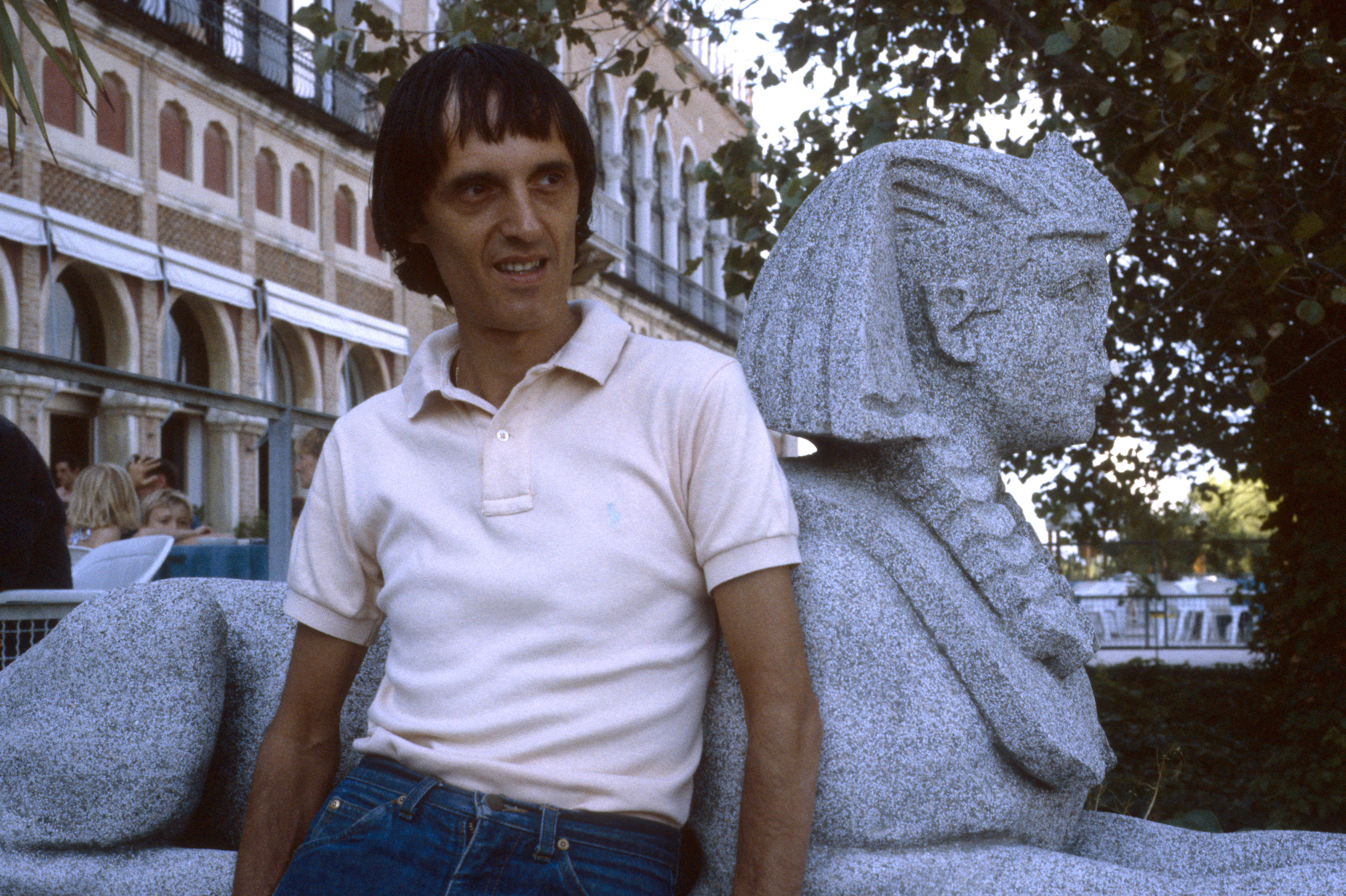
| caption | Argento in 2014 |
| birth_date | |
| birth_place | Rome, Kingdom of Italy |
| occupation | |
| partner | Daria Nicolodi (1974–1985) |
| children | 2, including Asia Argento |
| relatives | Claudio Argento (brother) |
| other_names | Sirio Bernadotte |
| style | {{hlist |
| spouse |
|Horror |giallo
Dario Argento (; born 7 September 1940) is an Italian film director, screenwriter and producer. His influential work in the horror and giallo genres during the 1970s and 1980s has led him to being referred to as the "Master of the Thrill" and the "Master of Horror".
His films as director include his "Animal Trilogy", consisting of The Bird with the Crystal Plumage (1970), The Cat o' Nine Tails (1971) and Four Flies on Grey Velvet (1971); his "Three Mothers" trilogy, consisting of Suspiria (1977), Inferno (1980) and The Mother of Tears (2007); and his stand-alone films Deep Red (1975), Tenebrae (1982), Phenomena (1985) and Opera (1987). He co-wrote the screenplay for Sergio Leone's Once Upon a Time in the West (1968) and served as George A. Romero's script consultant on Dawn of the Dead (1978), for which he also composed the soundtrack with his long-time collaborators Goblin.
Early life
Argento was born in Rome. While still attending a Catholic secondary school as a teenager, Argento began working as a film critic, writing for magazines and as a columnist for the Rome-based newspaper Paese Sera While working at the newspaper, Argento also began working as a screenwriter. His most notable works were for Sergio Leone, Bernardo Bertolucci and his collaboration on the story for the Sergio Leone Spaghetti Western Once Upon a Time in the West in 1968.
Career
1970s
Argento began work on his directorial debut, the giallo film The Bird with the Crystal Plumage (L'uccello dalle piume di cristallo, 1970), which was a major hit in Italy. Argento continued to concentrate largely on the giallo genre, directing two more successful thrillers, The Cat o' Nine Tails (Il gatto a nove code, 1971) and Four Flies on Grey Velvet (4 mosche di velluto grigio, 1972). Along with The Bird with the Crystal Plumage, these three films are frequently referred to as Argento's "Animal Trilogy". The director then turned his attention away from giallo movies, filming two Italian TV dramas and a period comedy, The Five Days (Le cinque giornate, 1973). Argento returned to thrillers with Deep Red (1975), frequently cited by many critics as the best giallo ever made. The film made Argento known internationally and inspired other directors to work in the genre. John Carpenter has frequently referred to the influence Argento's early work had on Halloween (1978).
Argento's next film was Suspiria (1977), a supernatural horror. Argento planned for Suspiria to be the first of a trilogy about "The Three Mothers", three ancient witches residing in three different modern cities. The second film of the trilogy was 1980's Inferno. The Mother of Tears (2007) concluded the trilogy.
In 1978, Argento collaborated with George A. Romero on Dawn of the Dead, earning a producer credit and also providing soundtrack work for the zombie film. Argento oversaw the European release of the film, where it was titled Zombi, which was much shorter and featured more of the score written and performed by Goblin.
1980s
After Inferno, Argento returned to the more conventional *giallo *style with Tenebrae (1982). He then attempted to combine *giallo *and supernatural fantasy in 1985's Phenomena, also known as Creepers, which was one of Jennifer Connelly's earliest movies. Phenomena also showed Argento's predilection for using new technology, as evidenced by the film's several prowling Steadicam shots. Both films received a lukewarm reception upon their release (although each has been positively reappraised since).
Argento subsequently took a break from directing to write two screenplays for Mario Bava's son, Lamberto Bava: Dèmoni (1985) and Dèmoni 2 (1986).
Opera followed in 1987. Set in Parma's Regio Theatre during a production of Verdi's Macbeth, the production was beset by real-life misfortunes that Argento suspected were caused by the supposed traditional "curse" on the Shakespearean play. Argento's father died during its production, Vanessa Redgrave quit the project before filming began, he had problems working with his former long-time girlfriend and collaborator Daria Nicolodi on-set, and the cast and crew were plagued by several minor accidents and mishaps.
In 1987–88, Argento produced a TV series called Turno di Notte, which had 15 episodes. Nine of the shows were directed by Luigi Cozzi, the other six by Lamberto Bava. Daria Nicolodi and Asia Argento starred in several of the episodes.
Argento later produced and wrote the screenplays for two horror films directed by Michele Soavi, The Church (1989) and The Sect (1991).
1990s

In 1990, Argento co-directed Two Evil Eyes with George Romero, a two-story anthology film inspired by the works of Edgar Allan Poe.
In 1992, Argento filmed Trauma, starring his daughter Asia Argento, in Minneapolis, MN. It is largely a traditional giallo, but in an American setting. Like many of Argento's films, it contains an optical illusion witnessed by a character stumbling upon a murder, but he or she, like the audience, misinterprets the nature of the crime. This cinematic sleight-of-hand is one of Argento's recurring motifs.
His 1996 film The Stendhal Syndrome, in which a policewoman (played by Argento's daughter, Asia) who suffers from Stendhal syndrome is trapped by a serial killer in an abandoned warehouse, was the first Italian film to use computer-generated imagery. Moreover, the film's opening scene was shot in Florence at Italy's famed Uffizi Gallery. Argento is the only director ever granted permission to shoot there. The Stendhal Syndrome was distributed in the U.S. by cult B-movie distribution company Troma Entertainment.
In the early 1990s, Argento was interested in collaborating with Italian director Lucio Fulci on a horror film. Due to financial setbacks, the project was repeatedly postponed. In 1996, Argento was able to gather the funding, but was unable at that point to collaborate with Fulci who died in March of that year. The film was later directed by Sergio Stivaletti as Wax Mask, with Argento and Fulci both receiving co-screenwriting credits.
Argento later directed 1998's The Phantom of the Opera and 2001's Sleepless.
2000s and 2010s
In 2004, Argento directed The Card Player, a giallo about a killer whose murders are conducted during Internet poker matches with the Rome police, which earned a mixed reception; some fans appreciated the techno music score composed by ex-Goblin member Claudio Simonetti, but felt the film was too mainstream, with little of Argento's usual flourish.
In the 2005 TV broadcast of Argento's Do You Like Hitchcock?, the director paid* homage* to Alfred Hitchcock after decades of being compared to him by critics. Later that year, he directed an episode of Masters of Horror, a Showtime television series, called "Jenifer". For season two of the series, Argento directed "Pelts", an adaption of the F. Paul Wilson short story of the same name.
In 2007, Argento finished the final film of his Three Mothers trilogy, The Mother of Tears, which is set in Rome and centres on the titular "third mother", Mater Lacrimarum. Argento and Jace Anderson share writing credits for the film. Asia Argento was cast as the lead player, along with her mother and frequent Argento collaborator Daria Nicolodi in a supporting role. Udo Kier, who appeared in Argento's Suspiria, and Coralina Cataldi-Tassoni, who appeared in three of his previous films, both have pivotal roles in the final Mothers chapter.
On 26 June 2009, Giallo premiered at the Edinburgh Film Festival. The following month, he announced that he had started working on a 3D remake of Deep Red, but subsequently this project was shelved due to the commercial failure of Giallo in Italian cinemas. He then announced his decision to write a new screenplay . On 4 March 2011, it was announced that Rutger Hauer had signed on to play Van Helsing in Argento's Dracula 3D, which began shooting in Budapest later in the year. It was released on 19 May 2012 to generally negative reviews.

2020s
In 2021, Argento returned to acting and portrayed Lui in Gaspar Noe's 2021 psychological drama film Vortex. The film screened in the Premiere section at the 2021 Cannes Film Festival to critical acclaim for his performance.
In 2022, Argento directed Dark Glasses, in his first directorial work since the 2012 film Dracula 3D.
Unrelated projects
In 2014, Argento was slated to direct The Sandman, which had Iggy Pop attached to star and a script by David Tully. The film successfully raised over $195,000 from over 1,000 backers on Indiegogo in December 2014. However, filming has not commenced as of 2023, and the project producers have not updated the film's status to backers since August 2017.
Italian director Luca Guadagnino helmed Suspiria (2018), a remake of Argento's 1977 film. The American screenplay is based on the original script Argento wrote with Daria Nicolodi, his former long-term partner.
In 2019, Argento announced that he was developing a female-led serial movie, consisting of eight episodes, for a streaming service.
Other work
He is involved in operating a horror memorabilia store located at Via dei Gracchi 260 in Rome named Profondo Rosso, after his classic film Deep Red. In the cellar is a collection of his movies. The store is managed by his long-time collaborator and friend Luigi Cozzi.
He has contributed in the development of the survival horror video game Dead Space, and also in the dubbing of the Dr. Kyne character in the Italian version of the game.
He is acting as an artistic director on Clod Studio's upcoming video game Dreadful Bond.
Personal life

Between 1968 and 1972, Argento was married to Marisa Casale, the great-granddaughter of Italian composer, pianist and conductor Alfredo Casella. Argento and Casale had one child, actress and costume designer Fiore Argento (born in 1970).
Argento had a professional and romantic relationship with Italian actress and screenwriter Daria Nicolodi; they met in 1974 during casting for Deep Red, and their daughter Asia Argento was born in 1975. Nicolodi co-wrote Argento's Suspiria (1977) and appeared in Argento's Deep Red (1975), Inferno (1980), Tenebrae (1982), Phenomena (1985), Opera (1987), and The Mother of Tears (2007). Argento and Nicolodi separated in 1985.
An actress and director, Asia Argento's earliest screen appearances includes roles in her father's productions Demons 2 (1986) and The Church (1989) before being directed by her father in the films Trauma (1993), The Stendahl Syndrome (1996), The Phantom of the Opera (1998), The Mother of Tears (2007), and Dracula 3D (2012).
Dario Argento is a fan of Roman football club Lazio.
Works and criticism
Maitland McDonagh wrote about Argento in her book Broken Mirrors/Broken Minds: The Dark Dreams of Dario Argento (1991). Argento is also the subject of Art of Darkness, a collection of critical essays, reviews, promotional stills, and poster art edited by Chris Gallant. British journalist Alan Jones published Profondo Argento, a compendium of set reports, interviews, and biographical detail. English sound designer, writer, and musician Heather Emmett published Sounds to Die For: Speaking the Language of Horror Film Sound, which includes the first in-depth study of the use of sound in Argento's films.
In 2012, Argento was highlighted in the retrospective Argento: Il Cinema Nel Sangue at the Museum of Arts and Design in New York City. The retrospective celebrated the influence of the Argento family on filmmaking in Italy and around the world. It highlighted Dario's contribution, as well as that of his father (Salvatore), brother (Claudio), ex-wife (Daria Nicolodi) and daughter (Asia).
Critical decline
With the exceptions of The Stendhal Syndrome and Sleepless, all of Argento's films since the "golden age" of the 1970s and 1980s have been generally poorly received by critics and fans alike, including Argento scholars such as Maitland McDonagh. Fangoria wrote in 2010, "over the last decade, standards have slipped. For a filmmaker who was always so precise in his construction and cutting, his later films such as The Phantom of the Opera and The Card Player are sloppy, stitched together so carelessly that they leak vital fluid. Gradually, the kaleidoscopic style that once characterized his films has slowly blanched away."
Filmography
Film
| Year | Title | Director | Writer | Producer | Notes |
|---|---|---|---|---|---|
| 1966 | *Pardon, Are You For or Against?* | ||||
| 1967 | *Qualcuno ha tradito* | ||||
| 1968 | *Today We Kill... Tomorrow We Die!* | ||||
| *Comandamenti per un gangster* | |||||
| *Commandos* | |||||
| *La rivoluzione sessuale* | |||||
| *Once Upon a Time in the West* | |||||
| 1969 | *Cemetery Without Crosses* | ||||
| *Metti, una sera a cena* | |||||
| *Probabilità zero* | |||||
| *Battle of the Commandos* | |||||
| *The Five Man Army* | |||||
| *La stagione dei sensi* | |||||
| 1970 | *The Bird with the Crystal Plumage* | ||||
| 1971 | *The Cat o' Nine Tails* | ||||
| *Four Flies on Grey Velvet* | |||||
| 1973 | *Man Called Amen* | ||||
| *The Five Days* | |||||
| 1975 | *Deep Red* | ||||
| 1977 | *Suspiria* | Also composer | |||
| 1978 | *Dawn of the Dead* | Also editor (European cut) and composer | |||
| *Martin* | Editor (European cut) and composer | ||||
| 1980 | *Inferno* | ||||
| 1982 | *Tenebre* | ||||
| 1985 | *Phenomena* | ||||
| *Demons* | |||||
| 1986 | *Demons 2* | ||||
| 1987 | *Opera* | ||||
| 1989 | *La chiesa* | ||||
| 1990 | *Due occhi diabolici* | ||||
| 1991 | *La Setta* | ||||
| 1993 | *Trauma* | Also editor (Uncredited) | |||
| *The King of Ads* | Documentary | ||||
| 1996 | *La sindrome di Stendhal* | ||||
| 1997 | *Wax Mask* | ||||
| 1998 | *Il fantasma dell'opera* | ||||
| 2000 | *Scarlet Diva* | ||||
| 2001 | *Sleepless* | ||||
| 2004 | *Il cartaio* | ||||
| 2007 | *The Mother of Tears* | ||||
| 2009 | *Giallo* | ||||
| 2012 | *Dracula 3D* | ||||
| 2022 | *Dark Glasses* |
Acting roles
| Year | Title | Role | Notes |
|---|---|---|---|
| 1966 | *Pardon, Are You For or Against?* | Priest | |
| 1970 | *The Bird with the Crystal Plumage* | Murderer's Hands | Uncredited |
| 1973 | *Le cinque giornate* | Bandaged Man with Tranzunto | |
| 1975 | *Deep Red* | Murderer's Hands | |
| 1977 | *Suspiria* | Narrator | Uncredited voice role |
| 1980 | *Inferno* | Narrator; Murderer's Hands | |
| 1982 | *Tenebre* | ||
| 1985 | *Phenomena* | Narrator | |
| 1987 | *Opera* | ||
| 1992 | *Innocent Blood* | Paramedic | |
| 1996 | *Il cielo è sempre più blu* | Man Confessing to Franciscan friar | |
| 2021 | *Vortex* | Father | |
| 2023 | *Dario Argento Panico* | Himself | Documentary film |
Television
| Year | Title | Director | Writer | Producer | Notes |
|---|---|---|---|---|---|
| 1973 | *Door into Darkness* | Episodes "Il tram" and "Testimone oculare" | |||
| 1987 | *Turno di Notte* | ||||
| 2005 | *Do You Like Hitchcock?* | TV movie | |||
| 2005–2006 | *Masters of Horror* | Episodes "Jenifer" and "Pelts" | |||
| TBA | *Longinus* |
Acting roles
| Year | Title | Role |
|---|---|---|
| 2010 | *Tutti pazzi per amore* | Ugo, presidente commissione d'esame |
| 2012 | *100 Bullets D'Argento* | D'Argento |
Awards
Lifetime achievement awards
| Year | Organization | Award | Result | Ref. |
|---|---|---|---|---|
| 2001 | Imagine Film Festival | Lifetime Achievement Award | ||
| 2010 | Capri Hollywood International Film Festival | Capri Legend Award | ||
| [2019](64th-david-di-donatello) | David di Donatello | Special David | ||
| [2021](74th-locarno-film-festival) | Locarno Film Festival | Lifetime Achievement Award | ||
| 2022 | Sitges Film Festival | Golden Honorary Award |
References
References
- "Dario Argento Biography (1940-)". filmreference.com.
- (2007). "501 Movie Directors". Cassell Illustrated.
- "Archivio Corriere della Sera".
- "Dario Argento - Master of Horror".
- (5 August 2015). "Movie Directors: Dario Argento". Life in Italy.
- D, Ricky. (11 October 2021). "Color Me Blood Red: Top 10 Giallo Films".
- Beth McAndrews, Mary. (23 November 2021). "The 14 Best Giallo Films Ranked". [[/Film.
- (28 June 1979). "John Carpenter: Press: Rolling Stone: 6–28–79".
- Jones, Alan. (2004). "Profondo Argento: The Man, The Myths And The Magic". FAB Press.
- "''Dawn of the Dead''". [[AFI Catalog of Feature Films]].
- Kenneth Muir, John. (2007). "Horror Films of the 1980s". McFarland.
- Gracey, James. (31 October 2012). "30 Years On: ''Tenebrae'' Revisited".
- Redazione Tiscal. (3 July 2009). "Dario Argento pronto a girare "Profondo Rosso in 3D"". tiscali.it.
- "Dario Argento Gives His Blessing - Suspiria Remake a Go!". Dread Central.
- Clark Collis. (4 March 2011). "Rutger Hauer confirms he will play Van Helsing in Dario Argento's 'Dracula 3D' -- EXCLUSIVE".
- Sharf, Zack. (2021-06-10). "'Vortex' First Look: Gaspar Noé Returns with Surprise Movie Starring Dario Argento".
- Miska, Brad. (2022-01-19). "'Dark Glasses': Dario Argento's Return to Giallo to World Premiere in Berlin!".
- Indiegogo. "Dario Argento's The Sandman". Indiegogo.com.
- Zachary Paul. (14 July 2017). "What Happened to Dario Argento's 'The Sandman'?". bloody-disgusting.com.
- Thiessen, Brock. (8 March 2019). "Dario Argento Finally Opens Up About His New Film".
- (26 October 2009). "Frightful Rome".
- (19 August 2009). "Dario's Profondo Rosso".
- (September 2009). "Dario Argento".
- Cavalli, Earnest. (26 September 2008). "Wired Blog Network: Dario Argento Joins Italian Dead Space". Wired Blogs.
- Squires, John. (25 March 2019). "[Trailer] Dario Argento Was the Artistic Director of Upcoming Video Game 'Dreadful Bond'".
- "Dario Argento: "Scelsi la Lazio e mio padre romanista s'infuriò. Quella volta con Chinaglia..."".
- "Sounds to Die For". flaithulach.co.uk.
- "Argento: Il Cinema Nel Sangue".
- (12 April 2012). "Importing Cinema of Great Import". Dow Jones Inc.
- (23 April 2012). "The Design and Architecture of Terror: Dario Argento's "Deep Red"". MUBI.
- Kloda, James. (16 May 2010). ""GIALLO" (Film Review)". [[Fangoria.
- (2008-04-16). "Fantastic Life: The 24th Amsterdam Fantastic Film Festival, April 2008 {{!}} Neil Young's Film Lounge".
- "Premi: Capri Hollywood 2010 - CinemaItaliano.info".
- federico40. (2019-03-12). "David 2019, un David Speciale per Dario Argento".
- (August 14, 2021). "John Landis Gives the Award to Dario Argento".
- "Sitges Bows to Dario Argento with the Presentation of its Golden Honorary Award".
This article was imported from Wikipedia and is available under the Creative Commons Attribution-ShareAlike 4.0 License. Content has been adapted to SurfDoc format. Original contributors can be found on the article history page.
Ask Mako anything about Dario Argento — get instant answers, deeper analysis, and related topics.
Research with MakoFree with your Surf account
Create a free account to save articles, ask Mako questions, and organize your research.
Sign up freeThis content may have been generated or modified by AI. CloudSurf Software LLC is not responsible for the accuracy, completeness, or reliability of AI-generated content. Always verify important information from primary sources.
Report