From Surf Wiki (app.surf) — the open knowledge base
CXCL14
Mammalian protein found in humans
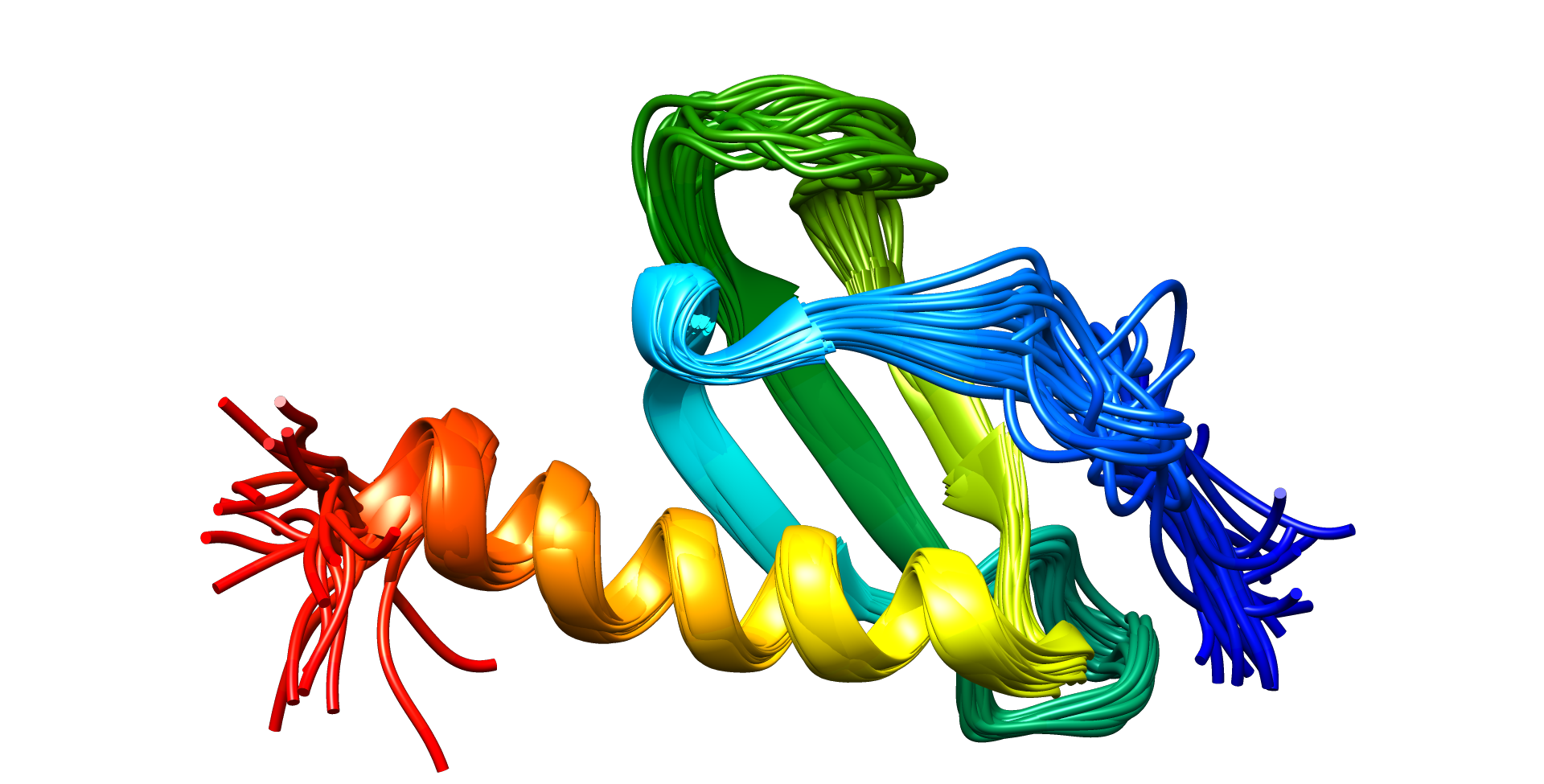
Mammalian protein found in humans
Chemokine (C-X-C motif) ligand 14 (CXCL14) is a small cytokine belonging to the CXC chemokine family that is also known as BRAK (for breast and kidney-expressed chemokine). Mature CXCL14 has many of the conserved features of the CXC chemokine subfamily but has some differences too, such as a shorter N-terminus and five extra amino acids in the region between its third and fourth cysteines. However, it is reduced or absent from most cancer cells. This chemokine is chemotactic for monocytes and can activate these cells in the presence of an inflammatory mediator called prostaglandin-E2 (PGE2). and can stimulate the migration of activated NK cells. CXCL14 also inhibits angiogenesis, possibly as a result of its ability to block endothelial cell chemotaxis. The gene for CXCL14 contains four exons and is located on chromosome 5 in humans.
References
References
- (February 1999). "Cloning of BRAK, a novel divergent CXC chemokine preferentially expressed in normal versus malignant cells". Biochemical and Biophysical Research Communications.
- (September 2001). "Monocyte selectivity and tissue localization suggests a role for breast and kidney-expressed chemokine (BRAK) in macrophage development". The Journal of Experimental Medicine.
- (May 2005). "Loss of new chemokine CXCL14 in tumor tissue is associated with low infiltration by dendritic cells (DC), while restoration of human CXCL14 expression in tumor cells causes attraction of DC both in vitro and in vivo". Journal of Immunology.
- (August 2006). "The chemokine CXCL14 (BRAK) stimulates activated NK cell migration: implications for the downregulation of CXCL14 in malignancy". Experimental Hematology.
- (November 2004). "BRAK/CXCL14 is a potent inhibitor of angiogenesis and a chemotactic factor for immature dendritic cells". Cancer Research.
This article was imported from Wikipedia and is available under the Creative Commons Attribution-ShareAlike 4.0 License. Content has been adapted to SurfDoc format. Original contributors can be found on the article history page.
Ask Mako anything about CXCL14 — get instant answers, deeper analysis, and related topics.
Research with MakoFree with your Surf account
Create a free account to save articles, ask Mako questions, and organize your research.
Sign up freeThis content may have been generated or modified by AI. CloudSurf Software LLC is not responsible for the accuracy, completeness, or reliability of AI-generated content. Always verify important information from primary sources.
Report