From Surf Wiki (app.surf) — the open knowledge base
Cubby-hole
Small play house, or play area, for children

Small play house, or play area, for children
the children's hideaway
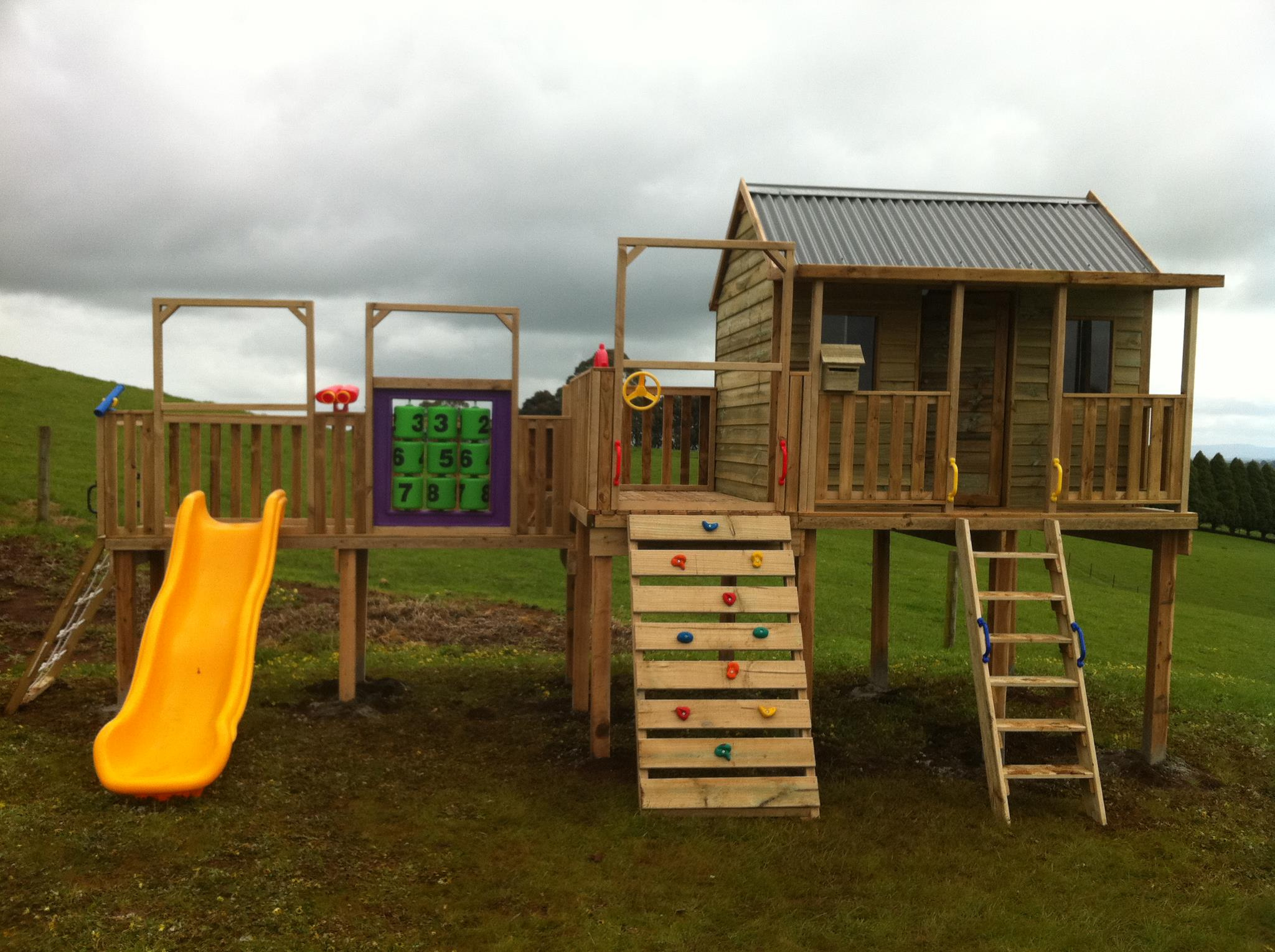
A cubby-hole, cubby-house or cubby is a small play house, or play area, for children. This may be constructed by the children themselves and used as a place of play. Children may have a small shed, play-house or tent which they use as a cubby-house. Children might build their own in various places in the house or garden, or have a pre-fabricated cubby. An Australian fictional treatment of the quest for the perfect cubby can be found in Ursula Dubosarsky's The Cubby House, illustrated by Mitch Vane.
Etymology
Possibly from the term "cub" in old English related to "stall, pen, cattle shed, coop, hutch". "Cubby-hole" is sometimes written as one word (cubbyhole).
Meanings in various countries
In South Africa, cubby-hole or cubby is the word for a glove compartment in a vehicle. This usage is also common in Barbados, Zambia, Botswana and Zimbabwe, as well as parts of Southern Minnesota; Michigan; Madison, South Dakota; and Northwest Wyoming.
In the UK, Ireland and Canada, it may refer to the cupboard under the stairs. In Quebec, the French word cagibi, which is a contraction of cage à bijoux, and roughly translates as "jewel case", is synonymous with a triangular storage walk-in located directly under the inner stairs of a house.
In the United States, a cubby-hole most often refers to a small square or rectangle-shaped space where children may keep their personal belongings, such as in a preschool or kindergarten setting. These cubby-holes are often constructed out of the same materials as bookshelves and have a similar appearance save for the division of the cubbies themselves.
References
References
- Country, Cubbies. "Modern cubby house designs".
- (1864). "Of the Dorset dialect". B.Blackwell.
- Karen Stagnitti. (2000). "Playthings".
- (1993). "The Oxford companion to Australian folklore".
- [http://www.penguin.com.au/products/9780143303800/cubby-house-aussie-nibbles The Cubby House: Aussie Nibbles] {{webarchive. link. (2012-03-29)
- "Origin of English word CUBBYHOLE".
This article was imported from Wikipedia and is available under the Creative Commons Attribution-ShareAlike 4.0 License. Content has been adapted to SurfDoc format. Original contributors can be found on the article history page.
Ask Mako anything about Cubby-hole — get instant answers, deeper analysis, and related topics.
Research with MakoFree with your Surf account
Create a free account to save articles, ask Mako questions, and organize your research.
Sign up freeThis content may have been generated or modified by AI. CloudSurf Software LLC is not responsible for the accuracy, completeness, or reliability of AI-generated content. Always verify important information from primary sources.
Report