From Surf Wiki (app.surf) — the open knowledge base
Congenital stationary night blindness
| Field | Value |
|---|---|
| name | Congenital stationary night blindness |
| image | Gray881.png |
| caption | Malfunction in transmission from the photoreceptors in the outer nuclear layer to bipolar cells in the inner nuclear layer underlies CSNB. |
Congenital stationary night blindness (CSNB) is a rare non-progressive retinal disorder. People with CSNB often have difficulty adapting to low light situations due to impaired photoreceptor transmission. These patients may also have reduced visual acuity, myopia, nystagmus, fundus abnormalities, and strabismus. CSNB has two forms -- complete, also known as type-1 (CSNB1), and incomplete, also known as type-2 (CSNB2), which are distinguished by the involvement of different retinal pathways. In CSNB1, downstream neurons called bipolar cells are unable to detect neurotransmission from photoreceptor cells. CSNB1 can be caused by mutations in various genes involved in neurotransmitter detection, including NYX. In CSNB2, the photoreceptors themselves have impaired neurotransmission function; this is caused primarily by mutations in the gene CACNA1F, which encodes a voltage-gated calcium channel important for neurotransmitter release. CSNB has been identified in horses and dogs as the result of mutations in TRPM1 (Horse, "LP"), GRM6 (Horse, "CSNB2"), and LRIT3 (Dog, CSNB).
Congenital stationary night blindness (CSNB) can be inherited in an X-linked, autosomal dominant, or autosomal recessive pattern, depending on the genes involved.
Two forms of CSNB can also affect horses, one linked to the leopard complex of equine coat colors and the other found in certain horse breeds. Both are autosomal recessives.
Symptoms and signs
The X-linked varieties of congenital stationary night blindness (CSNB) can be differentiated from the autosomal forms by the presence of myopia, which is typically absent in the autosomal forms. Patients with CSNB often have impaired night vision, myopia, reduced visual acuity, strabismus and nystagmus. Individuals with the complete form of CSNB (CSNB1) have highly impaired rod sensitivity (reduced ~300x) as well as cone dysfunction. Patients with the incomplete form can present with either myopia or hyperopia.
Cause
CSNB is caused by malfunctions in neurotransmission from rod and cone photoreceptors to bipolar cells in the retina. At this first synapse, information from photoreceptors is divided into two channels: ON and OFF. The ON pathway detects light onset, while the OFF pathway detects light offset. The malfunctions in CSNB1 specifically affect the ON pathway, by hindering the ability of ON-type bipolar cells to detect neurotransmitter released from photoreceptors. Rods, which are responsible for low-light vision, make contacts with ON-type bipolar cells only, while, cones, which are responsible for bright-light vision, make contacts with bipolar cells of both ON an OFF subtypes. Because the low-light sensing rods feed only into the ON pathway, individuals with CSNB1 typically have problems with night vision, while vision in well-lit conditions is spared. In CSNB2, release of neurotransmitter from photoreceptors is impaired, leading to involvement of both ON and OFF pathways.
The electroretinogram (ERG) is an important tool for diagnosing CSNB. The ERG a-wave, which reflects the function of the phototransduction cascade in response to a light flashes, is typically normal in CSNB patients, although in some cases phototransduction is also affected, leading to a reduced a-wave. The ERG b-wave, which primarily reflects the function of ON-bipolar cells, is greatly reduced in CSNB2 cases, and completely absent in CSNB1 cases.
Genetics
Only three rhodopsin mutations have been found associated with congenital stationary night blindness (CSNB). Two of these mutations are found in the second transmembrane helix of rhodopsin at Gly-90 and Thr-94. Specifically, these mutations are the Gly90Asp and the Thr94Ile, which has been the most recent one reported. The third mutation is Ala292Glu, and it is located in the seventh transmembrane helix, in proximity to the site of retinal attachment at Lys-296. Mutations associated with CSNB affect amino acid residues near the protonated Schiff base (PSB) linkage. They are associated with changes in conformational stability and the protonated status of the PSB nitrogen.
Pathophysiology
CSNB1
The complete form of X-linked congenital stationary night blindness, also known as nyctalopia, is caused by mutations in the NYX gene (Nyctalopin on X-chromosome), which encodes a small leucine-rich repeat (LRR) family protein of unknown function. This protein consists of an N-terminal signal peptide and 11 LRRs (LRR1-11) flanked by cysteine-rich LRRs (LRRNT and LRRCT). At the C-terminus of the protein there is a putative GPI anchor site. Although the function of NYX is yet to be fully understood, it is believed to be located extracellularly. A naturally occurring deletion of 85 bases in NYX in some mice leads to the "nob" (no b-wave) phenotype, which is highly similar to that seen in CSNB1 patients. NYX is expressed primarily in the rod and cone cells of the retina. There are currently almost 40 known mutations in NYX associated with CSNB1, Table 1., located throughout the protein. As the function of the nyctalopin protein is unknown, these mutations have not been further characterized. However, many of them are predicted to lead to truncated proteins that, presumably, are non-functional.
| Mutation | Position | References | Nucleotide | Amino acid | c.?-1_?-61del | 1_20del | Splicing | Intron 1 | c.?-63_1443-?del | 21_481del | c.48_64del | L18RfsX108 | c.85_108del | R29_A36del | c.G91C | C31S | c.C105A | C35X | c.C169A | P57T | c.C191A | A64E | c.G281C | R94P | c.301_303del | I101del | c.T302C | I101T | c.340_351del | E114_A118del | c.G427C | A143P | c.C452T | P151L | c.464_465insAGCGTGCCCGAGCGCCTCCTG | S149_V150dup+P151_L155dup | c.C524G | P175R | c.T551C | L184P | c.556_618delins | H186?fsX260 | c.559_560delinsAA | A187K | c.613_621dup | 205_207dup | c.628_629ins | R209_S210insCLR | c.T638A | L213Q | c.A647G | N216S | c.T695C | L232P | c.727_738del | 243_246del | c.C792G | N264K | c.T854C | L285P | c.T893C | F298S | c.C895T | Q299X | c.T920C | L307P | c.A935G | N312S | c.T1040C | L347P | c.G1049A | W350X | c.G1109T | G370V | c.1122_1457del | S374RfsX383 | c.1306del | L437WfsX559 | ||||||||||
|---|---|---|---|---|---|---|---|---|---|---|---|---|---|---|---|---|---|---|---|---|---|---|---|---|---|---|---|---|---|---|---|---|---|---|---|---|---|---|---|---|---|---|---|---|---|---|---|---|---|---|---|---|---|---|---|---|---|---|---|---|---|---|---|---|---|---|---|---|---|---|---|---|---|---|---|---|---|---|---|---|---|---|---|---|---|---|---|---|
| Signal sequence | ||||||||||||||||||||||||||||||||||||||||||||||||||||||||||||||||||||||||||||||||||||||||
| vauthors = Zito I, Allen LE, Patel RJ, Meindl A, Bradshaw K, Yates JR, Bird AC, Erskine L, Cheetham ME, Webster AR, Poopalasundaram S, Moore AT, Trump D, Hardcastle AJ | display-authors = 6 | title = Mutations in the CACNA1F and NYX genes in British CSNBX families | journal = Human Mutation | volume = 21 | issue = 2 | page = 169 | date = February 2003 | pmid = 12552565 | doi = 10.1002/humu.9106 | s2cid = 13143864 }} | ||||||||||||||||||||||||||||||||||||||||||||||||||||||||||||||||||||||||||||||
| Signal sequence | ||||||||||||||||||||||||||||||||||||||||||||||||||||||||||||||||||||||||||||||||||||||||
| N-terminal LRR | ||||||||||||||||||||||||||||||||||||||||||||||||||||||||||||||||||||||||||||||||||||||||
| LRRNT | ||||||||||||||||||||||||||||||||||||||||||||||||||||||||||||||||||||||||||||||||||||||||
| LRRNT | ||||||||||||||||||||||||||||||||||||||||||||||||||||||||||||||||||||||||||||||||||||||||
| LRRNT | vauthors = Zeitz C, Minotti R, Feil S, Mátyás G, Cremers FP, Hoyng CB, Berger W | title = Novel mutations in CACNA1F and NYX in Dutch families with X-linked congenital stationary night blindness | journal = Molecular Vision | volume = 11 | pages = 179–183 | date = March 2005 | pmid = 15761389 }} | |||||||||||||||||||||||||||||||||||||||||||||||||||||||||||||||||||||||||||||||||
| LRR1 | ||||||||||||||||||||||||||||||||||||||||||||||||||||||||||||||||||||||||||||||||||||||||
| LRR2 | vauthors = Xiao X, Jia X, Guo X, Li S, Yang Z, Zhang Q | title = CSNB1 in Chinese families associated with novel mutations in NYX | journal = Journal of Human Genetics | volume = 51 | issue = 7 | pages = 634–640 | year = 2006 | pmid = 16670814 | doi = 10.1007/s10038-006-0406-5 | doi-access = free }} | ||||||||||||||||||||||||||||||||||||||||||||||||||||||||||||||||||||||||||||||
| LRR2 | ||||||||||||||||||||||||||||||||||||||||||||||||||||||||||||||||||||||||||||||||||||||||
| LRR2 | ||||||||||||||||||||||||||||||||||||||||||||||||||||||||||||||||||||||||||||||||||||||||
| LRR3 | ||||||||||||||||||||||||||||||||||||||||||||||||||||||||||||||||||||||||||||||||||||||||
| LRR4 | ||||||||||||||||||||||||||||||||||||||||||||||||||||||||||||||||||||||||||||||||||||||||
| LRR4 | ||||||||||||||||||||||||||||||||||||||||||||||||||||||||||||||||||||||||||||||||||||||||
| LRR4 | ||||||||||||||||||||||||||||||||||||||||||||||||||||||||||||||||||||||||||||||||||||||||
| LRR5 | ||||||||||||||||||||||||||||||||||||||||||||||||||||||||||||||||||||||||||||||||||||||||
| LRR6 | ||||||||||||||||||||||||||||||||||||||||||||||||||||||||||||||||||||||||||||||||||||||||
| LRR6 | ||||||||||||||||||||||||||||||||||||||||||||||||||||||||||||||||||||||||||||||||||||||||
| LRR6 | ||||||||||||||||||||||||||||||||||||||||||||||||||||||||||||||||||||||||||||||||||||||||
| LRR7 | ||||||||||||||||||||||||||||||||||||||||||||||||||||||||||||||||||||||||||||||||||||||||
| LRR7 | ||||||||||||||||||||||||||||||||||||||||||||||||||||||||||||||||||||||||||||||||||||||||
| LRR7 | ||||||||||||||||||||||||||||||||||||||||||||||||||||||||||||||||||||||||||||||||||||||||
| LRR7 | ||||||||||||||||||||||||||||||||||||||||||||||||||||||||||||||||||||||||||||||||||||||||
| LRR8 | ||||||||||||||||||||||||||||||||||||||||||||||||||||||||||||||||||||||||||||||||||||||||
| LRR8 | ||||||||||||||||||||||||||||||||||||||||||||||||||||||||||||||||||||||||||||||||||||||||
| LRR9 | ||||||||||||||||||||||||||||||||||||||||||||||||||||||||||||||||||||||||||||||||||||||||
| LRR10 | ||||||||||||||||||||||||||||||||||||||||||||||||||||||||||||||||||||||||||||||||||||||||
| LRR10 | ||||||||||||||||||||||||||||||||||||||||||||||||||||||||||||||||||||||||||||||||||||||||
| LRR10 | ||||||||||||||||||||||||||||||||||||||||||||||||||||||||||||||||||||||||||||||||||||||||
| LRR11 | ||||||||||||||||||||||||||||||||||||||||||||||||||||||||||||||||||||||||||||||||||||||||
| LRR11 | ||||||||||||||||||||||||||||||||||||||||||||||||||||||||||||||||||||||||||||||||||||||||
| LRRCT | ||||||||||||||||||||||||||||||||||||||||||||||||||||||||||||||||||||||||||||||||||||||||
| LRRCT | ||||||||||||||||||||||||||||||||||||||||||||||||||||||||||||||||||||||||||||||||||||||||
| LRRCT | ||||||||||||||||||||||||||||||||||||||||||||||||||||||||||||||||||||||||||||||||||||||||
| LRRCT | ||||||||||||||||||||||||||||||||||||||||||||||||||||||||||||||||||||||||||||||||||||||||
| C-terminus | ||||||||||||||||||||||||||||||||||||||||||||||||||||||||||||||||||||||||||||||||||||||||
| LRR: leucine-rich repeat, LRRNT and LRRCT: N- and C-terminal cysteine-rich LRRs. |
CSNB2
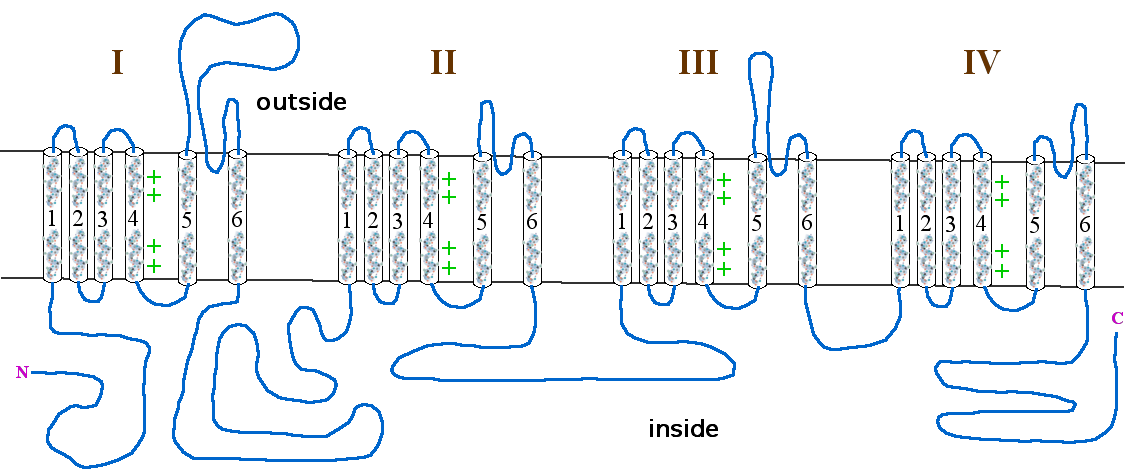
The incomplete form of X-linked congenital stationary night blindness (CSNB2) is caused by mutations in the CACNA1F gene, which encodes the voltage-gated calcium channel CaV1.4 expressed heavily in retina. One of the important properties of this channel is that it inactivates at an extremely low rate. This allows it to produce sustained Ca2+ entry upon depolarization. As photoreceptors depolarize in the absence of light, CaV1.4 channels operate to provide sustained neurotransmitter release upon depolarization. This has been demonstrated in CACNA1F mutant mice that have markedly reduced photoreceptor calcium signals. There are currently 55 mutations in CACNA1F located throughout the channel, Table 2 and Figure 1. While most of these mutations result in truncated and, likely, non-functional channels, it is expected that they prevent the ability of light to hyperpolarize photoreceptors. Of the mutations with known functional consequences, 4 produce channels that are either completely non-functional, and two that result in channels which open at far more hyperpolarized potentials than wild-type. This will result in photoreceptors that continue to release neurotransmitter even after light-induced hyperpolarization.
| Mutation | Position | Effect | References | Nucleotide | Amino Acid | c.C148T | R50X | c.151_155delAGAAA | R51PfsX115 | c.T220C | C74R | c.C244T | R82X | c.466_469delinsGTAGGGGTGCT | |||||||||||||||||||||||||||||||||||||||||||||||||||||||||||||||||||||||||||||||||||||||||||||||||||||||||
|---|---|---|---|---|---|---|---|---|---|---|---|---|---|---|---|---|---|---|---|---|---|---|---|---|---|---|---|---|---|---|---|---|---|---|---|---|---|---|---|---|---|---|---|---|---|---|---|---|---|---|---|---|---|---|---|---|---|---|---|---|---|---|---|---|---|---|---|---|---|---|---|---|---|---|---|---|---|---|---|---|---|---|---|---|---|---|---|---|---|---|---|---|---|---|---|---|---|---|---|---|---|---|---|---|---|---|---|---|---|---|---|---|---|---|---|---|---|---|---|
| CCACCCCGTAGGGGTGCTCCACC | S156VdelPinsGVKHOVGVLH | Splicing | c.T685C | S229P | c.G781A | G261R | c.G832T | E278X | c.904insG | R302AfsX314 | c.951_953delCTT | F318del | c.G1106A | G369D | c.1218delC | W407GfsX443 | c.C1315T | Q439X | c.G1556A | R519Q | c.C1873T | R625X | c.G2021A | G674D | c.C2071T | R691X | c.T2258G | F753C | c.T2267C | I756T | Splicing | c.T2579C | L860P | c.C2683T | R895X | Splicing | Splicing | c.C2783A | A928D | c.C2905T | R969X | c.C2914T | R972X | Splicing | c.C2932T | R978X | c.3006_3008delCAT | I1003del | c.G3052A | G1018R | c.3125delG | G1042AfsX1076 | c.3166insC | L1056PfsX1066 | c.C3178T | R1060W | c.T3236C | L1079P | c.3672delC | L1225SfsX1266 | c.3691_3702del | G1231_T1234del | c.G3794T | S1265I | c.C3886A | R1296S | c.C3895T | R1299X | Splicing | c.C4075T | Q1359X | c.T4124A | L1375H | Splicing | c.G4353A | W1451X | c.T4495C | C1499R | c.C4499G | P1500R | c.T4523C | L1508P | Splicing | c.4581delC | F1528LfsX1535 | c.A4804T | K1602X | c.C5479T | R1827X | c.5663delG | S1888TfsX1931 | c.G5789A | R1930H | ||||||||||||||||||||||||||
| N-terminus | vauthors = Boycott KM, Maybaum TA, Naylor MJ, Weleber RG, Robitaille J, Miyake Y, Bergen AA, Pierpont ME, Pearce WG, Bech-Hansen NT | display-authors = 6 | title = A summary of 20 CACNA1F mutations identified in 36 families with incomplete X-linked congenital stationary night blindness, and characterization of splice variants | journal = Human Genetics | volume = 108 | issue = 2 | pages = 91–97 | date = February 2001 | pmid = 11281458 | doi = 10.1007/s004390100461 | s2cid = 2844173 }} | ||||||||||||||||||||||||||||||||||||||||||||||||||||||||||||||||||||||||||||||||||||||||||||||||||||||||||||
| N-terminus | vauthors = Wutz K, Sauer C, Zrenner E, Lorenz B, Alitalo T, Broghammer M, Hergersberg M, de la Chapelle A, Weber BH, Wissinger B, Meindl A, Pusch CM | display-authors = 6 | title = Thirty distinct CACNA1F mutations in 33 families with incomplete type of XLCSNB and Cacna1f expression profiling in mouse retina | journal = European Journal of Human Genetics | volume = 10 | issue = 8 | pages = 449–456 | date = August 2002 | pmid = 12111638 | doi = 10.1038/sj.ejhg.5200828 | doi-access = free }} | ||||||||||||||||||||||||||||||||||||||||||||||||||||||||||||||||||||||||||||||||||||||||||||||||||||||||||||
| N-terminus | |||||||||||||||||||||||||||||||||||||||||||||||||||||||||||||||||||||||||||||||||||||||||||||||||||||||||||||||||||||||
| N-terminus | |||||||||||||||||||||||||||||||||||||||||||||||||||||||||||||||||||||||||||||||||||||||||||||||||||||||||||||||||||||||
| D1S2-3 | vauthors = Nakamura M, Ito S, Terasaki H, Miyake Y | title = Novel CACNA1F mutations in Japanese patients with incomplete congenital stationary night blindness | journal = Investigative Ophthalmology & Visual Science | volume = 42 | issue = 7 | pages = 1610–1616 | date = June 2001 | pmid = 11381068 }} | |||||||||||||||||||||||||||||||||||||||||||||||||||||||||||||||||||||||||||||||||||||||||||||||||||||||||||||||
| Intron 4 | |||||||||||||||||||||||||||||||||||||||||||||||||||||||||||||||||||||||||||||||||||||||||||||||||||||||||||||||||||||||
| D1S4-5 | |||||||||||||||||||||||||||||||||||||||||||||||||||||||||||||||||||||||||||||||||||||||||||||||||||||||||||||||||||||||
| D1-pore | |||||||||||||||||||||||||||||||||||||||||||||||||||||||||||||||||||||||||||||||||||||||||||||||||||||||||||||||||||||||
| D1-pore | vauthors = Allen LE, Zito I, Bradshaw K, Patel RJ, Bird AC, Fitzke F, Yates JR, Trump D, Hardcastle AJ, Moore AT | display-authors = 6 | title = Genotype-phenotype correlation in British families with X linked congenital stationary night blindness | journal = The British Journal of Ophthalmology | volume = 87 | issue = 11 | pages = 1413–1420 | date = November 2003 | pmid = 14609846 | pmc = 1771890 | doi = 10.1136/bjo.87.11.1413 }} | ||||||||||||||||||||||||||||||||||||||||||||||||||||||||||||||||||||||||||||||||||||||||||||||||||||||||||||
| D1-pore | |||||||||||||||||||||||||||||||||||||||||||||||||||||||||||||||||||||||||||||||||||||||||||||||||||||||||||||||||||||||
| D1-pore | |||||||||||||||||||||||||||||||||||||||||||||||||||||||||||||||||||||||||||||||||||||||||||||||||||||||||||||||||||||||
| D1S6 | Activates ~20mV more negative than wild-type, increases time to peak current and decreases inactivation, increased Ca2+ permeability. | vauthors = Hoda JC, Zaghetto F, Koschak A, Striessnig J | title = Congenital stationary night blindness type 2 mutations S229P, G369D, L1068P, and W1440X alter channel gating or functional expression of Ca(v)1.4 L-type Ca2+ channels | journal = The Journal of Neuroscience | volume = 25 | issue = 1 | pages = 252–259 | date = January 2005 | pmid = 15634789 | pmc = 6725195 | doi = 10.1523/JNEUROSCI.3054-04.2005 | doi-access = free }} | |||||||||||||||||||||||||||||||||||||||||||||||||||||||||||||||||||||||||||||||||||||||||||||||||||||||||||
| D1-2 | |||||||||||||||||||||||||||||||||||||||||||||||||||||||||||||||||||||||||||||||||||||||||||||||||||||||||||||||||||||||
| D1-2 | |||||||||||||||||||||||||||||||||||||||||||||||||||||||||||||||||||||||||||||||||||||||||||||||||||||||||||||||||||||||
| D1-2 | Decreased expression | vauthors = Hoda JC, Zaghetto F, Singh A, Koschak A, Striessnig J | title = Effects of congenital stationary night blindness type 2 mutations R508Q and L1364H on Cav1.4 L-type Ca2+ channel function and expression | journal = Journal of Neurochemistry | volume = 96 | issue = 6 | pages = 1648–1658 | date = March 2006 | pmid = 16476079 | doi = 10.1111/j.1471-4159.2006.03678.x | s2cid = 25987619 }} | ||||||||||||||||||||||||||||||||||||||||||||||||||||||||||||||||||||||||||||||||||||||||||||||||||||||||||||
| D2S4 | |||||||||||||||||||||||||||||||||||||||||||||||||||||||||||||||||||||||||||||||||||||||||||||||||||||||||||||||||||||||
| D2S5 | |||||||||||||||||||||||||||||||||||||||||||||||||||||||||||||||||||||||||||||||||||||||||||||||||||||||||||||||||||||||
| D2-pore | |||||||||||||||||||||||||||||||||||||||||||||||||||||||||||||||||||||||||||||||||||||||||||||||||||||||||||||||||||||||
| D2S6 | |||||||||||||||||||||||||||||||||||||||||||||||||||||||||||||||||||||||||||||||||||||||||||||||||||||||||||||||||||||||
| D2S6 | Activates ~35mV more negative than wild-type, inactivates more slowly | vauthors = Hemara-Wahanui A, Berjukow S, Hope CI, Dearden PK, Wu SB, Wilson-Wheeler J, Sharp DM, Lundon-Treweek P, Clover GM, Hoda JC, Striessnig J, Marksteiner R, Hering S, Maw MA | display-authors = 6 | title = A CACNA1F mutation identified in an X-linked retinal disorder shifts the voltage dependence of Cav1.4 channel activation | journal = Proceedings of the National Academy of Sciences of the United States of America | volume = 102 | issue = 21 | pages = 7553–7558 | date = May 2005 | pmid = 15897456 | pmc = 1140436 | doi = 10.1073/pnas.0501907102 | doi-access = free | bibcode = 2005PNAS..102.7553H }} | |||||||||||||||||||||||||||||||||||||||||||||||||||||||||||||||||||||||||||||||||||||||||||||||||||||||||
| Intron 19 | |||||||||||||||||||||||||||||||||||||||||||||||||||||||||||||||||||||||||||||||||||||||||||||||||||||||||||||||||||||||
| D2-3 | |||||||||||||||||||||||||||||||||||||||||||||||||||||||||||||||||||||||||||||||||||||||||||||||||||||||||||||||||||||||
| D3S1-2 | |||||||||||||||||||||||||||||||||||||||||||||||||||||||||||||||||||||||||||||||||||||||||||||||||||||||||||||||||||||||
| Intron 22 | |||||||||||||||||||||||||||||||||||||||||||||||||||||||||||||||||||||||||||||||||||||||||||||||||||||||||||||||||||||||
| Intron 22 | |||||||||||||||||||||||||||||||||||||||||||||||||||||||||||||||||||||||||||||||||||||||||||||||||||||||||||||||||||||||
| D3S2-3 | |||||||||||||||||||||||||||||||||||||||||||||||||||||||||||||||||||||||||||||||||||||||||||||||||||||||||||||||||||||||
| D3S4 | |||||||||||||||||||||||||||||||||||||||||||||||||||||||||||||||||||||||||||||||||||||||||||||||||||||||||||||||||||||||
| D3S4 | |||||||||||||||||||||||||||||||||||||||||||||||||||||||||||||||||||||||||||||||||||||||||||||||||||||||||||||||||||||||
| Intron24 | |||||||||||||||||||||||||||||||||||||||||||||||||||||||||||||||||||||||||||||||||||||||||||||||||||||||||||||||||||||||
| D3S4 | |||||||||||||||||||||||||||||||||||||||||||||||||||||||||||||||||||||||||||||||||||||||||||||||||||||||||||||||||||||||
| D3S4-5 | |||||||||||||||||||||||||||||||||||||||||||||||||||||||||||||||||||||||||||||||||||||||||||||||||||||||||||||||||||||||
| D3S5 | |||||||||||||||||||||||||||||||||||||||||||||||||||||||||||||||||||||||||||||||||||||||||||||||||||||||||||||||||||||||
| D3-pore | |||||||||||||||||||||||||||||||||||||||||||||||||||||||||||||||||||||||||||||||||||||||||||||||||||||||||||||||||||||||
| D3-pore | |||||||||||||||||||||||||||||||||||||||||||||||||||||||||||||||||||||||||||||||||||||||||||||||||||||||||||||||||||||||
| D3-pore | |||||||||||||||||||||||||||||||||||||||||||||||||||||||||||||||||||||||||||||||||||||||||||||||||||||||||||||||||||||||
| D3-pore | Does not open without BayK, activates ~5mV more negative than wild-type | ||||||||||||||||||||||||||||||||||||||||||||||||||||||||||||||||||||||||||||||||||||||||||||||||||||||||||||||||||||||
| D4S2 | |||||||||||||||||||||||||||||||||||||||||||||||||||||||||||||||||||||||||||||||||||||||||||||||||||||||||||||||||||||||
| D4S2 | |||||||||||||||||||||||||||||||||||||||||||||||||||||||||||||||||||||||||||||||||||||||||||||||||||||||||||||||||||||||
| D4S3 | |||||||||||||||||||||||||||||||||||||||||||||||||||||||||||||||||||||||||||||||||||||||||||||||||||||||||||||||||||||||
| D4S4 | |||||||||||||||||||||||||||||||||||||||||||||||||||||||||||||||||||||||||||||||||||||||||||||||||||||||||||||||||||||||
| D4S4 | |||||||||||||||||||||||||||||||||||||||||||||||||||||||||||||||||||||||||||||||||||||||||||||||||||||||||||||||||||||||
| Intron 32 | |||||||||||||||||||||||||||||||||||||||||||||||||||||||||||||||||||||||||||||||||||||||||||||||||||||||||||||||||||||||
| D4-pore | |||||||||||||||||||||||||||||||||||||||||||||||||||||||||||||||||||||||||||||||||||||||||||||||||||||||||||||||||||||||
| D4-pore | Decreased expression | ||||||||||||||||||||||||||||||||||||||||||||||||||||||||||||||||||||||||||||||||||||||||||||||||||||||||||||||||||||||
| Intron 35 | |||||||||||||||||||||||||||||||||||||||||||||||||||||||||||||||||||||||||||||||||||||||||||||||||||||||||||||||||||||||
| C-terminus | Non-functional | ||||||||||||||||||||||||||||||||||||||||||||||||||||||||||||||||||||||||||||||||||||||||||||||||||||||||||||||||||||||
| C-terminus | |||||||||||||||||||||||||||||||||||||||||||||||||||||||||||||||||||||||||||||||||||||||||||||||||||||||||||||||||||||||
| C-terminus | |||||||||||||||||||||||||||||||||||||||||||||||||||||||||||||||||||||||||||||||||||||||||||||||||||||||||||||||||||||||
| C-terminus | |||||||||||||||||||||||||||||||||||||||||||||||||||||||||||||||||||||||||||||||||||||||||||||||||||||||||||||||||||||||
| intron 40 | |||||||||||||||||||||||||||||||||||||||||||||||||||||||||||||||||||||||||||||||||||||||||||||||||||||||||||||||||||||||
| C-terminus | vauthors = Jacobi FK, Hamel CP, Arnaud B, Blin N, Broghammer M, Jacobi PC, Apfelstedt-Sylla E, Pusch CM | display-authors = 6 | title = A novel CACNA1F mutation in a french family with the incomplete type of X-linked congenital stationary night blindness | journal = American Journal of Ophthalmology | volume = 135 | issue = 5 | pages = 733–736 | date = May 2003 | pmid = 12719097 | doi = 10.1016/S0002-9394(02)02109-8 }} | |||||||||||||||||||||||||||||||||||||||||||||||||||||||||||||||||||||||||||||||||||||||||||||||||||||||||||||
| C-terminus | |||||||||||||||||||||||||||||||||||||||||||||||||||||||||||||||||||||||||||||||||||||||||||||||||||||||||||||||||||||||
| C-terminus | |||||||||||||||||||||||||||||||||||||||||||||||||||||||||||||||||||||||||||||||||||||||||||||||||||||||||||||||||||||||
| C-terminus | |||||||||||||||||||||||||||||||||||||||||||||||||||||||||||||||||||||||||||||||||||||||||||||||||||||||||||||||||||||||
| C-terminus |
Diagnosis
Night blindness is a symptom in many patients and diagnosis often occurs through the use of various tests including a electroretinogram to reveal any impairment in the retina "as a whole". Tests performed can also include a visual field examination, Fundoscopic examination, and slit-lamp microscopy in addition to measurements provided by the electroretinogram (ERG).
Footnotes
References
- (2024-03-15). "Compound heterozygous mutations in GRM6 causing complete Schubert-Bornschein type congenital stationary night blindness". Heliyon.
- (2015-03-01). "Congenital stationary night blindness: An analysis and update of genotype–phenotype correlations and pathogenic mechanisms". Progress in Retinal and Eye Research.
- (2013-10-22). "Evidence for a retroviral insertion in TRPM1 as the cause of congenital stationary night blindness and leopard complex spotting in the horse". PLOS ONE.
- (March 2021). "Whole-genome sequencing identifies missense mutation in GRM6 as the likely cause of congenital stationary night blindness in a Tennessee Walking Horse". Equine Veterinary Journal.
- (October 2019). "Genome-wide association study and whole-genome sequencing identify a deletion in LRIT3 associated with canine congenital stationary night blindness". Scientific Reports.
- "Appaloosa Panel 2 {{!}} Veterinary Genetics Laboratory".
- "Congenital Stationary Night Blindness (CSNB2) in Tennessee Walking Horses {{!}} Veterinary Genetics Laboratory".
- (April 1998). "Evidence for genetic heterogeneity in X-linked congenital stationary night blindness". American Journal of Human Genetics.
- (March 2015). "Congenital stationary night blindness: an analysis and update of genotype-phenotype correlations and pathogenic mechanisms". Progress in Retinal and Eye Research.
- (August 2014). "Retinal bipolar cells: elementary building blocks of vision". Nature Reviews. Neuroscience.
- (November 2014). "Wiring patterns in the mouse retina: collecting evidence across the connectome, physiology and light microscopy". The Journal of Physiology.
- (2008). "The negative ERG: clinical phenotypes and disease mechanisms of inner retinal dysfunction". Survey of Ophthalmology.
- (September 2002). "The eye photoreceptor protein rhodopsin. Structural implications for retinal disease". FEBS Letters.
- (February 1994). "Rhodopsin mutation G90D and a molecular mechanism for congenital night blindness". Nature.
- N. al-Jandal, G.J. Farrar, A.S. Kiang, M.M. Humphries, N. Bannon, J.B. Findlay, P. Humphries and P.F. Kenna Hum. Mutat. 13 (1999), pp. 75–81.
- (July 1993). "Heterozygous missense mutation in the rhodopsin gene as a cause of congenital stationary night blindness". Nature Genetics.
- (January 1995). "Dark-light: model for nightblindness from the human rhodopsin Gly-90→Asp mutation". Proceedings of the National Academy of Sciences of the United States of America.
- (November 2000). "Mutations in NYX, encoding the leucine-rich proteoglycan nyctalopin, cause X-linked complete congenital stationary night blindness". Nature Genetics.
- (November 2000). "The complete form of X-linked congenital stationary night blindness is caused by mutations in a gene encoding a leucine-rich repeat protein". Nature Genetics.
- (January 2003). "Identification of the gene and the mutation responsible for the mouse nob phenotype". Investigative Ophthalmology & Visual Science.
- (February 2003). "Mutations in the CACNA1F and NYX genes in British CSNBX families". Human Mutation.
- (March 2005). "Novel mutations in CACNA1F and NYX in Dutch families with X-linked congenital stationary night blindness". Molecular Vision.
- (2006). "CSNB1 in Chinese families associated with novel mutations in NYX". Journal of Human Genetics.
- (July 1998). "An L-type calcium-channel gene mutated in incomplete X-linked congenital stationary night blindness". Nature Genetics.
- (July 1998). "Loss-of-function mutations in a calcium-channel alpha1-subunit gene in Xp11.23 cause incomplete X-linked congenital stationary night blindness". Nature Genetics.
- (February 2004). "The CACNA1F gene encodes an L-type calcium channel with unique biophysical properties and tissue distribution". The Journal of Neuroscience.
- (October 2005). "Mutation of the calcium channel gene Cacna1f disrupts calcium signaling, synaptic transmission and cellular organization in mouse retina". Human Molecular Genetics.
- (February 2001). "A summary of 20 CACNA1F mutations identified in 36 families with incomplete X-linked congenital stationary night blindness, and characterization of splice variants". Human Genetics.
- (August 2002). "Thirty distinct CACNA1F mutations in 33 families with incomplete type of XLCSNB and Cacna1f expression profiling in mouse retina". European Journal of Human Genetics.
- (June 2001). "Novel CACNA1F mutations in Japanese patients with incomplete congenital stationary night blindness". Investigative Ophthalmology & Visual Science.
- (July 2003). "Retinal and optic disc atrophy associated with a CACNA1F mutation in a Japanese family". Archives of Ophthalmology.
- (November 2003). "Genotype-phenotype correlation in British families with X linked congenital stationary night blindness". The British Journal of Ophthalmology.
- (January 2005). "Congenital stationary night blindness type 2 mutations S229P, G369D, L1068P, and W1440X alter channel gating or functional expression of Ca(v)1.4 L-type Ca2+ channels". The Journal of Neuroscience.
- (March 2006). "Effects of congenital stationary night blindness type 2 mutations R508Q and L1364H on Cav1.4 L-type Ca2+ channel function and expression". Journal of Neurochemistry.
- (May 2005). "A CACNA1F mutation identified in an X-linked retinal disorder shifts the voltage dependence of Cav1.4 channel activation". Proceedings of the National Academy of Sciences of the United States of America.
- (May 2003). "A novel CACNA1F mutation in a french family with the incomplete type of X-linked congenital stationary night blindness". American Journal of Ophthalmology.
- Riggs, Lorrin A.. (1954-07-01). "Electroretinography in Cases of Night Blindness*". American Journal of Ophthalmology.
- (2017). "Inherited retinal disorders". Elsevier.
- Henderson, Robert H.. (2020-01-01). "Inherited retinal dystrophies". Paediatrics and Child Health.
- (2024-03-15). "Compound heterozygous mutations in GRM6 causing complete Schubert-Bornschein type congenital stationary night blindness". Heliyon.
- (2010-03-18). "Beitrag zur Analyse des menschlichen Elektroretinogramms". Ophthalmologica.
- Riggs, Lorrin A.. (1954-07-01). "Electroretinography in Cases of Night Blindness*". American Journal of Ophthalmology.
This article was imported from Wikipedia and is available under the Creative Commons Attribution-ShareAlike 4.0 License. Content has been adapted to SurfDoc format. Original contributors can be found on the article history page.
Ask Mako anything about Congenital stationary night blindness — get instant answers, deeper analysis, and related topics.
Research with MakoFree with your Surf account
Create a free account to save articles, ask Mako questions, and organize your research.
Sign up freeThis content may have been generated or modified by AI. CloudSurf Software LLC is not responsible for the accuracy, completeness, or reliability of AI-generated content. Always verify important information from primary sources.
Report