From Surf Wiki (app.surf) — the open knowledge base
Coin weights
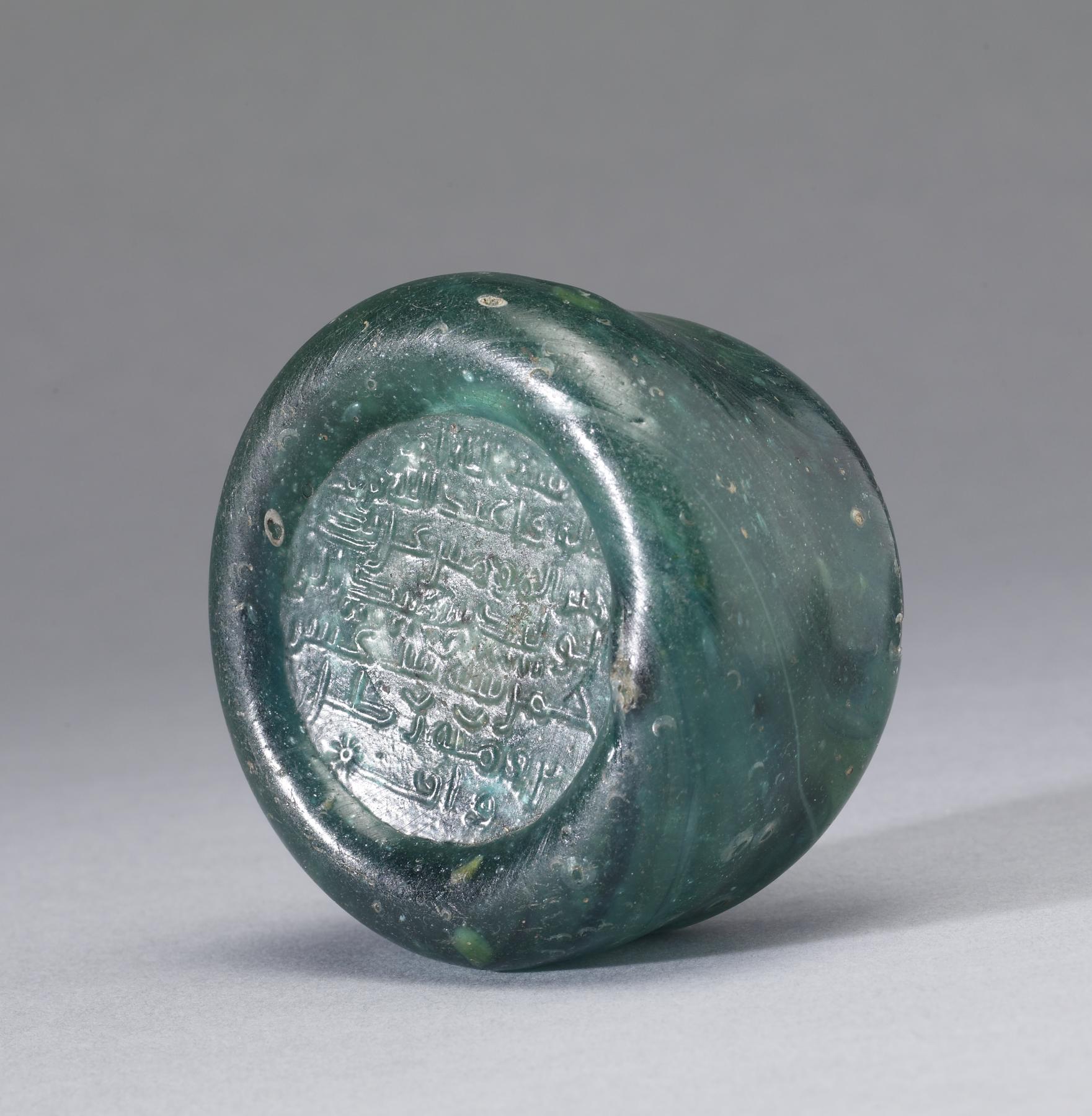
Coin weights are weights used to weigh precious-metal coins in order to assure they were not underweight (It is easy to shave a bit of metal off the edge of a silver or gold coin).
The usage of coin weights, especially glass ones, goes back to Ptolemaic and Byzantine times. Coin weights were also known in Ancient China.
In Islamic civilization, they are called Sanadjāt. Up to that point coins were only compared to coins of good quality. Islamic coin weights were made of bronze, iron, and later glass (considered to be unalterable). They bear inscriptions related to Islamic rulers and moneyers and are therefore valuable epigraphical objects.
Coins weights were also known in the Carolingian Empire, where they were stamped with regular coin dyes to clarify their attribution. Islamic coin weights were introduced to Great Britain in the 9-10th century CE through the Vikings.
Notes
References
- Arnold, T.W.. (1987). "E.J. Brill's first encyclopaedia of Islam, 1913-1936". [[Brill (publisher).
- Scheidel, Walter. (5 February 2009). "Rome and China: Comparative Perspectives on Ancient World Empires". [[Oxford University Press]].
- Coupland, Simon. (2007). "Carolingian Coinage and the Vikings: Studies on Power and Trade in the 9th Century". [[Ashgate Publishing, Ltd.]].
- "Department of Coins and Medals". [[Trustees of the British Museum]].
This article was imported from Wikipedia and is available under the Creative Commons Attribution-ShareAlike 4.0 License. Content has been adapted to SurfDoc format. Original contributors can be found on the article history page.
Ask Mako anything about Coin weights — get instant answers, deeper analysis, and related topics.
Research with MakoFree with your Surf account
Create a free account to save articles, ask Mako questions, and organize your research.
Sign up freeThis content may have been generated or modified by AI. CloudSurf Software LLC is not responsible for the accuracy, completeness, or reliability of AI-generated content. Always verify important information from primary sources.
Report