From Surf Wiki (app.surf) — the open knowledge base
Cerebrospinal fluid rhinorrhoea
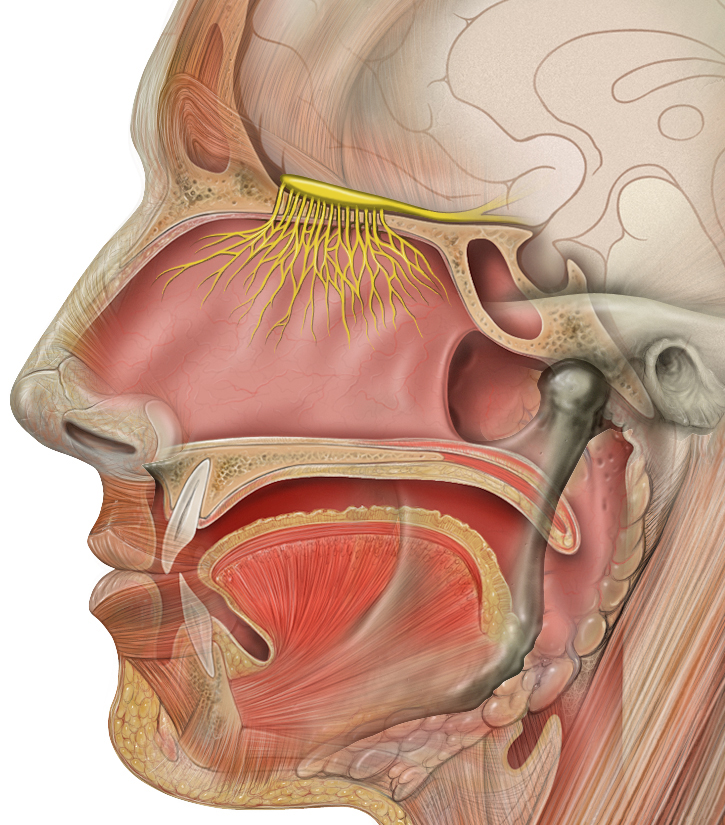
| Field | Value |
|---|---|
| name | Cerebrospinal fluid rhinorrhoea |
| field | neurology, neurosurgery, otorhinolaryngology,Oral and maxillofacial surgery |
| symptoms | clear, colourless liquid draining from nose |
| complications | infection |
| causes | basilar skull fracture |
| diagnosis | brain scans, testing nasal discharge to see if it is CSF |
| differential | other types of rhinorrhoea |
| treatment | conservative management: observation |
neurosurgery: repairing any skull fracture
Cerebrospinal fluid rhinorrhoea (CSF rhinorrhoea) refers to the drainage of cerebrospinal fluid through the nose (rhinorrhoea). It is typically caused by a basilar skull fracture, which presents complications such as infection. It may be diagnosed using brain scans (prompted based on initial symptoms), and by testing to see if discharge from the nose is cerebrospinal fluid. Treatment may be conservative (as many cases resolve spontaneously), but usually involves neurosurgery.
Classification
CSF rhinorrhoea may be spontaneous, traumatic, or congenital.
Traumatic CSF rhinorrhoea is the most common type of CSF rhinorrhoea. It may be due to severe head injury, or from complications from neurosurgery.
Spontaneous CSF rhinorrhoea is the most common acquired defect in the skull base bones (anterior cranial fossa) causing spontaneous nasal liquorrhea. Defects are often localized in the sphenoid bone and the ethmoid bone.
Congenital CSF rhinorrhoea is the least common type of CSF rhinorrhoea. It may be caused by problems in the embryological development of bones of the skull.
Signs and symptoms
CSF rhinorrhoea involves drainage of cerebrospinal fluid through the nose. This appears as a clear, colourless liquid.
- Aldroubi sign "The liquid in CSF rhinorrhea is thin and clear, and an affected person might notice a sweet or salty taste due to the increased glucose and electrolytes present in cerebrospinal fluid so some affected toddlers and young children tend to lick their nose frequently".
Causes
Traumatic
CSF rhinorrhoea may be a sign of a basilar skull fracture. Other signs of a basilar skull fracture include CSF otorrhea (drainage of CSF through the ear). It can have devastating complications in some patients, as the communication between the nasal cavity, the cerebrospinal fluid and the central nervous system can result in severe bacterial infections.
CSF rhinorrhoea may be a complication of neurosurgery, such as functional endoscopic sinus surgery, and hypophysectomy (partial or complete removal of the pituitary gland).
Non-traumatic
CSF rhinorrhoea may be caused by the growth of certain cancers (such as pituitary adenoma), congenital problems with bones of the skull, or inflammation that damages the bones of the skull.
Diagnosis
Radiology
If a patient has clear, colourless liquid leaking from the nose, then radiographs or CT scans may be used to look for a basilar skull fracture.
Biochemistry
Measures of CSF components, such as glucose, have been used in the past, but are neither sensitive nor specific. Beta-2 transferrin has a high positive predictive value of CSF rhinorrhoea. It has also been noted to be characterized by unilateral discharge.
Treatment
Surgery
Neurosurgery is usually necessary to prevent the spread of infection to the meninges. Minimally invasive techniques tend to have fewer complications compared to open techniques.
Conservative management
Conservative management includes watchful waiting, as some minor CSF leaks often stop spontaneously.
References
References
- Banks, Caroline A.. (2009-06-01). "Endoscopic closure of CSF rhinorrhea: 193 cases over 21 years". Otolaryngology–Head and Neck Surgery.
- (28 November 2023). "CSF Otorrhea: Practice Essentials, Epidemiology, Etiology".
- {{EMedicine. article. 861126. CSF Rhinorrhea
- (2005). "Cerebrospinal Fluid Rhinorrhea: Diagnosis and Management". Otolaryngologic Clinics of North America.
This article was imported from Wikipedia and is available under the Creative Commons Attribution-ShareAlike 4.0 License. Content has been adapted to SurfDoc format. Original contributors can be found on the article history page.
Ask Mako anything about Cerebrospinal fluid rhinorrhoea — get instant answers, deeper analysis, and related topics.
Research with MakoFree with your Surf account
Create a free account to save articles, ask Mako questions, and organize your research.
Sign up freeThis content may have been generated or modified by AI. CloudSurf Software LLC is not responsible for the accuracy, completeness, or reliability of AI-generated content. Always verify important information from primary sources.
Report