From Surf Wiki (app.surf) — the open knowledge base
Centenionalis
Late antique Roman coin
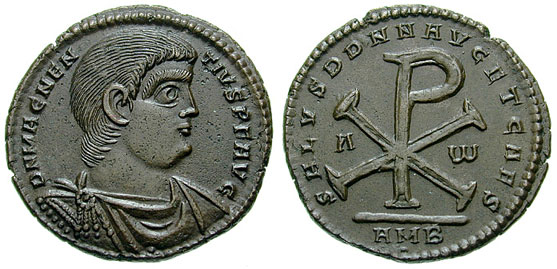
Late antique Roman coin
The bronze centenionalis coins (plural: centenionales) were the attempts of Constans and Constantius II to reintroduce a large bronze coin between 320 and 340 AD, as the follis had by then shrunk dramatically. The type of coin it was is uncertain, but numismatists have categorized large bronze coins of the above date under this denomination. The centenionalis, however, did not last long. By the end of Theodosius the Great's rule, only smaller varieties of bronze coins were minted (AE3 and AE4).
References
References
- [http://www.deadromans.com/coins/default.htm#Common%20Denominations/ Denominations of Roman coins]
This article was imported from Wikipedia and is available under the Creative Commons Attribution-ShareAlike 4.0 License. Content has been adapted to SurfDoc format. Original contributors can be found on the article history page.
Ask Mako anything about Centenionalis — get instant answers, deeper analysis, and related topics.
Research with MakoFree with your Surf account
Create a free account to save articles, ask Mako questions, and organize your research.
Sign up freeThis content may have been generated or modified by AI. CloudSurf Software LLC is not responsible for the accuracy, completeness, or reliability of AI-generated content. Always verify important information from primary sources.
Report