From Surf Wiki (app.surf) — the open knowledge base
Carbohydrate intolerance
Inability of the body to digest specific carbohydrates
Inability of the body to digest specific carbohydrates

Carbohydrate intolerance is the inability of the body to digest specific carbohydrates because of the lack or disfunction of one or more intestinal enzymes. There are different types of carbohydrate intolerance, which are grouped by malabsorption (impaired absorption) or maldigestion (impaired digestion). Common examples include lactose intolerance (lack of enzyme lactase), fructose malabsorption (lack of sufficient fructose transporters, specifically GLUT5), and sorbitol intolerance (poor intestinal absorption of sorbitol). Other types include sucrase-isomaltase deficiency (sucrose intolerance), and rare metabolic disorders, such as glucose-galactose malabsorption (poor intestinal absorption of glucose and galactose), and glycogen storage diseases (inability to store or use glycogen).
Carbohydrate intolerance is one of several diseases known as malabsorption syndromes. These syndromes include small intestinal bacterial overgrowth (SIBO), coeliac disease, intestinal lymphangiectasia, short bowel syndrome, tropical sprue and some inherited metabolic disorders such as galactosaemia and pyruvate kinase deficiency.
Carbohydrate intolerance is caused by acquired conditions or a genetic predisposition. Symptoms are mainly gastrointestinal, including abdominal pain, cramping, bloating, flatulence, and diarrhea. Other symptoms may include nausea, fatigue, and heartburn. These symptoms occur because the body is unable to digest certain carbohydrates, which then get fermented by gut bacteria, producing gas and other discomfort.
Diagnosis includes hydrogen breath tests, and sometimes genetic testing, as well as a careful clinical history and symptom assessment. The main aim is to find the specific carbohydrate that causes malabsorption or maldigestion. The treatment focuses on the limiting of this carbohydrate, usually by using specific diet that avoids or reduces certain foods. Enzyme supplements (like lactase for lactose intolerance) can also help. For conditions such as prediabetes, type 2 diabetes, and obesity that are associated with carbohydrate intolerance, lifestyle changes like a low-carb diet, exercise, and stress management can result in significant improvements.
Pathophysiology


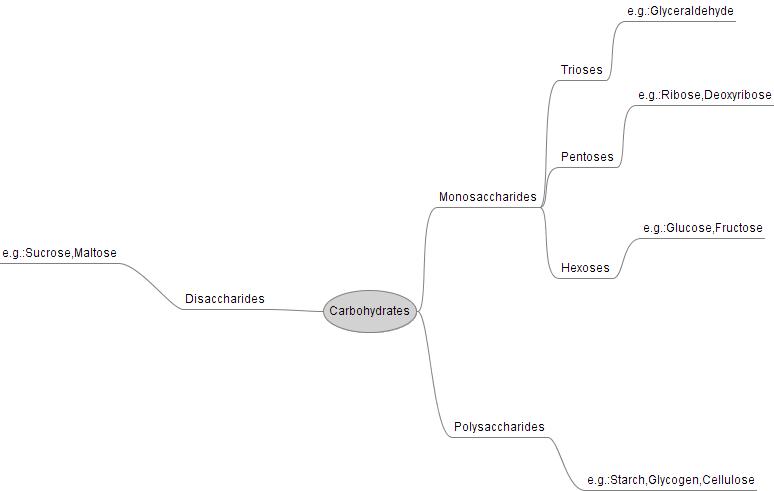
Carbohydrates are normally split into disaccharides, which are further broken down in the small intestine into monosaccharides by enzymes called disaccharidases (eg, lactase, maltase, isomaltase, sucrase [invertase]). These enzymes are located at the brush border of small intestine enterocytes. In the carbohydrate intolerance this normal function is impaired, leading to carbohydrate malabsorption/maldigestion and subsequent fermentation by gut microbiota in the large intestine. This fermentation produces gas (hydrogen, CO2, methane) and short-chain fatty acids, producing symptoms such as bloating, gas and diarrhea. Undigested carbohydrates also produce an osmotic load that attracts water and electrolytes into the intestine, causing watery diarrhea.
References
References
- (2025-09-10). "Carbohydrate {{!}} Definition, Classification, & Examples {{!}} Britannica".
- "Carbohydrate Intolerance - Gastrointestinal Disorders".
- (2016-03-10). "Diagnosing and Treating Intolerance to Carbohydrates in Children". Nutrients.
- Burke, Matthew. (2019). "Carbohydrate Intolerance and Disaccharidase Measurement - a Mini-Review". The Clinical Biochemist. Reviews.
- "Carbohydrate Maldigestion and Intolerance".
- (2025-04-01). "Demystifying Carbohydrate Maldigestion: A Clinical Review". The American Journal of Gastroenterology.
- (2004). "Encyclopedia of Gastroenterology".
- Burke, Matthew. (2019). "Carbohydrate Intolerance and Disaccharidase Measurement - a Mini-Review". The Clinical Biochemist. Reviews.
- (2016-03-10). "Diagnosing and Treating Intolerance to Carbohydrates in Children". Nutrients.
- "What is carbohydrate malabsorption? {{!}} Nicklaus Children's Hospital".
- (2011-01-01). "7 - Chronic Abdominal Pain of Childhood and Adolescence". W.B. Saunders.
This article was imported from Wikipedia and is available under the Creative Commons Attribution-ShareAlike 4.0 License. Content has been adapted to SurfDoc format. Original contributors can be found on the article history page.
Ask Mako anything about Carbohydrate intolerance — get instant answers, deeper analysis, and related topics.
Research with MakoFree with your Surf account
Create a free account to save articles, ask Mako questions, and organize your research.
Sign up freeThis content may have been generated or modified by AI. CloudSurf Software LLC is not responsible for the accuracy, completeness, or reliability of AI-generated content. Always verify important information from primary sources.
Report