From Surf Wiki (app.surf) — the open knowledge base
Cap
Headgear

Headgear
A cap is a flat headgear. They made their first appearance as early as 3200 BC. The origin of the word "cap" comes from the Old French word "chapeau" which means "head covering". Over time, the word has evolved and changed its meaning, but it still retains its association with headwear. They are popular in casual and informal settings, and are seen in sports and fashion. They are typically designed for warmth, and often incorporate a visor to block sunlight from the eyes. They come in many shapes, sizes, and are of different brands. Baseball caps are one of the most common types of cap.
Types
.jpg)
- Ascot cap
- Ayam
- Baggy green
- Balmoral
- Beanie (North America)
- Bearskin
- Beret
- Biretta
- Busby
- Canterbury cap
- Cap and bells
- Cap of maintenance
- Casquette
- Caubeen
- Caul
- Coif
- Combination cap (also known as a service cap)
- Coppola
- Cricket cap
- Deerstalker
- Do-rag
- Dutch cap
- Dixie cup, an enlisted sailor's cap, also worn by first-year midshipmen at Annapolis
- Fez
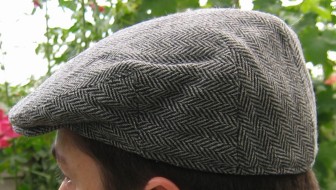
- Flat cap (also known as a Kerry cap in Ireland (slang of Paddy cap—see also Caubeen), longshoreman's cap, scally cap, Wigens cap, ivy cap, golf cap, duffer cap, driving cap, bicycle cap, Jeff cap, or in Scotland, bunnet, or in Wales, Dai cap, or in England or New Zealand, cheese-cutter)
- Forage cap
- Gandhi cap
- Garrison cap
- Glengarry
- Greek fisherman's cap (also known as a Breton cap or a fiddler's cap)
- Juliet cap
- Kalpak, a traditional Turkic cap
- Karakul
- Kepi
- Kippah (also known as yarmulke or skull cap)—worn by Jewish males
- Knit cap (also known as a Tuque, stocking cap, wool cap, watch cap, ski cap, bobble hat)
- Kufi (also known as a kofia; an African cap worn with a dashiki)
- Lika cap
- M43 field cap, commonly used during World War II
- Guapi mao
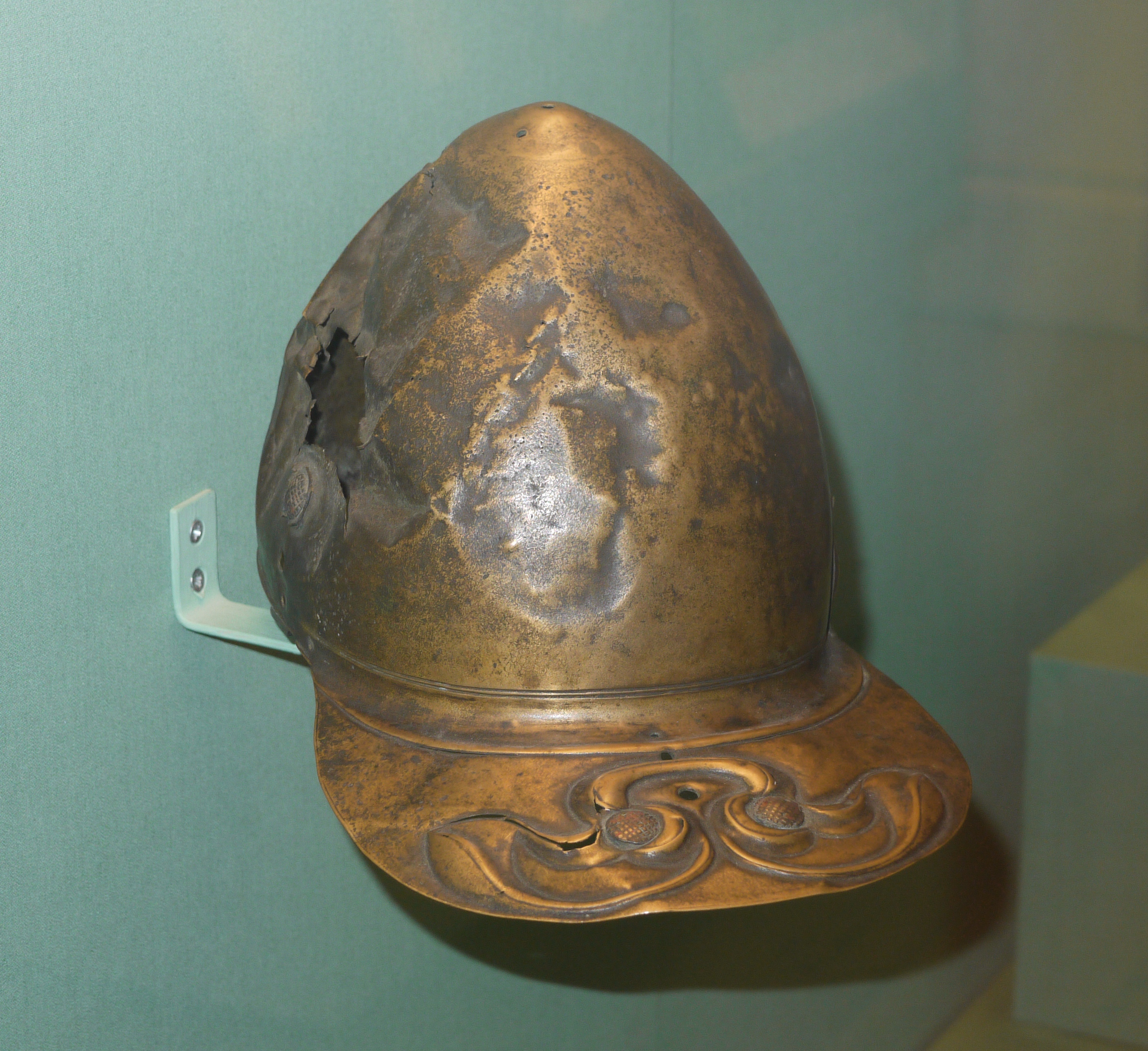
- Meyrick Helmet, a bronze Iron Age helmet originated in Britain, featuring a Roman-style shape with a peaked neck guard.
- Miter
- Monmouth cap, worn by most soldiers between the 15th & 18th centuries.
- Newsboy cap
- Nightcap
- Nurse cap
- Ochipok
- Pakol
- Papakhi
- Patrol cap
- Peaked cap
- Phrygian cap, generally symbolizes liberty, freedom, and revolution.
- Propeller cap, represented aspiration, the desire to fly, and resembled the science fiction fandom.
- Rastacap
- Sailor cap
- Shako
- Shower cap
- Sindhi cap
- Sports visor
- Square academic cap
- Stormy Kromer cap
- Swim cap
- Tam o' Shanter
- Taqiyah, worn by Muslim males
- Toque
- Tubeteika
- Turban
- Ushanka
- Utility cover
- Zucchetto
Baseball caps
- Baseball cap
- Fitted cap
- Snapback
- Trucker hat
Present day depictions of caps
Caps might have started off as a way to keep people shaded from the sun, but now they are much more than that. Caps have been made a staple in both the sports and fashion industries, one leading into the other.
Sports
As stated earlier, caps are typically designed with a visor which makes it perfect for keeping a person cool from the heat and sheltering a person's eyes from the sun, so it was a matter of time before they made it to the sports industry. The first sport to adopt wearing caps was baseball, the hats were made out of straw and were worn on April 24, 1849, by the New York Knickerbockers. However, within a few years time the team began to wear a cap made of fine merino wool, that featured a crown and an attached visor. This design became the prototype for caps of that time and still the most popular in present day. It's also not the only design for baseball hats but other sports as well, such as cricket, golf and tennis.
Fashion
Sportswear found its way to fashion in the nineteenth century and on the contrary to what many believe it began to actually cater to the wants and needs of women. Sports cap however made an impact on the fashion industry around the 1980s when the company New Era, who had been designing hats for sports teams, began designing and selling hats to the general public. Baseball caps, fitted caps, snapback caps and truckers hats would then be seen in music videos, films, runways and even on Princess Diana's head, which helped nurture her appearance as the "people's princess." Along with hats, sports jerseys also became available in the 1980s as well, and now licensed apparel is a multi-billion dollar industry.
Gallery
File:Cap MET 26.231.8.jpg|Italian cap, c. 17th century. Metropolitan Museum of Art. File:Train engineer hat-2.png|Alaska Railroad cap
References
References
- (28 March 2017). "Who Invented The Hat? - Amazing Hat History".
- (2019-07-26). "Cap vs. Hat: Differentiating the Meaning of Different Headgear".
- "Baseball Hat & Cap History".
- "Cap, Italian, 17th century". [[Metropolitan Museum of Art]] website.
This article was imported from Wikipedia and is available under the Creative Commons Attribution-ShareAlike 4.0 License. Content has been adapted to SurfDoc format. Original contributors can be found on the article history page.
Ask Mako anything about Cap — get instant answers, deeper analysis, and related topics.
Research with MakoFree with your Surf account
Create a free account to save articles, ask Mako questions, and organize your research.
Sign up freeThis content may have been generated or modified by AI. CloudSurf Software LLC is not responsible for the accuracy, completeness, or reliability of AI-generated content. Always verify important information from primary sources.
Report