From Surf Wiki (app.surf) — the open knowledge base
Caffeine
Central nervous system stimulant

Central nervous system stimulant
| Field | Value | |
|---|---|---|
| image | Caffeine structure.svg | |
| image_class | skin-invert-image | |
| width | 187 | |
| alt | 2D structure of caffeine | |
| image_class2 | bg-transparent | |
| alt2 | 3D structure of caffeine | |
| imageL | Caffeine molecule ball from xtal (1).png | |
| image_classL | bg-transparent | |
| imageR | Caffeine molecule spacefill from xtal (1).png | |
| image_classR | bg-transparent | |
| pronounce | ||
| Drugs.com | ||
| DailyMedID | Caffeine | |
| pregnancy_AU | A | |
| dependency_liability | Physical: Low–moderate (9–30%) | |
| Psychological: Low–moderate<ref name | "pmid15448977" / | |
| addiction_liability | Low (9%) | |
| routes_of_administration | Common: By mouth Medical: Intravenous | |
| Uncommon: Insufflation, rectal, transdermal, topical, buccal, sublingual | ||
| class | Stimulant; | |
| Adenosinergic; | ||
| Eugeroic; | ||
| Nootropic; | ||
| Anxiogenic; | ||
| Analeptic; | ||
| PDE inhibitor; | ||
| Diuretic | ||
| ATC_prefix | N06B | |
| ATC_suffix | C01 | |
| ATC_supplemental | , | |
| <!-- Legal status --> | legal_AU | Unscheduled |
| legal_BR | Unscheduled | |
| legal_CA | Unscheduled | |
| legal_DE | Unscheduled | |
| legal_NZ | Unscheduled | |
| legal_UK | GSL | |
| legal_US | Unscheduled | |
| legal_UN | Unscheduled | |
| legal_status | CN: OTC | |
| <!-- Pharmacokinetic data --> | bioavailability | 99% |
| protein_bound | 10–36% | |
| metabolism | Primary: CYP1A2 | |
| Minor: CYP2E1, CYP3A4, | ||
| CYP2C8, CYP2C9 | ||
| metabolites | • Paraxanthine 84% | |
| • Theobromine 12% | ||
| • Theophylline 4% | ||
| onset | 45 minutes–1 hour | |
| elimination_half-life | Adults: 3–7 hours | |
| Infants (full term): 8 hours | ||
| Infants (premature): 100 hours | ||
| duration_of_action | 3–4 hours | |
| excretion | Urine (100%) | |
| <!-- Identifiers --> | CAS_number | 58-08-2 |
| PubChem | 2519 | |
| IUPHAR_ligand | 407 | |
| DrugBank | DB00201 | |
| ChemSpiderID | 2424 | |
| UNII | 3G6A5W338E | |
| KEGG | D00528 | |
| ChEBI | 27732 | |
| ChEMBL | 113 | |
| NIAID_ChemDB | none | |
| PDB_ligand | CFF | |
| synonyms | Guaranine | |
| Methyltheobromine | ||
| 1,3,7-Trimethylxanthine | ||
| 7-methyltheophylline Theine | ||
| <!-- Chemical and physical data --> | IUPAC_name | 1,3,7-Trimethyl-3,7-dihydro-1*H*-purine-2,6-dione |
| C | 8 | |
| H | 10 | |
| N | 4 | |
| O | 2 | |
| SMILES | CN1C=NC2=C1C(=O)N(C(=O)N2C)C | |
| StdInChI | 1S/C8H10N4O2/c1-10-4-9-6-5(10)7(13)12(3)8(14)11(6)2/h4H,1-3H3 | |
| StdInChIKey | RYYVLZVUVIJVGH-UHFFFAOYSA-N | |
| density | 1.23 | |
| density_notes | ||
| melting_point | 235 | |
| melting_high | 238 | |
| melting_notes | (anhydrous) | |
| boiling_point | ||
| boiling_notes | ||
| solubility |
the stimulant drug
| Drugs.com =
Psychological: Low–moderate Uncommon: Insufflation, rectal, transdermal, topical, buccal, sublingual Adenosinergic; Eugeroic; Nootropic; Anxiogenic; Analeptic; PDE inhibitor; Diuretic
In general Legal for all uses
Minor: CYP2E1, CYP3A4, CYP2C8, CYP2C9 • Theobromine 12% • Theophylline 4% | elimination_half-life = Adults: 3–7 hours Infants (full term): 8 hours Infants (premature): 100 hours
Methyltheobromine 1,3,7-Trimethylxanthine 7-methyltheophylline Theine
Caffeine is a central nervous system (CNS) stimulant of the methylxanthine class and is the most commonly consumed psychoactive substance globally. It is mainly used for its eugeroic (wakefulness promoting), ergogenic (physical performance-enhancing), or nootropic (cognitive-enhancing) properties; it is also used recreationally or in social settings. Caffeine acts by blocking the binding of adenosine at a number of adenosine receptor types, inhibiting the centrally depressant effects of adenosine and enhancing the release of acetylcholine. Caffeine has a three-dimensional structure similar to that of adenosine, which allows it to bind and block its receptors. Caffeine also increases cyclic AMP levels through nonselective inhibition of phosphodiesterase, increases calcium release from intracellular stores, and antagonizes GABA receptors, although these mechanisms typically occur at concentrations beyond usual human consumption.
Caffeine is a bitter, white crystalline purine, a methylxanthine alkaloid, and is chemically related to the adenine and guanine bases of deoxyribonucleic acid (DNA) and ribonucleic acid (RNA). It is found in the seeds, fruits, nuts, or leaves of a number of plants native to Africa, East Asia, and South America and helps to protect them against herbivores and from competition by preventing the germination of nearby seeds, as well as encouraging consumption by select animals such as honey bees. The most common sources of caffeine for human consumption are the tea leaves of the Camellia sinensis plant and the coffee bean, the seed of the Coffea plant. Some people drink beverages containing caffeine to relieve or prevent drowsiness and to improve cognitive performance. To make these drinks, caffeine is extracted by steeping the plant product in water, a process called infusion. Caffeine-containing drinks, such as tea, coffee, and cola, are consumed globally in high volumes. In 2020, almost 10 million tonnes of coffee beans were consumed globally. Caffeine is the world's most widely consumed psychoactive drug. Unlike most other psychoactive substances, caffeine remains largely unregulated and legal in nearly all parts of the world. Caffeine is also an outlier as its use is seen as socially acceptable in most cultures and is encouraged in some.
Caffeine has both positive and negative health effects. It can treat and prevent the premature infant breathing disorders bronchopulmonary dysplasia of prematurity and apnea of prematurity. Caffeine citrate is on the WHO Model List of Essential Medicines. It may confer a modest protective effect against some diseases, including Parkinson's disease. Caffeine can acutely improve reaction time and accuracy for cognitive tasks. Some people experience sleep disruption or anxiety if they consume caffeine, but others show little disturbance. Evidence of a risk during pregnancy is equivocal; some authorities recommend that pregnant women limit caffeine to the equivalent of two cups of coffee per day or less. Caffeine can produce a mild form of drug dependence – associated with withdrawal symptoms such as sleepiness, headache, and irritability – when an individual stops using caffeine after repeated daily intake. Tolerance to the autonomic effects of increased blood pressure, heart rate, and urine output, develops with chronic use (i.e., these symptoms become less pronounced or do not occur following consistent use).
Caffeine is classified by the US Food and Drug Administration (FDA) as generally recognized as safe. Lethal doses, over 10 grams per day for an adult, greatly exceed the typical dose of under 500 milligrams per day. The European Food Safety Authority reported that up to 400 mg of caffeine per day (around 5.7 mg/kg of body mass per day) does not raise safety concerns for non-pregnant adults, while intakes up to 200 mg per day for pregnant and lactating women do not raise safety concerns for the fetus or the breast-fed infants. A 6 ounce cup of coffee typically contains 50–175 mg of caffeine, depending on what "bean" (seed) is used (and how much), how it is roasted, and how it is prepared (e.g., drip, percolation, or espresso). Thus roughly 50–100 ordinary cups of coffee would be required to reach a lethal dose. However, pure powdered caffeine, which is available as a dietary supplement, can be lethal in tablespoon-sized amounts.
Uses
Medical
Main article: Caffeine citrate
Caffeine is used for both prevention and treatment of bronchopulmonary dysplasia in premature infants. It may improve weight gain during therapy and reduce the incidence of cerebral palsy as well as reduce language and cognitive delay. On the other hand, subtle long-term side effects are possible.
Caffeine is used as a primary treatment for apnea of prematurity, but not prevention. It is also used for orthostatic hypotension treatment.
Some people use caffeine-containing beverages such as coffee or tea to try to treat their asthma. Evidence to support this practice is poor.
The addition of caffeine (100–130 mg) to commonly prescribed pain relievers such as paracetamol or ibuprofen modestly improves the proportion of people who achieve pain relief.
Consumption of caffeine after abdominal surgery shortens the time to recovery of normal bowel function and shortens length of hospital stay.
Caffeine was formerly used as a second-line treatment for ADHD. It is considered less effective than methylphenidate or amphetamine but more so than placebo for children with ADHD. Children, adolescents, and adults with ADHD are more likely to consume caffeine, perhaps as a form of self-medication.
Enhancing performance
Cognitive performance
Caffeine is a central nervous system stimulant that may reduce fatigue and drowsiness. At normal doses, caffeine has variable effects on learning and memory, but it generally improves reaction time, wakefulness, concentration, and motor coordination. The amount of caffeine needed to produce these effects varies from person to person, depending on body size and degree of tolerance. The desired effects arise approximately one hour after consumption, and the desired effects of a moderate dose usually subside after about three or four hours.
Caffeine can delay or prevent sleep and improves task performance during sleep deprivation. Shift workers who use caffeine make fewer mistakes that could result from drowsiness.
Caffeine in a dose dependent manner increases alertness in both fatigued and normal individuals.
A systematic review and meta-analysis from 2014 found that concurrent caffeine and -theanine use has synergistic psychoactive effects that promote alertness, attention, and task switching; these effects are most pronounced during the first hour post-dose.
A 2025 systematic review and meta-analysis found that acute caffeine intake can improve reaction time and accuracy for cognitive tasks. Increased dosages can further improve reaction time but lead to decreases in accuracy after specific intake thresholds are reached.
Physical performance
Caffeine is a proven ergogenic aid in humans. Caffeine improves athletic performance in aerobic (especially endurance sports) and anaerobic conditions. Moderate doses of caffeine (around 5 mg/kg) can improve sprint performance, cycling and running time trial performance, endurance (i.e., it delays the onset of muscle fatigue and central fatigue), and cycling power output. Caffeine increases basal metabolic rate in adults. Caffeine ingestion prior to aerobic exercise increases fat oxidation, particularly in persons with low physical fitness.
Caffeine improves muscular strength and power, and may enhance muscular endurance. Caffeine also enhances performance on anaerobic tests. Caffeine consumption before constant load exercise is associated with reduced perceived exertion. While this effect is not present during exercise-to-exhaustion exercise, performance is significantly enhanced. This is congruent with caffeine reducing perceived exertion, because exercise-to-exhaustion should end at the same point of fatigue. Caffeine also improves power output and reduces time to completion in aerobic time trials, an effect positively (but not exclusively) associated with longer duration exercise.
Specific populations
Adults
For the general population of healthy adults, Health Canada advises a daily intake of no more than 400 mg. This limit was found to be safe by a 2017 systematic review on caffeine toxicology.
Children
In healthy children, moderate caffeine intake under 400 mg produces effects that are "modest and typically innocuous". As early as six months old, infants can metabolize caffeine at the same rate as that of adults. Higher doses of caffeine (400 mg) can cause physiological, psychological and behavioral harm, particularly for children with psychiatric or cardiac conditions. There is no evidence that coffee stunts a child's growth. The American Academy of Pediatrics recommends that caffeine consumption, particularly in the case of energy and sports drinks, is not appropriate for children and adolescents and should be avoided. This recommendation is based on a clinical report released by American Academy of Pediatrics in 2011 with a review of 45 publications from 1994 to 2011 and includes inputs from various stakeholders (Pediatricians, Committee on nutrition, Canadian Pediatric Society, Centers for Disease Control & Prevention, Food and Drug Administration, Sports Medicine & Fitness committee, National Federations of High School Associations). For children age 12 and under, Health Canada recommends a maximum daily caffeine intake of no more than 2.5 milligrams per kilogram of body weight. Based on average body weights of children, this translates to the following age-based intake limits:
| Age range | Maximum recommended daily caffeine intake |
|---|---|
| 4–6 | 45 mg (slightly more than in 355 ml (12 fl. oz) of a typical caffeinated soft drink) |
| 7–9 | 62.5 mg |
| 10–12 | 85 mg (about cup of coffee) |
Adolescents
Health Canada has not developed advice for adolescents because of insufficient data. However, they suggest that daily caffeine intake for this age group be no more than 2.5 mg/kg body weight. This is because the maximum adult caffeine dose may not be appropriate for light-weight adolescents or for younger adolescents who are still growing. The daily dose of 2.5 mg/kg body weight would not cause adverse health effects in the majority of adolescent caffeine consumers. This is a conservative suggestion since older and heavier-weight adolescents may be able to consume adult doses of caffeine without experiencing adverse effects.
Pregnancy and breastfeeding
The metabolism of caffeine is reduced in pregnancy, especially in the third trimester, and the half-life of caffeine during pregnancy can be increased up to 15 hours (as compared to 2.5 to 4.5 hours in non-pregnant adults). Evidence regarding the effects of caffeine on pregnancy and for breastfeeding are inconclusive. There is limited primary and secondary advice for, or against, caffeine use during pregnancy and its effects on the fetus or newborn.
The UK Food Standards Agency has recommended that pregnant women should limit their caffeine intake, out of prudence, to less than 200 mg of caffeine a day – the equivalent of two cups of instant coffee, or one and a half to two cups of fresh coffee. The American Congress of Obstetricians and Gynecologists (ACOG) concluded in 2010 that caffeine consumption is safe up to 200 mg per day in pregnant women. For women who breastfeed, are pregnant, or may become pregnant, Health Canada recommends a maximum daily caffeine intake of no more than 300 mg, or a little over two 8 oz (237 mL) cups of coffee. A 2017 systematic review on caffeine toxicology found evidence supporting that caffeine consumption up to 300 mg/day for pregnant women is generally not associated with adverse reproductive or developmental effect.
There are conflicting reports in the scientific literature about caffeine use during pregnancy. A 2011 review found that caffeine during pregnancy does not appear to increase the risk of congenital malformations, miscarriage or growth retardation even when consumed in moderate to high amounts. Other reviews concluded that there is some evidence that higher caffeine intake by pregnant women may be associated with a higher risk of giving birth to a low birth weight baby, and may be associated with a higher risk of pregnancy loss. A meta-analysis found a correlation between childhood obesity and maternal caffeine intake during pregnancy. A systematic review analyzed the results of observational studies, and found that women who consumed large amounts of caffeine (greater than 300 mg/day) prior to becoming pregnant may have had a higher risk of experiencing pregnancy loss.
Adverse effects{{anchor|Side_effects}}
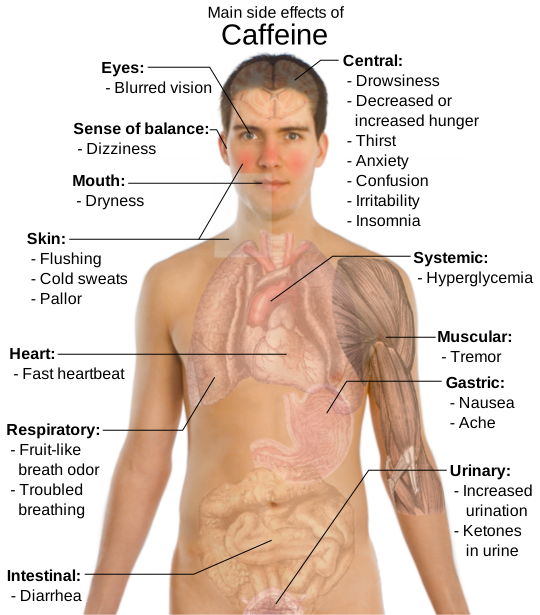
Physiological
Caffeine in coffee and other caffeinated drinks can affect gastrointestinal motility and gastric acid secretion. In postmenopausal women, high caffeine consumption can accelerate bone loss. Caffeine, alongside other factors such as stress and fatigue, can also increase the pressure in various muscles, including the eyelids.
Acute ingestion of caffeine in large doses (at least 250–300 mg, equivalent to the amount found in 2–3 cups of coffee or 5–8 cups of tea) results in a short-term stimulation of urine output in individuals who have been deprived of caffeine for a period of days or weeks. This increase is due to both a diuresis (increase in water excretion) and a natriuresis (increase in saline excretion); it is mediated via proximal tubular adenosine receptor blockade. The acute increase in urinary output may increase the risk of dehydration. However, chronic users of caffeine develop a tolerance to this effect and experience no increase in urinary output.
Psychological
Minor undesired symptoms from caffeine ingestion not sufficiently severe to warrant a psychiatric diagnosis are common and include mild anxiety, jitteriness, insomnia, increased sleep latency, and reduced coordination. Caffeine can have negative effects on anxiety disorders. According to a 2011 literature review, caffeine use may induce anxiety and panic disorders in people with Parkinson's disease. At high doses, typically greater than 300 to 400 mg caffeine can both cause and worsen anxiety.For some people, discontinuing caffeine use can significantly reduce anxiety.
In moderate doses, caffeine has been associated with reduced symptoms of depression and lower suicide risk. Two reviews indicate that increased consumption of coffee and caffeine may reduce the risk of depression.
Some textbooks state that caffeine is a mild euphoriant, while others state that it is not a euphoriant.
Caffeine-induced anxiety disorder is a subclass of the DSM-5 diagnosis of substance/medication-induced anxiety disorder.
Reinforcement disorders
Addiction
Whether caffeine can result in an addictive disorder depends on how addiction is defined. Compulsive caffeine consumption under any circumstances has not been observed, and caffeine is therefore not generally considered addictive. Some diagnostic sources, such as the ICDM-9 and ICD-10, include a classification of caffeine addiction under a broader diagnostic model. Some state that certain users can become addicted and therefore unable to decrease use even though they know there are negative health effects.
Caffeine does not appear to be a reinforcing stimulus, and some degree of aversion may actually occur, with people preferring placebo over caffeine in a study on drug abuse liability published in an NIDA research monograph. Some state that research does not provide support for an underlying biochemical mechanism for caffeine addiction. Other research states it can affect the reward system.
"Caffeine addiction" was added to the ICDM-9 and ICD-10. However, its addition was contested with claims that this diagnostic model of caffeine addiction is not supported by evidence. The American Psychiatric Association's DSM-5 does not include the diagnosis of a caffeine addiction but proposes criteria for the disorder for more study.
Dependence and withdrawal
Main article: Caffeine dependence, Caffeine withdrawal
Caffeine withdrawal can cause mild to clinically significant distress or impairment in daily functioning. The frequency at which this occurs is self-reported at 11%, but in lab tests only half of the people who report withdrawal actually experience it, casting doubt on many claims of dependence and most cases of caffeine withdrawal were 13% in the moderate sense. Moderately physical dependence and withdrawal symptoms may occur upon abstinence, with greater than 100 mg caffeine per day, although these symptoms last no longer than a day. Some symptoms associated with psychological dependence may also occur during withdrawal. The diagnostic criteria for caffeine withdrawal require a previous prolonged daily use of caffeine. Following 24 hours of a marked reduction in consumption, a minimum of 3 of these signs or symptoms is required to meet withdrawal criteria: difficulty concentrating, depressed mood/irritability, flu-like symptoms, headache, and fatigue. Additionally, the signs and symptoms must disrupt important areas of functioning and are not associated with effects of another condition.
The ICD-11 includes caffeine dependence as a distinct diagnostic category, which closely mirrors the DSM-5's proposed set of criteria for "caffeine-use disorder". Caffeine use disorder refers to dependence on caffeine characterized by failure to control caffeine consumption despite negative physiological consequences. The APA, which published the DSM-5, acknowledged that there was sufficient evidence in order to create a diagnostic model of caffeine dependence for the DSM-5, but they noted that the clinical significance of the disorder is unclear. Due to this inconclusive evidence on clinical significance, the DSM-5 classifies caffeine-use disorder as a "condition for further study".
Tolerance to the effects of caffeine occurs for caffeine-induced elevations in blood pressure and the subjective feelings of nervousness though the effects are not drastic. Sensitization, the process whereby effects become more prominent with use, may occur for positive effects such as feelings of alertness and wellbeing. Tolerance varies for daily, regular caffeine users and high caffeine users. High doses of caffeine (750 to 1200 mg/day spread throughout the day) have been shown to produce complete tolerance to some, but not all of the effects of caffeine. Doses as low as 100 mg/day, such as a 6 oz cup of coffee or two to three 12 oz servings of caffeinated soft-drink, may continue to cause sleep disruption, among other intolerances. Non-regular caffeine users have the least caffeine tolerance for sleep disruption. Some coffee drinkers develop tolerance to its undesired sleep-disrupting effects, but others apparently do not.
Risk of other diseases
A neuroprotective effect of caffeine against Alzheimer's disease and dementia is possible but the evidence is inconclusive.
Caffeine may lessen the severity of acute mountain sickness if taken a few hours prior to attaining a high altitude. One meta analysis has found that caffeine consumption is associated with a reduced risk of type 2 diabetes. Regular caffeine consumption may reduce the risk of developing Parkinson's disease and may slow the progression of Parkinson's disease.
Caffeine increases intraocular pressure in those with glaucoma but does not appear to affect normal individuals.
The DSM-5 also includes other caffeine-induced disorders consisting of caffeine-induced anxiety disorder, caffeine-induced sleep disorder and unspecified caffeine-related disorders. The first two disorders are classified under "Anxiety Disorder" and "Sleep-Wake Disorder" because they share similar characteristics. Other disorders that present with significant distress and impairment of daily functioning that warrant clinical attention but do not meet the criteria to be diagnosed under any specific disorders are listed under "Unspecified Caffeine-Related Disorders".
Energy crash
Caffeine is reputed to cause a fall in energy several hours after drinking, but this is not well researched.
Overdose
Main article: Caffeinism
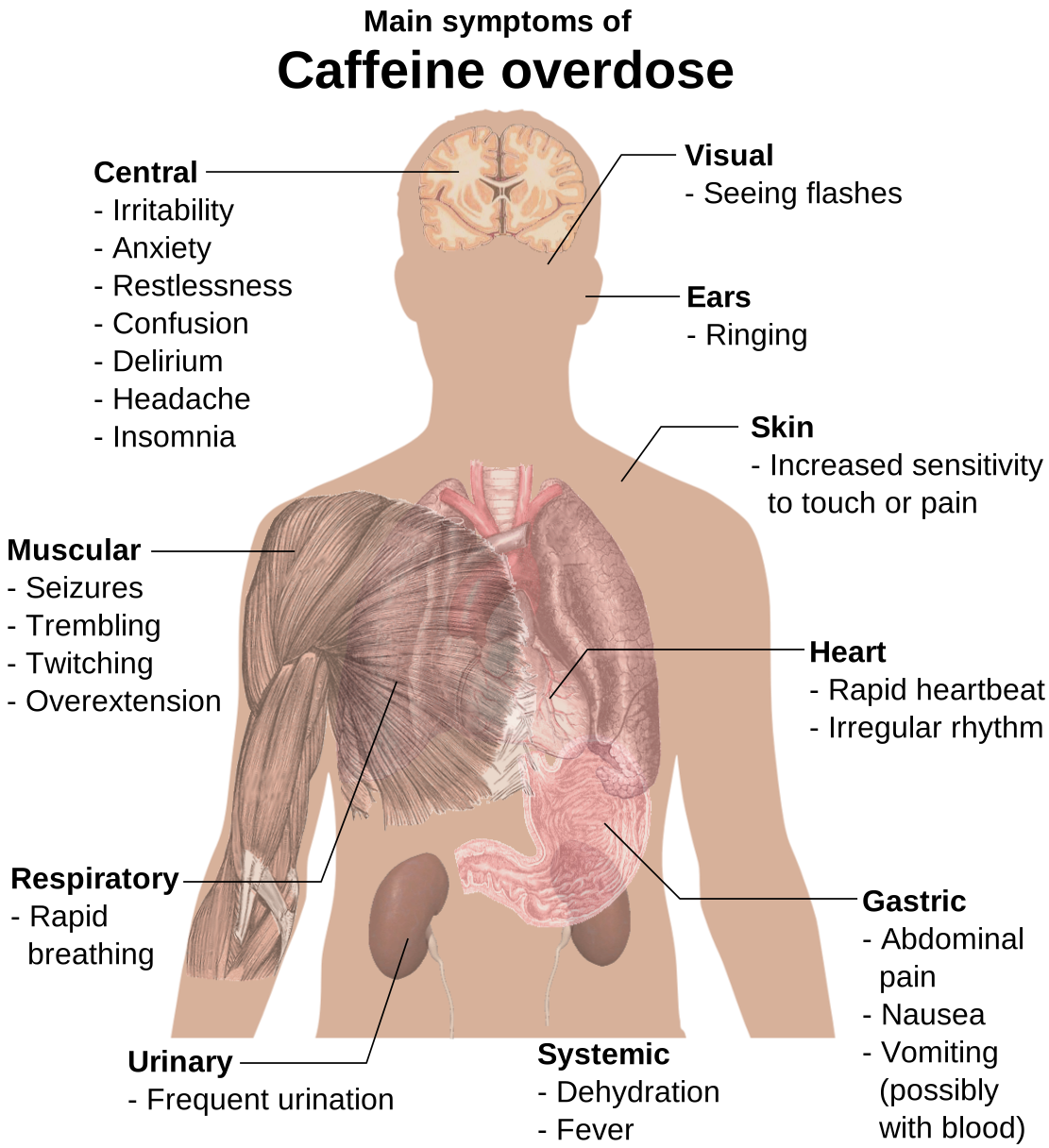
Consumption of 1 – per day is associated with a condition known as caffeinism. Caffeinism usually combines caffeine dependency with a wide range of unpleasant symptoms including nervousness, irritability, restlessness, insomnia, headaches, and palpitations after caffeine use.
Caffeine overdose can result in a state of central nervous system overstimulation known as caffeine intoxication, a clinically significant temporary condition that develops during, or shortly after, the consumption of caffeine. This syndrome typically occurs only after ingestion of large amounts of caffeine, well over the amounts found in typical caffeinated beverages and caffeine tablets (e.g., more than 400–500 mg at a time). According to the DSM-5, caffeine intoxication may be diagnosed if five (or more) of the following symptoms develop after recent consumption of caffeine: restlessness, nervousness, excitement, insomnia, flushed face, diuresis, gastrointestinal disturbance, muscle twitching, rambling flow of thought and speech, tachycardia or cardiac arrhythmia, periods of inexhaustibility, and psychomotor agitation.
According to the International Classification of Diseases (ICD-11), cases of very high caffeine intake (e.g. 5 g) may result in caffeine intoxication with symptoms including mania, depression, lapses in judgment, disorientation, disinhibition, delusions, hallucinations or psychosis, and rhabdomyolysis.
Energy drinks
High caffeine consumption in energy drinks (at least one liter or 320 mg of caffeine) was associated with short-term cardiovascular side effects including hypertension, prolonged QT interval, and heart palpitations. These cardiovascular side effects were not seen with smaller amounts of caffeine consumption in energy drinks (less than 200 mg).
Severe intoxication
there is no known antidote or reversal agent for caffeine intoxication. Treatment of mild caffeine intoxication is directed toward symptom relief; severe intoxication may require peritoneal dialysis, hemodialysis, or hemofiltration. Intralipid infusion therapy is indicated in cases of imminent risk of cardiac arrest in order to scavenge the free serum caffeine.
Lethal dose
Death from caffeine ingestion appears to be rare, and most commonly caused by an intentional overdose of medications. In 2016, 3702 caffeine-related exposures were reported to Poison Control Centers in the United States, of which 846 required treatment at a medical facility, and 16 had a major outcome; and several caffeine-related deaths are reported in case studies. The LD50 of caffeine in rats is 192 milligrams per kilogram of body mass. The fatal dose in humans is estimated to be 150–200 milligrams per kilogram, which is 10.5–14 grams for a typical 70 kg adult, equivalent to about 75–100 cups of coffee. There are cases where doses as low as 57 milligrams per kilogram have been fatal. A number of fatalities have been caused by overdoses of readily available powdered caffeine supplements, for which the estimated lethal amount is less than a tablespoon. The lethal dose is lower in individuals whose ability to metabolize caffeine is impaired due to genetics or chronic liver disease. A death was reported in 2013 of a man with liver cirrhosis who overdosed on caffeinated mints.
Interactions
Caffeine is a substrate for CYP1A2, and interacts with many substances through this and other mechanisms.
Alcohol
According to DSST, alcohol causes a decrease in performance on their standardized tests, and caffeine causes a significant improvement. When alcohol and caffeine are consumed jointly, the effects of the caffeine are changed, but the alcohol effects remain the same. For example, consuming additional caffeine does not reduce the effect of alcohol. However, the jitteriness and alertness given by caffeine is decreased when additional alcohol is consumed. Alcohol consumption alone reduces both inhibitory and activational aspects of behavioral control. Caffeine antagonizes the effect of alcohol on the activational aspect of behavioral control, but has no effect on the inhibitory behavioral control. The Dietary Guidelines for Americans recommend avoidance of concomitant consumption of alcohol and caffeine, as taking them together may lead to increased alcohol consumption, with a higher risk of alcohol-associated injury.
Smoking
Smoking tobacco has been shown to increase caffeine clearance by 56% as a result of polycyclic aromatic hydrocarbons inducing the CYP1A2 enzyme. The CYP1A2 enzyme that is induced by smoking is responsible for the metabolism of caffeine; increased enzyme activity leads to increased caffeine clearance, and is associated with greater coffee consumption for regular smokers.
Birth control
Birth control pills can extend the half-life of caffeine by as much as 40%, requiring greater attention to caffeine consumption.
Medications
Caffeine sometimes increases the effectiveness of some medications, such as those for headaches. Caffeine was determined to increase the potency of some over-the-counter analgesic medications by 40%.
The pharmacological effects of adenosine may be blunted in individuals taking large quantities of methylxanthines like caffeine. Some other examples of methylxanthines include the medications theophylline and aminophylline, which are prescribed to relieve symptoms of asthma or COPD.
Pharmacology
Pharmacodynamics
In the absence of caffeine and when a person is awake and alert, little adenosine is present in CNS neurons. With a continued wakeful state, over time adenosine accumulates in the neuronal synapse, in turn binding to and activating adenosine receptors found on certain CNS neurons; when activated, these receptors produce a cellular response that ultimately increases drowsiness. When caffeine is consumed, it antagonizes adenosine receptors; in other words, caffeine prevents adenosine from activating the receptor by blocking the location on the receptor where adenosine binds to it. As a result, caffeine temporarily prevents or relieves drowsiness, and thus maintains or restores alertness.
Receptor and ion channel targets
Caffeine is an antagonist of adenosine A2A receptors, and knockout mouse studies have specifically implicated antagonism of the A2A receptor as responsible for the wakefulness-promoting effects of caffeine. Antagonism of A2A receptors in the ventrolateral preoptic area (VLPO) reduces inhibitory GABA neurotransmission to the tuberomammillary nucleus, a histaminergic projection nucleus that activation-dependently promotes arousal. This disinhibition of the tuberomammillary nucleus is the downstream mechanism by which caffeine produces wakefulness-promoting effects. Caffeine is an antagonist of all four adenosine receptor subtypes (A1, A2A, A2B, and A3), although with varying potencies. The affinity (KD) values of caffeine for the human adenosine receptors are 12 μM at A1, 2.4 μM at A2A, 13 μM at A2B, and 80 μM at A3.
Antagonism of adenosine receptors by caffeine also stimulates the medullary vagal, vasomotor, and respiratory centers, which increases respiratory rate, reduces heart rate, and constricts blood vessels. Adenosine receptor antagonism also promotes neurotransmitter release (e.g., monoamines and acetylcholine), which endows caffeine with its stimulant effects; adenosine acts as an inhibitory neurotransmitter that suppresses activity in the central nervous system. Heart palpitations are caused by blockade of the A1 receptor.
Because caffeine is both water- and lipid-soluble, it readily crosses the blood–brain barrier that separates the bloodstream from the interior of the brain. Once in the brain, the principal mode of action is as a nonselective antagonist of adenosine receptors (in other words, an agent that reduces the effects of adenosine). The caffeine molecule is structurally similar to adenosine, and is capable of binding to adenosine receptors on the surface of cells without activating them, thereby acting as a competitive antagonist.
In addition to its activity at adenosine receptors, caffeine is an inositol trisphosphate receptor 1 antagonist and a voltage-independent activator of the ryanodine receptors (RYR1, RYR2, and RYR3). It is also a competitive antagonist of the ionotropic glycine receptor.
Effects on striatal dopamine
While caffeine does not directly bind to any dopamine receptors, it influences the binding activity of dopamine at its receptors in the striatum by binding to adenosine receptors that have formed GPCR heteromers with dopamine receptors, specifically the A1–D1 receptor heterodimer (this is a receptor complex with one adenosine A1 receptor and one dopamine D1 receptor) and the A2A–D2 receptor heterotetramer (this is a receptor complex with two adenosine A2A receptors and two dopamine D2 receptors). The A2A–D2 receptor heterotetramer has been identified as a primary pharmacological target of caffeine, primarily because it mediates some of its psychostimulant effects and its pharmacodynamic interactions with dopaminergic psychostimulants.
Caffeine also causes the release of dopamine in the dorsal striatum and nucleus accumbens core (a substructure within the ventral striatum), but not the nucleus accumbens shell, by antagonizing A1 receptors in the axon terminal of dopamine neurons and A1–A2A heterodimers (a receptor complex composed of one adenosine A1 receptor and one adenosine A2A receptor) in the axon terminal of glutamate neurons. During chronic caffeine use, caffeine-induced dopamine release within the nucleus accumbens core is markedly reduced due to drug tolerance.
Enzyme targets
Caffeine, like other xanthines, also acts as a phosphodiesterase inhibitor. As a competitive nonselective phosphodiesterase inhibitor, caffeine raises intracellular cyclic AMP, activates protein kinase A, inhibits TNF-alpha and leukotriene synthesis, and reduces inflammation and innate immunity. Caffeine also affects the cholinergic system where it is a moderate inhibitor of the enzyme acetylcholinesterase.
Pharmacokinetics

Caffeine from coffee or other beverages is absorbed by the small intestine within 45 minutes of ingestion and distributed throughout all bodily tissues. Peak blood concentration is reached within 1–2 hours. It is eliminated by first-order kinetics. Caffeine can also be absorbed rectally, evidenced by suppositories of ergotamine tartrate and caffeine (for the relief of migraine) and of chlorobutanol and caffeine (for the treatment of hyperemesis). However, rectal absorption is less efficient than oral: the maximum concentration (Cmax) and total amount absorbed (AUC) are both about 30% (i.e., 1/3.5) of the oral amounts.
Caffeine's biological half-life – the time required for the body to eliminate one-half of a dose – varies widely among individuals according to factors such as pregnancy, other drugs, liver enzyme function level (needed for caffeine metabolism) and age. In healthy adults, caffeine's half-life is between 3 and 7 hours. The half-life is decreased by 30–50% in adult male smokers, approximately doubled in women taking oral contraceptives, and prolonged in the last trimester of pregnancy.
Caffeine is metabolized in the liver by the cytochrome P450 oxidase enzyme system (particularly by the CYP1A2 isozyme) into three dimethylxanthines, each of which has its own effects on the body:
- Paraxanthine (84%): Increases lipolysis, leading to elevated glycerol and free fatty acid levels in blood plasma.
- Theobromine (12%): Dilates blood vessels and increases urine volume. Theobromine is also the principal alkaloid in the cocoa bean (chocolate).
- Theophylline (4%): Relaxes smooth muscles of the bronchi, and is used to treat asthma. The therapeutic dose of theophylline, however, is many times greater than the levels attained from caffeine metabolism.
1,3,7-Trimethyluric acid is a minor caffeine metabolite. 7-Methylxanthine is also a metabolite of caffeine. Each of the above metabolites is further metabolized and then excreted in the urine. Caffeine can accumulate in individuals with severe liver disease, increasing its half-life.
A 2011 review found that increased caffeine intake was associated with a variation in two genes that increase the rate of caffeine catabolism. Subjects who had this mutation on both chromosomes consumed 40 mg more caffeine per day than others. This is presumably due to the need for a higher intake to achieve a comparable desired effect, not that the gene led to a disposition for greater incentive of habituation.
Caffenine can be easily protonated by strong acids to form corresponding coffenium salts. They are of interest because these cation are one of the main species in an acidic medium.
Chemistry
Pure anhydrous caffeine is a bitter-tasting, white, odorless powder with a melting point of 235–238 °C. Caffeine is moderately soluble in water at room temperature (2 g/100 mL), but quickly soluble in boiling water (66 g/100 mL). It is also moderately soluble in ethanol (1.5 g/100 mL). It is weakly basic (pKa of conjugate acid = ~0.6) requiring strong acid to protonate it. Caffeine does not contain any stereogenic centers and hence is classified as an achiral molecule.
The xanthine core of caffeine contains two fused rings, a pyrimidinedione and imidazole. The pyrimidinedione in turn contains two amide functional groups that exist predominantly in a zwitterionic resonance the location from which the nitrogen atoms are double bonded to their adjacent amide carbons atoms. Hence all six of the atoms within the pyrimidinedione ring system are sp2 hybridized and planar. The imidazole ring also has a resonance. Therefore, the fused 5,6 ring core of caffeine contains a total of ten pi electrons and hence according to Hückel's rule is aromatic.
Caffenine can be easily protonated to form corresponding coffenium are of interest because these cation are one of the main species in an acidic medium.
Commercial sources
The world's supply of pure (mostly anhydrous) caffeine for adding to drinks, pharmaceuticals, and other products comes from two sources: industrial synthesis and decaffeination of natural sources. Despite the different production methods, the final products are chemically identical and so are their effects on the body. Research on synthetic caffeine supports that it has the same stimulating effects on the body as natural caffeine. And although many claim that natural caffeine is absorbed slower and therefore leads to a gentler caffeine crash, there is little scientific evidence supporting the notion. Nevertheless, a demand for natural caffeine to satisfy consumer perception has grown so large that the decaffinated product may be now considered a byproduct for the production of caffeine.
The global market exchanged 128,127 tons of anhydrous caffeine in 2022. Most of the world's synthetic caffeine is produced by Chinese pharmaceutical companies, but an exact breakdown of supply between synthetic and natural does not seem to be available.
It is possible to distinguish between natural and synthetic caffeine using carbon-13-to-carbon-12 isotope ratios, as most of the carbon from synthetic caffeine comes from petroleum sources with a more "ancient" carbon isotope signature.
Natural occurrence

Around thirty plant species are known to contain caffeine. Common sources are the "beans" (seeds) of the two cultivated coffee plants, Coffea arabica and Coffea canephora (the quantity varies, but 1.3% is a typical value); and of the cocoa plant, Theobroma cacao; the leaves of the tea plant; and kola nuts. Other sources include the leaves of yaupon holly, South American holly yerba mate, and Amazonian holly guayusa; and seeds from Amazonian maple guarana berries. Temperate climates around the world have produced unrelated caffeine-containing plants.
Caffeine in plants acts as a natural pesticide: it can paralyze and kill predator insects feeding on the plant. High caffeine levels are found in coffee seedlings when they are developing foliage and lack mechanical protection. In addition, high caffeine levels are found in the surrounding soil of coffee seedlings, which inhibits seed germination of nearby coffee seedlings, thus giving seedlings with the highest caffeine levels fewer competitors for existing resources for survival. Caffeine is stored in tea leaves in two places. Firstly, in the cell vacuoles where it is complexed with polyphenols. This caffeine probably is released into the mouth parts of insects, to discourage herbivory. Secondly, around the vascular bundles, where it probably inhibits pathogenic fungi from entering and colonizing the vascular bundles. Caffeine in nectar may improve the reproductive success of the pollen producing plants by enhancing the reward memory of pollinators such as honey bees.
The differing perceptions in the effects of ingesting beverages made from various plants containing caffeine could be explained by the fact that these beverages also contain varying mixtures of other methylxanthine alkaloids, including the cardiac stimulants theophylline and theobromine, and polyphenols that can form insoluble complexes with caffeine.
Products
| Product | Serving size | Caffeine per serving (mg) | Caffeine (mg/L) | |||||||
|---|---|---|---|---|---|---|---|---|---|---|
| Caffeine tablet (regular-strength) | 1 tablet | — | ||||||||
| Caffeine tablet (extra-strength) | 1 tablet | — | ||||||||
| Excedrin tablet | 1 tablet | — | ||||||||
| Percolated coffee | –135 | –652 | ||||||||
| Drip coffee | –175 | –845 | ||||||||
| Coffee, decaffeinated | –15 | –72 | ||||||||
| Coffee, espresso | –2,254 | |||||||||
| Tea – black, green, and other types, – steeped for 3 min. | –74 | –418 | ||||||||
| Guayakí yerba mate (loose leaf) | ||||||||||
| Coca-Cola | ||||||||||
| Diet Coke | 46 | 130 | ||||||||
| Mountain Dew | ||||||||||
| Pepsi Zero Sugar | ||||||||||
| Guaraná Antarctica | ||||||||||
| Jolt Cola | ||||||||||
| Red Bull | ||||||||||
| Coffee-flavored milk drink | –197 | –354 | ||||||||
| Cocoa, dry powder, unsweetened [unspecified strain] | 100 g | title=Cocoa, dry powder, unsweetened | work=FoodData Central | publisher=United States Department of Agriculture | url=https://fdc.nal.usda.gov/food-details/169593/nutrients | access-date=1 May 2024 | archive-date=3 April 2019 | archive-url=https://web.archive.org/web/20190403171801/https://fdc.nal.usda.gov/fdc-app.html#/food-details/169593/nutrients | url-status=live }} | — |
| Cocoa solids, defatted, *Criollo* strain | 100 g | 1130 | — | |||||||
| Cocoa solids, defatted, *Forastero* strain | 100 g | url=https://books.google.com/books?id=WxmBmvhsoZ8C&pg=PA171 | title=Caffeine | isbn=978-1-4200-5013-4 | date=23 April 2019 | publisher=CRC Press | vauthors = Spiller GA }} | — | ||
| Cocoa solids, defatted, *Nacional* strain | 100 g | 240 | — | |||||||
| Cocoa solids, defatted, *Trinitario* strain | 100 g | 630 | — | |||||||
| Chocolate, dark, 70–85% cacao solids | 100 g | title = Chocolate, dark, 70-85% cacao solids | work = FoodData Central | publisher = United States Department of Agriculture | url = https://fdc.nal.usda.gov/food-details/170273/nutrients | access-date = 1 May 2024 | archive-date = 3 April 2019 | archive-url = https://web.archive.org/web/20190403171801/https://fdc.nal.usda.gov/fdc-app.html#/food-details/170273/nutrients | url-status = live }} | — |
| Chocolate, dark, 60–69% cacao solids | 100 g | url=https://fdc.nal.usda.gov/food-details/170272/nutrients | title=Chocolate, dark, 60-69% cacao solids | work=FoodData Central | publisher=United States Department of Agriculture | access-date=31 July 2024 | archive-date=3 April 2019 | archive-url=https://web.archive.org/web/20190403171801/https://fdc.nal.usda.gov/fdc-app.html#/food-details/170272/nutrients | url-status=live}} | — |
| Chocolate, dark, 45–59% cacao solids | 100 g | title = Chocolate, dark, 45-59% cacao solids | work = FoodData Central | publisher = United States Department of Agriculture | url = https://fdc.nal.usda.gov/food-details/170271/nutrients | access-date = 1 May 2024 | archive-date = 3 April 2019 | archive-url = https://web.archive.org/web/20190403171801/https://fdc.nal.usda.gov/fdc-app.html#/food-details/170271/nutrients | url-status = live}} | — |
| Candies, milk chocolate | 100 g | title=Candies, milk chocolate | work=FoodData Central | publisher=United States Department of Agriculture | url=https://fdc.nal.usda.gov/food-details/167587/nutrients | access-date=1 May 2024 | archive-date=3 April 2019 | archive-url=https://web.archive.org/web/20190403171801/https://fdc.nal.usda.gov/fdc-app.html#/food-details/167587/nutrients | url-status=live }} | — |
| Hershey's Special Dark (45% cacao content) | — | |||||||||
| Hershey's Milk Chocolate (11% cacao content) | — |
Products containing caffeine include coffee, tea, soft drinks ("colas"), energy drinks, other beverages, chocolate, caffeine tablets, other oral products, and inhalation products. According to a 2020 study in the United States, coffee is the major source of caffeine intake in middle-aged adults, while soft drinks and tea are the major sources in adolescents. Energy drinks are more commonly consumed as a source of caffeine in adolescents as compared to adults.
Beverages
Main article: Caffeinated drink
Coffee
The world's primary source of caffeine is the coffee "bean" (the seed of the coffee plant), from which coffee is brewed. Caffeine content in coffee varies widely depending on the type of coffee bean and the method of preparation used; even beans within a given bush can show variations in concentration. In general, one serving of coffee ranges from 80 to 100 milligrams, for a single shot (30 milliliters) of arabica-variety espresso, to approximately 100–125 milligrams for a cup (120 milliliters) of drip coffee. Arabica coffee typically contains half the caffeine of the robusta variety. In general, dark-roast coffee has slightly less caffeine than lighter roasts because the roasting process reduces caffeine content of the bean by a small amount.
Tea
Tea contains more caffeine than coffee by dry weight. A typical serving, however, contains much less, since less of the product is used as compared to an equivalent serving of coffee. Also contributing to caffeine content are growing conditions, processing techniques, and other variables. Thus, teas contain varying amounts of caffeine.
Tea contains small amounts of theobromine and slightly higher levels of theophylline than coffee. Preparation and many other factors have a significant impact on tea, and color is a poor indicator of caffeine content. Teas like the pale Japanese green tea, gyokuro, for example, contain far more caffeine than much darker teas like lapsang souchong, which has minimal caffeine content.
Soft drinks and energy drinks
Caffeine is also a common ingredient of soft drinks, such as cola, originally prepared from kola nuts. Soft drinks typically contain 0 to 55 milligrams of caffeine per 12 ounce (12 USfloz) serving. By contrast, energy drinks, such as Red Bull, can start at 80 milligrams of caffeine per serving. The caffeine in these drinks either originates from the ingredients used or is an additive derived from the product of decaffeination or from chemical synthesis. Guarana, a primary ingredient of energy drinks, contains large amounts of caffeine with small amounts of theobromine and theophylline in a naturally occurring slow-release excipient.
Other beverages
- Maté is a drink popular in many parts of South America. Its preparation consists of filling a gourd with the leaves of the South American holly yerba mate, pouring hot but not boiling water over the leaves, and drinking with a straw, the bombilla, which acts as a filter so as to draw only the liquid and not the yerba leaves.
- Guaraná is a soft drink originating in Brazil made from the seeds of the Guaraná fruit.
- The leaves of Ilex guayusa, the Ecuadorian holly tree, are placed in boiling water to make a guayusa tea.
- The leaves of Ilex vomitoria, the yaupon holly tree, are placed in boiling water to make a yaupon tea.
- Commercially prepared coffee-flavoured milk beverages are popular in Australia. Examples include Oak's Ice Coffee and Farmers Union Iced Coffee. The amount of caffeine in these beverages can vary widely. Caffeine concentrations can differ significantly from the manufacturer's claims.
Cacao solids
Cocoa solids (derived from cocoa bean) contain 230 mg caffeine per 100 g.
The caffeine content varies between cocoa bean strains. Caffeine content mg/g (sorted by lowest caffeine content):
- Forastero (defatted): 1.3 mg/g
- Nacional (defatted): 2.4 mg/g
- Trinitario (defatted): 6.3/g
- Criollo (defatted): 11.3 mg/g
Chocolate
Caffeine per 100 g:
- Dark chocolate, 70–85% cacao solids: 80 mg
- Dark chocolate, 60–69% cacao solids: 86 mg
- Dark chocolate, 45–59% cacao solids: 43 mg
- Milk chocolate: 20 mg
The stimulant effect of chocolate may be due to a combination of theobromine and theophylline, as well as caffeine.
Tablets
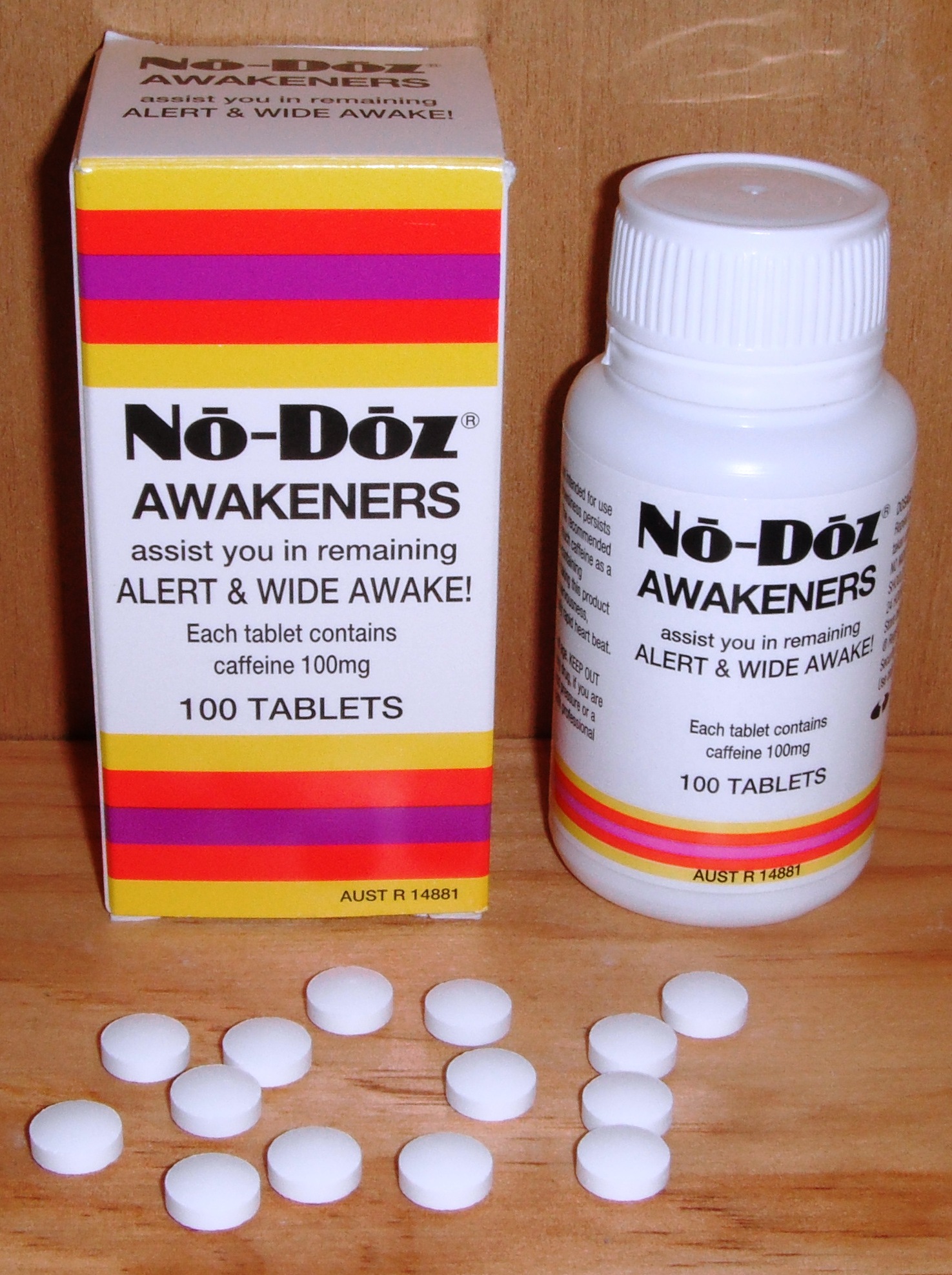
Tablets offer several advantages over coffee, tea, and other caffeinated beverages, including convenience, known dosage, and avoidance of concomitant intake of sugar or acids. The use of caffeine in this form may increase alertness. These tablets are commonly used by students studying for their exams and by people who work or drive for long hours.
Other oral products
One US company is marketing oral dissolvable caffeine strips. Another intake route is SpazzStick, a caffeinated lip balm. Alert Energy Caffeine Gum was introduced in the United States in 2013, but was voluntarily withdrawn after an announcement of an investigation by the FDA of the health effects of added caffeine in foods.
There is weak evidence that the use of caffeine mouth washes might help cognitive performance.
Inhalants
Similar to an e-cigarette, a caffeine inhaler may be used to deliver caffeine or a stimulant like guarana by vaping. In 2012, the FDA sent a warning letter to one of the companies marketing an inhaler, expressing concerns for the lack of safety information available about inhaled caffeine.
Combinations with other drugs
- Some beverages combine alcohol with caffeine to create a caffeinated alcoholic drink. The stimulant effects of caffeine may mask the depressant effects of alcohol, potentially reducing the user's awareness of their level of intoxication. Such beverages have been the subject of bans due to safety concerns. In particular, the United States Food and Drug Administration has classified caffeine added to malt liquor beverages as an "unsafe food additive".
- Ya ba contains a combination of methamphetamine and caffeine.
- Painkillers such as propyphenazone/paracetamol/caffeine combine caffeine with an analgesic.
History
Discovery and spread of use

Main article: History of chocolate, History of coffee, History of tea, History of yerba mate
According to Chinese legend, the Chinese emperor Shennong, reputed to have reigned in about 3000 BCE, inadvertently discovered tea when he noted that when certain leaves fell into boiling water, a fragrant and restorative drink resulted. Shennong is also mentioned in Lu Yu's Cha Jing, a famous early work on the subject of tea.
The earliest credible evidence of either coffee drinking or knowledge of the coffee plant appears in the middle of the fifteenth century, in the Sufi monasteries of the Yemen in southern Arabia. From Mokha, coffee spread to Egypt and North Africa, and by the 16th century, it had reached the rest of the Middle East, Persia and Turkey. From the Middle East, coffee drinking spread to Italy, then to the rest of Europe, and coffee plants were transported by the Dutch to the East Indies and to the Americas.
Kola nut use appears to have ancient origins. It is chewed in many West African cultures, in both private and social settings, to restore vitality and ease hunger pangs.
The earliest evidence of cocoa bean use comes from residue found in an ancient Mayan pot dated to 600 BCE. Also, chocolate was consumed in a bitter and spicy drink called xocolatl, often seasoned with vanilla, chile pepper, and achiote. Xocolatl was believed to fight fatigue, a belief probably attributable to the theobromine and caffeine content. Chocolate was an important luxury good throughout pre-Columbian Mesoamerica, and cocoa beans were often used as currency.
Xocolatl was introduced to Europe by the Spaniards, and became a popular beverage by 1700. The Spaniards also introduced the cacao tree into the West Indies and the Philippines.
The leaves and stems of the yaupon holly (Ilex vomitoria) were used by Native Americans to brew a tea called asi or the "black drink". Archaeologists have found evidence of this use far into antiquity, possibly dating to Late Archaic times.
Chemical identification, isolation, and synthesis
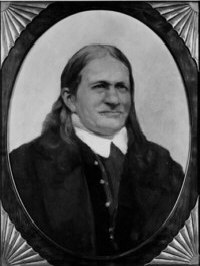
In 1819, the German chemist Friedlieb Ferdinand Runge isolated caffeine for the first time; he called it "Kaffebase" (i.e., a base that exists in coffee). In 1821, caffeine was isolated both by the French chemist Pierre Jean Robiquet and by another pair of French chemists, Pierre-Joseph Pelletier and Joseph Bienaimé Caventou, according to Swedish chemist Jöns Jacob Berzelius in his yearly journal. Furthermore, Berzelius stated that the French chemists had made their discoveries independently of any knowledge of Runge's or each other's work. However, Berzelius later acknowledged Runge's priority in the extraction of caffeine, stating: "However, at this point, it should not remain unmentioned that Runge (in his Phytochemical Discoveries, 1820, pages 146–147) specified the same method and described caffeine under the name Caffeebase a year earlier than Robiquet, to whom the discovery of this substance is usually attributed, having made the first oral announcement about it at a meeting of the Pharmacy Society in Paris."
Pelletier's article on caffeine was the first to use the term in print (in the French form Caféine from the French word for coffee: café). It corroborates Berzelius's account:
Robiquet was one of the first to isolate and describe the properties of pure caffeine, whereas Pelletier was the first to perform an elemental analysis.
In 1827, M. Oudry isolated "théine" from tea, but in 1838 it was proved by Mulder and by Carl Jobst that theine was actually the same as caffeine.
In 1895, German chemist Hermann Emil Fischer (1852–1919) first synthesized caffeine from its chemical components (i.e. a "total synthesis"), and two years later, he also derived the structural formula of the compound.Fischer began his studies of caffeine in 1881; however, understanding of the molecule's structure long eluded him. In 1895 he synthesized caffeine, but only in 1897 did he finally fully determine its molecular structure.
- This was part of the work for which Fischer was awarded the Nobel Prize in 1902.
Historic regulations
Because it was recognized that coffee contained some compound that acted as a stimulant, first coffee and later also caffeine has sometimes been subject to regulation. For example, in the 16th century Islamists in Mecca and in the Ottoman Empire made coffee illegal for some classes. Charles II of England tried to ban it in 1676, Frederick II of Prussia banned it in 1777, and coffee was banned in Sweden at various times between 1756 and 1823.
In 1911, caffeine became the focus of one of the earliest documented health scares, when the US government seized 40 barrels and 20 kegs of Coca-Cola syrup in Chattanooga, Tennessee, alleging the caffeine in its drink was "injurious to health". Although the Supreme Court later ruled in favor of Coca-Cola in United States v. Forty Barrels and Twenty Kegs of Coca-Cola, two bills were introduced to the US House of Representatives in 1912 to amend the Pure Food and Drug Act, adding caffeine to the list of "habit-forming" and "deleterious" substances, which must be listed on a product's label.
Society and culture
Regulations
United States
The US Food and Drug Administration (FDA) considers safe beverages containing less than 0.02% caffeine; but caffeine powder, which is sold as a dietary supplement, is unregulated. It is a regulatory requirement that the label of most prepackaged foods must declare a list of ingredients, including food additives such as caffeine, in descending order of proportion. However, there is no regulatory provision for mandatory quantitative labeling of caffeine, (e.g., milligrams caffeine per stated serving size). There are a number of food ingredients that naturally contain caffeine. These ingredients must appear in food ingredient lists. However, as is the case for "food additive caffeine", there is no requirement to identify the quantitative amount of caffeine in composite foods containing ingredients that are natural sources of caffeine. While coffee or chocolate are broadly recognized as caffeine sources, some ingredients (e.g., guarana, yerba maté) are likely less recognized as caffeine sources. For these natural sources of caffeine, there is no regulatory provision requiring that a food label identify the presence of caffeine nor state the amount of caffeine present in the food. The FDA guidance was updated in 2018.
Consumption
Global consumption of caffeine has been estimated at 120,000 tonnes per year, making it the world's most popular psychoactive substance. The consumption of caffeine has remained stable between 1997 and 2015. Coffee, tea and soft drinks are the most common caffeine sources, with energy drinks contributing little to the total caffeine intake across all age groups.
Religions
The Seventh-day Adventist Church asked for its members to "abstain from caffeinated drinks", but has removed this from baptismal vows (while still recommending abstention as policy). Some from these religions believe that one is not supposed to consume a non-medical, psychoactive substance, or believe that one is not supposed to consume a substance that is addictive. The Church of Jesus Christ of Latter-day Saints has said the following with regard to caffeinated beverages: "... the Church revelation spelling out health practices (Doctrine and Covenants 89) does not mention the use of caffeine. The Church's health guidelines prohibit alcoholic drinks, smoking or chewing of tobacco, and 'hot drinks' – taught by Church leaders to refer specifically to tea and coffee."
Gaudiya Vaishnavas generally also abstain from caffeine, because they believe it clouds the mind and overstimulates the senses. To be initiated under a guru, one must have had no caffeine, alcohol, nicotine or other drugs, for at least a year.
Caffeinated beverages are widely consumed by Muslims. In the 16th century, some Muslim authorities made unsuccessful attempts to ban them as forbidden "intoxicating beverages" under Islamic dietary laws.
Other organisms
The bacteria Pseudomonas putida CBB5 can live on pure caffeine and can cleave caffeine into carbon dioxide and ammonia.
Caffeine is toxic to birds and to dogs and cats, and has a pronounced adverse effect on mollusks, various insects, and spiders. This is at least partly due to a poor ability to metabolize the compound, causing higher levels for a given dose per unit weight. Caffeine has also been found to enhance the reward memory of honey bees.
Research
Caffeine has been used to double chromosomes in haploid wheat.
References
Bibliography
References
- (2000). "Caffeine as a model drug of dependence: Recent developments in understanding caffeine withdrawal, the caffeine dependence syndrome, and caffeine negative reinforcement". Nihon Shinkei Seishin Yakurigaku Zasshi = Japanese Journal of Psychopharmacology.
- Institute of Medicine (US) Committee on Military Nutrition Research. (2001). "Pharmacology of Caffeine". National Academies Press (US).
- (16 September 2013). "Caffeine". University of Alberta.
- (February 2016). "Caffeine augments the antidepressant-like activity of mianserin and agomelatine in forced swim and tail suspension tests in mice". Pharmacological Reports.
- "Caffeine".
- "Caffeine". International Occupational Safety and Health Information Centre (CIS).
- "Caffeine". NCBI.
- "Caffeine". Royal Society of Chemistry.
- (1992). "Caffeine and the central nervous system: mechanisms of action, biochemical, metabolic and psychostimulant effects". Brain Research. Brain Research Reviews.
- (2 March 2024). "Pharmacology of caffeine and its effects on the human body". European Journal of Medicinal Chemistry Reports.
- (August 2014). "Acute effects of tea constituents L-theanine, caffeine, and epigallocatechin gallate on cognitive function and mood: a systematic review and meta-analysis". Nutrition Reviews.
- (January 2014). "Psychostimulants and cognition: a continuum of behavioral and cognitive activation". Pharmacological Reviews.
- (2010). "Caffeine and adenosine". Journal of Alzheimer's Disease.
- (2015). "Principles of Life". Macmillan Learning.
- (June 2021). "The Medicinal Chemistry of Caffeine". Journal of Medicinal Chemistry.
- (2015). "Encyclopedia of Food and Health". Elsevier Science.
- (2007). "The 100 Most Important Chemical Compounds: A Reference Guide". Greenwood Press.
- (March 2013). "Caffeine in floral nectar enhances a pollinator's memory of reward". Science.
- "Global coffee consumption, 2020/21".
- (June 2013). "Caffeine and Substance Use Disorders". Journal of Caffeine Research.
- (November 2018). "Caffeine in the Diet: Country-Level Consumption and Guidelines". Nutrients.
- (October 2013). "WHO Model List of Essential Medicines". [[World Health Organization]].
- (May 2013). "The impact of coffee on health". Maturitas.
- (April 2014). "Dose-response meta-analysis on coffee, tea and caffeine consumption with risk of Parkinson's disease". Geriatrics & Gerontology International.
- (7 May 2025). "A systematic review and meta-analysis of the acute effect of caffeine on attention". Psychopharmacology.
- (7 December 2018). "Effects of caffeine on sleep quality and daytime functioning". Risk Management and Healthcare Policy.
- (2024). "Caffeine intake and anxiety: a meta-analysis". Frontiers in Psychology.
- (Jun 2023). "The effect of caffeine on subsequent sleep: A systematic review and meta-analysis". Sleep Medicine Reviews.
- (June 2015). "Effects of restricted caffeine intake by mother on fetal, neonatal and pregnancy outcomes". The Cochrane Database of Systematic Reviews.
- American College of Obstetricians and Gynecologists. (August 2010). "ACOG CommitteeOpinion No. 462: Moderate caffeine consumption during pregnancy". Obstetrics and Gynecology.
- (2009). "Molecular Neuropharmacology: A Foundation for Clinical Neuroscience". McGraw-Hill Medical.
- American Psychiatric Association. (2013). "Substance-Related and Addictive Disorders". American Psychiatric Publishing.
- (October 2004). "A critical review of caffeine withdrawal: empirical validation of symptoms and signs, incidence, severity, and associated features". Psychopharmacology.
- (April 1981). "Tolerance to the humoral and hemodynamic effects of caffeine in man". The Journal of Clinical Investigation.
- (April 2010). "Caffeine (1, 3, 7-trimethylxanthine) in foods: a comprehensive review on consumption, functionality, safety, and regulatory matters". Journal of Food Science.
- (2015). "Scientific Opinion on the safety of caffeine". EFSA Journal.
- (December 2021). "Quantification of Caffeine and Chlorogenic Acid in Green and Roasted Coffee Samples Using HPLC-DAD and Evaluation of the Effect of Degree of Roasting on Their Levels". Molecules.
- (December 2011). "A comprehensive approach to the prevention of bronchopulmonary dysplasia". Pediatric Pulmonology.
- (2005). "Methylxanthine therapy for apnea of prematurity: evaluation of treatment benefits and risks at age 5 years in the international Caffeine for Apnea of Prematurity (CAP) trial". Biology of the Neonate.
- (May 2006). "Caffeine therapy for apnea of prematurity". The New England Journal of Medicine.
- (November 2007). "Long-term effects of caffeine therapy for apnea of prematurity". The New England Journal of Medicine.
- (January 2012). "Survival without disability to age 5 years after neonatal caffeine therapy for apnea of prematurity". JAMA.
- (November 2009). "Losing sleep over the caffeination of prematurity". The Journal of Physiology.
- (May 2011). "Apnea of prematurity: pathogenesis and management strategies". Journal of Perinatology.
- (December 2010). "Prophylactic methylxanthine for prevention of apnoea in preterm infants". The Cochrane Database of Systematic Reviews.
- (August 2017). "The recommendations of a consensus panel for the screening, diagnosis, and treatment of neurogenic orthostatic hypotension and associated supine hypertension". J. Neurol..
- "Caffeine: Summary of Clinical Use". The International Union of Basic and Clinical Pharmacology.
- (October 2007). "Orthostatic hypotension in the elderly: diagnosis and treatment". The American Journal of Medicine.
- (March 2018). "Chronic coffee consumption and respiratory disease: A systematic review". The Clinical Respiratory Journal.
- (January 2010). "Caffeine for asthma". The Cochrane Database of Systematic Reviews.
- (December 2014). "Caffeine as an analgesic adjuvant for acute pain in adults". The Cochrane Database of Systematic Reviews.
- (March 2022). "The effect of coffee/caffeine on postoperative ileus following elective colorectal surgery: a meta-analysis of randomized controlled trials". International Journal of Colorectal Disease.
- (2015). "Caffeine as an Independent Variable in Behavioral Research: Trends from the Literature Specific to ADHD". Journal of Caffeine Research.
- (September 2017). "Considerations for ADHD in the child with epilepsy and the child with migraine". Expert Review of Neurotherapeutics.
- (January 2019). "Review: Trends, Safety, and Recommendations for Caffeine Use in Children and Adolescents". Journal of the American Academy of Child and Adolescent Psychiatry.
- (1981). "Caffeine: Psychological Effects, Use and Abuse". [[Orthomolecular Psychiatry (journal).
- (2010). "Is caffeine a cognitive enhancer?". Journal of Alzheimer's Disease.
- (2011). "Human Sleep and Cognition Part II - Clinical and Applied Research".
- (May 2010). "Caffeine for the prevention of injuries and errors in shift workers". The Cochrane Database of Systematic Reviews.
- (December 2016). "A review of caffeine's effects on cognitive, physical and occupational performance". Neuroscience and Biobehavioral Reviews.
- (August 2014). "Acute effects of tea constituents L-theanine, caffeine, and epigallocatechin gallate on cognitive function and mood: a systematic review and meta-analysis". Nutrition Reviews.
- (May 2025). "A systematic review and meta-analysis of the acute effect of caffeine on attention". Psychopharmacology.
- (December 2013). "The effects of caffeine, nicotine, ethanol, and tetrahydrocannabinol on exercise performance". Nutrition & Metabolism.
- (December 2010). "Dietary supplements and team-sport performance". Sports Medicine.
- (February 2011). "Does caffeine added to carbohydrate provide additional ergogenic benefit for endurance?". International Journal of Sport Nutrition and Exercise Metabolism.
- (June 2013). "Nutritional supplements and ergogenic AIDS". Primary Care.
- (May 1980). "Caffeine and coffee: their influence on metabolic rate and substrate utilization in normal weight and obese individuals". The American Journal of Clinical Nutrition.
- (January 1989). "Normal caffeine consumption: influence on thermogenesis and daily energy expenditure in lean and postobese human volunteers". The American Journal of Clinical Nutrition.
- (1995). "Comparison of changes in energy expenditure and body temperatures after caffeine consumption". Annals of Nutrition & Metabolism.
- (November 2020). "Effect of Acute Caffeine Intake on the Fat Oxidation Rate during Exercise: A Systematic Review and Meta-Analysis". Nutrients.
- (2018). "Effects of caffeine intake on muscle strength and power: a systematic review and meta-analysis". Journal of the International Society of Sports Nutrition.
- (July 2010). "Effect of caffeine ingestion on muscular strength and endurance: a meta-analysis". Medicine and Science in Sports and Exercise.
- (March 2018). "Caffeine ingestion enhances Wingate performance: a meta-analysis". European Journal of Sport Science.
- (April 2005). "Effects of caffeine ingestion on rating of perceived exertion during and after exercise: a meta-analysis". Scandinavian Journal of Medicine & Science in Sports.
- (August 2018). "The Effect of Acute Caffeine Ingestion on Endurance Performance: A Systematic Review and Meta-Analysis". Sports Medicine.
- (February 2019). "Establishing a relationship between the effect of caffeine and duration of endurance athletic time trial events: A systematic review and meta-analysis". Journal of Science and Medicine in Sport.
- (November 2017). "Systematic review of the potential adverse effects of caffeine consumption in healthy adults, pregnant women, adolescents, and children". Food and Chemical Toxicology.
- (January 2019). "Review: Trends, Safety, and Recommendations for Caffeine Use in Children and Adolescents". Journal of the American Academy of Child and Adolescent Psychiatry.
- (September 2002). "Effects of caffeine on development and behavior in infancy and childhood: a review of the published literature". Food and Chemical Toxicology.
- (May 26, 2017). "The Safety of Ingested Caffeine: A Comprehensive Review". Frontiers in Psychiatry.
- (2014). ["The Addiction Casebook"]({{google books). American Psychiatric Pub.
- (June 2011). "Sports drinks and energy drinks for children and adolescents: are they appropriate?". Pediatrics.
- (6 February 2012). "Caffeine in Food". [[Health Canada]].
- "Food Standards Agency publishes new caffeine advice for pregnant women".
- (November 2009). "Caffeine in pregnancy". Archives of Gynecology and Obstetrics.
- (April 2011). "Evaluation of the reproductive and developmental risks of caffeine". Birth Defects Research Part B: Developmental and Reproductive Toxicology.
- (September 2014). "Maternal caffeine intake during pregnancy is associated with risk of low birth weight: a systematic review and dose-response meta-analysis". BMC Medicine.
- (May 2016). "Maternal caffeine intake during pregnancy and risk of pregnancy loss: a categorical and dose-response meta-analysis of prospective studies". Public Health Nutrition.
- (February 2021). "Association of maternal caffeine intake during pregnancy with low birth weight, childhood overweight, and obesity: a meta-analysis of cohort studies". International Journal of Obesity.
- (September 2014). "Preconception care: caffeine, smoking, alcohol, drugs and other environmental chemical/radiation exposure". Reproductive Health.
- (1999). "Coffee and gastrointestinal function: facts and fiction. A review". Scandinavian Journal of Gastroenterology. Supplement.
- (October 1975). "Gastric acid secretion and lower-esophageal-sphincter pressure in response to coffee and caffeine". The New England Journal of Medicine.
- (2009). "Human Physiology: From Cells to Systems". Nelsen.
- (30 April 2013). "Caffeine in the diet". MedlinePlus, US National Library of Medicine.
- (November 2001). "Caffeine intake increases the rate of bone loss in elderly women and interacts with vitamin D receptor genotypes". The American Journal of Clinical Nutrition.
- (22 August 2022). "Eyelid twitch". MedlinePlus, US National Library of Medicine.
- (December 2003). "Caffeine ingestion and fluid balance: a review". Journal of Human Nutrition and Dietetics.
- Modulation of adenosine receptor expression in the proximal tubule: a novel adaptive mechanism to regulate renal salt and water metabolism Am. J. Physiol. Renal Physiol. 1 July 2008 295:F35-F36
- (4 March 2008). "Really? The claim: caffeine causes dehydration". New York Times.
- (July 2007). "Caffeine, fluid-electrolyte balance, temperature regulation, and exercise-heat tolerance". Exercise and Sport Sciences Reviews.
- (March 2016). "A randomized trial to assess the potential of different beverages to affect hydration status: development of a beverage hydration index". The American Journal of Clinical Nutrition.
- (2010). "Caffeine and creatine use in sport". Annals of Nutrition & Metabolism.
- (2005). "Neuropsychiatric effects of caffeine". Advances in Psychiatric Treatment.
- (August 2011). "Caffeine challenge test and panic disorder: a systematic literature review". Expert Review of Neurotherapeutics.
- (September 2002). "Effects of caffeine on human behavior". Food and Chemical Toxicology.
- (February 1989). "Caffeine abstention in the management of anxiety disorders". Psychological Medicine.
- (2010). "Caffeine, mental health, and psychiatric disorders". Journal of Alzheimer's Disease.
- (March 2016). "Coffee and caffeine consumption and depression: A meta-analysis of observational studies". The Australian and New Zealand Journal of Psychiatry.
- (January 2016). "Coffee, tea, caffeine and risk of depression: A systematic review and dose-response meta-analysis of observational studies". Molecular Nutrition & Food Research.
- (2015). "Psychiatry". John Wiley & Sons.
- (2017). "Psychiatry and Pedopsychiatry". Karolinum Press.
- (2010). "Encyclopedia of Behavioral Neuroscience". Elsevier.
- (2010). "Pharmacology for health professionals". Elsevier Australia.
- (2015). "Neuropsychopharmacology and Therapeutics". John Wiley & Sons.
- "Molecular Neuropharmacology: A Foundation for Clinical Neuroscience". McGraw-Hill Education..
- (November 2014). "Caffeine addiction? Caffeine for youth? Time to act!". Addiction.
- (September 2013). "Caffeine Use Disorder: A Comprehensive Review and Research Agenda". Journal of Caffeine Research.
- (2014). ["Psychiatry"]({{google books). John Wiley & Sons.
- "Testing for Abuse Liability of Drugs in Humans". U.S. Department of Health and Human Services Public Health Service Alcohol, Drug Abuse, and Mental Health Administration National Institute on Drug Abuse.
- (December 2013). "Cellular basis of memory for addiction". Dialogues in Clinical Neuroscience.
- (2013). "Principles of addiction comprehensive addictive behaviors and disorders". Elsevier Academic Press.
- (2010). "SPECT assessment of brain activation induced by caffeine: no effect on areas involved in dependence". Dialogues in Clinical Neuroscience.
- (June 2009). "Caffeine use in children: what we know, what we have left to learn, and why we should worry". Neuroscience and Biobehavioral Reviews.
- (2009). ["Karch's pathology of drug abuse"]({{google books). CRC Press.
- (2015). "ICD-10 Version:2015". World Health Organization.
- (September 2014). "Caffeine Use Disorder: A Review of the Evidence and Future Implications". Current Addiction Reports.
- Association American Psychiatry. (2013). "Diagnostic and statistical manual of mental disorders: DSM-5". American Psychiatric Publishing.
- (June 2009). "Caffeine use in children: what we know, what we have left to learn, and why we should worry". Neuroscience and Biobehavioral Reviews.
- (2013). "Desk reference to the diagnostic criteria from DSM-5". American Psychiatric Association.
- "ICD-11 – Mortality and Morbidity Statistics".
- American Psychiatric Association (2013). "Substance-Related and Addictive Disorders". American Psychiatric Publishing. pp. 1–2. Retrieved 18 November 2019.
- (9 July 2003). "Information about caffeine dependence". Johns Hopkins Medicine.
- (March 1999). "Actions of caffeine in the brain with special reference to factors that contribute to its widespread use". Pharmacological Reviews.
- (2010). "Caffeine intake and dementia: systematic review and meta-analysis". Journal of Alzheimer's Disease.
- (March 2015). "Coffee, tea, and caffeine consumption and prevention of late-life cognitive decline and dementia: a systematic review". The Journal of Nutrition, Health & Aging.
- (2010). "Caffeine at high altitude: java at base cAMP". High Altitude Medicine & Biology.
- (February 2014). "Coffee and caffeine intake and incidence of type 2 diabetes mellitus: a meta-analysis of prospective studies". European Journal of Nutrition.
- (June 2020). "The Effect of Caffeine on the Risk and Progression of Parkinson's Disease: A Meta-Analysis". Nutrients.
- (June 2012). "Caffeine intake, smoking, and risk of Parkinson disease in men and women". American Journal of Epidemiology.
- (March 2011). "The effect of caffeine on intraocular pressure: a systematic review and meta-analysis". Graefe's Archive for Clinical and Experimental Ophthalmology.
- American Psychiatric Association. (2013). "Desk reference to the diagnostic criteria from DSM-5". American Psychiatric Publishing.
- (1 November 2021). "Pharmacokinetic profile of a novel sustained-release caffeine with extended benefits on alertness and mood: A randomized, double-blind, single-dose, active-controlled, crossover study". Current Research in Behavioral Sciences.
- (2 July 2023). "Can Yerba Mate tea actually crush your afternoon fatigue? Here's what the science says".
- (26 February 2021). "Love caffeine but hate the crash? These recent grads created a 'jitter-free' coffee.". [[San Francisco Business Times]].
- (13 September 2021). "Suffering from caffeine crashes now you're back in the office? Here's what to do about it (no, you don't have to quit coffee forever)".
- (25 May 2000). "Caffeine (Systemic)".
- (2005). "Neuropsychiatric effects of caffeine". Advances in Psychiatric Treatment.
- (2007). "Caffeine and Activation Theory: Effects on Health and Behavior". CRC Press.
- "ICD-11 – Mortality and Morbidity Statistics".
- American Psychiatric Association. (22 May 2013). "Diagnostic and Statistical Manual of Mental Disorders". American Psychiatric Association.
- (April 2019). "How to recognize caffeine overdose". Nursing.
- (November 1984). "Effects of low sodium perfusion on cardiac caffeine sensitivity and calcium uptake". Journal of Molecular and Cellular Cardiology.
- (January 2019). "Caffeine Toxicity". StatPearls [Internet].
- "Caffeine {{!}} C8H10N4O2". National Center for Biotechnology Information.
- (1967). "Factors Affecting Caffeine Toxicity: A Review of the Literature". The Journal of Clinical Pharmacology and the Journal of New Drugs.
- (January 2019). "Caffeine". StatPearls [Internet].
- (18 May 2015). "Caffeine powder poses deadly risks". New York Times.
- (May 1995). "Caffeine metabolism in patients with chronic liver disease". Scandinavian Journal of Clinical and Laboratory Investigation.
- (11 October 2013). "Man died after overdosing on caffeine mints". The Independent.
- (11 October 2013). "Warning over caffeine sweets after father dies from overdose". The Telegraph.
- "Caffeine Drug Monographs".
- (April 2002). "Interactions between alcohol and caffeine in relation to psychomotor speed and accuracy". Human Psychopharmacology.
- (July 2001). "Caffeine antagonism of alcohol-induced driving impairment". Drug and Alcohol Dependence.
- (August 2003). "Dissociative antagonistic effects of caffeine on alcohol-induced impairment of behavioral control". [[Experimental and Clinical Psychopharmacology]].
- (June 1999). "Drug interactions with tobacco smoking. An update". Clinical Pharmacokinetics.
- (December 2017). "Heavier smoking increases coffee consumption: findings from a Mendelian randomization analysis". International Journal of Epidemiology.
- (1990). "Clinical pharmacology of caffeine". Annual Review of Medicine.
- (August 2000). "Clinically significant pharmacokinetic interactions between dietary caffeine and medications". Clinical Pharmacokinetics.
- (February 2011). "Treatment of acute migraine headache". American Family Physician.
- (12 September 2013). "Practical management of pain". Elsevier Health Sciences.
- (April 2011). "Vitamin B4". R&S Pharmchem.
- (September 29, 2021). "Methylxanthines". StatPearls.
- (2012). "Cognitive enhancers (nootropics). Part 1: drugs interacting with receptors". Journal of Alzheimer's Disease.
- (15 June 2013). "World of Caffeine". World of Caffeine.
- (April 2004). "Caffeine as a psychomotor stimulant: mechanism of action". Cellular and Molecular Life Sciences.
- "Caffeine". International Union of Basic and Clinical Pharmacology.
- (August 2009). "Caffeine inhibition of ionotropic glycine receptors". The Journal of Physiology.
- (2010). "Role of the central ascending neurotransmitter systems in the psychostimulant effects of caffeine". Journal of Alzheimer's Disease.
- (May 2016). "Allosteric mechanisms within the adenosine A2A-dopamine D2 receptor heterotetramer". Neuropharmacology.
- (July 2015). "Allosteric interactions between agonists and antagonists within the adenosine A2A receptor-dopamine D2 receptor heterotetramer". Proceedings of the National Academy of Sciences of the United States of America.
- (May 2016). "Mechanisms of the psychostimulant effects of caffeine: implications for substance use disorders". Psychopharmacology.
- (2008). "An update on the mechanisms of the psychostimulant effects of caffeine". J. Neurochem..
- (2010). "Caffeine and adenosine". Journal of Alzheimer's Disease.
- (November 2001). "Cyclic nucleotide phosphodiesterases". The Journal of Allergy and Clinical Immunology.
- (June 2008). "Insights into the regulation of TNF-alpha production in human mononuclear cells: the effects of non-specific phosphodiesterase inhibition". Clinics.
- (February 1999). "Pentoxifylline inhibits TNF-alpha production from human alveolar macrophages". American Journal of Respiratory and Critical Care Medicine.
- (January 2005). "Leukotrienes: underappreciated mediators of innate immune responses". Journal of Immunology.
- (March 1991). "Inhibition of acetylcholinesterase by caffeine, anabasine, methyl pyrrolidine and their derivatives". Toxicology Letters.
- (May 2013). "Caffeine inhibits acetylcholinesterase, but not butyrylcholinesterase". International Journal of Molecular Sciences.
- (19 August 2010). "Methylxanthines".
- (November 1997). "Absorption and subjective effects of caffeine from coffee, cola and capsules". Pharmacology, Biochemistry, and Behavior.
- (1983). "The absolute bioavailability of caffeine in man". European Journal of Clinical Pharmacology.
- (1981). "Plasma and salivary pharmacokinetics of caffeine in man". European Journal of Clinical Pharmacology.
- (June 1954). "Rectal use of ergotamine tartrate and caffeine alkaloid for the relief of migraine". The New England Journal of Medicine.
- (May 2007). "[The treatment of hyperemesis gravidarum with chlorobutanol-caffeine rectal suppositories in Denmark: practice and evidence]". Ugeskrift for Laeger.
- (8 January 2013). "Pharmacokinetics of Caffeine following a Single Administration of Coffee Enema versus Oral Coffee Consumption in Healthy Male Subjects". ISRN Pharmacology.
- "Drug Interaction: Caffeine Oral and Fluvoxamine Oral". Medscape Multi-Drug Interaction Checker.
- "Caffeine". The Pharmacogenetics and Pharmacogenomics Knowledge Base.
- "7-Methylxanthine".
- (August 2022). "Myopia, its prevalence, current therapeutic strategy and recent developments: A Review". Indian J Ophthalmol.
- (December 2008). "Pharmacokinetics and dosage adjustment in patients with hepatic dysfunction". European Journal of Clinical Pharmacology.
- (April 2011). "Genome-wide meta-analysis identifies regions on 7p21 (AHR) and 15q24 (CYP1A2) as determinants of habitual caffeine consumption". PLOS Genetics.
- (1896-04-01). "PERHALIDES OF CAFFEINE.". Journal of the American Chemical Society.
- (1981-01-01). "Structures of three crystals containing approximately — linear chains of triiodide ions". Zeitschrift für Kristallographie - Crystalline Materials.
- (2018-09-01). "Crystal structure of caffeinium triiodide – caffeine (1/1), C16H21I3N8O4". Zeitschrift für Kristallographie - New Crystal Structures.
- (1996). "The Merck Index". Merck & Co., Inc..
- (2007). ["Profiles of Drug Substances, Excipients, and Related Methodology"]({{google books). Academic Press.
- (2006). "The Facts About Caffeine (Drugs)". Benchmark Books (NY).
- (2001). "Organic Chemistry Pearls of Wisdom". Boston Medical Publishing Corp.
- "Chemistry of Caffeine". Chemistry Department, East Stroudsburg University.
- "Caffeine biosynthesis". Trinity College Dublin.
- "MetaCyc Pathway: caffeine biosynthesis I". [[SRI International]].
- (September 2014). "The coffee genome provides insight into the convergent evolution of caffeine biosynthesis". Science.
- (September 2016). "Convergent evolution of caffeine in plants by co-option of exapted ancestral enzymes". Proceedings of the National Academy of Sciences of the United States of America.
- (21 September 2016). "How Plants Evolved Different Ways to Make Caffeine".
- (2003). "Beverages in Nutrition and Health". Humana Press.
- "Process for the formylation of a 5-nitrouracil".
- (2003). "A Novel Method of Caffeine Synthesis from Uracil". Synthetic Communications.
- (2018-09-14). "Natural vs. Added Caffeine: What's the Difference?".
- (July 2012). "Which is the by-product: caffeine or decaf coffee?". Food and Energy Security.
- (26 February 2016). "Caffeine For Sale: The Hidden Trade Of The World's Favorite Stimulant".
- Farah, Adriana. (2006). "Coffee Constituents". Critical Reviews in Food Science and Nutrition.
- (20 September 2005). "How is coffee decaffeinated?". General Chemistry Online.
- (October 2006). "Caffeine content of decaffeinated coffee". University of Florida News.
- (2017). "Disposition of Toxic Drugs and Chemicals in Man". Biomedical Publications.
- (1988). "3,7-Dimethyl-1-propargylxanthine: a potent and selective in vivo antagonist of adenosine analogs". Life Sciences.
- (22 September 1995). "N Substituted Xanthines: A Caffeine Analog Information File".
- (19 August 2010). "Methylxanthines".
- Plant Polyphenols: Synthesis, Properties, Significance. Richard W. Hemingway, Peter E. Laks, Susan J. Branham (page 263)
- Hu, David. (2018-09-14). "Natural vs. Added Caffeine: What's the Difference?".
- (July 2012). "Which is the by-product: caffeine or decaf coffee?". Food and Energy Security.
- (2 August 2022). "Anhydrous Caffeine reach a market growth of US$ 2.77 Bn by the end of 2030 – Persistence Market Research".
- "Is Your Caffeine Natural or Synthetic? Perhaps the Most Pointless Study Ever.".
- "28 Plants that Contain Caffeine".
- (October 1984). "Caffeine and related methylxanthines: possible naturally occurring pesticides". Science.
- (1986). "Purine alkaloid formation in buds and developing leaflets of Coffea arabica: Expression of an optimal defence strategy?". Phytochemistry.
- (1984). "Metabolism and excretion of caffeine during germination of Coffea arabica L". Plant and Cell Physiology.
- (March 2013). "Immunohistochemical localization of caffeine in young Camellia sinensis (L.) O. Kuntze (tea) leaves". Planta.
- (1998). "Caffeine Consumption". CRC Press.
- (1996). "Caffeine Content of Food and Drugs". [[Center for Science in the Public Interest]].
- (7 July 2006). "Caffeine Content of Beverages, Foods, & Medications". [[Erowid.
- "Caffeine Content of Drinks".
- (October 2008). "Caffeine content of brewed teas". Journal of Analytical Toxicology.
- (2009). "Too Easy to be True. De-bunking the At-Home Decaffeination Myth". Elmwood Inn.
- "Traditional Yerba Mate in Biodegradable Bag". Guayaki Yerba Mate.
- (2007). "Caffeine Content of Prepackaged National-Brand and Private-Label Carbonated Beverages". Journal of Food Science.
- "Cocoa, dry powder, unsweetened". United States Department of Agriculture.
- (23 April 2019). "Caffeine". CRC Press.
- "Chocolate, dark, 70-85% cacao solids". United States Department of Agriculture.
- "Chocolate, dark, 60-69% cacao solids". United States Department of Agriculture.
- "Chocolate, dark, 45-59% cacao solids". United States Department of Agriculture.
- "Candies, milk chocolate". United States Department of Agriculture.
- (1997). "Evaluation of xanthine derivatives in chocolate: nutritional and chemical aspects". European Food Research and Technology.
- (July 2020). "Coffee, Caffeine, and Health". The New England Journal of Medicine.
- "Caffeine". International Coffee Organization.
- "Coffee and Caffeine FAQ: Does dark roast coffee have less caffeine than light roast?".
- "All About Coffee: Caffeine Level". Jeremiah's Pick Coffee Co.
- (1996). "Tea preparation and its influence on methylxanthine concentration". Food Research International.
- "Nutrition and healthy eating".
- (1993). "The xanthine content of guarana and its preparations". Int J Pharmacog.
- (9 April 2012). "Drinking mate in Buenos Aires".
- (2005). "The Encyclopedia of Psychoactive Plants: Ethnopharmacology and Its Applications". Simon and Schuster.
- (18 October 2017). "Flavoured milk and iced coffee sales on the rise". News Corp.
- (2012). "An examination of consumer exposure to caffeine from commercial coffee and coffee-flavoured milk". Journal of Food Composition and Analysis.
- (November 2004). "Methylxanthines are the psycho-pharmacologically active constituents of chocolate". Psychopharmacology.
- "Caffeine tablets or caplets".
- (2001). ["The World of caffeine: The Science and Culture of the World's Most Popular Drug"]({{google books). Routledge.
- (10 June 2011). "LeBron James Shills for Sheets Caffeine Strips, a Bad Idea for Teens, Experts Say". ABC News.
- (15 April 2007). "Over The Limit:Americans young and old crave high-octane fuel, and doctors are jittery". U.S. News & World Report.
- (8 May 2013). "F.D.A. Inquiry Leads Wrigley to Halt 'Energy Gum' Sales". New York Times.
- (2023). "Is caffeine mouth rinsing an effective strategy to improve physical and cognitive performance? A systematic review". Critical Reviews in Food Science and Nutrition.
- Alex Williams. (2015-07-22). "Caffeine Inhalers Rush to Serve the Energy Challenged". The New York Times.
- "2012 – Breathable Foods, Inc. 3/5/12".
- (20 February 2012). "FDA to Investigate Safety of Inhalable Caffeine". ABC News.
- (17 November 2010). "Food Additives & Ingredients > Caffeinated Alcoholic Beverages". Food and Drug Administration.
- (1992). "Tea in China: The History of China's National Drink". Greenwood Press.
- (January 2014). "The Classic of Tea: Origins & Rituals". Ecco Pr.
- (2001). "The World of Caffeine: The Science and Culture of the World's Most Popular Drug". Routledge.
- (7 March 2005). ""Suave Molecules of Mocha" – Coffee, Chemistry, and Civilization". New Partisan.
- (1980). "Kola in the History of West Africa (La kola dans l'histoire de l'Afrique occidentale)". Cahiers d'Études Africaines.
- (21 June 2012). "Chocolate in Health and Nutrition". Humana Press.
- "The History of Cocoa Production in Trinidad and Tobago".
- (2016). "A primer on PEF's Priority Commodities: an Industry Study on Cacao". Peace and Equity Foundation.
- (2004). "Black Drink". University of Georgia Press.
- (August 2012). "Ritual Black Drink consumption at Cahokia". Proceedings of the National Academy of Sciences of the United States of America.
- (1820). ["Neueste phytochemische Entdeckungen zur Begründung einer wissenschaftlichen Phytochemie"]({{google books). G. Reimer.
- (2001). "The World of Caffeine: The Science and Culture of the World's Most Popular Drug". Routledge.
- (1825). ["Jahres-Bericht über die Fortschritte der physischen Wissenschaften von Jacob Berzelius"]({{google books).
- (1828). ["Jahres-Bericht über die Fortschritte der physischen Wissenschaften von Jacob Berzelius"]({{google books).
- (1822). ["Cafeine"]({{google books). Béchet Jeune.
- (1823). ["Café"]({{google books). Thomine et Fortic.
- (1823). ["Recherches sur la composition élémentaire et sur quelques propriétés caractéristiques des bases salifiables organiques"]({{google books). Annales de Chimie et de Physique.
- (1827). ["Note sur la Théine"]({{google books). Nouvelle Bibliothèque Médicale.
- (1838). ["Ueber Theïn und Caffeïn"]({{google books). Journal für Praktische Chemie.
- (1838). ["Thein identisch mit Caffein"]({{google books). Liebig's Annalen der Chemie und Pharmacie.
- (1902). "Nobel Prize Presentation Speech".
- (2004). "A new introduction to Islam". Wiley-Blackwell.
- (2009). ["Encyclopedia of the Ottoman Empire"]({{google books).
- (24 March 2006). "Food Stories: The Sultan's Coffee Prohibition".
- "By the King. A PROCLAMATION FOR THE Suppression of Coffee-Houses".
- {{harvnb. Pendergrast. 2001
- {{harvnb. Pendergrast. 2001
- {{harvnb. Bersten. 1999
- (January 1991). "Coca-Cola, caffeine, and mental deficiency: Harry Hollingworth and the Chattanooga trial of 1911". Journal of the History of the Behavioral Sciences.
- "The Rise and Fall of Cocaine Cola".
- (21 August 2015). "CFR – Code of Federal Regulations Title 21". U.S. Food and Drug Administration.
- (19 July 2014). "Sudden death of Ohio teen highlights dangers of caffeine powder". Phillip Crawley.
- (January 2009). "Caffeinated energy drinks – a growing problem". Drug and Alcohol Dependence.
- (16 April 2018). "Guidance on Highly Concentrated Caffeine in Dietary Supplements".
- (1997). "What's your poison: caffeine". Australian Broadcasting Corporation.
- (May 2018). "Caffeine intake and its sources: A review of national representative studies". Critical Reviews in Food Science and Nutrition.
- (2018). "The War on Coffee". Graffiti militante.
- (2012). "Mormonism in the News: Getting It Right August 29". The Church of Jesus Christ of Latter-Day Saints.
- "If Krishna does not accept my Chocolates, Who should I offer them to?". Dandavats.com.
- (17 December 2010). "The Politics of Narcotic Drugs: A Survey". Routledge.
- (1 January 2009). ["Encyclopedia of Islam"]({{google books). Infobase Publishing.
- (24 August 2011). "A New Introduction to Islam". John Wiley & Sons.
- (24 May 2011). "Newly Discovered Bacteria Lives on Caffeine".
- "Why Caffeine is Toxic to Birds". Advin Systems.
- "Caffeine".
- (29 April 1995). "Using spider-web patterns to determine toxicity". NASA Tech Briefs.
- (August 1997). "Chromosome doubling of haploids of common wheat with caffeine". Genome.
This article was imported from Wikipedia and is available under the Creative Commons Attribution-ShareAlike 4.0 License. Content has been adapted to SurfDoc format. Original contributors can be found on the article history page.
Ask Mako anything about Caffeine — get instant answers, deeper analysis, and related topics.
Research with MakoFree with your Surf account
Create a free account to save articles, ask Mako questions, and organize your research.
Sign up freeThis content may have been generated or modified by AI. CloudSurf Software LLC is not responsible for the accuracy, completeness, or reliability of AI-generated content. Always verify important information from primary sources.
Report