From Surf Wiki (app.surf) — the open knowledge base
Bristol Myers Squibb
American pharmaceutical company

American pharmaceutical company
| Field | Value |
|---|---|
| name | Bristol-Myers Squibb Company |
| logo | Bristol-Myers Squibb logo (2020).svg |
| image | Bristolmyersprincetonfacility.jpg |
| image_caption | A Bristol Myers Squibb research and development facility in Lawrence, New Jersey (corporate headquarters since July 2023) |
| trade_name | Bristol Myers Squibb |
| former_name | Bristol-Myers Company (1887–1989) |
| type | Public |
| traded_as | |
| industry | Pharmaceuticals |
| predecessors | Squibb Corporation (1858–1989) |
| founders | |
| founded | |
| hq_location | |
| area_served | Worldwide |
| key_people | |
| revenue | (2024) |
| operating_income | (2024) |
| net_income | (2024) |
| assets | (2024) |
| equity | (2024) |
| num_employees | 34,100 (2024) |
| website | |
| footnotes |
the pharmaceutical company
Bristol-Myers Squibb Company is an American multinational pharmaceutical company headquartered in Princeton, New Jersey. The company's primary products are Apixaban (Eliquis) for people with atrial fibrillation (28% of 2024 revenues); nivolumab (Opdivo), used to treat certain types of cancer (19% of 2024 revenues); lenalidomide (Revlimid), used to treat multiple myeloma, smoldering myeloma, and myelodysplastic syndromes (12% of 2024 revenues); abatacept (Orencia), used to treat autoimmune diseases such as rheumatoid arthritis (8% of 2024 revenues); pomalidomide (Pomalyst/Imnovid), an anti-cancer medication used for the treatment of multiple myeloma and AIDS-related Kaposi sarcoma (8% of 2024 revenues); ipilimumab (Yervoy), to treat cancer (5% of 2024 revenues); and luspatercept (Reblozyl) for the treatment of anemia in beta thalassemia and myelodysplastic syndromes (4% of 2024 revenues). In 2024, 71% of the company's revenues came from the United States.
The company is ranked 94th on the Fortune 500 and 173rd on the Forbes Global 2000.
BMS's primary research and development (R&D) sites are located in Lawrence, New Jersey (formerly Squibb, near Princeton), Summit, New Jersey, formerly HQ of Celgene, New Brunswick, New Jersey; Redwood City, California; and Seville in Spain, with other sites in Devens and Cambridge, Massachusetts; Braine-l'Alleud, Belgium; Tokyo, Japan; Hyderabad; Bangalore, India and Wirral, United Kingdom. BMS previously had an R&D site in Wallingford, Connecticut (formerly Bristol-Myers).
History
Squibb

The Squibb corporation was founded in 1858 by Edward Robinson Squibb in Brooklyn, New York. Squibb was known as an advocate of quality control and high purity standards early within the pharmaceutical industry. He went on to self-publish an alternative to the U.S. Pharmacopeia titled Squibb's Ephemeris of Materia Medica, after failing to convince the American Medical Association to incorporate higher purity standards.
Materia Medica, Squibb products, and Edward Squibb's opinion on the fundamentals of pharmacy are found in many medical papers of the late 1800s. The American Journal of Pharmacy published more than one hundred papers of Squibb's research surrounding the industry.
The sons of Edward Squibb sold the company to Lowell M. Palmer and Theodore Weicker in 1905, who incorporated the company. Around this time, the Squibb logo was developed, which represented the company's products of "uniformity, purity, efficacy, and reliability based on research."
Squibb Corporation served as a major supplier of medical goods to the Union Army during the American Civil War, providing portable medical kits containing morphine, surgical anesthetics, and quinine for the treatment of malaria (which was endemic in most of the Eastern United States at that time).
In 1944, Squibb opened the world's largest penicillin plant in New Brunswick, New Jersey.
Bristol-Myers
.jpg)
In 1887, Hamilton College graduates William McLaren Bristol and John Ripley Myers purchased the Clinton Pharmaceutical company of Clinton, New York. In May 1898, they decided to rename it Bristol, Myers and Company. Following Myers' death in 1899, Bristol changed the name to the Bristol-Myers Corporation.
During the 1890s, the company introduced its first nationally recognized product Sal Hepatica, a laxative mineral salt, followed by Ipana toothpaste in 1901. Other divisions were Clairol (hair colors and haircare) and Drackett (household products such as Windex and Drano).
In 1943, Bristol-Myers acquired Cheplin Biological Laboratories, a producer of acidophilus milk in East Syracuse, New York, and converted the plant to produce penicillin for the World War II Allied forces. After the war, the company renamed the plant Bristol Laboratories in 1945 and entered the civilian antibiotics market, where it faced competition from Squibb.
Penicillin production at the East Syracuse plant ended in 2005, when it became less expensive to produce overseas. As of 2010, the facility was used for the manufacturing process development and production of other biologic medicines for clinical trials and commercial use.
Merger
In 1989, Bristol-Myers and Squibb merged and became Bristol-Myers Squibb.
In 1999, then-U.S. President Bill Clinton awarded Bristol-Myers Squibb the National Medal of Technology, the nation's highest recognition for technological achievement, "for extending, and enhancing human life through innovative pharmaceutical research and development and for redefining the science of clinical study through groundbreaking and hugely complex clinical trials that are recognized models in the industry."
2000 to 2010


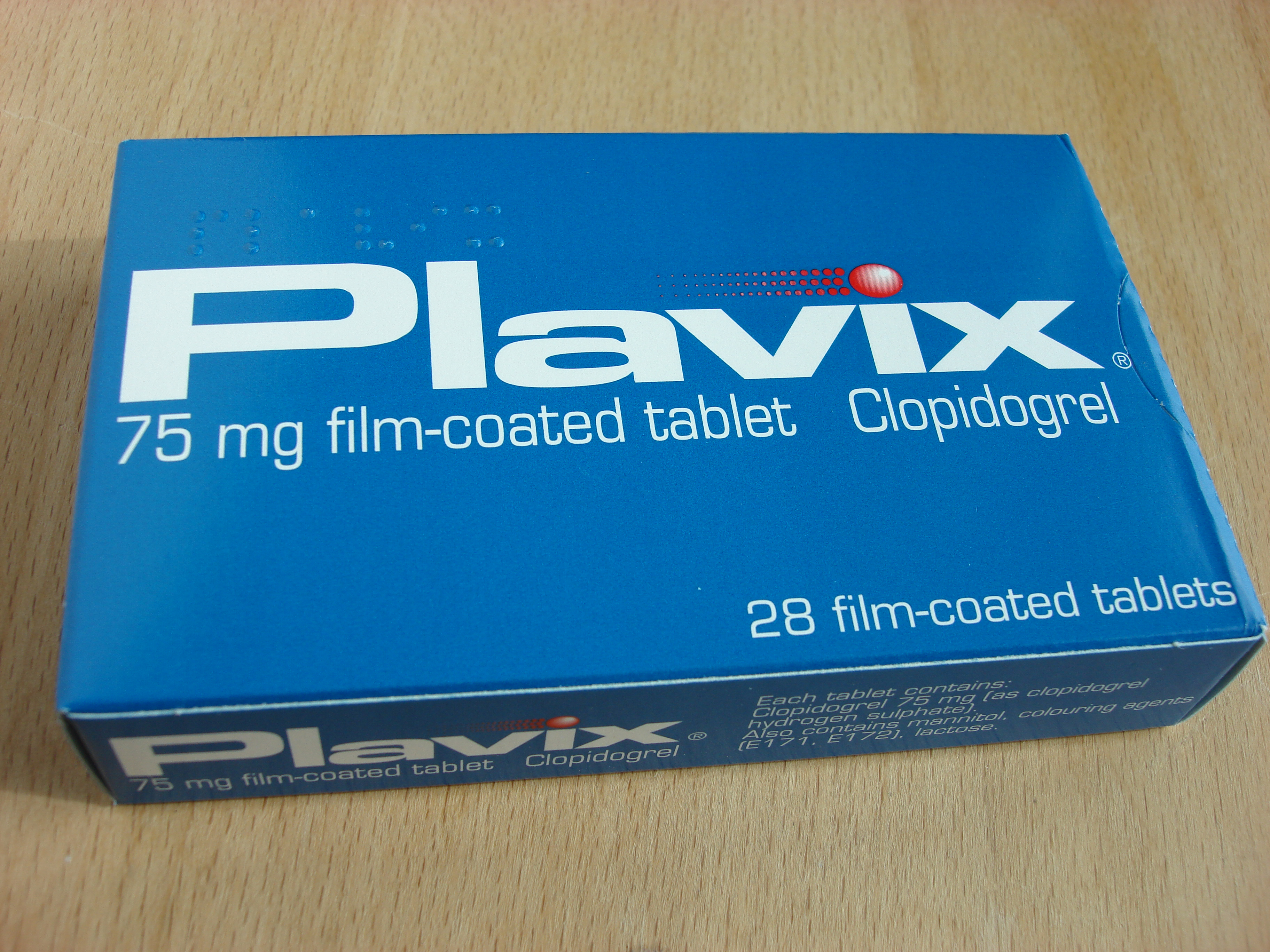
In July 2006, the FBI raided the company's corporate offices on charges of collusion centered on the distribution of Plavix On 12 September 2006, the monitor, former Federal Judge Frederick B. Lacey, urged the company to remove then-CEO Peter Dolan over the Plavix dispute. Later that day, BMS announced that Dolan would indeed step down. The deferred prosecution agreement expired in June 2007 and the Department of Justice did not take any further legal action against the company for matters covered by the DPA. Under CEO Jim Cornelius, who was CEO following Dolan until May 2010, all executives involved in the "channel-stuffing" and generic competition scandals have since left the company.
In 2009, the company began a major restructuring focusing on the pharmaceutical business and biologic products, along with productivity initiatives and cost-cutting and streamlining business operations through a multiyear program of on-going layoffs. This was part of a business strategy launched in 2007 to transform the company from a large, diversified pharmaceutical company to a specialty biopharma company, which also included the closure of half of their manufacturing facilities. As another cost-cutting measure, Bristol-Myers Squibb also reduced health-care subsidies for retirees and planned to freeze their pension plan at the end of 2009.
Lamberto Andreotti was named CEO in 2010; he had previously served as president and COO
2010-present

In 2010, Lou Schmukler joined Bristol-Myers Squibb as the president of global product development and design. Schmukler led the team that completed the company's strategic transformation to a specialty biopharmaceutical company that had begun in 2007. As of 2011, the company had a dozen manufacturing facilities and six product development sites.
The company was ranked as the best drug company of 2013 by Forbes magazine.
In December 2014, the company received FDA approval for the use of the PD-1 inhibitor nivolumab (Opdivo) in treating patients whose skin cancer cannot be removed or have not responded to previous drug therapies. In February 2015, the company initiated a research partnership with Rigel Pharmaceuticals which could generate more than $339 million. In March, the company obtained an exclusive opportunity to both licence and commercialise PROSTVAC, Bavarian Nordic's phase III prostate-specific antigen targeting cancer immunotherapy. Bavarian Nordic would receive an upfront payment of $60 million and incremental payments up to $230 million, if the overall survival of test patients exceeds that seen in Phase II tests. Bavarian could also receive milestone payments of between $110 million and $495 million, dependent on regulatory authorization, and these payments have the potential to total up to $975 million.
In May 2015, Giovanni Caforio became CEO of the company; Caforio was formerly the company's COO and succeeded Lamberto Andreotti upon his retirement. Andreotti subsequently succeeded James Cornelius as Executive Chairman upon his retirement.
Corporate acquisitions and divestments as Bristol Myers Squibb
In August 2009, during a major restructuring activity, BMS acquired the biotechnology firm Medarex as part of the company's "String of Pearls" strategy of alliances, partnerships, and acquisitions. In November 2009, Bristol Myers Squibb announced that it was "splitting off" Mead Johnson Nutrition by offering BMY shareholders the opportunity to exchange their stock for shares in Mead Johnson. According to Bristol Myers Squibb, this move was expected to further sharpen the company's focus on biopharmaceuticals.
In October 2010, the company acquired ZymoGenetics, securing an existing product, as well as pipeline assets in hepatitis C, cancer, and other therapeutic areas.
Bristol Myers Squibb agreed to pay around $2.5 billion in cash to buy Inhibitex Inc. in attempt to compete with Gilead/Pharmasset to produce hepatitis C drugs. The settlement will be finished in 2 months for its Inhibitex's shareholders acceptance of 126% premium price of its price over the previous 20 trading days ended on 6 January. On 29 June, BMS extended its portfolio of diabetes treatments when it agreed to buy Amylin Pharmaceuticals for around in cash and pay to Eli Lilly to cover Amylin's debt and its outstanding collaboration-related obligations. AstraZeneca, which already collaborated on several diabetes treatments with BMS, agreed to pay US$3.4 billion in cash for the right to continue development of Amylin's products. Two years later, the company divested Amylin to AstraZeneca.
In April 2014, BMS announced its acquisition of iPierian for up to $725 million.
In February 2015, the company acquired Flexus Biosciences for $1.25 billion. As part of this deal, BMS will gain full rights to Flexus' lead small molecule IDO1-inhibitor, F001287. In November, the company acquired the cardiovascular disease drug developer Cardioxyl for up to $2.075 billion. The deal strengthens the BMS' critical pipelines with the phase II candidate for acute decompensated heart failure, CXL-1427.
In March 2016, the company announced it would acquire Padlock Therapeutics for up to $600 million. In early July, the company announced it would acquire Cormorant Pharmaceuticals for $520 million, boosting BMS' oncology offering through Cormorants monoclonal antibody targeted against interleukin-8.
In August 2017, the company acquired IFM Therapeutics for $300 million upfront, with contingency payments of $1.01 billion due on certain milestones – allowing BMS to better compete against Merck & Co's cancer rival treatment, Keytruda.
In November 2019, the company acquired Celgene for $74 billion or $95 billion including debt. To gain regulatory approval, Amgen acquired Otezla from Celgene for $13.4 billion. The Celgene acquisition aimed to be a refresher to the company's pipeline, helping to overcome from declining sales of Opdivo relative to competitor Keytruda. BMS investors Wellington Management Company and Starboard Value opposed the merger; however, 75% of its shareholders voted to approve.
In July 2019, the company sold its consumer health business, UPSA, to Taisho Pharmaceutical. UPSA focused product delivery on France and the rest of Europe. As early as 2005, the company had divested individual consumer products, and its US- and Canada-focused consumer products business.
In February 2020, BMS and partner Biomotiv launched a new company called Anteros Pharmaceuticals, which focuses on creating inflammation and fibrosis medicines. In August, the business announced it would acquire Forbius and its TGF-beta 1 & TGF-beta 3 inhibitors. In October, BMS announced it would acquire cardiology company MyoKardia for $13.1 billion ($225 per share) gaining control of mavacamten, a cardiovascular drug for obstructive hypertrophic cardiomyopathy (HCM), and the development of two key treatments: danicamtiv (MYK-491) and MYK-224.
In August 2022, BMS acquired Turning Point Therapeutics for $4.1 billion in cash, helping to boost its complement of cancer drugs, specifically repotrectinib. That same month, the company announced it would be investing $180m in French AI company Owkin, to design potentially more precise and efficient clinical trials. The collaboration will initially focus on cardiovascular diseases, and has the potential to extend into projects in other therapeutic areas.
In August 2023, Bristol Myers Squibb partnered with Cellares for the robotic production of CAR-T treatments of which it has two approved. In September 2023, BMS announced it would pay Zenas BioPharma $50m upfront for a strategic license and collaboration to develop and commercialise obexelimab, a novel, bi-functional antibody for autoimmune diseases.
In January 2024, BMS acquired Mirati Therapeutics, an American biotechnology company that develops targeted therapies for the treatment of cancer, for $4.8 billion, and an additional $1 billion in milestone payment.
Karuna TherapeuticsIn March 2024, BMS acquired Karuna Therapeutics for $14 billion. The acquisition included Karuna's lead asset, KarXT, an investigational muscarinic antipsychotic combination of Xanomeline and Trospium for the treatment of schizophrenia in adults.
In February 2024, the company acquired RayzeBio for approximately $4.1 billion.
In September 2024, the Food and Drug Administration approved Cobenfy, the first novel type of treatment for schizophrenia in 70 years.
List of mergers and acquisitions
The following is an illustration of the company's major mergers and acquisitions and historical predecessors:
- Bristol-Myers Squibb (Formed by the merger of Squibb Corporation (Est 1858) and Bristol-Myers (Est 1887))
- Adnexus Therapeutics
- ConvaTec
- Kosan Biosciences
- Medarex (Acq 2009)
- ZymoGenetics (Acq 2010)
- Amira Pharmaceuticals
- Inhibitex Inc (Acq 2012)
- Amylin Pharmaceuticals (Acq 2012 jointly with AstraZeneca)
- iPierian (Acq 2014)
- Flexus Biosciences (Acq 2015)
- Cardioxyl (Acq 2015)
- Padlock Therapeutics (Acq 2016)
- Cormorant Pharmaceuticals (Acq 2016)
- IFM Therapeutics (Acq 2017)
- Celgene (Acq 2019)
- Signal Pharmaceuticals, Inc (Acq 2000)
- Anthrogenesis (Acq 2002)
- Pharmion Corporation (Acq 2008)
- Gloucester Pharmaceuticals (Acq 2009)
- Abraxis BioScience Inc (Acq 2010)
- Avila Therapeutics, Inc (Acq 2012)
- Quanticel (Acq 2015)
- Receptos (Acq 2015)
- EngMab AG (Acq 2016)
- Delinia (Acq 2017)
- Impact Biomedicines (Acq 2018)
- Juno Therapeutics (Acq 2018)
- AbVitro (Acq 2016)
- RedoxTherapies (Acq 2016)
- Forbius (Acq 2020)
- MyoKardia (Acq 2020)
- Turning Point Therapeutics (Acq 2022)
- Mirati Therapeutics (Acq 2024)
- Karuna Therapeutics (Acq 2024)
- RayzeBio (Acq 2024)
- Orbital Therapeutics (Acq 2025)
Finances
| Year | Revenue | ||||
|---|---|---|---|---|---|
| in bil. US$ | Net income | ||||
| in bil. US$ | Total assets | ||||
| in bil. US$ | Price per share | ||||
| in US$ | Employees | ||||
| 2005 | 18.60 | 3.00 | 28.14 | 14.60 | |
| 2006 | 16.20 | 1.59 | 25.58 | 15.24 | |
| 2007 | 15.62 | 2.17 | 25.93 | 18.98 | |
| 2008 | 17.72 | 5.25 | 29.49 | 14.95 | |
| 2009 | 18.81 | 10.60 | 31.00 | 15.90 | |
| 2010 | 19.48 | 3.09 | 31.08 | 19.76 | |
| 2011 | 21.24 | 3.70 | 32.97 | 23.41 | |
| 2012 | 17.62 | 1.96 | 35.90 | 28.04 | |
| 2013 | 16.39 | 2.56 | 38.60 | 38.39 | 28,000 |
| 2014 | 15.88 | 2.00 | 33.75 | 47.03 | 25,000 |
| 2015 | 16.56 | 1.57 | 31.75 | 59.63 | 25,000 |
| 2016 | 19.43 | 4.45 | 33.71 | 59.73 | 25,000 |
| 2017 | 20.78 | 1.00 | 33.55 | 55.88 | 23,700 |
| 2018 | 22.56 | 4.92 | 34.99 | 51.98 | 23,300 |
| 2019 | 26.15 | 3.44 | 129.44 | 52.23 | 30,000 |
| 2020 | 42.52 | −9.02 | 118.48 | 62.03 | 30,250 |
| 2021 | 46.39 | 6.99 | 109.31 | 62.35 | 32,200 |
| 2022 | 46.16 | 6.33 | 96.82 | 71.95 | 34,300 |
Pharmaceuticals
.jpg)

The following is a list of key pharmaceutical products: Cardiovascular diseases
- Avalide (irbesartan/hydrochlorothiazide) – comarketed with Sanofi
- Avapro (irbesartan) – comarketed with Sanofi
- Camzyos (Mavacamten)
- Coumadin (warfarin)
- Eliquis (apixaban) – comarketed with Pfizer
- Plavix (clopidogrel) – comarketed with Sanofi
- Pravachol (pravastatin)
Diabetes mellitus
- Bydureon (exenatide extended-release) – marketed by BMS only in some countries
- Byetta (exenatide) – marketed by BMS only in some countries, such as Russian Federation
- Farxiga/Forxiga (dapagliflozin)
- Glucophage (metformin) – marketed by BMS only in USA
- Glucophage XR (metformin extended release) – marketed by BMS only in USA
- Glucovance (Glyburide/metformin) – marketed by BMS only in USA
- Kombiglyze XR/Komboglyze (saxagliptin/metformin extended release) – comarketed with AstraZeneca
- Onglyza (saxagliptin) – comarketed with AstraZeneca
Infectious diseases, including HIV infection and associated conditions
- Atripla (efavirenz/emtricitabine/tenofovir disoproxil fumarate) – comarketed with Gilead Sciences
- Azactam (aztreonam)
- Baraclude (entecavir)
- Daklinza (daclatasvir)
- Evotaz (atazanavir/cobicistat)
- Megace (megestrol acetate)
- Reyataz (atazanavir)
- Sustiva/Stocrin (efavirenz)
- Videx (didanosine)
- Videx EC (didanosine delayed-release)
- Zerit (stavudine)
Inflammatory disorders
- Kenalog-10 (triamcinolone acetonide)
- Kenalog-40 (triamcinolone acetonide)
Oncology
- Abecma (idecabtagene vicleucel)
- BiCNU (carmustine)
- Breyanzi (lisocabtagene maraleucel)
- CeeNU (lomustine)
- Droxia/Hydrea (hydroxycarbamide)
- Empliciti (Elotuzumab)
- Erbitux (cetuximab)
- Etopophos (etoposide)
- Ixempra (ixabepilone)
- Lysodren (mitotane)
- Megace (megestrol acetate)
- Opdivo (nivolumab) is a programmed death receptor blocking antibody used for the treatment of unresectable or metastatic melanoma and metastatic squamous non-small-cell lung carcinoma. In contrast to traditional chemotherapies and targeted anti-cancer therapies, which exert their effects by direct cytotoxic or tumor growth inhibition, nivolumab acts by inducing the immune system to attack the tumor.
- Sprycel (dasatinib)
- Taxol (paclitaxel). At one time, BMS held the solitary contract to harvest the bark of endangered yew trees on United States territory for the manufacture of chemotherapy drug paclitaxel (Taxol). Current paclitaxel production comes from renewable sources. BMS also held the original paclitaxel license, but there are now multiple generic producers.
- Vumon (teniposide)
- Yervoy (ipilimumab)
Psychiatry
- Abilify (aripiprazole comarketed with Otsuka Pharmaceutical)
- Cobenfy (xanomeline/trospium chloride)
Rheumatic disorders
- Orencia (abatacept)
Transplant rejection
- Nulojix (belatacept)
Out of production
- Sal Hepatica
- Ipana
Divested brands
(Former Bristol-Myers brands, now divested)
- Bufferin
- Excedrin
- Ban Deodorant
- Vitalis (hair tonic)
- Ammens (medicated powder)
- Final Net (hair spray)
- Comtrex (cold relief capsules)
- Keri (lotion)
Products under development

The following is a selective list of investigational products under development, as of 2023:
- Luspatercept - phase III: On 28 August 2023, BMS' drug Reblozyl has received FDA label expansion, making it a first-line treatment option for anemia in adults with low- to intermediate-risk myelodysplastic syndromes (MDS) who may need regular blood transfusions. This decision, supported by data from the Phase III COMMANDS study, highlights Reblozyl's superiority over erythropoiesis-stimulating agents (ESAs) in treating MDS-related anemia, potentially driving the drug's sales towards its $4 billion sales goal by 2030. The drug's efficacy in patients both with and without specific symptoms further widens its scope of application.
- Beclabuvir (BMS-791325) – phase III
- BMS-906024 – phase I
- BMS-955176 – phase II
- Brivanib alaninate (BMS-582664) – development terminated
- Elotuzumab (BMS-901608) – phase III
- Fostemsavir (BMS-663068) – approved in the United States in July 2020
- Lirilumab (BMS-986015)
- Lulizumab pegol (BMS-931699) – phase II
Contributions
Notable organizations to which Bristol-Myers Squibb has provided funding include the Institute for Advanced Study, Northern Ontario School of Medicine, Population Health Research Institute (PHRI) at McMaster University Medical School, University of Toronto, University of Washington, Centre for Addiction and Mental Health, Princess Margaret Cancer Centre, Scarborough Health Network, SickKids, Sinai Health System, Sunnybrook Health Sciences Centre, National Geographic Society, National Press Foundation, American Society of Hematology, European Society of Cardiology, Canadian Association of Emergency Physicians, Canadian Rheumatology Association, and Multiple Sclerosis International Federation.
The company spends $5–10 million per year on lobbying in the United States. Notable lobbying organizations to which the company has contributed include BIOTECanada, Innovative Medicines Canada, International Federation of Pharmaceutical Manufacturers & Associations, National Health Council, Pharmaceutical Advertising Advisory Board, and Pharmaceutical Research and Manufacturers of America.
Legal issues
In 2002, the company was sued by 29 states for illegally maintaining a monopoly on Taxol, its cancer treatment and was sued in a separate case for trying to keep a generic version of BuSpar off the market. It paid $125 million to settle the Taxol case and a total of $670 million to settle both cases.
Also in 2002, Bristol-Myers Squibb was involved in an accounting scandal that resulted in a significant restatement of revenues from 1999 to 2001. The restatement was the result of an improper booking of sales related to "channel stuffing" as the practice of offering excess inventory to customers to create higher sales numbers. The company settled with the United States Department of Justice and Securities and Exchange Commission for $150 million. In 2004, the company restated its financial results for the previous 5 years. As part of a deferred prosecution agreement, the company was placed under the oversight of a monitor appointed by the U.S. attorney in New Jersey. In addition, the former head of the Pharma group, Richard Lane, and the ex-CFO, Fred Schiff, were indicted for federal securities violations.
Bristol-Myers Squibb was one of the named defendants in a $1 billion lawsuit for infecting hundreds of Guatemalans with syphilis during the Guatemala syphilis experiments. In 2022, the company was dismissed from the lawsuit, though the reason for the dismissal was not publicly disclosed.
References
References
- (February 12, 2025). "Bristol Myers Squibb 2024 Annual Report (Form 10-K)". [[U.S. Securities and Exchange Commission]].
- "Bristol Myers Squibb". [[Fortune 500]].
- "Bristol Myers Squibb". [[Forbes]].
- (23 February 2023). "Bristol Myers Squibb to invest Rs 800 crore to set up facility in Hyderabad for drug development, IT". The Economic Times.
- "Bristol-Myers Squibb and Biocon's Syngene open new R&D Facility at Biocon Park".
- "Worldwide Research and Development Facilities – Bristol Myers Squibb".
- (17 July 2018). "Bristol-Myers Squibb to lay off 149 as Wallingford, Connecticut, site nears closure". Fiercepharma.com.
- Gray, Christopher. (30 August 2012). "Still in Fashion, a Century Later". The New York Times.
- Kumar, B.. (14 November 2012). "Mega Mergers and Acquisitions: Case Studies from Key Industries". Springer.
- (1905). "The National Druggist".
- "E. R. Squibb {{!}} American chemist".
- Hollopeter, W.C.. (8 January 1885). "Inverse Type of Temperature in Typhoid Fever, with a Report of Two Cases — Temperature Peculiarities in Epidemics, with a Report of Seven Cases in One Family". Boston Medical and Surgical Journal.
- Worthen, Dennis. (2003). "Edward Robinson Squibb (1819–1900): Advocate of Product Standards". Journal of the American Pharmacists Association.
- Blake, J.B.. (1899). "Administration of Ether at the Boston City Hospital". Boston Med Surg J.
- Brown, W.S.. (1885). "Forty Year's Experience in Midwifery". Boston Medical and Surgical Journal.
- Capace, Nancy. (1 January 2001). "Encyclopedia of Delaware". Somerset Publishers, Inc..
- Claire. (27 August 2013). "A history of Bristol-Myers Squibb".
- Smith. (2001). "Medicines for the Union Army: the United States Army laboratories during the Civil War". Pharmaceutical Products Press.
- (2005). "Navy Medicine". Naval Medical Command.
- Rosenbloom, Bert. (25 July 2012). "Marketing Channels". Cengage Learning.
- Cox, Jim. (18 September 2008). "Sold on Radio: Advertisers in the Golden Age of Broadcasting". McFarland.
- link. (24 December 2016 , 2011, page 609)
- (20 April 2017). "Ipana toothpaste tasted success in early 1900s".
- Salpukas, Agis. (16 August 1984). "BUSINESS PEOPLE; 3 Executive Changes Set by Bristol-Myers". The New York Times.
- Botti, Timothy J.. (2006). "Envy of the World: A History of the U.S. Economy & Big Business". Algora Publishing.
- (13 September 2013). "Bristol-Myers Squibb marks completion of East Syracuse plant's transformation".
- "Bristol-Myers Squibb: Big Pharma's small wonder".
- Harris, Gardiner. (19 January 2009). "Drug Making's Move Abroad Stirs Concerns". The New York Times.
- (30 June 2010). "At Bristol-Myers Squibb plant in East Syracuse, old buildings will make way for new drugs".
- "Bristol Myers Squibb East Syracuse Pharmaceutical Manufacturing Facility – Pharmaceutical Technology".
- (28 July 1989). "Bristol-Myers, Squibb Agree to Merge : $12-Billion Stock Swap Would Form 2nd-Largest Drug Firm".
- "NSTMF".
- "Former Bristol-Myers Squibb Senior Executive Pleads Guilty for Role in Dishonest Dealings with the Federal Government".
- link. (17 August 2007 , 31 July 2006. Retrieved 7 September 2006. Archived at)
- link. (15 September 2020 , 12 September 2006. Retrieved 12 September 2006)
- Wright, Rob. (October 2018). "From Big to Specialty—The Operational Transformation of Bristol-Myers Squibb". VertMarkets.
- "Bristol-Myers Squibb Announces Pension Risk Transfer {{!}} PLANSPONSOR".
- (6 December 2018). "Bristol-Myers Squibb Closes US Retirement Plan {{!}} Chief Investment Officer".
- (15 February 2015). "BMS CEO Andreotti to Retire; COO named as Successor". [[Genetic Engineering & Biotechnology News]].
- "A Primer On Biopharma Manufacturing From Bristol-Myers Squibb's Lou Schmukler".
- Herper, Matthew. (31 December 2013). "Grading Pharma in 2013". Forbes.
- Anna Edney. (22 December 2014). "Bristol-Myers Drug Wins U.S. Approval to Treat Advanced Melanoma". Bloomberg.
- (4 March 2015). "Bavarian Nordic Could Tally up to $975 Million in Prostate Cancer Deal with BMS – GEN News Highlights – GEN". GEN.
- "New CEO Takes Over Evolving Drugmaker Bristol-Myers Squibb". ABC News.
- (February 2019)
- (23 July 2009). "Bristol-Myers to Buy Medarex For $2.4 Billion".
- Woelfel, Joseph. (16 November 2009). "Bristol-Myers to Split Off Mead Johnson".
- (8 January 2012}}{{dead link). "Bristol Buys Inhibitex for $2.5 Billion to Compete in Hepatitis".
- Gershberg, Michele. (30 June 2012). "Bristol-Myers to buy Amylin for about US$5.3 billion". Reuters.
- "Bristol-Myers buy Inhibitex". Bristol-Myers Squibb.
- (23 February 2015). "BMS Deals Add to its Immuno-Oncology Portfolio". [[Genetic Engineering & Biotechnology News]].
- (2 November 2015). "BMS to Buy Cardioxyl for Up to $2.075B". [[Genetic Engineering & Biotechnology News]].
- (23 March 2016). "BMS to Acquire Padlock Therapeutics for Up to $600M". [[Genetic Engineering & Biotechnology News]].
- (August 2016). "BMS Snags Cormorant Pharmaceuticals for Up to $520M". [[Genetic Engineering & Biotechnology News]].
- (3 August 2017). "Bristol-Myers to buy IFM Therapeutics to strengthen cancer pipeline". Reuters.
- Swartz, Jon. (November 20, 2019). "Bristol-Myers Squibb completes $74 billion acquisition of Celgene". [[MarketWatch]].
- (4 January 2019). "Celgene, Bristol-Myers set $2.2 billion termination fee for their mega deal". Reuters.
- (3 January 2019). "Bristol Myers Squibb To Buy Celgene In $74 Billion Cancer-Drug Bet".
- (28 February 2019). "Starboard joins opposition to Bristol-Myers' $74 billion Celgene deal". Reuters.
- [https://news.bms.com/press-release/corporatefinancial-news/bristol-myers-squibb-shareholders-approve-celgene-acquisition Bristol-Myers Squibb Shareholders Approve Celgene Acquisition] {{Webarchive. link. (10 May 2019 , PM BMS 12 April 2019, retrieved 13 May 2019)
- (22 November 2019). "Bristol-Myers Squibb completes acquisition of Celgene".
- "Amgen To Acquire Otezla® For $13.4 Billion In Cash, Or Approximately $11.2 Billion Net Of Anticipated Future Cash Tax Benefits".
- (26 August 2019). "Amgen to buy Celgene psoriasis drug Otezla for $13.4 billion". Reuters.
- (2 July 2019). "Bristol-Myers Squibb completes divestment of consumer health business, UPSA to Taisho Pharma". Saffron Media.
- "Bristol-Myers launches biotech targeting fibrosis, inflammation".
- "Bristol Myers Squibb Enters Agreement to Acquire Forbius, Adding Lead TGF-beta Asset to Portfolio".
- (5 October 2020). "BMS Strengthens Cardiovascular Business with $13.1 Billion MyoKardia Buyout".
- (August 17, 2022). "Bristol Myers Squibb Completes Acquisition of Turning Point Therapeutics, Expanding Precision Oncology Portfolio". [[Business Wire]].
- (3 June 2022). "Bristol Myers boosts cancer drug portfolio with $4.1 billion Turning Point deal". Reuters.
- (9 June 2022). "Bristol Myers pays $80M to AI firm Owkin as part of cardiovascular trial accord".
- Dunleavy, Kevin. (29 August 2023). "Bristol Myers Squibb partners with Cellares for robotic production of pipeline CAR-T drug".
- (6 September 2023). "BMS pays Zenas $50m upfront for regional rights to autoimmune disease antibody".
- (24 January 2024). "Bristol Myers Squibb concludes Mirati acquisition for $5.8bn". Verdict Media.
- Condie, Stuart. (8 October 2023). "Bristol Myers Squibb to Acquire Mirati Therapeutics in Deal Worth Up to $5.8 Billion". The Wall Street Journal.
- (March 18, 2024). "Bristol Myers Squibb Completes Acquisition of Karuna Therapeutics, Strengthening Neuroscience Portfolio". [[Business Wire]].
- Priyan, Vishnu. (26 December 2023). "BMS agrees to acquire Karuna Therapeutics for $14bn".
- "FDA accepts KarXT new drug application for treating schizophrenia".
- (February 26, 2024). "Bristol Myers Squibb Completes Acquisition of RayzeBio, Adding Differentiated Actinium-Based Radiopharmaceutical Platform". [[Business Wire]].
- Lauerman, John. (26 December 2023). "Bristol Myers Adds to Buying Spree with Radiological Drugmaker". [[Bloomberg News]].
- Constantino, Annika Kim. (26 September 2024). "FDA approves Bristol Myers Squibb's schizophrenia drug, the first new type of treatment in decades". [[CNBC]].
- "Selected Products of Bristol-Myers Squibb". © 2015 Bristol-Myers Squibb Company.
- (2015). "Nivolumab in melanoma: latest evidence and clinical potential". Ther Adv Med Oncol.
- "Generic Taxol Availability". drugs.com.
- (12 January 2005). "Excedrin brand for sale". CNN Money.
- (21 September 1998). "Bristol-Myers Squibb to Divest Three Consumer Brands". Bristol-Myers Squibb Company.
- (12 January 2005). "Bristol-Myers Squibb Plans To Divest U.S. And Canadian Consumer Medicines Business". Bristol-Myers Squibb.
- "Bristol-Myers Squibb: the Pipeline". © 2015 Bristol-Myers Squibb Company.
- Goodwin, Kate. (29 August 2023). "BMS Gets FDA Label Expansion for Potential Mega Blockbuster Reblozyl".
- "Highlights of prescribing information".
- (19 November 2021). "A Study of Luspatercept (ACE-536) to Treat Anemia Due to Very Low, Low, or Intermediate Risk Myelodysplastic Syndromes (MEDALIST)".
- (2016). "Report for the Academic Year 2015-2016".
- (2015). "Report for the Academic Year 2014-2015".
- "Donor Wall".
- "Collaborations".
- "Donor Listing".
- (2020). "Honor Roll of Donors".
- "Thank you to our donors".
- "2021 Annual Report".
- "The 8th Princess Margaret Hospital Conference".
- "Our Donors".
- "2020-21 SickKids Annual Report".
- "Donor List - Cumulative".
- "Our donors - Your Impact - Sunnybrook Foundation".
- "2016 Annual Report Donor List".
- (26 September 2010). "Our Funders".
- "Corporate Support".
- "Why sponsor the EURObservational Registry Programme".
- (2019). "Annual Report 2018-2019".
- (2021). "Corporate Sponsors".
- (2019). "2018-2019 Annual Report".
- (2020). "2019-2020 Annual Report".
- "How we work with the healthcare industry".
- "Client Profile: Bristol Myers Squibb". [[OpenSecrets]].
- (23 December 2021). "Member Listings".
- "Member Companies".
- "Companies".
- "Our Members".
- "PAAB : About".
- "About".
- AGOVINO, THERESA. (January 6, 2003). "Bristol-Myers to Pay $670M in Violations". [[Midland Reporter-Telegram]].
- Chopra, Prem. (2009). "Masters of the Game". Brook of Life.
- (6 August 2004). "Bristol-Myers Squibb Company : Lit. Rel. No. 18822". [[United States Securities and Exchange Commission]].
- Taub, Stephen. (March 16, 2004). "Bristol-Myers Restates Last Five Years". [[Informa]].
- Saul, Stephanie. (15 June 2005). "2 Former Bristol-Myers Executives Charged With Fraud". [[The New York Times]].
- (April 18, 2022). "Estate of Arturo Giron Alvarez v. The Johns Hopkins University". Court Listener.
This article was imported from Wikipedia and is available under the Creative Commons Attribution-ShareAlike 4.0 License. Content has been adapted to SurfDoc format. Original contributors can be found on the article history page.
Ask Mako anything about Bristol Myers Squibb — get instant answers, deeper analysis, and related topics.
Research with MakoFree with your Surf account
Create a free account to save articles, ask Mako questions, and organize your research.
Sign up freeThis content may have been generated or modified by AI. CloudSurf Software LLC is not responsible for the accuracy, completeness, or reliability of AI-generated content. Always verify important information from primary sources.
Report