From Surf Wiki (app.surf) — the open knowledge base
Blossom
Flowers of stone fruit trees and of some other plants that flower in spring

Flowers of stone fruit trees and of some other plants that flower in spring
In botany, blossoms are the flowers of stone fruit trees (genus Prunus) and of some other plants with a similar appearance that flower profusely for a period of time in spring.
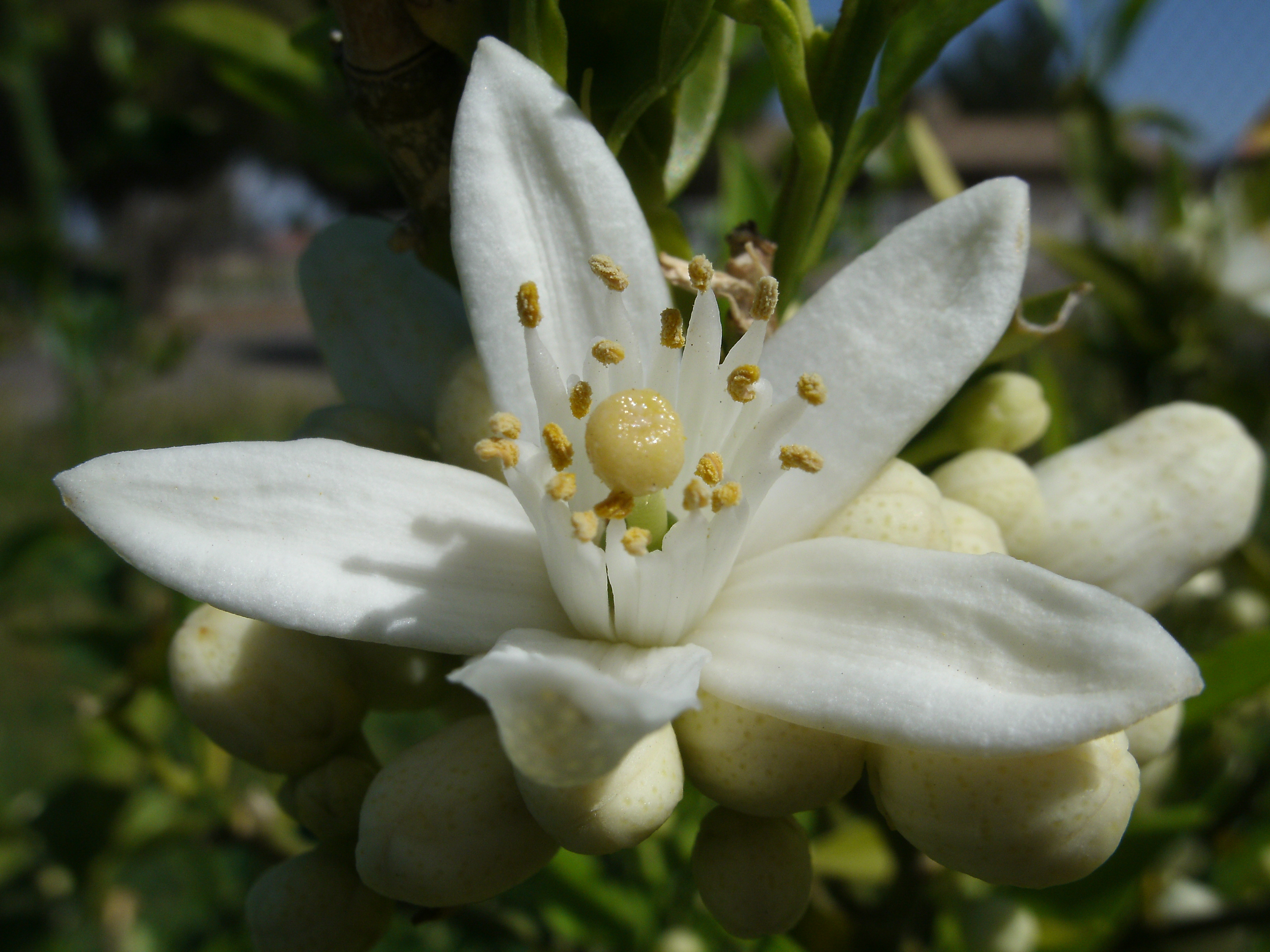
Colloquially, flowers of orange are referred to as such as well. Peach blossoms (including nectarine), most cherry blossoms, and some almond blossoms are usually pink. Plum blossoms, apple blossoms, orange blossoms, some cherry blossoms, and most almond blossoms are white in colour.
Blossoms provide pollen to pollinators such as bees, and initiate cross-pollination necessary for the trees to reproduce by producing fruit.
Herbal use
The ancient Phoenicians used almond blossoms with honey and urine as a tonic, and sprinkled them into stews and gruels to give muscular strength. Crushed petals were also used as a poultice on skin spots and mixed with banana oil, for dry skin and sunburn.
In herbalism the crab apple was used as treatment for boils, abscesses, splinters, wounds, coughs, colds and a host of other ailments ranging from acne to kidney ailments. Many dishes made with apples and apple blossom are of medieval origin. In the spring, monks and physicians would gather the blossoms and preserve them in vinegar for drawing poultices and for bee stings and other insect bites. [[File:MeihuaShan 1.jpg|thumb|[[Plum blossom]]]] Descending from China and south east Asia, the earliest orange species moved westwards via the trade routes. In 17th century Italy peach blossoms were made into a poultice for bruises, rashes, eczema, grazes and stings.
In ancient Greek medicine plum blossoms were used to treat bleeding gums, mouth ulcers and tighten loose teeth. Plum blossoms mixed with sage leaves and flowers were used in plum wine or plum brandy as a mouthwash to sooth sore throats and mouth ailments and sweeten bad breath.
Blossom festivals
Hanami is the Japanese traditional custom of enjoying the transient beauty of flowers; in this case, almost always refer to those of the cherry or, less frequently, plum trees.
In England, Wales and Northern Ireland the National Trust organises the environmental awareness campaign #BlossomWatch, which is designed to raise awareness of the first signs of Spring, by encouraging people to share images of blossoms via social media.
Gallery
File:Almond Blossom in Butte County (2025)-104A8325.jpg|Almond blossoms in Butte County, California File:Blackthorn in blossom.jpg|Blackthorn in blossom File:Apple Tree in Full Bloom.JPG|Apple blossoms in full bloom. File:Pear blossom.jpg|Pear blossoms in full bloom. File:Plum tree in blossom woodvale.jpg|Plum blossoms in full bloom. File:Blossom of Peach (4391499291).jpg|Peach blossoms in full bloom. File:Flowering crabapple in Washington DC.jpg|Crabapple blossoms. File:PikiWiki Israel 28684 White Lemon Blossoms.jpg|Lemon blossoms. File:Strawberry blossom.JPG|Strawberry blossoms. File:Blackberry Blossom - geograph.org.uk - 216207.jpg|Blackberry blossoms. File:شکوفه زردآلو، بهبهان .jpg|alt=Apricot Blossom in Behbahan, Iran|Apricot blossom in Behbahan, Iran File:شکوفه درخت کنار، بهبهان.jpg|alt=Ziziphus Blossom in Behbahan, Iran|Ziziphus blossom in Behbahan, Iran
References
References
- (13 March 2012). "What is Britain's best blossom?". BBC Nature.
- Colby Eierman. (2012). "Fruit Trees in Small Spaces". Timber Press.
- Margaret Roberts. (2000). "Edible & Medicinal Flowers". Interpak Books.
- Margaret Roberts. (2000). "Edible & Medicinal Flowers". Interpak Books.
- Margaret Roberts. (2000). "Edible & Medicinal Flowers". Interpak Books.
- Margaret Roberts. (2000). "Edible & Medicinal Flowers". Interpak Books.
- Margaret Roberts. (2000). "Edible & Medicinal Flowers". Interpak Books.
- Sosnoski, Daniel. (1996). "Introduction to Japanese culture". Tuttle Publishing.
- (2021-04-24). "Blossom watch day: National Trust urges UK to share blooms".
This article was imported from Wikipedia and is available under the Creative Commons Attribution-ShareAlike 4.0 License. Content has been adapted to SurfDoc format. Original contributors can be found on the article history page.
Ask Mako anything about Blossom — get instant answers, deeper analysis, and related topics.
Research with MakoFree with your Surf account
Create a free account to save articles, ask Mako questions, and organize your research.
Sign up freeThis content may have been generated or modified by AI. CloudSurf Software LLC is not responsible for the accuracy, completeness, or reliability of AI-generated content. Always verify important information from primary sources.
Report