From Surf Wiki (app.surf) — the open knowledge base
Bergamot orange
Citrus fruit
Citrus fruit
- Citrus aurantium var. bergamia Loisel
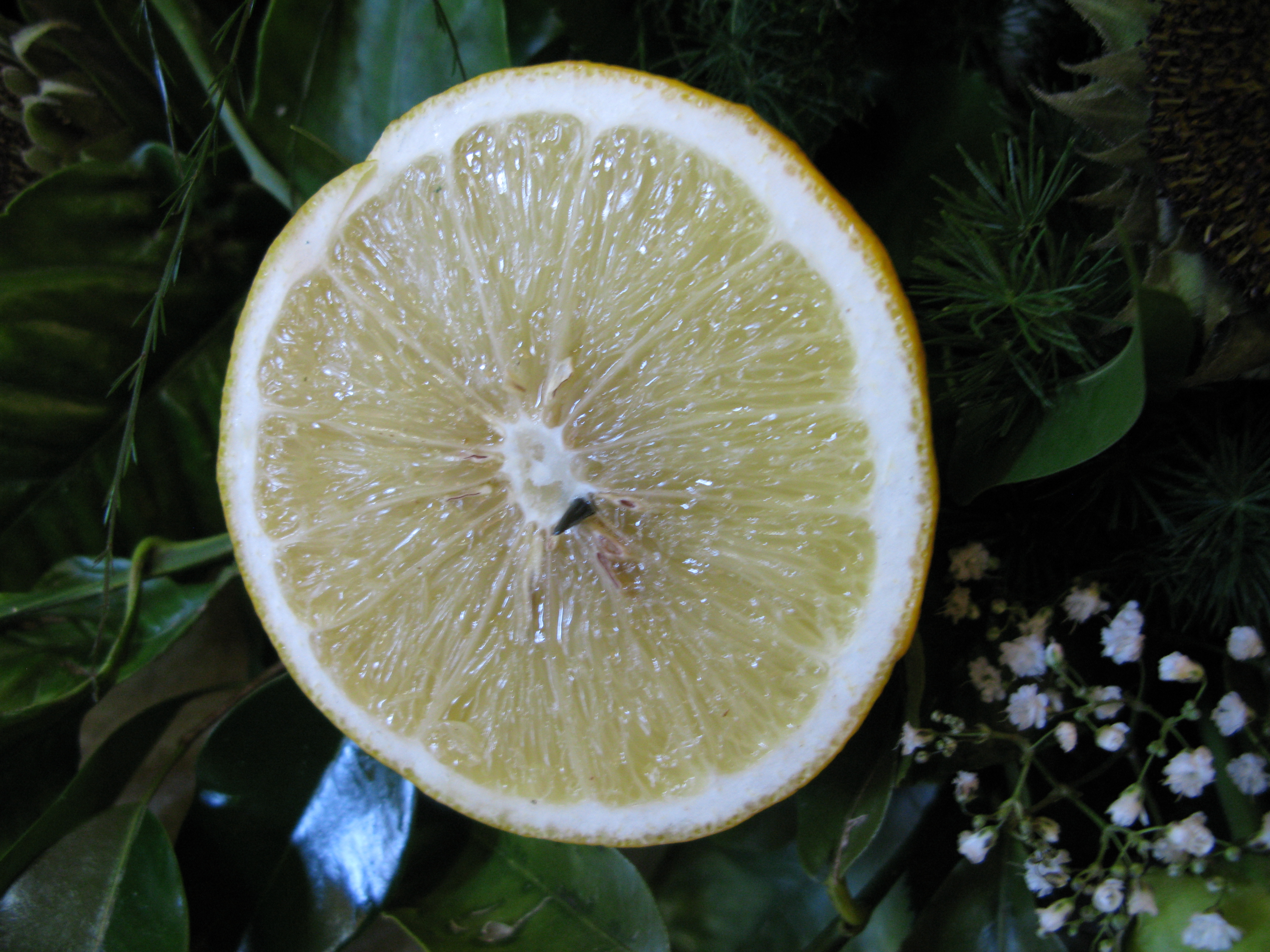
Citrus bergamia, commonly known as the bergamot orange (pronounced ), is a fragrant citrus fruit the size of an orange, with a yellow or green colour similar to a lime, depending on ripeness.
Genetic research into the ancestral origins of extant citrus cultivars found bergamot orange to be a probable hybrid of lemon (itself a hybrid between bitter orange and citron) and bitter orange. Extracts have been used as an aromatic ingredient in food, tea, snus, perfumes, and cosmetics. Use on the skin can increase photosensitivity, resulting in greater damage from sun exposure.
Etymology
The word bergamot is derived from the Italian word bergamotto, derived either from the Italian town of Bergamo or Ottoman Turkish beg armudu (بك آرمودی, 'prince's pear').
Description
Citrus bergamia is a small tree that blossoms during the winter. The juice tastes less sour than lemon, but more bitter than grapefruit.
Phytochemicals
Bergamot fruit or oil contains flavonoids, such as neoeriocitrin, naringin, neohesperidin, melitidin, brutieridin, and bergamottin. Bergamot leaves contain different indole alkaloids, such as N,N,N-trimethyltryptamine.
Taxonomy
The bergamot orange is unrelated to the herbs known as bergamot, wild bergamot, bergamot mint, or bergamint – Monarda didyma, M. fistulosa, and Eau de Cologne mint (Mentha, disputed species). Those are all in the mint family, and are named for their similar aroma.
The C. bergamia is frequently misidentified as another citrus, C. hystrix (kaffir lime), due to the latter occasionally going by the name "Thai Bergamot". Citrus bergamia has also been classified as C. aurantium subsp. bergamia (i.e., a subspecies of bitter orange). C. bergamia is sometimes confused with C. medica (the citron, the yellow fruit of which is also known as etrog), and with C. limetta, the "sweet lemon" or "sweet lime".
Production

The bergamot is a citrus fruit grown mostly in Mediterannean areas. Production is on large scale in the Ionian Sea coastal areas of the province of Reggio di Calabria in Italy, to such an extent that it is a symbol of the entire city. Most of the bergamot production of Italy is at this short stretch of coastal land, where the climate is favorable. There are three different cultivars of bergamot fruits that are traditionally grown, namely Feminello, Fantastico and Castagnaro.
Bergamot is also grown in southern France and the Ivory Coast for the essential oil, and in Antalya in southern Turkey for its marmalade. The fruit is not generally grown for juice consumption. The fruit is also cultivated in Argentina, Brazil, North Africa, Iran and Greece.
Adulteration with cheaper products such as oil of rosewood and bergamot mint has been a problem for consumers. To protect the reputation of their produce, the Italian government introduced tight controls, including testing and certificates of purity. The Stazione Sperimentale per le Industrie delle Essenze e dei Derivati dagli Agrumi (Experimental Station for Essential Oil and Citrus By-Products) located in Reggio di Calabria, is the quality control body for the essential oil Bergamotto di Reggio Calabria DOP.
During World War II, Italy was unable to export to countries such as the Allied powers. Rival products from Brazil and Mexico came onto the market as a substitute, but these were produced from other citrus fruits such as sweet lime.
Uses
Tea and other uses as a flavouring

An essence extracted from the aromatic skin of this sour fruit is used to flavour Earl Grey and Lady Grey teas, Bergamot is one of the most common "casings" (flavourings) added to Swedish snus, a smokeless tobacco product. The leftover peels were traditionally made into small souvenir boxes or snuff containers.
Fragrance
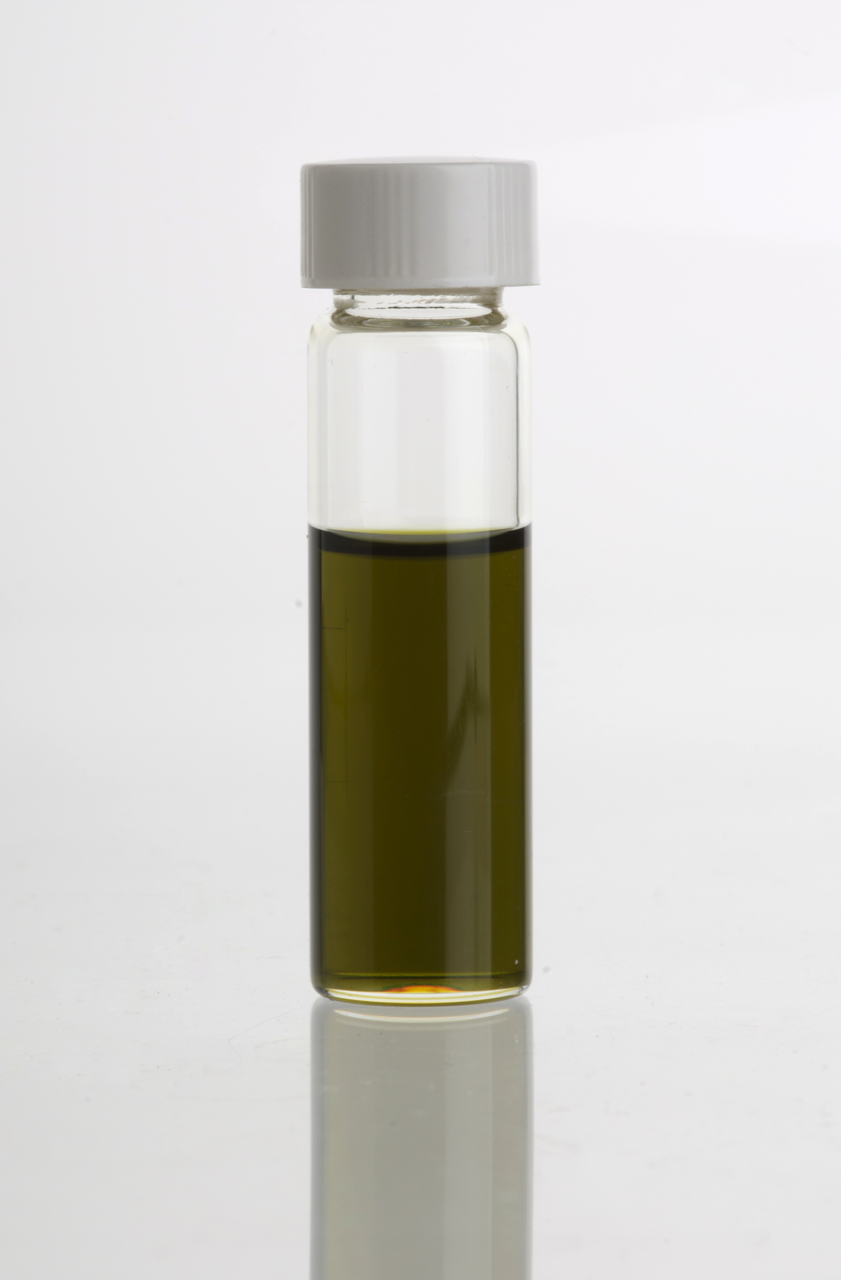
Bergamot oil is one of the most commonly used ingredients in perfumery. It is prized for its ability to combine with an array of scents to form a bouquet of aromas that complement each other. Bergamot is a major component of the original Eau de Cologne composed by Jean-Marie Farina at the beginning of the 18th century in Germany.
Medical effects
Toxicology
In several patch test studies, application of some sources of bergamot oil directly to the skin of guinea pigs was shown to have a concentration-dependent phototoxic effect of increasing redness after exposure to ultraviolet light (due to the chemical bergapten, and possibly also citropten, bergamottin, geranial, and neral). This is a property shared by many other citrus fruits and other members of Rutaceae, including rue.
Skin effects
Used in cosmetics and perfume products, bergamot may cause skin irritation. the substances nonetheless were used in tanning activators until 1995, contributing to many cases of melanoma and death.
Research
As of 2017, clinical research conducted on bergamot oil has been of poor quality, with no conclusions about its possible biological effects. Consuming bergamot oil as a component of tea may cause muscle cramps. Use on the skin may be unsafe, particularly for children and pregnant women, and may cause rashes resulting from photodermatotoxicity.
References
References
- "The International Plant Names Index".
- Porcher, Michel H.. (1995). "Multilingual Multiscript Plant Name Database (M.M.P.N.D): Sorting Citrus Names". The University of Melbourne.
- (2001). "Lemons: Diversity and Relationships with Selected ''Citrus'' Genotypes as Measured with Nuclear Genome Markers". Journal of the American Society for Horticultural Science.
- [https://www.sciencedaily.com/releases/2011/01/110118101600.htm Genetic origin of cultivated citrus determined: Researchers find evidence of origins of orange, lime, lemon, grapefruit, other citrus species"] {{Webarchive. link. (September 21, 2017 , ''Science Daily,'' January 26, 2011 (Retrieved February 10, 2017).)
- (2016). "Phylogenetic origin of limes and lemons revealed by cytoplasmic and nuclear markers". Annals of Botany.
- (21 September 2021). "Bergamot oil". [[Drugs.com]].
- Davidson, Alan. (2006). "The Oxford Companion to Food". OUP Oxford.
- (2022). "Bergamot". [[Online Etymology Dictionary]].
- Anika. (2021-10-25). "Bergamot orange: planting, care & use".
- (2015). "Bergamot (''Citrus bergamia'' Risso) Flavonoids and Their Potential Benefits in Human Hyperlipidemia and Atherosclerosis: an Overview". [[Mini-Reviews in Medicinal Chemistry]].
- (2013-05-17). "Citrus genus plants contain N-methylated tryptamine derivatives and their 5-hydroxylated forms". [[Journal of Agricultural and Food Chemistry]].
- (2025-08-15). "Is Bergamot a Flower? The Tale of Two Different Plants".
- Fulcher, Liz. (2013-07-25). "Have You Ever Been Confused by this Essential Oil Name?".
- Robby. (2025-01-02). "Is Bergamot the Same as Bee Balm? Clearing Up the Confusion".
- Hasa. (2022-01-06). "What is the Difference Between Bergamot and Kaffir Lime".
- {{GRIN. ''Citrus bergamia''
- RobynFrank. (2017-11-29). "Bergamot - an Identity Crisis".
- Attlee, Helena. (2015). "The land where lemons grow: the story of Italy and its citrus fruit". Penguin Books.
- "Socio-Economic Impact Reports of the Naturals, Bergamot".
- Maruca, Gino. (2017). "The Fascinating History of Bergamot (Citrus Bergamia Risso & Poiteau), the Exclusive Essence of Calabria: A Review". Journal of Environmental Science and Engineering.
- "Bergamot Orange - ''Citrus aurantium'' ssp ''bergamia''". tradewindsfruit.com.
- "PROSEA - Plant Resources of South East Asia".
- Aktas, Ali. (26 October 2004). "Reçellerin gözdesi, Bergamut". [[Zaman (newspaper).
- Clapton, Rachel. (2022-04-16). "Bergamot: Ingredient Guide, Info, Smell & More!".
- Lauro, Filomena. (October 2016). "The protective role of bergamot polyphenolic fraction on several animal models of pain". PharmaNutrition.
- Attlee, Helena. (2015). "The land where lemons grow: the story of Italy and its citrus fruit". Penguin Books.
- "Bergamot Citrus, varieties, production, seasonality {{!}} Libertyprim".
- Brannt, William Theodore; Schaedler, Karl. ''A Practical Treatise on Animal and Vegetable Fats and Oils''
- "Decreto 15 novembre 2005 – Designazione della Stazione sperimentale per le industrie delle essenze e dei derivati degli agrumi quale autorità pubblica, incaricata di effettuare i controlli sulla denominazione di origine protetta "Bergamotto di Reggio Calabria", registrata in ambito Unione europea, ai sensi del regolamento (CEE) n. 2081/92". Institute of Services for the Agricultural and Food Market.
- Board, Niir (2011). "Oil of Bergamot." ''The Complete Technology Book of Essential Oils (Aromatic Chemicals)''. p. 75. {{ISBN. 978-81-7833-066-2.
- as well as [[confectionery]] (including [[Turkish delight]]).Garbee, Jenn (2011, January 06). [https://www.latimes.com/food/la-fo-artisan-turkish-delight-20110106-story.html Three generations of Turkish delight in Southern California]. ''Los Angeles Times''.
- "Bergamot Flavor - Buy best snus flavors {{!}} Best snus online".
- (15 October 2019). "“Bergamote” fragrance cases: an 18th-century creation by Grasse".
- "The Bergamot Snuffboxes".
- Zoe Diana Draelos. (14 October 2015). "Cosmetic Dermatology: Products and Procedures". Wiley.
- (23 August 2013). "''Citrus bergamia'': Bergamot and its Derivatives". CRC Press.
- (2002). "Citrus: the genus citrus". Taylor & Francis.
- (1979). "Phototoxicity of Bergamot oil. Comparison between humans and guinea pigs". [[Dermatologica]].
- (2007). "Phototoxicity of bergamot oil assessed by in vitro techniques in combination with human patch tests". Toxicology in Vitro.
- (2024). "Traditional Uses, Phytochemistry, Pharmacology and Toxicology of Ruta graveolens L.: A Critical Review and Future Perspectives". Drug Design, Development and Therapy.
- (1995). "Melanoma and use of sunscreens: An EORTC case control study in Germany, Belgium and France". [[Int. J. Cancer]].
- (1997). "Should subjects who used psoralen suntan activators be screened for melanoma?". [[Annals of Oncology]].
- (2017). "Clinical pharmacology of ''Citrus bergamia'': A systematic review". [[Phytotherapy Research]].
- (2015). "''Citrus bergamia'' essential oil: from basic research to clinical application". [[Frontiers in Pharmacology]].
This article was imported from Wikipedia and is available under the Creative Commons Attribution-ShareAlike 4.0 License. Content has been adapted to SurfDoc format. Original contributors can be found on the article history page.
Ask Mako anything about Bergamot orange — get instant answers, deeper analysis, and related topics.
Research with MakoFree with your Surf account
Create a free account to save articles, ask Mako questions, and organize your research.
Sign up freeThis content may have been generated or modified by AI. CloudSurf Software LLC is not responsible for the accuracy, completeness, or reliability of AI-generated content. Always verify important information from primary sources.
Report