From Surf Wiki (app.surf) — the open knowledge base
Bab az-Zahra
Neighborhood in East Jerusalem
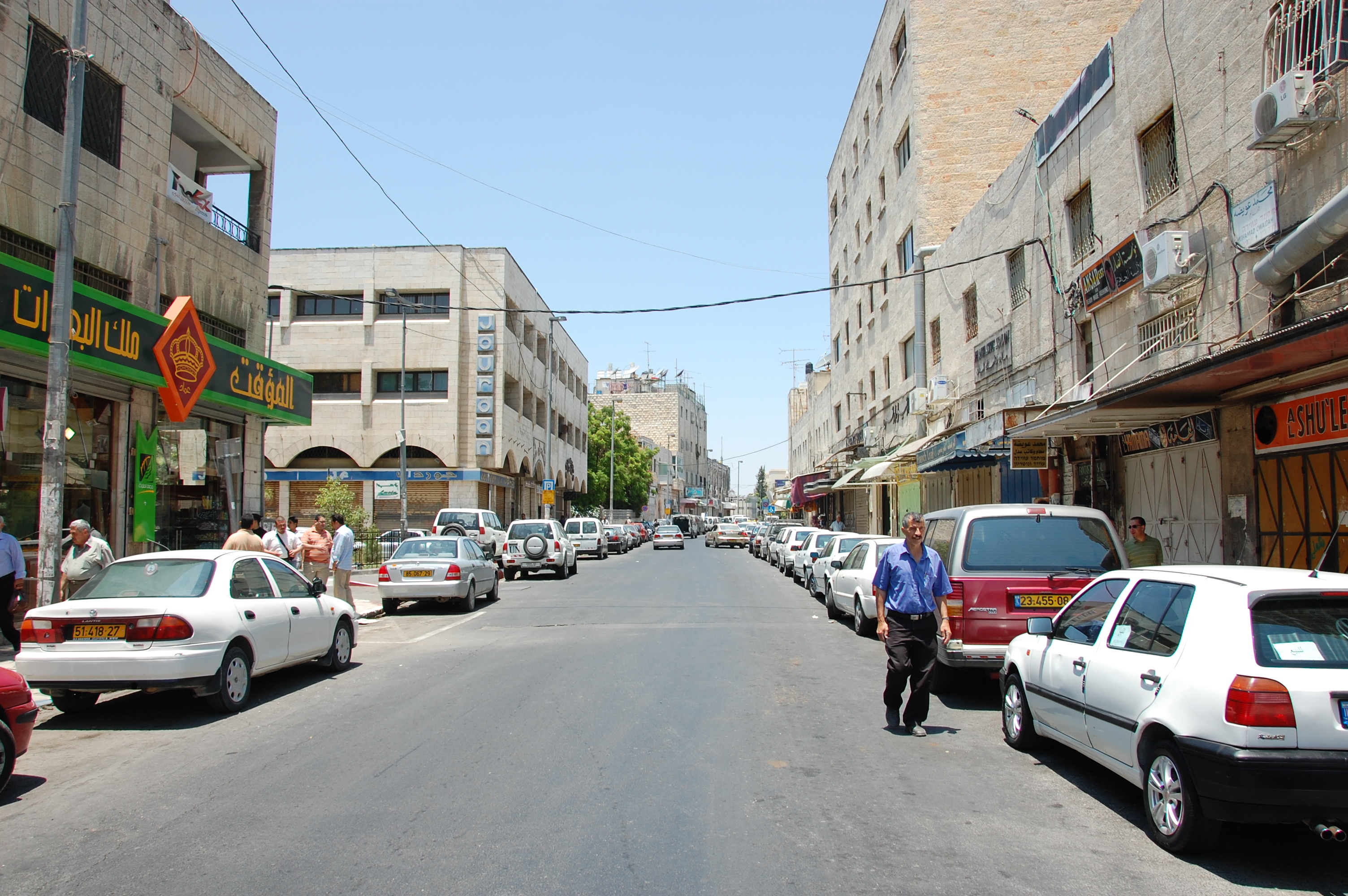
Neighborhood in East Jerusalem
Bab az-Zahra () is an Arab neighborhood in East Jerusalem, north of the Old City. It is bordered by the American Colony to the north, Wadi al-Joz to the east, Herod's Gate and Damascus Gate on its south, and Mas'udiyyah and Mea Shearim to the west. Herod's Gate, which is called Bab az-Zahra in Arabic, lent its name to this neighborhood.
History
At the end of the Roman Period, the building of the so-called Third Wall of Jerusalem, started under the reign of Herod Agrippa I (r. 41-44 CE), finished by the rebels around 66 CE and destroyed by the Romans at the end of the First Jewish–Roman War in 70 CE, meant that the area was included for a short while behind the protective walls of the city.
The modern neighborhood was founded at the end of the 19th century along the road to Nablus in the proximity of The Garden Tomb, and was one of the first Arab neighborhoods built outside the Old City walls.
First during the British Mandate in Palestine, and then even more so under Jordanian rule after the partition of Jerusalem in 1948, the neighborhood became a commercial center of East Jerusalem.
Features
The main thoroughfares of the neighborhood, Nablus Road, Saladin Street (Salah ad-Din Street), az-Zahra Street and surrounding streets are major commercial centers. Branches of the main banks and restaurants have offices there. The commercial area continues uninterrupted through Damascus Gate with the open market in the Muslim Quarter of the Old City. In the eastern part of the neighborhood resides the Rockefeller Archeological Museum, which was opened in 1937. Also on Saladin Street are the district court, the judiciary office, and the legal counsel for the government. Another famous building in this neighborhood is the Orient House.
References
References
This article was imported from Wikipedia and is available under the Creative Commons Attribution-ShareAlike 4.0 License. Content has been adapted to SurfDoc format. Original contributors can be found on the article history page.
Ask Mako anything about Bab az-Zahra — get instant answers, deeper analysis, and related topics.
Research with MakoFree with your Surf account
Create a free account to save articles, ask Mako questions, and organize your research.
Sign up freeThis content may have been generated or modified by AI. CloudSurf Software LLC is not responsible for the accuracy, completeness, or reliability of AI-generated content. Always verify important information from primary sources.
Report