From Surf Wiki (app.surf) — the open knowledge base
Alluvium
Loose soil or sediment that is eroded and redeposited in a non-marine setting
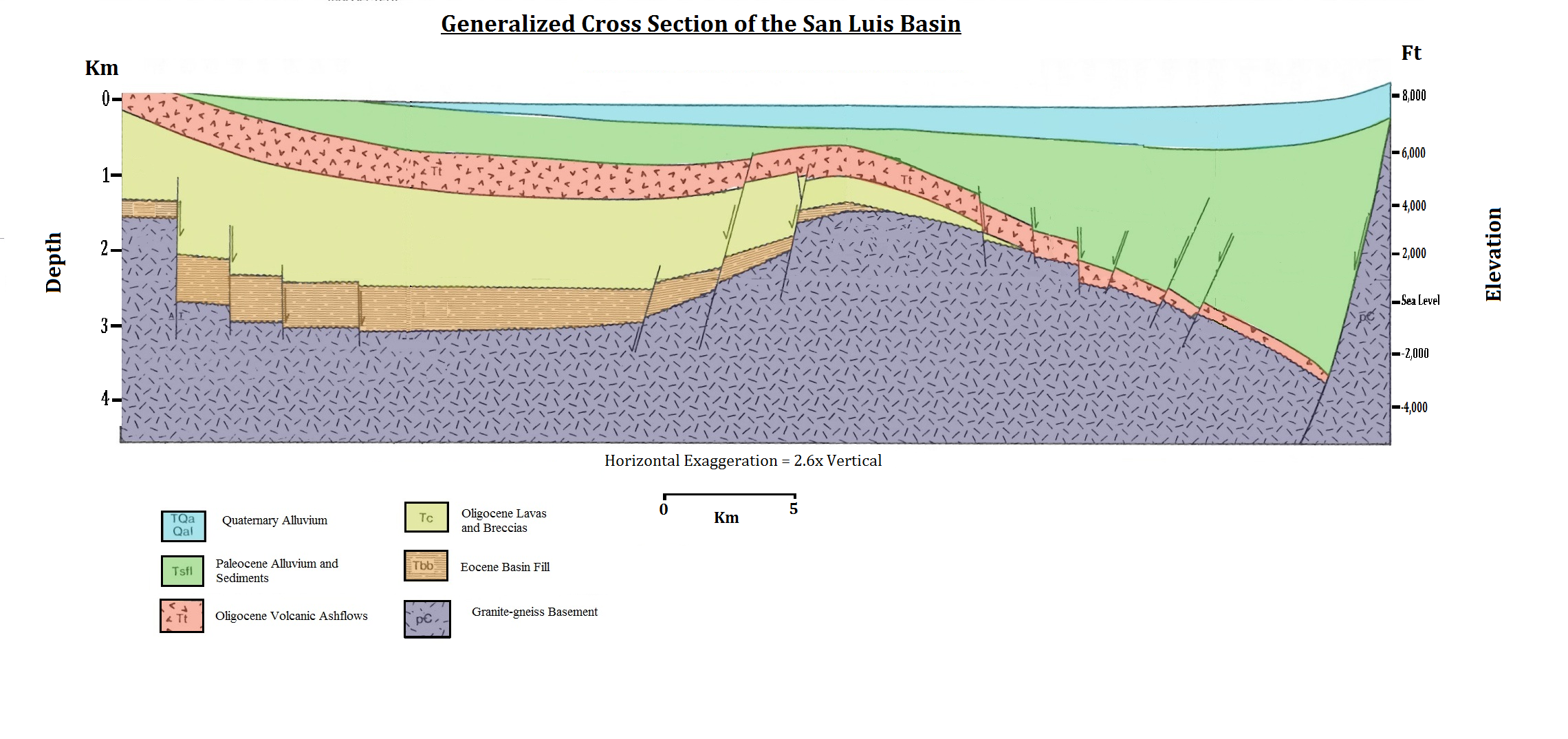
Loose soil or sediment that is eroded and redeposited in a non-marine setting
Alluvium (, ) is loose clay, silt, sand, or gravel that has been deposited by running water in a stream bed, on a floodplain, in an alluvial fan or beach, or in similar settings. Alluvium is also sometimes called alluvial deposit. Alluvium is typically geologically young and is not consolidated into solid rock. Sediments deposited underwater, in seas, estuaries, lakes, or ponds, are not described as alluvium. Floodplain alluvium can be highly fertile, and supported some of the earliest human civilizations.
Definitions
The present consensus is that "alluvium" refers to loose sediments of all types deposited by running water in floodplains or in alluvial fans or related landforms. However, the meaning of the term has varied considerably since it was first defined in the French dictionary of Antoine Furetière, posthumously published in 1690. Drawing upon concepts from Roman law, Furetière defined alluvion (the French term for alluvium) as new land formed by deposition of sediments along rivers and seas.
By the 19th century, the term had come to mean recent sediments deposited by rivers on top of older diluvium, which was similar in character but interpreted as sediments deposited by Noah's flood. With the rejection by geologists of the concept of a primordial universal flood, the term "diluvium" fell into disfavor and was replaced with "older alluvium". At the same time, the term "alluvium" came to mean all sediment deposits due to running water on plains. The definition gradually expanded to include deposits in estuaries, coasts, and young rock of marine and fluvial origin.
Alluvium and diluvium were grouped as colluvium in the late 19th century. "Colluvium" is now generally understood as sediments produced by gravity-driven transport on steep slopes. At the same time, the definition of "alluvium" has switched back to an emphasis on sediments deposited by river action. There continues to be disagreement over what other sediment deposits should be included under the term "alluvium".
Age
Most alluvium is Quaternary in age and is often referred to as "cover" because these sediments obscure the underlying bedrock. Most sedimentary material that fills a basin ("basin fill") that is not lithified is typically lumped together as "alluvial". Alluvium of Pliocene age occurs, for example, in parts of Idaho. Alluvium of late Miocene age occurs, for example, in the valley of the San Joaquin River, California.
References
References
- (1997). "Glossary of geology.". American Geological Institute.
- [https://web.archive.org/web/20110501155938/http://www.geotech.org/survey/geotech/dictiona.html Glossary of Geological Terms]. Geotech.org. Retrieved on 2012-02-12.
- [http://geology.com/dictionary/glossary-a.shtml Geology Dictionary – Alluvial, Aquiclude, Arkose]. Geology.Com. Retrieved on 2012-02-12.
- (1997). "Glossary of geology.". American Geological Institute.
- (2013). "A dictionary of geology and earth sciences". Oxford University Press.
- (July 2012). "The Alluvial Geoarchaeology of the Sanyangzhuang Site on the Yellow River Floodplain, Henan Province, China: THE YELLOW RIVER FLOODPLAIN, HENAN PROVINCE". Geoarchaeology.
- (October 2020). "The colluvium and alluvium problem: Historical review and current state of definitions". Earth-Science Reviews.
- {{Cite EB1911
- Ames, Dan. (1998). "Soil Survey of Jerome County and Part of Twin Falls County, Idaho". Natural Resources Conservation Service, [[United States Department of Agriculture]].
- Huber, N. King. (1981). "Amount and Timing of Late Cenozoic Uplift and Tilt of the Central Sierra Nevada, California—Evidence from the Upper San Joaquin River Basin (USGS Professional Paper 1197)". [[USGS]].
This article was imported from Wikipedia and is available under the Creative Commons Attribution-ShareAlike 4.0 License. Content has been adapted to SurfDoc format. Original contributors can be found on the article history page.
Ask Mako anything about Alluvium — get instant answers, deeper analysis, and related topics.
Research with MakoFree with your Surf account
Create a free account to save articles, ask Mako questions, and organize your research.
Sign up freeThis content may have been generated or modified by AI. CloudSurf Software LLC is not responsible for the accuracy, completeness, or reliability of AI-generated content. Always verify important information from primary sources.
Report