From Surf Wiki (app.surf) — the open knowledge base
Algae
Diverse group of photosynthetic organisms
Diverse group of photosynthetic organisms
| Field | Value | |
|---|---|---|
| above | Algae | |
| abovestyle | background:; color:black; | |
| subheader | Organisms that perform oxygenic photosynthesis, except land plants | |
| image | [[File:NSW seabed 1.JPG | 210px]] |
| caption | Marine algae growing on the sea bed in shallow waters | |
| image2 | [[File:Водоросли пресноводного водоема 2.jpg | 210px]] |
| caption2 | Freshwater microscopic unicellular and colonial algae | |
| headerstyle | background:; color:black; | |
| labelstyle | background:#dbffdb; color:black; | |
| header1 | Traditional algal divisions | |
| label2 | Prokaryotic | |
| data2 | Cyanobacteria | |
| label3 | Eukaryotic (primary endosymbiosis) | |
| data3 | Glaucophyta, Rhodophyta, Prasinodermophyta, Chlorophyta, Charophyta* | |
| label4 | Eukaryotic (secondary endosymbiosis) | |
| data4 | Chlorarachniophyta, Chromeridophyta, Cryptista (partially), Dinoflagellata, Euglenophyta (partially), Haptophyta, Heterokontophyta | |
| data5 | *paraphyletic, it excludes land plants | |
| header6 | Diversity | |
| label7 | Living | |
| data7 | 50,605 species | |
| label8 | Fossil | |
| data8 | 10,556 species |
Algae ( , ; : alga ) is an informal term for any organisms of a large and diverse group of photosynthetic organisms that are not land plants, and includes species from multiple distinct clades. Such organisms range from unicellular microalgae, such as cyanobacteria, Chlorella, and diatoms, to multicellular macroalgae such as kelp or brown algae which may grow up to 50 m in length. Most algae are aquatic organisms and lack many of the distinct cell and tissue types, such as stomata, xylem, and phloem that are found in land plants. The largest and most complex marine algae are called seaweeds. In contrast, the most complex freshwater forms are the Charophyta, a division of green algae which includes, for example, Spirogyra and stoneworts. Algae that are carried passively by water are plankton, specifically phytoplankton.
Algae constitute a polyphyletic group because they do not include a common ancestor, and although eukaryotic algae with chlorophyll-bearing plastids seem to have a single origin (from symbiogenesis with cyanobacteria), they were acquired in different ways. Green algae are a prominent example of algae that have primary chloroplasts derived from endosymbiont cyanobacteria. Diatoms and brown algae are examples of algae with secondary chloroplasts derived from endosymbiotic red algae, which they acquired via phagocytosis. Algae exhibit a wide range of reproductive strategies, from simple asexual cell division to complex forms of sexual reproduction via spores.
Algae lack the various structures that characterize plants (which evolved from freshwater green algae), such as the phyllids (leaf-like structures) and rhizoids of bryophytes (non-vascular plants), and the roots, leaves and other xylemic/phloemic organs found in tracheophytes (vascular plants). Most algae are autotrophic, although some are mixotrophic, deriving energy both from photosynthesis and uptake of organic carbon either by osmotrophy, myzotrophy or phagotrophy. Some unicellular species of green algae, many golden algae, euglenids, dinoflagellates, and other algae have become heterotrophs (also called colorless or apochlorotic algae), sometimes parasitic, relying entirely on external energy sources and have limited or no photosynthetic apparatus. Some other heterotrophic organisms, such as the apicomplexans, are also derived from cells whose ancestors possessed chlorophyllic plastids, but are not traditionally considered as algae. Algae have photosynthetic machinery ultimately derived from cyanobacteria that produce oxygen as a byproduct of splitting water molecules, unlike other organisms that conduct anoxygenic photosynthesis such as purple and green sulfur bacteria. Fossilized filamentous algae from the Vindhya basin have been dated to 1.6 to 1.7 billion years ago.
Because of the wide range of types of algae, there is a correspondingly wide range of industrial and traditional applications in human society. Traditional seaweed farming practices have existed for thousands of years and have strong traditions in East Asian food cultures. More modern algaculture applications extend the food traditions for other applications, including cattle feed, using algae for bioremediation or pollution control, transforming sunlight into algae fuels or other chemicals used in industrial processes, and in medical and scientific applications. A 2020 review found that these applications of algae could play an important role in carbon sequestration to mitigate climate change while providing lucrative value-added products for global economies.
Etymology and study
The singular alga is the Latin word for 'seaweed' and retains that meaning in English. The etymology is obscure. Although some speculate that it is related to Latin algēre, 'be cold', no reason is known to associate seaweed with temperature. A more likely source is alliga, 'binding, entwining'.
The Ancient Greek word for 'seaweed' was φῦκος (phŷkos), which could mean either the seaweed (probably red algae) or a red dye derived from it. The Latinization, fūcus, meant primarily the cosmetic rouge. The etymology is uncertain, but a strong candidate has long been some word related to the Biblical פוך (pūk), 'paint' (if not that word itself), a cosmetic eye-shadow used by the ancient Egyptians and other inhabitants of the eastern Mediterranean. It could be any color: black, red, green, or blue.
The study of algae is most commonly called phycology (); the term algology is falling out of use.
Description
The algae are a heterogeneous group of mostly photosynthetic organisms that produce oxygen and lack the reproductive features and structural complexity of land plants. This concept includes the cyanobacteria, which are prokaryotes, and all photosynthetic protists, which are eukaryotes. They contain chlorophyll a as their primary photosynthetic pigment, and generally inhabit aquatic environments.
However, there are many exceptions to this definition. Many non-photosynthetic protists are included in the study of algae, such as the heterotrophic relatives of euglenophytes or the numerous species of colorless algae that have lost their chlorophyll during evolution (e.g., Prototheca). Some exceptional species of algae tolerate dry terrestrial habitats, such as soil, rocks, or caves hidden from light sources, although they still need enough moisture to become active.
Morphology
A range of algal morphologies is exhibited, and convergence of features in unrelated groups is common. The only groups to exhibit three-dimensional multicellular thalli are the reds and browns, and some chlorophytes. Apical growth is constrained to subsets of these groups: the florideophyte reds, various browns, and the charophytes. The form of charophytes is quite different from those of reds and browns, because they have distinct nodes, separated by internode 'stems'; whorls of branches reminiscent of the horsetails occur at the nodes. Conceptacles are another polyphyletic trait; they appear in the coralline algae and the Hildenbrandiales, as well as the browns.
Most of the simpler algae are unicellular flagellates or amoeboids, but colonial and nonmotile forms have developed independently among several of the groups. Some of the more common organizational levels, more than one of which may occur in the lifecycle of a species, are
- Colonial: small, regular groups of motile cells
- Capsoid: individual non-motile cells embedded in mucilage
- Coccoid: individual non-motile cells with cell walls
- Palmelloid: nonmotile cells embedded in mucilage
- Filamentous: a string of connected nonmotile cells, sometimes branching
- Parenchymatous: cells forming a thallus with partial differentiation of tissues
In three lines, even higher levels of organization have been reached, with full tissue differentiation. These are the brown algae,—some of which may reach 50 m in length (kelps)—the red algae, and the green algae. The most complex forms are found among the charophyte algae (see Charales and Charophyta), in a lineage that eventually led to the higher land plants. The innovation that defines these nonalgal plants is the presence of female reproductive organs with protective cell layers that protect the zygote and developing embryo. Hence, the land plants are referred to as the Embryophytes.
Turfs
The term algal turf is commonly used but poorly defined. Algal turfs are thick, carpet-like beds of seaweed that retain sediment and compete with foundation species like corals and kelps, and they are usually less than 15 cm tall. Such a turf may consist of one or more species, and will generally cover an area in the order of a square metre or more. Some common characteristics are listed:
- Algae that form aggregations that have been described as turfs include diatoms, cyanobacteria, chlorophytes, phaeophytes and rhodophytes. Turfs are often composed of numerous species at a wide range of spatial scales, but monospecific turfs are frequently reported.
- Turfs can be morphologically highly variable over geographic scales and even within species on local scales and can be difficult to identify in terms of the constituent species.
- Turfs have been defined as short algae, but this has been used to describe height ranges from less than 0.5 cm to more than 10 cm. In some regions, the descriptions approached heights which might be described as canopies (20 to 30 cm).
Physiology
Many algae, particularly species of the Characeae, have served as model experimental organisms to understand the mechanisms of the water permeability of membranes, osmoregulation, salt tolerance, cytoplasmic streaming, and the generation of action potentials. Plant hormones are found not only in higher plants, but in algae, too.
Life cycle
Rhodophyta, Chlorophyta, and Heterokontophyta, the three main algal divisions, have life cycles which show considerable variation and complexity. In general, an asexual phase exists where the seaweed's cells are diploid, a sexual phase where the cells are haploid, followed by fusion of the male and female gametes. Asexual reproduction permits efficient population increases, but less variation is possible. Commonly, in sexual reproduction of unicellular and colonial algae, two specialized, sexually compatible, haploid gametes make physical contact and fuse to form a zygote. To ensure a successful mating, the development and release of gametes is highly synchronized and regulated; pheromones may play a key role in these processes. Sexual reproduction allows for more variation and provides the benefit of efficient recombinational repair of DNA damages during meiosis, a key stage of the sexual cycle. However, sexual reproduction is more costly than asexual reproduction. Meiosis has been shown to occur in many different species of algae.
Diversity
The most recent estimate (as of January 2024) documents 50,605 living and 10,556 fossil algal species, according to the online database AlgaeBase. They are classified into 15 phyla or divisions. Some phyla are not photosynthetic, namely Picophyta and Rhodelphidophyta, but they are included in the database due to their close relationship with red algae.
| phylum (division) | describedgenera | described species | living | fossil | total | Total |
|---|---|---|---|---|---|---|
| "Charophyta" (Streptophyta without land plants) | 236 | 704 | ||||
| Chlorarachniophyta | 10 | 16 | 0 | 16 | ||
| Chlorophyta | ||||||
| Chromeridophyta | 6 | 8 | 0 | 8 | ||
| Cryptista (not all species are algae) | 44 | 245 | 0 | 245 | ||
| Cyanobacteria | 866 | |||||
| Dinoflagellata (Dinophyta) | 710 | 955 | ||||
| Euglenophyta (not all species are algae) | 164 | 20 | ||||
| Glaucophyta | 8 | 25 | 0 | 25 | ||
| Haptophyta (not all species are algae) | 391 | 517 | 1205 | |||
| Heterokontophyta | ||||||
| Picophyta (Picobiliphyta) | 1 | 1 | 0 | 1 | ||
| Prasinodermophyta | 5 | 10 | 0 | 10 | ||
| Rhodelphidophyta | 1 | 2 | 0 | 2 | ||
| Rhodophyta | 278 | |||||
| *Incertae sedis* fossils | 887 | 0 |
The various algal phyla can be differentiated according to several biological traits. They have distinct morphologies, photosynthetic pigmentation, storage products, cell wall composition, and mechanisms of carbon concentration. Some phyla have unique cellular structures.
Prokaryotic algae
Among prokaryotes, five major groups of bacteria have evolved the ability to photosynthesize, including heliobacteria, green sulfur and nonsulfur bacteria and proteobacteria. However, the only lineage where oxygenic photosynthesis has evolved is in the cyanobacteria, named for their blue-green (cyan) coloration and often known as blue-green algae. They are classified as the phylum Cyanobacteriota or Cyanophyta. However, this phylum also includes two classes of non-photosynthetic bacteria: Melainabacteria (also called Vampirovibrionia or Vampirovibrionophyceae) and Sericytochromatia (also known as Blackallbacteria). A third class contains the photosynthetic ones, known as Cyanophyceae (also called Cyanobacteriia or Oxyphotobacteria).
As bacteria, their cells lack membrane-bound organelles, with the exception of thylakoids. Like other algae, cyanobacteria have chlorophyll a as their primary photosynthetic pigment. Their accessory pigments include phycobilins (phycoerythrobilin and phycocyanobilin), carotenoids and, in some cases, b, d, or f chlorophylls, generally distributed in phycobilisomes found in the surface of thylakoids. They display a variety of body forms, such as single cells, colonies, and unbranched or branched filaments. Their cells are commonly covered in a sheath of mucilage, and they also have a typical gram-negative bacterial cell wall composed largely of peptidoglycan. They have various storage particles, including cyanophycin as aminoacid and nitrogen reserves, "cyanophycean starch" (similar to plant amylose) for carbohydrates, and lipid droplets. Their Rubisco enzymes are concentrated in carboxysomes. They occupy a diverse array of aquatic and terrestrial habitats, including extreme environments from hot springs to polar glaciers. Some are subterranean, living via hydrogen-based lithoautotrophy instead of photosynthesis.
Three lineages of cyanobacteria, Prochloraceae, Prochlorothrix and Prochlorococcus, independently evolved to have chlorophylls a and b instead of phycobilisomes. Due to their different pigmentation, they were historically grouped in a separate division, Prochlorophyta, as this is the typical pigmentation seen in green algae (e.g., chlorophytes). Eventually, this classification became obsolete, as it is a polyphyletic grouping.
Cyanobacteria are included as algae by most phycological sources and by the International Code of Nomenclature for algae, fungi, and plants, although a few authors exclude them from the definition of algae and reserve the term for eukaryotes only.
Eukaryotic algae
Eukaryotic algae contain chloroplasts that are similar in structure to cyanobacteria. Chloroplasts contain circular DNA like that in cyanobacteria and are interpreted as representing reduced endosymbiotic cyanobacteria. However, the exact origin of the chloroplasts is different among separate lineages of algae, reflecting their acquisition during different endosymbiotic events. Many groups contain some members that are no longer photosynthetic. Some retain plastids, but not chloroplasts, while others have lost plastids entirely.
Primary algae
These algae, grouped in the clade Archaeplastida (meaning 'ancient plastid'), have "primary chloroplasts", i.e. the chloroplasts are surrounded by two membranes and probably developed through a single endosymbiotic event with a cyanobacterium. The chloroplasts of red algae have chlorophylls a and c (often), and phycobilins, while those of green algae have chloroplasts with chlorophyll a and b without phycobilins. Land plants are pigmented similarly to green algae and probably developed from them, thus the Chlorophyta is a sister taxon to the plants; sometimes the Chlorophyta, the Charophyta, and land plants are grouped together as the Viridiplantae.
There is also a minor group of algae with primary plastids of different origin than the chloroplasts of the archaeplastid algae. The photosynthetic plastid of three species of the genus Paulinella (Rhizaria – Cercozoa – Euglyphida), often referred to as a 'cyanelle', was originated in the endosymbiosis of a α-cyanobacterium (probably an ancestral member of Chroococcales).
Secondary algae
These algae appeared independently in various distantly related lineages after acquiring a chloroplast derived from another eukaryotic alga. Two lineages of secondary algae, chlorarachniophytes and euglenophytes have "green" chloroplasts containing chlorophylls a and b. Their chloroplasts are surrounded by four and three membranes, respectively, and were probably retained from ingested green algae.
- Chlorarachniophytes, which belong to the phylum Cercozoa, contain a small nucleomorph, which is a relict of the algae's nucleus.
- Euglenophytes, which belong to the phylum Euglenozoa, live primarily in fresh water and have chloroplasts with only three membranes. The endosymbiotic green algae may have been acquired through myzocytosis rather than phagocytosis.
- Another group with green algae endosymbionts is the dinoflagellate genus Lepidodinium, which has replaced its original endosymbiont of red algal origin with one of green algal origin. A nucleomorph is present, and the host genome still have several red algal genes acquired through endosymbiotic gene transfer. Also, the euglenid and chlorarachniophyte genome contain genes of apparent red algal ancestry.
Other groups have "red" chloroplasts containing chlorophylls a and c, and phycobilins. The shape can vary; they may be of discoid, plate-like, reticulate, cup-shaped, spiral, or ribbon shaped. They have one or more pyrenoids to preserve protein and starch. The latter chlorophyll type is not known from any prokaryotes or primary chloroplasts, but genetic similarities with red algae suggest a relationship there. In some of these groups, the chloroplast has four membranes, retaining a nucleomorph in cryptomonads, and they likely share a common pigmented ancestor, although other evidence casts doubt on whether the heterokonts, Haptophyta, and cryptomonads are in fact more closely related to each other than to other groups.
The typical dinoflagellate chloroplast has three membranes, but considerable diversity exists in chloroplasts within the group, and a number of endosymbiotic events apparently occurred. The Apicomplexa, a group of closely related parasites, also have plastids called apicoplasts, which are not photosynthetic. The Chromerida are the closest relatives of apicomplexans, and some have retained their chloroplasts. The three alveolate groups evolved from a common myzozoan ancestor that obtained chloroplasts.
History of classification
Linnaeus, in Species Plantarum (1753), the starting point for modern botanical nomenclature, recognized 14 genera of algae, of which only four are currently considered among algae. In Systema Naturae, Linnaeus described the genera Volvox and Corallina, and a species of Acetabularia (as Madrepora), among the animals.
In 1768, Samuel Gottlieb Gmelin (1744–1774) published the Historia Fucorum, the first work dedicated to marine algae and the first book on marine biology to use the then new binomial nomenclature of Linnaeus. It included elaborate illustrations of seaweed and marine algae on folded leaves.
W. H. Harvey (1811–1866) and Lamouroux (1813) were the first to divide macroscopic algae into four divisions based on their pigmentation. This is the first use of a biochemical criterion in plant systematics. Harvey's four divisions are: red algae (Rhodospermae), brown algae (Melanospermae), green algae (Chlorospermae), and Diatomaceae.
At this time, microscopic algae were discovered and reported by a different group of workers (e.g., O. F. Müller and Ehrenberg) studying the Infusoria (microscopic organisms). Unlike macroalgae, which were clearly viewed as plants, microalgae were frequently considered animals because they are often motile. Even the nonmotile (coccoid) microalgae were sometimes merely seen as stages of the lifecycle of plants, macroalgae, or animals.
Although used as a taxonomic category in some pre-Darwinian classifications, e.g., Linnaeus (1753), de Jussieu (1789), Lamouroux (1813), Harvey (1836), Horaninow (1843), Agassiz (1859), Wilson & Cassin (1864), in further classifications, the "algae" are seen as an artificial, polyphyletic group.
Throughout the 20th century, most classifications treated the following groups as divisions or classes of algae: cyanophytes, rhodophytes, chrysophytes, xanthophytes, bacillariophytes, phaeophytes, pyrrhophytes (cryptophytes and dinophytes), euglenophytes, and chlorophytes. Later, many new groups were discovered (e.g., Bolidophyceae), and others were splintered from older groups: charophytes and glaucophytes (from chlorophytes), many heterokontophytes (e.g., synurophytes from chrysophytes, or eustigmatophytes from xanthophytes), haptophytes (from chrysophytes), and chlorarachniophytes (from xanthophytes).
With the abandonment of plant-animal dichotomous classification, most groups of algae (sometimes all) were included in Protista, later also abandoned in favour of Eukaryota. However, as a legacy of the older plant life scheme, some groups that were also treated as protozoans in the past still have duplicated classifications (see ambiregnal protists).
Some parasitic algae (e.g., the green algae Prototheca and Helicosporidium, parasites of metazoans, or Cephaleuros, parasites of plants) were originally classified as fungi, sporozoans, or protistans of incertae sedis, while others (e.g., the green algae Phyllosiphon and Rhodochytrium, parasites of plants, or the red algae Pterocladiophila and Gelidiocolax mammillatus, parasites of other red algae, or the dinoflagellates Oodinium, parasites of fish) had their relationship with algae conjectured early. In other cases, some groups were originally characterized as parasitic algae (e.g., Chlorochytrium), but later were seen as endophytic algae. Some filamentous bacteria (e.g., Beggiatoa) were originally seen as algae. Furthermore, groups like the apicomplexans are also parasites derived from ancestors that possessed plastids, but are not included in any group traditionally seen as algae.
Evolution
Origin of oxygenic photosynthesis
Prokaryotic algae, i.e., cyanobacteria, are the only group of organisms where oxygenic photosynthesis has evolved. The oldest undisputed fossil evidence of cyanobacteria is dated at 2100 million years ago, although stromatolites, associated with cyanobacterial biofilms, appear as early as 3500 million years ago in the fossil record.
First endosymbiosis
Eukaryotic algae are polyphyletic thus their origin cannot be traced back to single hypothetical common ancestor. It is thought that they came into existence when photosynthetic coccoid cyanobacteria got phagocytized by a unicellular heterotrophic eukaryote (a protist), giving rise to double-membranous primary plastids. Such symbiogenic events (primary symbiogenesis) are believed to have occurred more than 1.5 billion years ago during the Calymmian period, early in Boring Billion, but it is difficult to track the key events because of so much time gap. Primary symbiogenesis gave rise to three divisions of archaeplastids, namely the Viridiplantae (green algae and later plants), Rhodophyta (red algae) and Glaucophyta ("grey algae"), whose plastids further spread into other protist lineages through eukaryote-eukaryote predation, engulfments and subsequent endosymbioses (secondary and tertiary symbiogenesis). This process of serial cell "capture" and "enslavement" explains the diversity of photosynthetic eukaryotes. The oldest undisputed fossil evidence of eukaryotic algae is Bangiomorpha pubescens, a red alga found in rocks around 1047 million years old.
Consecutive endosymbioses

Recent genomic and phylogenomic approaches have significantly clarified plastid genome evolution, the horizontal movement of endosymbiont genes to the "host" nuclear genome, and plastid spread throughout the eukaryotic tree of life. It is accepted that both euglenophytes and chlorarachniophytes obtained their chloroplasts from chlorophytes that became endosymbionts. In particular, euglenophyte chloroplasts share the most resemblance with the genus Pyramimonas.
However, there is still no clear order in which the secondary and tertiary endosymbioses occurred for the "chromist" lineages (ochrophytes, cryptophytes, haptophytes and myzozoans). Two main models have been proposed to explain the order, both of which agree that cryptophytes obtained their chloroplasts from red algae. One model, hypothesized in 2014 by John W. Stiller and coauthors, suggests that a cryptophyte became the plastid of ochrophytes, which in turn became the plastid of myzozoans and haptophytes. The other model, suggested by Andrzej Bodył and coauthors in 2009, describes that a cryptophyte became the plastid of both haptophytes and ochrophytes, and it is a haptophyte that became the plastid of myzozoans instead. In 2024, a third model by Filip Pietluch and coauthors proposed that there were two independent endosymbioses with red algae: one that originated the cryptophyte plastids (as in the previous models), and subsequently the haptophyte plastids; and another that originated the ochrophyte plastids, where the myzozoans obtained theirs.
Relationship to land plants
Fossils of isolated spores suggest land plants may have been around as long as 475 million years ago (mya) during the Late Cambrian/Early Ordovician period, from sessile shallow freshwater charophyte algae much like Chara, which likely got stranded ashore when riverine/lacustrine water levels dropped during dry seasons. These charophyte algae probably already developed filamentous thalli and holdfasts that superficially resembled plant stems and roots, and probably had an isomorphic alternation of generations. They perhaps evolved some 850 mya and might even be as early as 1 Gya during the late phase of the Boring Billion.
Distribution
The distribution of algal species has been fairly well studied since the founding of phytogeography in the mid-19th century. Algae spread mainly by the dispersal of spores analogously to the dispersal of cryptogamic plants by spores. Spores can be found in a variety of environments: fresh and marine waters, air, soil, and in or on other organisms. Whether a spore is to grow into an adult organism depends on the species and the environmental conditions where the spore lands.
The spores of freshwater algae are dispersed mainly by running water and wind, as well as by living carriers. However, not all bodies of water can carry all species of algae, as the chemical composition of certain water bodies limits the algae that can survive within them. Marine spores are often spread by ocean currents. Ocean water presents many vastly different habitats based on temperature and nutrient availability, resulting in phytogeographic zones, regions, and provinces.
To some degree, the distribution of algae is subject to floristic discontinuities caused by geographical features, such as Antarctica, long distances of ocean or general land masses. It is, therefore, possible to identify species occurring by locality, such as "Pacific algae" or "North Sea algae". When they occur out of their localities, hypothesizing a transport mechanism is usually possible, such as the hulls of ships. For example, Ulva reticulata and U. fasciata travelled from the mainland to Hawaii in this manner.
Mapping is possible for select species only: "there are many valid examples of confined distribution patterns." For example, Clathromorphum is an arctic genus and is not mapped far south of there. However, scientists regard the overall data as insufficient due to the "difficulties of undertaking such studies."
Regional algae checklists
The Algal Collection of the US National Herbarium (located in the National Museum of Natural History) consists of approximately 320,500 dried specimens, which, although not exhaustive (no exhaustive collection exists), gives an idea of the order of magnitude of the number of algal species (that number remains unknown). Estimates vary widely. For example, according to one standard textbook, in the British Isles, the UK Biodiversity Steering Group Report estimated there to be 20,000 algal species in the UK. Another checklist reports only about 5,000 species. Regarding the difference of about 15,000 species, the text concludes: "It will require many detailed field surveys before it is possible to provide a reliable estimate of the total number of species ..."
Regional and group estimates have been made, as well:
- 5,000–5,500 species of red algae worldwide
- "some 1,300 in Australian Seas"
- 400 seaweed species for the western coastline of South Africa, and 212 species from the coast of KwaZulu-Natal. Some of these are duplicates, as the range extends across both coasts, and the total recorded is probably about 500 species. Most of these are listed in List of seaweeds of South Africa. These exclude phytoplankton and crustose corallines.
- 669 marine species from California (US)
- 642 in the check-list of Britain and Ireland and so on, but lacking any scientific basis or reliable sources, these numbers have no more credibility than the British ones mentioned above. Most estimates also omit microscopic algae, such as phytoplankton.
Ecology
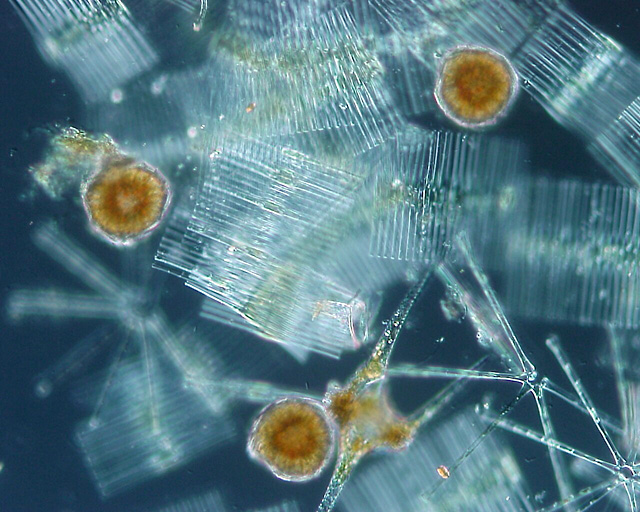
Algae are prominent in bodies of water, common in terrestrial environments, and are found in unusual environments, such as on snow and ice. Seaweeds grow mostly in shallow marine waters, less than100 m deep; however, some such as Navicula pennata have been recorded to a depth of 360 m. A type of algae, Ancylonema nordenskioeldii, was found in Greenland in areas known as the 'Dark Zone', which caused an increase in the rate of melting ice sheet. The same algae was found in the Italian Alps, after pink ice appeared on parts of the Presena glacier.
The various sorts of algae play significant roles in aquatic ecology. Microscopic forms that live suspended in the water column (phytoplankton) provide the food base for most marine food chains. In very high densities (algal blooms), these algae may discolor the water and outcompete, poison, or asphyxiate other life forms.
Algae can be used as indicator organisms to monitor pollution in various aquatic systems. In many cases, algal metabolism is sensitive to various pollutants. Due to this, the species composition of algal populations may shift in the presence of chemical pollutants. To detect these changes, algae can be sampled from the environment and maintained in laboratories with relative ease.
On the basis of their habitat, algae can be categorized as: aquatic (planktonic, benthic, marine, freshwater, lentic, lotic), terrestrial, aerial (subaerial), lithophytic, halophytic (or euryhaline), psammon, thermophilic, cryophilic, epibiont (epiphytic, epizoic), endosymbiont (endophytic, endozoic), parasitic, calcifilic or lichenic (phycobiont).
Symbiotic algae
Some species of algae form symbiotic relationships with other organisms. In these symbioses, the algae supply photosynthates (organic substances) to the host organism providing protection to the algal cells. The host organism derives some or all of its energy requirements from the algae. Examples are:
Lichens
Main article: Lichen
.jpg)
Lichens are defined by the International Association for Lichenology to be "an association of a fungus and a photosynthetic symbiont resulting in a stable vegetative body having a specific structure". The fungi, or mycobionts, are mainly from the Ascomycota with a few from the Basidiomycota. In nature, they do not occur separate from lichens. It is unknown when they began to associate. One or more mycobiont associates with the same phycobiont species, from the green algae, except that alternatively, the mycobiont may associate with a species of cyanobacteria (hence "photobiont" is the more accurate term). A photobiont may be associated with many different mycobionts or may live independently; accordingly, lichens are named and classified as fungal species. The association is termed a morphogenesis because the lichen has a form and capabilities not possessed by the symbiont species alone (they can be experimentally isolated). The photobiont possibly triggers otherwise latent genes in the mycobiont.
Trentepohlia is an example of a common green alga genus worldwide that can grow on its own or be lichenised. Lichen thus share some of the habitat and often similar appearance with specialized species of algae (aerophytes) growing on exposed surfaces such as tree trunks and rocks and sometimes discoloring them.
Animal symbioses
Endosymbiontic green algae live close to the surface of some sponges, for example, breadcrumb sponges (Halichondria panicea). The alga is thus protected from predators; the sponge is provided with oxygen and sugars which can account for 50 to 80% of sponge growth in some species.
In human culture
In classical Chinese, the word {{linktext|藻}} is used both for "algae" and (in the modest tradition of the imperial scholars) for "literary talent". The third island in Kunming Lake beside the Summer Palace in Beijing is known as the Zaojian Tang Dao (藻鑒堂島), which thus simultaneously means "Island of the Algae-Viewing Hall" and "Island of the Hall for Reflecting on Literary Talent".
Cultivation
Seaweed farming
Bioreactors
Uses

Biofuel
Main article: Algae fuel, Biological hydrogen production, Biohydrogen, Biodiesel, Ethanol fuel, Butanol fuel, Vegetable oil, Biogas, Hydrothermal Liquefaction
To be competitive and independent from fluctuating support from (local) policy on the long run, biofuels should equal or beat the cost level of fossil fuels. Here, algae-based fuels hold great promise, directly related to the potential to produce more biomass per unit area in a year than any other form of biomass. The break-even point for algae-based biofuels is estimated to occur by 2025.
Fertilizer
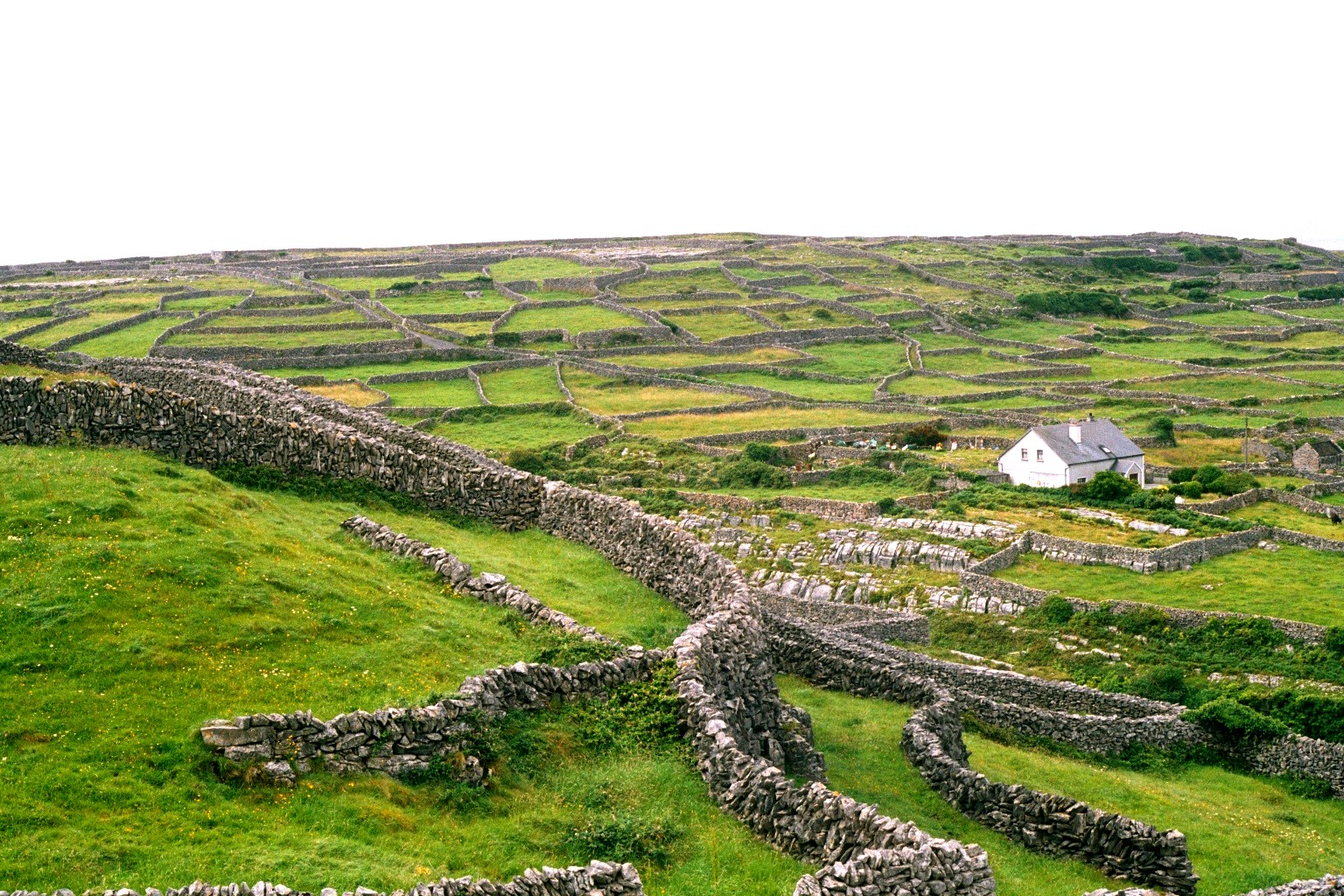
For centuries, seaweed has been used as a fertilizer; George Owen of Henllys writing in the 16th century referring to drift weed in South Wales:
Today, algae are used by humans in many ways; for example, as fertilizers, soil conditioners, and livestock feed. Aquatic and microscopic species are cultured in clear tanks or ponds and are either harvested or used to treat effluents pumped through the ponds. Algaculture on a large scale is an important type of aquaculture in some places. Maerl is commonly used as a soil conditioner.
Food industry

Algae are used as foods in many countries: China consumes more than 70 species, including fat choy, a cyanobacterium considered a vegetable; Japan, over 20 species such as nori and aonori; Ireland, dulse; Chile, cochayuyo. Laver is used to make laverbread in Wales, where it is known as bara lawr. In Korea, green laver is used to make gim.
Three forms of algae used as food:
- Chlorella: This form of alga is found in freshwater and contains photosynthetic pigments in its chloroplasts.
- Klamath AFA: A subspecies of Aphanizomenon flos-aquae found wild in many bodies of water worldwide but harvested only from Upper Klamath Lake, Oregon.
- Spirulina: Known otherwise as a cyanobacterium (a prokaryote or a "blue-green alga")
The oils from some algae have high levels of unsaturated fatty acids. Some varieties of algae favored by vegetarianism and veganism contain the long-chain, essential omega-3 fatty acids, docosahexaenoic acid (DHA) and eicosapentaenoic acid (EPA). Fish oil contains the omega-3 fatty acids, but the original source is algae (microalgae in particular), which are eaten by marine life such as copepods and are passed up the food chain.
The natural pigments (carotenoids and chlorophylls) produced by algae can be used as alternatives to chemical dyes and coloring agents. The presence of some individual algal pigments, together with specific pigment concentration ratios, are taxon-specific: analysis of their concentrations with various analytical methods, particularly high-performance liquid chromatography, can therefore offer deep insight into the taxonomic composition and relative abundance of natural algae populations in sea water samples.
Carrageenan, from the red alga Chondrus crispus, is used as a stabilizer in milk products.
Gelling agents
Agar, a gelatinous substance derived from red algae, has a number of commercial uses. It is a good medium on which to grow bacteria and fungi, as most microorganisms cannot digest agar.
Alginic acid, or alginate, is extracted from brown algae. Its uses range from gelling agents in food, to medical dressings. Alginic acid also has been used in the field of biotechnology as a biocompatible medium for cell encapsulation and cell immobilization. Molecular cuisine is also a user of the substance for its gelling properties, by which it becomes a delivery vehicle for flavours.
Between 100,000 and 170,000 wet tons of Macrocystis are harvested annually in New Mexico for alginate extraction and abalone feed.
Pollution control and bioremediation
- Sewage can be treated with algae, reducing the use of large amounts of toxic chemicals that would otherwise be needed.
- Algae can be used to capture fertilizers in runoff from farms. When subsequently harvested, the enriched algae can be used as fertilizer.
- Aquaria and ponds can be filtered using algae, which absorb nutrients from the water in a device called an algae scrubber, also known as an algae turf scrubber.
Agricultural Research Service scientists found that 60–90% of nitrogen runoff and 70–100% of phosphorus runoff can be captured from manure effluents using a horizontal algae scrubber, also called an algal turf scrubber (ATS). Scientists developed the ATS, which consists of shallow, 100-foot raceways of nylon netting where algae colonies can form, and studied its efficacy for three years. They found that algae can readily be used to reduce the nutrient runoff from agricultural fields and increase the quality of water flowing into rivers, streams, and oceans. Researchers collected and dried the nutrient-rich algae from the ATS and studied its potential as an organic fertilizer. They found that cucumber and corn seedlings grew just as well using ATS organic fertilizer as they did with commercial fertilizers. Algae scrubbers, using bubbling upflow or vertical waterfall versions, are now also being used to filter aquaria and ponds.
The alga Stichococcus bacillaris has been seen to colonize silicone resins used at archaeological sites; biodegrading the synthetic substance.
Bioplastics
Various polymers can be created from algae, which can be especially useful in the creation of bioplastics. These include hybrid plastics, cellulose-based plastics, poly-lactic acid, and bio-polyethylene. Several companies have begun to produce algae polymers commercially, including for use in flip-flops and in surf boards. Even algae is also used to prepare various polymeric resins suitable for coating applications.
Additional images
File:Algae bladder 4290.jpg|Algae bladder
Notes
References
Bibliography
General
- .
Regional
Britain and Ireland
Australia
New Zealand
Europe
Arctic
Greenland
Faroe Islands
- .
Canary Islands
Morocco
South Africa
North America
References
- (2024). "How many species of algae are there? A reprise. Four kingdoms, 14 phyla, 63 classes and still growing". Journal of Phycology.
- Guiry, M.D. & Guiry, G.M. 2025. ''AlgaeBase''. World-wide electronic publication, University of Galway.
https://www.algaebase.org ; searched on 25 May 2025. - "ALGAE | English meaning - Cambridge Dictionary".
- Keeling, Patrick J.. (2004). "Diversity and evolutionary history of plastids and their hosts". American Journal of Botany.
- (2004). "The plant tree of life: an overview and some points of view". American Journal of Botany.
- "Algae Research".
- Pringsheim, E. G. 1963. ''Farblose Algen. Ein beitrag zur Evolutionsforschung''. Gustav Fischer Verlag, Stuttgart. 471 pp., [[species:Algae#Pringsheim (1963)]].
- (2003). "Comparison of plastid 16S rRNA (rrn 16) genes from Helicosporidium spp.: Evidence supporting the reclassification of Helicosporidia as green algae (Chlorophyta)". International Journal of Systematic and Evolutionary Microbiology.
- (2015). "When the lights go out: the evolutionary fate of free-living colorless green algae". New Phytologist.
- (2009). "The controversial 'Cambrian' fossils of the Vindhyan are real but more than a billion years older". Proceedings of the National Academy of Sciences of the United States of America.
- (2020). "Renewable Energy and Climate Change". Springer.
- (1986). "Webster's Third New International Dictionary of the English Language Unabridged with Seven Language Dictionary". Encyclopædia Britannica, Inc.
- Partridge, Eric. (1983). "Origins". Greenwich House.
- (1879). "A Latin Dictionary". Clarendon Press.
- (1902). "Encyclopædia biblica: A critical dictionary of the literary, political and religious history, the archæology, geography, and natural history of the Bible". Macmillan Company.
- (2008). "Basic characteristics of the algae". Cambridge University Press.
- Lee, Robert Edward. (2008). "Phycology". Cambridge University Press.
- (2004). "Phosphatized multicellular algae in the Neoproterozoic Doushantuo Formation, China, and the early evolution of florideophyte red algae". American Journal of Botany.
- Waggoner, Ben. (1994–2008). "Introduction to the Phaeophyta: Kelps and brown "Algae"". University of California Museum of Palaeontology (UCMP).
- Thomas, D. N.. (2002). "Seaweeds". The Natural History Museum.
- Waggoner, Ben. (1994–2008). "Introduction to the Rhodophyta, the red 'algae'". University of California Museum of Palaeontology (UCMP).
- "Introduction to the Green Algae". berkeley.edu.
- (9 January 2014). "What are algal turfs? Towards a better description of turfs". Marine Ecology Progress Series.
- Tazawa, Masashi. (2010). "Progress in Botany 72". Springer.
- (April 2007). "Phytohormones in algae". Russian Journal of Plant Physiology.
- (2014). "Pheromone signaling during sexual reproduction in algae". Plant J..
- (1985-09-20). "Genetic Damage, Mutation, and the Evolution of Sex". Science.
- Otto, S. P.. (2009). "The evolutionary enigma of sex". Am. Nat..
- (1976). "Meiosis in protists: Some structural and physiological aspects of meiosis in algae, fungi, and protozoa". Bacteriol Rev.
- (2015). "Syllabus of Plant Families: A. Engler's Syllabus der Pflanzenfamilien. Part 2/1: Photoautotrophic eukaryotic Algae: Glaucocystophyta, Cryptophyta, Dinophyta/Dinozoa, Haptophyta, Heterokontophyta/Ochrophyta, Chlorarachniophyta/Cercozoa, Euglenophyta/Euglenozoa, Chlorophyta, Streptophyta p.p.". Gebr. Borntraeger Verlagsbuchhandlung.
- (1 February 2013). "Taming the smallest predators of the oceans". The ISME Journal.
- (8 November 2023). "Rhabdamoeba marina is a heterotrophic relative of chlorarachnid algae". Journal of Eukaryotic Microbiology.
- Guiry, M.D. & Guiry, G.M. 2025. ''AlgaeBase''. World-wide electronic publication, University of Galway.
https://www.algaebase.org ; searched on 4 June 2025. - (2022). "Algae". LJLM Press.
- (2022). "Algae". LJLM Press.
- (29 September 2019). "Bioactive Peptides Produced by Cyanobacteria of the Genus Nostoc: A Review". Marine Drugs.
- Gupta, Radhey S.. (2003). "Evolutionary relationships among photosynthetic bacteria". Photosynthesis Research.
- (14 September 2015). "Bergey's Manual of Systematics of Archaea and Bacteria". John Wiley & Sons, Inc., in association with Bergey's Manual Trust.
- (2022). "Algae". LJLM Press.
- (28 January 2019). "Hydrogen-based metabolism as an ancestral trait in lineages sibling to the Cyanobacteria". Nature Communications.
- (2023). "An updated classification of cyanobacterial orders and families based on phylogenomic and polyphasic analysis". Journal of Phycology.
- (2021). "New life for old discovery: amazing story about how bacterial predation on ''Chlorella'' resolved a paradox of dark cyanobacteria an gave the key to early history of oxygenic photosynthesis and aerobic respiration". Protistology.
- (2019). "Evolution of photosynthesis and aerobic respiration in the cyanobacteria". Free Radical Biology and Medicine.
- (31 March 2017). "On the origins of oxygenic photosynthesis and aerobic respiration in Cyanobacteria". Science.
- (2015). "Cyanobacteria: the bright and dark sides of a charming group". Biodiversity and Conservation.
- (2021). "Salient features of Protochlorophyta". Innovative Research Thoughts.
- (2018). "International Code of Nomenclature for algae, fungi, and plants (Shenzhen Code) adopted by the Nineteenth International Botanical Congress Shenzhen, China, July 2017". Koeltz Botanical Books.
- Nabors, Murray W.. (2004). "Introduction to Botany". Pearson Education, Inc.
- (1992). "The Concise Dictionary of Botany". Oxford University Press.
- (27 May 2021). "Are Cyanobacteria an Ancestor of Chloroplasts or Just One of the Gene Donors for Plants and Algae?". Genes.
- (August 2020). "''Paulinella'', a model for understanding plastid primary endosymbiosis". Journal of Phycology.
- (2016). "How Really Ancient Is ''Paulinella Chromatophora''?". PLOS Currents.
- (2007). "Biology". McGraw-Hill.
- (2001). "The origin of chloroplasts and the position of eukaryotic algae in the six- kingdom system of life". Czech Phycology.
- (1997). "Origins of Algae and their Plastids".
- (1999). "Diversification of a Chimaeric Algal Group, the Chlorarachniophytes: Phylogeny of Nuclear and Nucleomorph Small-Subunit rRNA Genes". Molecular Biology &Evolution.
- (November 2002). "Recycled plastids: A 'green movement' in eukaryotic evolution". Trends in Genetics.
- (2015). "Euglena in time: Evolution, control of central metabolic processes and multi-domain proteins in carbohydrate and natural product biochemistry". Perspectives in Science.
- (October 2019). "Horizontal and endosymbiotic gene transfer in early plastid evolution". New Phytologist.
- (2018-06-19). "Secondary Plastids of Euglenids and Chlorarachniophytes Function with a Mix of Genes of Red and Green Algal Ancestry". Molecular Biology and Evolution.
- (September 2003). "Genetic analysis of the psbA gene from single cells indicates a cryptomonad origin of the plastid in Dinophysis (Dinophyceae)". Phycologia.
- (December 2006). "Evaluating Support for the Current Classification of Eukaryotic Diversity". PLOS Genetics.
- (2007). "Phylogenomics Reshuffles the Eukaryotic Supergroups". PLOS ONE.
- (February 2008). "A photosynthetic alveolate closely related to apicomplexan parasites". Nature.
- (2015). "Factors mediating plastid dependency and the origins of parasitism in apicomplexans and their close relatives". PNAS.
- Linnæus, Caroli. (1753). "Species Plantarum". Impensis Laurentii Salvii.
- (1 January 1986). "Textbook of Algae". Tata McGraw-Hill.
- Gmelin, S. G.. (1768). "Historia Fucorum". Ex typographia Academiae scientiarum.
- (1996). "Catalogue of the Benthic Marine Algae of the Indian Ocean". University of California Press.
- (1997). "Phylogenetic relationships of the 'golden algae' (haptophytes, heterokont chromophytes) and their plastids". Plant Systematics and Evolution.
- Dixon, P. S.. (1973). "Biology of the Rhodophyta". Oliver & Boyd.
- Harvey, D.. (1836). "''Flora hibernica'' comprising the Flowering Plants Ferns Characeae Musci Hepaticae Lichenes and Algae of Ireland arranged according to the natural system with a synopsis of the genera according to the Linnaean system".
- Braun, A. ''[https://www.biodiversitylibrary.org/bibliography/2057#/summary Algarum unicellularium genera nova et minus cognita, praemissis observationibus de algis unicellularibus in genere (New and less known genera of unicellular algae, preceded by observations respecting unicellular algae in general)] {{webarchive. link. (20 April 2016.'' Lipsiae, Apud W. Engelmann, 1855. Translation at: Lankester, E. & Busk, G. (eds.). ''Quarterly Journal of Microscopical Science'', 1857, vol. 5, [http://jcs.biologists.org/content/s1-5/17/13.full.pdf+html (17), 13–16] {{webarchive). link. (4 March 2016; [http://jcs.biologists.org/content/s1-5/18/90.full.pdf+html (18), 90–96] {{webarchive). link. (5 March 2016; [http://jcs.biologists.org/content/s1-5/19/143.full.pdf+html (19), 143–149] {{webarchive). link. (4 March 2016.)
- Siebold, C. Th. v. "[https://www.biodiversitylibrary.org/item/49155#page/5/mode/1up Ueber einzellige Pflanzen und Thiere (On unicellular plants and animals)] {{webarchive. link. (26 November 2014". In: Siebold, C. Th. v. & Kölliker, A. (1849). ''Zeitschrift für wissenschaftliche Zoologie'', Bd. 1, p. 270. Translation at: Lankester, E. & Busk, G. (eds.). ''Quarterly Journal of Microscopical Science'', 1853, vol. 1, [http://jcs.biologists.org/content/s1-1/2/111.full.pdf+html (2), 111–121] {{webarchive). link. (4 March 2016; [http://jcs.biologists.org/content/s1-1/3/195.full.pdf+html (3), 195–206] {{webarchive). link. (4 March 2016.)
- (2010-06-03). "On the delineation and higher-level classification of algae". European Journal of Phycology.
- de Jussieu, Antoine Laurent. (1789). "Genera plantarum secundum ordines naturales disposita". Parisiis, Apud Viduam Herissant et Theophilum Barrois.
- (2020-11-06). "An Insight into the Algal Evolution and Genomics". Biomolecules.
- (1980). "Compte rendu du premier colloque de l'association des Diatomistes de Langue Française. Paris, 25 janvier 1980". Cryptogamie. Algologie.
- Corliss, J O. (1995). "The ambiregnal protists and the codes of nomenclature: a brief review of the problem and of proposed solutions". The Bulletin of Zoological Nomenclature.
- (2003). "The Evolution of Parasitism". Elsevier Academic Press.
- (8 March 1984). "The Ecology of Algae". CUP Archive.
- (1991). "Marine fish parasitology: an outline". VCH-Verl.-Ges.
- (2016-09-08). "Protists and the Wild, Wild West of Gene Expression: New Frontiers, Lawlessness, and Misfits". Annual Review of Microbiology.
- (January 2013). "Evolution of multicellularity coincided with increased diversification of cyanobacteria and the Great Oxidation Event". Proceedings of the National Academy of Sciences of the United States of America.
- (November 2019). "Nano−porous pyrite and organic matter in 3.5-billion-year-old stromatolites record primordial life". Geology.
- (2007). "The Origin and Establishment of the Plastid in Algae and Plants". [[Annual Review of Genetics]].
- (2020-11-06). "An Insight into the Algal Evolution and Genomics". Biomolecules.
- Butterfield, N. J.. (2000). "''Bangiomorpha pubescens'' n. gen., n. sp.: Implications for the evolution of sex, multicellularity, and the Mesoproterozoic/Neoproterozoic radiation of eukaryotes". [[Paleobiology (journal).
- Keeling, Patrick J.. (2017). "Handbook of the Protists". Springer.
- (16 March 2016). "Phylogeny and Classification of Euglenophyceae: A Brief Review". Frontiers in Ecology and Evolution.
- Eliáš, Marek. (2021). "Protist diversity: Novel groups enrich the algal tree of life". Current Biology.
- (10 December 2014). "The evolution of photosynthesis in chromist algae through serial endosymbioses". Nature Communications.
- (2009). "Chromalveolate plastids: direct descent or multiple endosymbioses?". Trends in Ecology & Evolution.
- (25 March 2021). "A molecular timescale for eukaryote evolution with implications for the origin of red algal-derived plastids". Nature Communications.
- (3 September 2024). "A New Model and Dating for the Evolution of Complex Plastids of Red Alga Origin". Genome Biology and Evolution.
- Noble, Ivan. (18 September 2003). "When plants conquered land". BBC.
- (2003). "Fragments of the earliest land plants". Nature.
- (1997). "The origin and early diversification of land plants. A cladistic study". Smithsonian Institution Press.
- Raven, J.A.. (2001). "Roots: evolutionary origins and biogeochemical significance". Journal of Experimental Botany.
- (2009). "The late Precambrian greening of the Earth". Nature.
- (2011). "Earth's earliest non-marine eukaryotes". Nature.
- Round, F. E.. (1981). "The ecology of algae". CUP Archive.
- Round (1981), p. 362.
- Round (1981), p. 357.
- Round (1981), p. 371.
- Round (1981), p. 366.
- (2008). "Algae Herbarium". National Museum of Natural History, Department of Botany.
- John (2002), p. 1.
- Huisman (2000), p. 25.
- Stegenga (1997).
- Clerck, Olivier. (2005). "Guide to the seaweeds of KwaZulu-Natal". National Botanic Garden of Belgium.
- Abbott and Hollenberg (1976), p. 2.
- Hardy and Guiry (2006).
- Round (1981), p. 176.
- (10 April 2018). "Greenland Has a Mysterious 'Dark Zone' — And It's Getting Even Darker".
- (6 July 2020). "Alpine glacier turning pink due to algae that accelerates climate change, scientists say".
- Smayda, Theodore J.. (2014). "What is a bloom? A commentary". Limnology and Oceanography.
- Omar, Wan Maznah Wan. (Dec 2010). "Perspectives on the Use of Algae as Biological Indicators for Monitoring and Protecting Aquatic Environments, with Special Reference to Malaysian Freshwater Ecosystems". Trop Life Sci Res.
- (2 June 2016). "River Algae". Springer.
- Johansen, J. R.. (2012). "Diatoms of aerial habitats". Cambridge University Press.
- Sharma, O. P. (1986). pp. 2–6, [https://books.google.com/books?id=hOa74Hm4zDIC&pg=PA2].
- (2003). "Photosynthesis in Symbiotic Algae". Springer Netherlands.
- (2001). "Lichens of North America". Yale University Press.
- Pearson, Lorentz C.. (1995). "The Diversity and Evolution of Plants". CRC Press.
- (2019-01-17). "Two Basidiomycete Fungi in the Cortex of Wolf Lichens". Current Biology.
- Brodo et al. (2001), p. 6: "A species of lichen collected anywhere in its range has the same lichen-forming fungus and, generally, the same photobiont. (A particular photobiont, though, may associate with scores of different lichen fungi)."
- Brodo et al. (2001), p. 8.
- Taylor, Dennis L.. (1983). "Algal Symbiosis: A Continuum of Interaction Strategies". CUP Archive.
- Knight, Susan. (Fall 2001). "Are There Sponges in Your Lake?". Wisconsin Lakes Partnership.
- Chisti, Y.. (May–Jun 2007). "Biodiesel from microalgae". Biotechnology Advances.
- (4 May 2013). "Molecular and cellular mechanisms of neutral lipid accumulation in diatom following nitrogen deprivation.". Biotechnology for Biofuels.
- (2010). "An Outlook on Microalgal Biofuels". Science.
- Read, Clare Sewell. (1849). "On the Farming of South Wales: Prize Report". Journal of the Royal Agricultural Society of England.
- McHugh, Dennis J.. (2003). "A Guide to the Seaweed Industry: FAO Fisheries Technical Paper 441". Fisheries and Aquaculture Department, Food and Agriculture Organization (FAO) of the United Nations.
- (2004-11-01). "Environmental tolerances of free-living coralline algae (maerl): implications for European marine conservation". Biological Conservation.
- (2003). "Seaweeds of the Pacific Coast". Sea Challengers Publications.
- "Durvillaea antarctica (Chamisso) Hariot". AlgaeBase.
- "Laver Archives".
- "Clorella Description and Uses".
- "AFA".
- "Spirulina".
- (2013-05-22). "Vegetarian EPA DHA and Essential Fats".
- (1998). "Agricultural Biotechnology". CRC Press.
- (June 1994). "Measurement of Algal Chlorophylls and Carotenoids by HPLC". Joint Global Ocean Flux Study Protocols.
- (1998). "A comparison of phytoplankton populations of the Arabian Sea during the Spring Intermonsoon and Southwest Monsoon of 1995 as described by HPLC-analyzed pigments". Deep-Sea Research Part II.
- (1988). "Algae and Human Affairs". Cambridge University Press.
- (2016-01-01). "5 - Self-assembled carbohydrate nanostructures: synthesis strategies to functional application in food". Academic Press.
- (2011). "Bioactive compounds in seaweed: functional food applications and legislation". Journal of Applied Phycology.
- "Macrocystis C. Agardh 1820: 46". AlgaeBase.
- "Secondary Products of Brown Algae". Smithsonian National Museum of Natural History.
- (12 October 2016). "Re-imagining algae". Australian Broadcasting Corporation.
- (2024). "Harvesting of Agricultural Nutrient Runoff with Algae, to Produce New Soil Amendments for Urban and Peri-urban Olive Tree Agroforestry Systems in Southern Europe". Springer International Publishing.
- (1988). "Nutrient cycling in the Great Barrier Reef Aquarium – Proceedings of the 6th International Coral Reef Symposium, Australia". ReefBase.
- (2008). "Algal Response to Nutrient Enrichment in Forested Oligotrophic Stream". Journal of Phycology.
- (7 May 2010). "Algae: A Mean, Green Cleaning Machine". USDA Agricultural Research Service.
- (2008). "Microorganisms Attack Synthetic Polymers in Items Representing Our Cultural Heritage". Applied and Environmental Microbiology.
- "Algae Biopolymers, Companies, Production, Market – Oilgae – Oil from Algae". oilgae.com.
- (9 October 2017). "Renewable flip flops: scientists produce the 'No. 1' footwear in the world from algae". ZME Science.
- "World's First Algae Surfboard Makes Waves in San Diego". Energy.gov.
- Chandrashekhar K Patil, Harishchandra D Jirimali, Jayasinh S Paradeshi, Bhushan L Chaudhari, Prakash K Alagi, Sung Chul Hong, Vikas V Gite, Synthesis of biobased polyols using algae oil for multifunctional polyurethane coatings, Volume 6 Issue 4, December 2018, pp. 165–177, https://doi.org/10.1680/jgrma.18.00046
- CK Patil, HD Jirimali, JS Paradeshi, BL Chaudhari, VV Gite, Functional antimicrobial and anticorrosive polyurethane composite coatings from algae oil and silver doped egg shell hydroxyapatite for sustainable development, Progress in Organic Coatings 128, 127–136, https://doi.org/10.1016/j.porgcoat.2018.11.002
- Chandrashekhar K Patil, Harishchandra D Jirimali, Jayasinh S Paradeshi, Bhushan L Chaudhari, Prakash K Alagi, Pramod P Mahulikar, Sung Chul Hong, Vikas V Gite, Chemical transformation of renewable algae oil to polyetheramide polyols for polyurethane coatings, Progress in Organic Coatings 151, 106084, https://doi.org/10.1016/j.porgcoat.2020.106084
This article was imported from Wikipedia and is available under the Creative Commons Attribution-ShareAlike 4.0 License. Content has been adapted to SurfDoc format. Original contributors can be found on the article history page.
Ask Mako anything about Algae — get instant answers, deeper analysis, and related topics.
Research with MakoFree with your Surf account
Create a free account to save articles, ask Mako questions, and organize your research.
Sign up freeThis content may have been generated or modified by AI. CloudSurf Software LLC is not responsible for the accuracy, completeness, or reliability of AI-generated content. Always verify important information from primary sources.
Report