From Surf Wiki (app.surf) — the open knowledge base
2-2-2-2
Locomotive wheel arrangement
Locomotive wheel arrangement
Under the Whyte notation for the classification of steam locomotives, 2-2-2-2 could represent either the wheel arrangement of two leading wheels, four powered but uncoupled driving wheels, and two trailing wheels; or of two independent leading axles (not in a bogie), two driving wheels, and two trailing wheels.
Usage
The (2-2)-2-2 wheel arrangement, or (2-2) -2-2, was first used on five locomotives introduced on the Eastern Counties Railway by John Chester Craven in 1846/7.
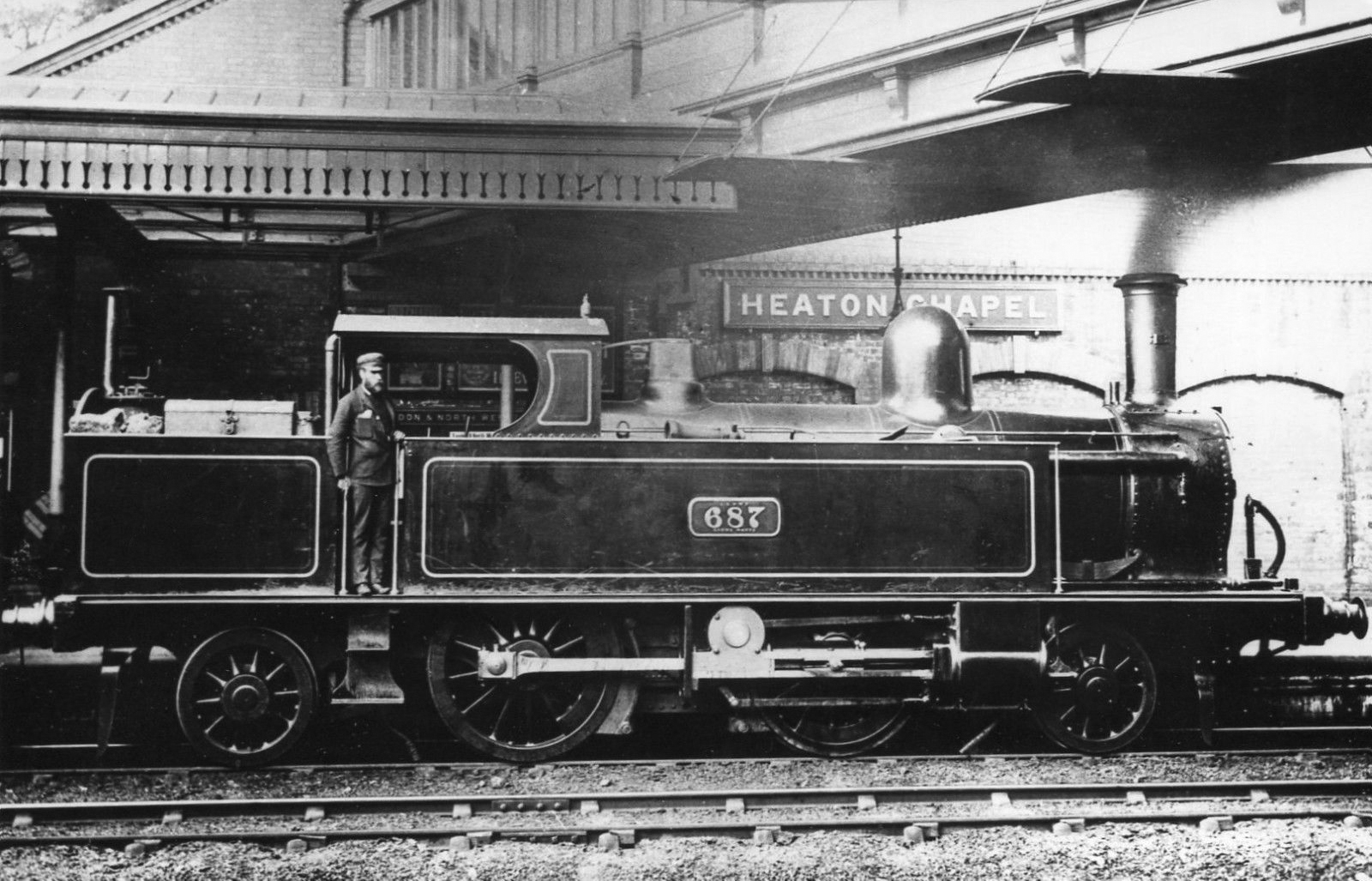
The 2-(2-2)-2 version was used by Francis Webb of the London and North Western Railway between 1885 and 1887 on two unique divided drive compound tank locomotives, No. 687 (1885) and No. 600 (1887). He then produced two tender engine classes each of ten locomotives: the LNWR Greater Britain Class (1892–1894) and the LNWR John Hick Class (1894–1898). The locomotives were never reliable and Webb's successor George Whale withdrew them all within three years of taking up office in 1903.
References
References
- Baxter, Bertram. (1977). "British locomotive catalogue 1825-1923". Moorland Publishing.
- Baxter, Bertram. (1979). "British locomotive catalogue 1825-1923". Moorland.
This article was imported from Wikipedia and is available under the Creative Commons Attribution-ShareAlike 4.0 License. Content has been adapted to SurfDoc format. Original contributors can be found on the article history page.
Ask Mako anything about 2-2-2-2 — get instant answers, deeper analysis, and related topics.
Research with MakoFree with your Surf account
Create a free account to save articles, ask Mako questions, and organize your research.
Sign up freeThis content may have been generated or modified by AI. CloudSurf Software LLC is not responsible for the accuracy, completeness, or reliability of AI-generated content. Always verify important information from primary sources.
Report