From Surf Wiki (app.surf) — the open knowledge base
1947 Major League Baseball season
| Field | Value |
|---|---|
| title | 1947 MLB season |
| league | American League (AL) |
| National League (NL) | |
| sport | Baseball |
| duration | Regular season:{{Bulleted list |
| no_of_games | 154 |
| no_of_teams | 16 (8 per league) |
| season | Regular season |
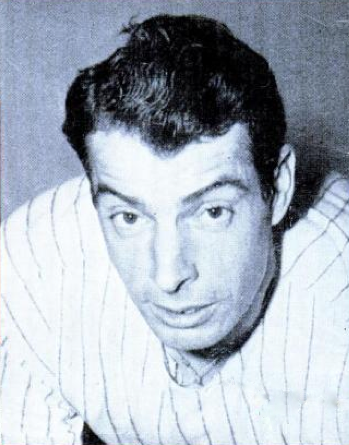
| MVP | AL: Joe DiMaggio (NYY) |
| NL: Bob Elliott (BSN) | |
| MVP_link | Major League Baseball Most Valuable Player Award |
| conf1 | AL |
| conf1_champ | [New York Yankees](1947-new-york-yankees-season) |
| conf1_runner-up | [Detroit Tigers](1947-detroit-tigers-season) |
| conf2 | NL |
| conf2_champ | [Brooklyn Dodgers](1947-brooklyn-dodgers-season) |
| conf2_runner-up | [St. Louis Cardinals](1947-st-louis-cardinals-season) |
| finals | World Series |
| finals_link | 1947 World Series |
| finals_champ | [New York Yankees](1947-new-york-yankees-season) |
| finals_runner-up | [Brooklyn Dodgers](1947-brooklyn-dodgers-season) |
| seasonslist | List of MLB seasons |
| seasonslistnames | MLB |
| prevseason_link | 1946 Major League Baseball season |
| prevseason_year | 1946 |
| nextseason_link | 1948 Major League Baseball season |
| nextseason_year | 1948 |
National League (NL) | April 15 – September 28, 1947}}World Series:{{Bulleted list | September 30 – October 6, 1947}} NL: Bob Elliott (BSN) | conf1_runner-up = Detroit Tigers | conf2_runner-up = St. Louis Cardinals | finals_runner-up = Brooklyn Dodgers The 1947 major league baseball season began on April 15, 1947. The regular season ended on September 28, with the Brooklyn Dodgers and New York Yankees as the regular season champions of the National League and American League, respectively. The postseason began with Game 1 of the 44th World Series on September 30 and ended with Game 7 on October 6. In the second iteration of this Subway Series World Series matchup, the Yankees defeated the Dodgers, four games to three, capturing their 11th championship in franchise history, since their previous in . Going into the season, the defending World Series champions were the St. Louis Cardinals from the season.
The 14th Major League Baseball All-Star Game was held on July 8 at Wrigley Field in Chicago, Illinois, home of the Chicago Cubs. The American League won, 2–1.
The 1947 season is most notable as the year that the baseball color line broke, thanks to the Brooklyn Dodgers starting Jackie Robinson on Opening Day.
Integration: Breaking the color line
On April 15, Opening Day for the National League's Brooklyn Dodgers, Jackie Robinson was in the Dodgers' lineup, playing first base against the Boston Braves at Ebbets Field. His appearance in a major league game broke the baseball color line, the practice of excluding players of black African descent. Though he endured epithets and death threats, as well as a slow start, his skill would earn him the first ever Rookie of the Year award, named in Robinson's honor 40 years later.
Halfway through the season on July 5, the American League's Cleveland Indians debuted Larry Doby, becoming the first black player in the American League and breaking the AL color line. Doby was a more low-key figure, suffered many of the same indignities that Robinson did, albeit with less press coverage.
Kansas City Monarchs star Willard Brown and teammate Hank Thompson briefly played for the St. Louis Browns, becoming the third and fourth Black players in either the NL or AL, and made the St. Louis Browns the first of either the NL or AL to field two Black players on one roster. Brown was the first black player to hit a home run in the American League.
Schedule
The 1947 schedule consisted of 154 games for all teams in the American League and National League, each of which had eight teams. Each team was scheduled to play 22 games against the other seven teams of their respective league. This continued the format put in place since the season (except for ) and would be used until in the American League and in the National League.
Opening Day took place on April 15, featuring all sixteen teams, continuing the trend from . The final day of the regular season was on September 28, which also saw all sixteen teams play, continuing the trend from the previous season. This was the first time since that all sixteen teams played their first and last games on the same days. The World Series took place between September 30 and October 6.
Rule changes
The 1947 season saw the following rule changes:
- Regarding salaries and pensions, major-league players would be guaranteed:
- A minimum salary of $5,000 ().
- A limitation on pay cuts to a maximum of 25%
- $25 per week () in living expenses during spring training
- The creation of a pension plan. Said plan was to be funded by each player contributing $250 per year (), a sum that would be matched by his owner.
- Proceeds from the World Series broadcasting and the All-Star Game would go to the pension plan.
- A team claiming a player through waiver calls on the third call would get said player. Previously, owners had been able to retain players put on waivers, regardless of whether another team claimed them or not.
- The Commissioner of Baseball could no longer unilaterally rule on items "detrimental" to baseball on minor-leagues, and now followed the major-league rule that was implemented the previous season, that the commissioner had the authority to determine when a rule or act was harmful to baseball and to block the implementation of such a rule.
- A new Major-Minor League Agreement established a classification labeled Bonus Players for both the major and minors. The designation was assigned to newly signed players who were paid bonus money above defined amounts. The fixed minimum amount that would trigger a bonus classification ranged from $600 () in Class D to $6,000 () in the majors. A Bonus Player would retain the label for his career. If he was optioned to a lower classification or playing level, he would be subject to an unrestricted draft.
Teams
| League | Team | City | Stadium | Capacity | Manager | American League}};" | Boston Red Sox | Chicago White Sox | Cleveland Indians | Detroit Tigers | New York Yankees | Philadelphia Athletics | St. Louis Browns | Washington Senators | National League}};" | Boston Braves | Brooklyn Dodgers | Chicago Cubs | Cincinnati Reds | New York Giants | Philadelphia Phillies | Pittsburgh Pirates | St. Louis Cardinals | ||
|---|---|---|---|---|---|---|---|---|---|---|---|---|---|---|---|---|---|---|---|---|---|---|---|---|---|
| Boston, Massachusetts | Fenway Park | 35,500 | |||||||||||||||||||||||
| Chicago, Illinois | Comiskey Park | 47,400 | |||||||||||||||||||||||
| Cleveland, Ohio | Cleveland Stadium | 78,811 | |||||||||||||||||||||||
| Detroit, Michigan | Briggs Stadium | 58,000 | |||||||||||||||||||||||
| New York, New York | Yankee Stadium | 70,000 | |||||||||||||||||||||||
| Philadelphia, Pennsylvania | Shibe Park | 33,166 | |||||||||||||||||||||||
| St. Louis, Missouri | Sportsman's Park | 31,250 | |||||||||||||||||||||||
| Washington, D.C. | Griffith Stadium | 32,000 | |||||||||||||||||||||||
| Boston, Massachusetts | Braves Field | 36,706 | |||||||||||||||||||||||
| New York, New York | Ebbets Field | 34,219 | |||||||||||||||||||||||
| Chicago, Illinois | Wrigley Field | 38,396 | |||||||||||||||||||||||
| Cincinnati, Ohio | Crosley Field | 30,101 | |||||||||||||||||||||||
| New York, New York | Polo Grounds | 54,500 | |||||||||||||||||||||||
| Philadelphia, Pennsylvania | Shibe Park | 33,166 | |||||||||||||||||||||||
| Pittsburgh, Pennsylvania | Forbes Field | 33,730 | |||||||||||||||||||||||
| St. Louis, Missouri | Sportsman's Park | 31,250 |
Standings
American League
National League
Tie games
11 tie games (7 in AL, 4 in NL), which are not factored into winning percentage or games behind (and were often replayed again) occurred throughout the season.
American League
- Boston Red Sox, 3
- Chicago White Sox, 1
- Cleveland Indians, 3
- Detroit Tigers, 4
- New York Yankees, 1
- Philadelphia Athletics, 2
National League
- Brooklyn Dodgers, 1
- Chicago Cubs, 1
- New York Giants, 1
- Philadelphia Phillies, 1
- Pittsburgh Pirates, 2
- St. Louis Cardinals, 2
Postseason
The postseason began on September 30 and ended on October 6 with the New York Yankees defeating the Brooklyn Dodgers in the 1947 World Series in seven games.
Bracket
| RD1-seed1=AL | RD1-team1=New York Yankees | RD1-score1=4 | RD1-seed2=NL | RD1-team2=Brooklyn Dodgers | RD1-score2=3
Managerial changes
Off-season
| Team | Former Manager | New Manager | Brooklyn Dodgers | Cincinnati Reds | New York Yankees | Pittsburgh Pirates | St. Louis Browns |
|---|---|---|---|---|---|---|---|
| Leo Durocher | Clyde Sukeforth | ||||||
| Hank Gowdy | Johnny Neun | ||||||
| Johnny Neun | Bucky Harris | ||||||
| Spud Davis | Billy Herman | ||||||
| Zack Taylor | Muddy Ruel |
In-season
| Team | Former Manager | New Manager | Brooklyn Dodgers | Pittsburgh Pirates |
|---|---|---|---|---|
| Clyde Sukeforth | Burt Shotton | |||
| Billy Herman | Bill Burwell |
League leaders
American League
| Stat | Player | Total |
|---|---|---|
| AVG | Ted Williams1 (BOS) | .343 |
| OPS | Ted Williams (BOS) | 1.133 |
| HR | Ted Williams1 (BOS) | 32 |
| RBI | Ted Williams1 (BOS) | 114 |
| R | Ted Williams (BOS) | 125 |
| H | Johnny Pesky (BOS) | 207 |
| SB | Bob Dillinger (SLB) | 34 |
1 American League Triple Crown batting winner
| Stat | Player | Total |
|---|---|---|
| W | Bob Feller (CLE) | 20 |
| L | Hal Newhouser (DET) | 17 |
| ERA | Joe Haynes (CWS) | 2.42 |
| K | Bob Feller (CLE) | 196 |
| IP | Bob Feller (CLE) | 299.0 |
| SV | Ed Klieman (CLE) | |
| Joe Page (NYY) | 17 | |
| WHIP | Bob Feller (CLE) | 1.194 |
National League
| Stat | Player | Total |
|---|---|---|
| AVG | Harry Walker (PHI/STL) | .363 |
| OPS | Ralph Kiner (PIT) | 1.055 |
| HR | Ralph Kiner (PIT) | |
| Johnny Mize (NYG) | 51 | |
| RBI | Johnny Mize (NYG) | 138 |
| R | Johnny Mize (NYG) | 137 |
| H | Tommy Holmes (BSN) | 191 |
| SB | Jackie Robinson (BRO) | 29 |
| Stat | Player | Total |
|---|---|---|
| W | Ewell Blackwell (CIN) | 22 |
| L | Johnny Schmitz (CHC) | 18 |
| ERA | Warren Spahn (BSN) | 2.33 |
| K | Ewell Blackwell (CIN) | 193 |
| IP | Warren Spahn (BSN) | 289.2 |
| SV | Hugh Casey (BRO) | 18 |
| WHIP | Warren Spahn (BSN) | 1.136 |
Awards and honors
Regular season
| Baseball Writers' Association of America Awards | BBWAA Award | National League | American League |
|---|---|---|---|
| Rookie of the Year | Jackie Robinson (BRO) | — | |
| Most Valuable Player | Bob Elliott (BSN) | Joe DiMaggio (NYY) |
Other awards
| *The Sporting News* Awards | Award | National League | American League |
|---|---|---|---|
| Player of the Year | — | Ted Williams (BOS) | |
| Rookie of the Year | Jackie Robinson (BRO) | — | |
| Manager of the Year | — | Bucky Harris (NYY) | |
| Executive of the Year | Branch Rickey (BRO) | — |
Baseball Hall of Fame
Main article: National Baseball Hall of Fame and Museum
- Carl Hubbell
- Frankie Frisch
- Mickey Cochrane
- Lefty Grove
Home field attendance
| Team name | Wins | %± | Home attendance | %± | Per game |
|---|---|---|---|---|---|
| New York Yankees | 97 | 11.5% | 2,178,937 | −3.8% | 28,298 |
| Brooklyn Dodgers | 94 | −2.1% | 1,807,526 | 0.6% | 23,173 |
| New York Giants | 81 | 32.8% | 1,600,793 | 31.2% | 21,063 |
| Cleveland Indians | 80 | 17.6% | 1,521,978 | 44.0% | 19,513 |
| Boston Red Sox | 83 | −20.2% | 1,427,315 | 0.7% | 17,621 |
| Detroit Tigers | 85 | −7.6% | 1,398,093 | −18.8% | 17,476 |
| Chicago Cubs | 69 | −15.9% | 1,364,039 | 1.6% | 17,266 |
| Pittsburgh Pirates | 62 | −1.6% | 1,283,531 | 71.1% | 16,247 |
| Boston Braves | 86 | 6.2% | 1,277,361 | 31.7% | 16,589 |
| St. Louis Cardinals | 89 | −9.2% | 1,247,913 | 17.5% | 16,207 |
| Philadelphia Athletics | 78 | 59.2% | 911,566 | 46.6% | 11,687 |
| Philadelphia Phillies | 62 | −10.1% | 907,332 | −13.2% | 11,784 |
| Cincinnati Reds | 73 | 9.0% | 899,975 | 25.7% | 11,688 |
| Chicago White Sox | 70 | −5.4% | 876,948 | −10.8% | 11,693 |
| Washington Senators | 64 | −15.8% | 850,758 | −17.2% | 11,049 |
| St. Louis Browns | 59 | −10.6% | 320,474 | −39.1% | 4,162 |
Venues
After playing at both League Park (where they played 45 seasons in part or in full) and Cleveland Stadium (where they played 13 season in part or in full) since (sans through ), the Cleveland Indians permanently move into Cleveland Stadium leaving their inaugural park, having played at League Park for 45 seasons (every season since excluding 1933). Previously, the Indians would typically play home games at League Park on weekdays and Cleveland Stadium on weekends. They would go on to play at Cleveland Stadium for a total of 60 seasons through .
References
References
- Spatz, Lyle. "April 15, 1947: Jackie Robinson's major league debut".
- (July 14, 1987). "Sports News".
- McMurray, John. "Larry Doby".
- Nechal, Jerry. "1946 Winter Meetings: Tranquility and Turbulence – Society for American Baseball Research".
- "1947 Major League Managers".
- "1947 American League Batting Leaders".
- "1947 American League Pitching Leaders".
- "1947 National League Batting Leaders".
- "1947 National League Pitching Leaders".
- "Major League Player of the Year Award by The Sporting News {{!}} Baseball Almanac".
- "Rookie of the Year Award by The Sporting News {{!}} Baseball Almanac".
- "Manager of the Year Award by The Sporting News {{!}} Baseball Almanac".
- "MLB Executive of the Year Award {{!}} Baseball Almanac".
- "New York Yankees Attendance, Stadiums and Park Factors". [[Baseball-Reference.com]].
- "Los Angeles Dodgers Attendance, Stadiums and Park Factors". [[Baseball-Reference.com]].
- "San Francisco Giants Attendance, Stadiums and Park Factors". [[Baseball-Reference.com]].
- "Cleveland Indians Attendance, Stadiums and Park Factors". [[Baseball-Reference.com]].
- "Boston Red Sox Attendance, Stadiums and Park Factors". [[Baseball-Reference.com]].
- "Detroit Tigers Attendance, Stadiums and Park Factors". [[Baseball-Reference.com]].
- "Chicago Cubs Attendance, Stadiums and Park Factors". [[Baseball-Reference.com]].
- "Pittsburgh Pirates Attendance, Stadiums and Park Factors". [[Baseball-Reference.com]].
- "Atlanta Braves Attendance, Stadiums and Park Factors". [[Baseball-Reference.com]].
- "St. Louis Cardinals Attendance, Stadiums and Park Factors". [[Baseball-Reference.com]].
- "Oakland Athletics Attendance, Stadiums and Park Factors". [[Baseball-Reference.com]].
- "Philadelphia Phillies Attendance, Stadiums and Park Factors". [[Baseball-Reference.com]].
- "Cincinnati Reds Attendance, Stadiums and Park Factors". [[Baseball-Reference.com]].
- "Chicago White Sox Attendance, Stadiums and Park Factors". [[Baseball-Reference.com]].
- "Minnesota Twins Attendance, Stadiums and Park Factors". [[Baseball-Reference.com]].
- "Baltimore Orioles Attendance, Stadiums and Park Factors". [[Baseball-Reference.com]].
This article was imported from Wikipedia and is available under the Creative Commons Attribution-ShareAlike 4.0 License. Content has been adapted to SurfDoc format. Original contributors can be found on the article history page.
Ask Mako anything about 1947 Major League Baseball season — get instant answers, deeper analysis, and related topics.
Research with MakoFree with your Surf account
Create a free account to save articles, ask Mako questions, and organize your research.
Sign up freeThis content may have been generated or modified by AI. CloudSurf Software LLC is not responsible for the accuracy, completeness, or reliability of AI-generated content. Always verify important information from primary sources.
Report