From Surf Wiki (app.surf) — the open knowledge base
1919
1919
Events
January
Main article: January 1919
- January 1
- The Czechoslovak Legions occupy much of the self-proclaimed "free city" of Pressburg (later Bratislava), enforcing its incorporation into the new republic of Czechoslovakia.
- HMY Iolaire sinks off the coast of the Hebrides; 201 people, mostly servicemen returning home to Lewis and Harris, are killed.
- January 2–22 – Russian Civil War: The Red Army's Caspian-Caucasian Front begins the Northern Caucasus Operation against the White Army, but fails to make progress.
- January 3 – The Faisal–Weizmann Agreement is signed by Emir Faisal (representing the Arab Kingdom of Hejaz) and Zionist leader Chaim Weizmann, for Arab–Jewish cooperation in the development of a Jewish homeland in Palestine, and an Arab nation in a large part of the Middle East.
- January 5 – In Germany:
- Spartacist uprising in Berlin: The Marxist Spartacus League, with the newly formed Communist Party of Germany and the Independent Social Democratic Party, begin mass demonstrations, which will be suppressed by armed force within a week.
- The German Workers' Party (Deutsche Arbeiterpartei, DAP), predecessor of the Nazi Party, is formed by the merger of Anton Drexler's Committee of Independent Workmen with journalist Karl Harrer's Political Workers' Circle.
- January 7 – Estonian War of Independence: With Soviet Russian forces just 40 km outside of the capital Tallinn, Estonian forces start a general and successful counter-offensive against the Red Army.
- January 8 – The funeral of Theodore Roosevelt, 26th President of the United States, is held at Christ Church Oyster Bay, Long Island; Roosevelt had died in his sleep at the age of 60, two days earlier.
- January 8–22 – Russian Civil War, Southern Front: The Red Army attacks and defeats the White Don Army under Pyotr Krasnov in the Voronezh–Povorino Operation.
- January 9
- Friedrich Ebert orders the Freikorps into action in Berlin.
- Estonian War of Independence: Battle of Tapa – Estonian forces liberate Tapa, Estonia, from the Red Army.
- A group of socialist and liberal deputies table a motion to make Luxembourg a republic. A crowd gathers at the barracks of the Corps of Volunteers, close to the Chamber. A crowd led by Émile Servais, a left-wing politician, rushes the Chamber and soldiers refuse to disperse them. A Committee of Public Safety is formed, but the rebellion is quelled by the French Army under General de La Tour.
- January 10–12 – The Freikorps attacks Spartacist supporters around Berlin.
- January 11
- Romania annexes Transylvania.
- The Georgian genocide occurs in Alagir.
- January 12–May 19 – Russian Civil War: On the Southern Front, the Armed Forces of South Russia under General Anton Denikin fight against the Red Army for the possession of the strategic region of the Donbass.
- January 13 – Workers' councils in Berlin end the general strike; the Spartacist uprising is over.
- January 14 – Estonian War of Independence: Estonian forces liberate Tartu from the Red Army.
- January 15
- Rosa Luxemburg and Karl Liebknecht are murdered following the Spartacist uprising.
- Great Molasses Flood: A wave of molasses released from an exploding storage tank sweeps through Boston, Massachusetts, killing 21 people and injuring 150.
- January 16
- The Eighteenth Amendment to the United States Constitution, authorizing Prohibition, is ratified.
- Pianist Ignacy Jan Paderewski becomes the second Prime Minister of Poland.
- January 18
- The Paris Peace Conference opens in France, with delegates from 27 nations attending for meetings at the Palace of Versailles.
- Estonian War of Independence: Estonian forces liberate Narva, expelling the Red Army from Northern Estonia.
- Bentley Motors Limited is founded in England.
- January 19–28 – Russian Civil War: The Red Army begins the counter offensive in the Perm area against the White forces.
- January 19
- The Monarchy of the North is established in Northern Portugal.
- 1919 German federal election, first under the Weimar Republic and the first in Germany with female suffrage.
- January 21 – Dáil Éireann meets for the first time in the Mansion House, Dublin. It comprises Sinn Féin members elected in the 1918 general election who, in accordance with their manifesto, have not taken their seats in the Parliament of the United Kingdom, but chosen to declare an independent Irish Republic. In the first shots of the Anglo-Irish War, two Royal Irish Constabulary (RIC) men are killed in an ambush at Soloheadbeg, County Tipperary.
- January 23 – Khotyn Uprising: pro-Ukrainian partisans capture the city of Khotyn in Romania.
- January 25 – The League of Nations is founded in Paris, France.
- January 31 – Battle of George Square: The British Army is called in to deal with riots, during negotiations over working hours in Glasgow, Scotland.
February
Main article: February 1919
- February 1 – Estonian War of Independence: Estonian forces liberate Valga and Võru, expelling the Red Army from the entire territory of Estonia.
- February 3 – Russian Civil War: Soviet troops occupy Ukraine.
- February 4–5 – Pressburg (Bratislava) becomes the capital of Slovakia.
- February 5
- United Artists (UA) is incorporated in the United States by D. W. Griffith, Charlie Chaplin, Mary Pickford and Douglas Fairbanks as a motion picture producer.
- Russian Civil War: Soviet troops occupy the city of Kyiv after the Battle of Kiev (January).
- February 10 – The Inter-Allied Women's Conference convenes to compile a list of women's issues to present to the delegates of the Paris Peace Conference.
- February 11
- Friedrich Ebert is elected the first President of Germany (Reichspräsident), by the Weimar National Assembly.
- The Seattle General Strike ends, when Federal troops are summoned by the State of Washington's Attorney General.
- February 12 – Ethnic Germans and Hungarian inhabitants of Pressburg start a protest against its incorporation into Czechoslovakia, but the Czechoslovak Legions open fire on the unarmed demonstrators.
- February 13 – Portugal's Monarchy of the North ends as a result of a revolt in Porto by civilians and National Republican Guard members.
- February 14 – The Polish–Soviet War begins, with the Battle of Bereza Kartuska.
- February 16–21 – Estonian War of Independence: Uniformed peasants in Saaremaa rebel against the government of Estonia; the rebellion is crushed by government forces, leaving more than 200 dead.
- February 25 – Oregon places a one cent per US gallon (0.26¢/liter) tax on gasoline, becoming the first U.S. state to levy a gasoline tax.
- February 26 – Grand Canyon National Park: An act of the United States Congress establishes most of the Grand Canyon as a United States National Park.
- February 28
- Amānullāh Khān becomes King of Afghanistan.
- An independence mission to the U.S., funded by the Philippine legislature, sets out from Manila to present its case to United States Secretary of War Newton D. Baker.
March
Main article: March 1919
- March 1 – The March 1st Movement against Japanese colonial rule in Korea is formed.
- March 2 – The Founding Congress of the Comintern opens in Moscow.
- March 3–April – Russian Civil War: Beginning of the Chapan War as peasants of the provinces of Samara and Simbirsk rebel against Soviet rule.
- March 4
- The Communist International (Comintern) is founded.
- Russian Civil War: The White forces in Siberia under the command of Admiral Alexander Kolchak attack the positions of the Red Army in the Spring Offensive. The Whites crush the 5th Red Army under Jan Blumberg, and capture Okhansk, Osa, Sarapul and finally Ufa over the next days.
- March 4–5 – Kinmel Park Riots by troops of the Canadian Expeditionary Force awaiting repatriation at Kinmel Camp, Bodelwyddan, in North Wales. Five men are killed, 28 injured, and 25 convicted of mutiny.
- March 5 – A. Mitchell Palmer becomes United States Attorney General, through recess appointment.
- March 8
- The Rowlatt Act is passed by the Imperial Legislative Council in London, indefinitely extending the emergency provisions of the Defence of India Act 1915.
- British authorities in Egypt arrest populist leader Saad Zaghloul, exiling him to Malta, triggering the Egyptian Revolution of 1919.
- March 11–June 8 – Russian Civil War: The Cossacks of the Upper Don rebel against Bolshevik rule in the Vyoshenskaya Uprising and join the White forces.
- March 15–17 – Members of the American Expeditionary Forces convene in Paris for the first American Legion caucus.
- March 17 – Birth of the Commonwealth of the Philippines.
- March 21 – The Hungarian Soviet Republic is established by Béla Kun.
- March 23 – Benito Mussolini founds his Italian Fascist political movement in Milan.
- March 23–24 – Charles I, the last Emperor of Austria, leaves Austria for exile in Switzerland.
- March 26 – Queen of the South F.C. is formed in Dumfries, Scotland.
- March 27 – The name Bratislava is officially adopted for the city of Pressburg.
April
Main article: April 1919
- April 5 – Pinsk massacre: 35 Jews are killed by the Polish Army without trial after being accused of Bolshevism.
- April 6–7 – The Bavarian Soviet Republic is founded.
- April 10 – Mexican Revolution leader Emiliano Zapata is ambushed and shot dead in Morelos.
- April 12 – French serial killer Henri Désiré Landru is arrested.
- April 13
- Amritsar Massacre: Under the command of Reginald Dyer, detachments of the 9th Gorkha Rifles and the 59th Scinde Rifles massacre 379 Sikh civilians at Jallianwala Bagh in Amritsar, in the Punjab Province.
- Eugene V. Debs enters prison at the Atlanta Federal Penitentiary in Atlanta, Georgia for speaking out against conscription in the United States during World War I.
- April 15 – The Save the Children Fund is created in the UK to raise money for the relief of German and Austrian children.
- April 20 – The French Army blows up the bridge over the Dniester at Bender, Moldova, to protect the city from the Bolsheviks.
- April 22–June 20 – Russian Civil War: Counteroffensive of Eastern Front – The Reds go on the offensive on the Siberia Front: General Gaya Gai defeats the White forces near Orenburg after a 3-day battle. Over the next weeks, the Red Army pushes the Whites behind the Ural Mountains.
- April 23 – The Estonian Constituent Assembly convenes its first session.
- April 25
- The Bauhaus architectural and design movement is founded in Weimar, Germany.
- Anzac Day is observed for the first time in Australia.
- Pancho Villa takes Parral, Chihuahua, in Mexico, and executes the mayor and his two sons.
- April 30 – First wave of 1919 United States anarchist bombings: several bombs sent by followers of the Italian anarchist Luigi Galleani are intercepted.
May
Main article: May 1919
- May 1 – May Day Riots break out in Cleveland, Ohio, United States; 2 people are killed, 40 injured, and 116 arrested.
- May 2 – Weimar Republic troops and the Freikorps occupy Munich and crush the Bavarian Soviet Republic.
- May 3 – Amānullāh Khān attacks the British government in India.
- May 4
- The May Fourth Movement erupts in China as a result of the decision at the Paris Peace Conference to transfer former German concessions in Jiaozhou Bay to Japan rather than return sovereign authority to China.
- The League of Red Cross Societies is formed in Paris.
- May 6 – The Third Anglo-Afghan War begins.
- May 8–27 – United States Navy Curtiss flying boat NC-4, commanded by Albert Cushing Read, makes the first transatlantic flight, from Naval Air Station Rockaway to Lisbon via Trepassey, Newfoundland (departs May 16) and the Azores (arrives May 17). (On May 30–31 it flies on to Plymouth in England.)
- May 9 – In Belgium, a new electoral law introduces universal manhood suffrage and gives the franchise to certain classes of women.
- May 14 – The University College of Wales, Aberystwyth, establishes probably the world's first chair in International Politics, endowed by David Davies and his sisters in honour of Woodrow Wilson, with Alfred Eckhard Zimmern as first professor.
- May 15
- Greek landing at Smyrna: The Hellenic Army lands at Smyrna assisted by ships of the British Royal Navy.
- A law providing for full women's suffrage in the Netherlands is introduced.
- Winnipeg general strike: Workers in Winnipeg, Canada, begin a strike for better wages and working conditions; the strike lasts for six weeks.
- May 19
- Mustafa Kemal Atatürk lands at Samsun on the Anatolian Black Sea coast, marking the start of the Turkish War of Independence. The anniversary of this event is also an official day of Turkish Youth.
- Volcano Kelud erupts in Java, killing about 5,000.
- May 23 – The University of California opens its second campus in Los Angeles. Initially called Southern Branch of the University of California (SBUC), it is eventually renamed the University of California, Los Angeles (UCLA).
- May 25 – Estonian War of Independence: Estonian forces capture Pskov from the Red Army, and soon hand it over to the White forces.
- May 27
- Fyodor Raskolnikov is exchanged for 14 British prisoners of war.
- Siege of Spin Boldak (Third Anglo-Afghan War). This is the last time the British Army uses an escalade.
- May 29
- Eddington experiment: Einstein's theory of general relativity is tested by Arthur Eddington's observation of the "bending of light" during a total solar eclipse in Príncipe, and by Andrew Crommelin in Sobral, Ceará, Brazil (confirmed November 19).
- The Republic of Prekmurje formally declares independence from Hungary.
- May 30 – By agreement with the United Kingdom, later confirmed by the League of Nations, Belgium is given the mandate over part of German East Africa (Ruanda-Urundi).
June
Main article: June 1919
- June – Earl W. Bascom, rodeo cowboy and artist, along with his father John W. Bascom at Lethbridge, Alberta, Canada, designs and makes rodeo's first reverse-opening side-delivery bucking chute, which becomes the world standard.
- June 2 – 1919 United States anarchist bombings: Eight mail bombs are sent to prominent figures.
- June 4 – Women's rights: The United States Congress approves the Nineteenth Amendment to the United States Constitution, which would guarantee suffrage to women, and sends it to the states for ratification.
- June 5 – Estonian and Latvian Wars of Independence: The advancing pro-German Baltische Landeswehr initiates war against Estonia in Northern Latvia.
- June 6 – The Hungarian Red Army attacks the Republic of Prekmurje.
- June 7
- Sette Giugno on Malta: British troops fire on a mob protesting against the colonial government, killing four.
- Russian Civil War: Counteroffensive of Eastern Front: The Red army captures the city of Birsk from the White forces.
- June 9 – Russian Civil War: Counteroffensive of Eastern Front: The Red army recaptures the city of Ufa
- June 14–15 – A Vickers Vimy piloted by British aviator John Alcock, with navigator Arthur Whitten Brown, makes the first nonstop transatlantic flight, from St. John's, Newfoundland, to Clifden, Connemara, Ireland.
- June 15 – Pancho Villa attacks Ciudad Juárez, Mexico. When the bullets begin to fly to the American side of the border, two units of the United States 7th Cavalry Regiment cross the border, to push Villa's forces from American territory.
- June 17 – Epsom Riot by Canadian troops: English Police Sergeant Thomas Green is killed.
- June 18 – The second most popular football club in Costa Rica, Liga Deportiva Alajuelense, is founded.
- June 20–25 – Russian Civil War, Southern Front: The White Volunteer Army defeats the exhausted Red forces in the Kharkiv Operation, capturing the industrial city of Kharkiv.
- June 21
- Bloody Saturday of the Winnipeg general strike: Royal North-West Mounted Police fire a volley of bullets into a crowd of unemployed war veterans, killing two.
- Scuttling of the German fleet at Scapa Flow: Admiral Ludwig von Reuter scuttles the German fleet interned at Scapa Flow, Scotland; nine German sailors are killed.
- June 23 – Estonian and Latvian Wars of Independence – Battle of Cēsis: The Estonian army defeats the pro-German Baltische Landeswehr in northern Latvia, forcing it to retreat towards Riga; the event is celebrated subsequently as Victory Day in Estonia.
- June 26 – British Foreign Office official St John Philby and T. E. Lawrence arrive in Cairo for discussions about Arab unrest in Egypt, having been flown by Canadian pilot Harry Yates in a Handley Page bomber which set off from England on June 21.
- June 28
- The Treaty of Versailles is signed, formally ending World War I, five years to the day since the assassination of Archduke Franz Ferdinand. John Maynard Keynes, who has been present at the conference and is unhappy with the terms of the treaty, brings out his own analysis later in the year, entitled The Economic Consequences of the Peace.
- The International Labour Organization (ILO) is established as an agency of the League of Nations.
July
Main article: July 1919
- July 1 – Russian Civil War: Perm Operation (1918–19) begins on the Siberian Front: The 2nd and 3rd armies of Soviet Russia recapture the city of Perm.
- July 2 – The Syrian National Congress in Damascus: Arab nationalists announce independence.
- July 2–6 – British airship R34 makes the first transatlantic flight by dirigible, and the first westbound flight, from RAF East Fortune, Scotland, to Mineola, New York.
- July 3
- Estonian and Latvian Wars of Independence: The pro-German Baltische Landeswehr signs a peace treaty with Estonia and Latvia. The pro-German Prime Minister of Latvia Andrievs Niedra resigns, and Latvian forces take over Riga on July 8.
- Russian Civil War, Southern Front: General Anton Denikin of the White Volunteer Army proclaims Directive No. 08878 (the Moscow Directive), defining the operational and strategic target of the White Guard armies, to seize Moscow at this time controlled by the Bolsheviks, beginning the Advance on Moscow.
- July 5–20 – Russian Civil War, Eastern or Siberian Front, Ekaterinburg Operation: The Red Army captures the city of Ekaterinburg in the Ural Mountains from the White rule of Admiral Alexander Kolchak.
- July 7 – The United States Army sends a convoy across the continental U.S., starting in Washington, D.C., to assess the possibility of crossing North America by road. This crossing takes many months to complete, because the building of the U.S. Highway System has not commenced.
- July 11 – The eight-hour day and free Sunday become law for workers in the Netherlands.
- July 19 – The Foreign Ministry of the Azerbaijan Democratic Republic is established, by decree of the chancellory for foreign affairs.
- July 21 – Wingfoot Air Express crash: The dirigible Wingfoot Air Express catches fire over downtown Chicago. Two passengers, one aircrewman and ten people on the ground are killed; however, two people parachute to the ground safely.
- July 27 – The Chicago Race Riot of 1919 begins when a white man throws stones at a group of four black teens on a raft.
- July 28 – The International Astronomical Union is founded in Paris, France.
- July 31 – British police strikes in London and Liverpool for recognition of the National Union of Police and Prison Officers; over 2,000 strikers are dismissed.
August
Main article: August 1919

- August 1 – Béla Kun's Hungarian Soviet Republic collapses.
- August 3 – The Romanian army enters Timișoara.
- August 4 – The Romanian army occupies Budapest.
- August 8 – The Anglo-Afghan Treaty of 1919, signed in Rawalpindi, ends the Third Anglo-Afghan War, with the United Kingdom recognising the right of the Emirate of Afghanistan to manage its own foreign affairs and Afghanistan recognising the Durand Line as the border with British India.
- August 11 – In Germany, the Weimar Constitution is proclaimed to be in effect (ratified).
- August 14–September 12 – Russian Civil War: Southern Front counteroffensive – The Red Army commanded by Vladimir Yegoryev attacks the White Volunteer Army of General Anton Denikin but is defeated.
- August 16–26 – First Silesian Uprising: Poles in Upper Silesia rise against the Germans.
- August 18 – Russian Civil War: North Russia intervention – The Bolshevik fleet at Kronstadt, protecting Petrograd on the Baltic Sea, is substantially damaged by British Royal Navy Coastal Motor Boats (torpedo boats) and military aircraft in a combined operation.
- August 21 – Friedrich Ebert becomes the first President of Germany (Reichspräsident) under the Weimar Constitution.
- August 27 – South African Prime Minister Louis Botha dies in office of 'Spanish flu'.
- August 29 – Russian Civil War: The Red Army captures Pskov from White forces.
- August 31
- Russian Civil War, Southern Front: the city of Kyiv is captured by the White Army.
- The Communist Party of America is established.
September
Main article: September 1919
- September 1–October 2 – Russian Civil War, Siberian Front: Admiral Alexander Kolchak launches his final offensive in the Tobolsk operation, defeating the Red Army.
- September 3 – Jan Smuts becomes the second prime minister of South Africa.
- September 6 – The U.S. Army expedition across North America, which started July 7, ends in San Francisco.
- September 10–15 – The Florida Keys hurricane kills 600 in the Gulf of Mexico, Florida and Texas.
- September 10 – The Treaty of Saint-Germain is signed, ending World War I with Austria-Hungary and declaring that the latter's empire is to be dissolved. The Republic of German-Austria becomes the First Austrian Republic but retains less than 40% of the prewar imperial territory.
- September 12 – Gabriele D'Annunzio, with his entourage, marches into Fiume and convinces Italian troops to join him.
- September 17 – German South West Africa is placed under South African administration.
- September 18–November 14 – Russian Civil War, Western Front: Battle of Petrograd: The White general Nikolai Yudenich approaches the city of Saint Petersburg with 18,500 soldiers, but is defeated by the defense organized by Leon Trotsky.
- September 21 – The Steel strike of 1919 begins across the United States.
- September 27 – Russian Civil War: The last British Army troops leave Arkhangelsk and leave the fighting to the Russians.
- September 30 – Elaine massacre: An estimated 100 to 800 African Americans are killed in Elaine, Arkansas, by white mobs and vigilante militias assisted by federal troops in "the deadliest racial confrontation in Arkansas history and possibly the bloodiest racial conflict in the history of the United States".
October
Main article: October 1919
- October 2 – President of the United States Woodrow Wilson suffers a serious stroke, rendering him an invalid for the remainder of his life.
- October 7 – The Dutch airline KLM is founded (as of 2025, it is the world's oldest airline still flying under its original name).
- October 9 – In Major League Baseball, the Cincinnati Reds win the World Series, five games to three, over the Chicago White Sox, whose players are later found to have lost intentionally.
- October 10 – Estonia adopts a radical land reform, nationalizing 97% of agrarian lands, mostly still belonging to the Baltic German nobility.
- October 13 – The Convention relating to the Regulation of Aerial Navigation is signed, in Paris, France.
- October 16 – In Germany, Adolf Hitler gives his first speech for the German Workers' Party (DAP).
- October 26 – 1919 Luxembourg general election, the first in the duchy with female suffrage, following constitutional amendments of May 15.
- October 28 – Prohibition in the United States: The United States Congress passes the Volstead Act, over President Woodrow Wilson's veto. Prohibition goes into effect on January 17, 1920, under the provisions of the Eighteenth Amendment to the United States Constitution.
- October 29–November 29 – First Annual Meeting of the International Labour Conference.
November
Main article: November 1919
- November 1 – The Coal Strike of 1919 begins in the United States, by the United Mine Workers under John L. Lewis; a final agreement is reached on December 10.
- November 7
- The first of the Palmer Raids is conducted on the second anniversary of the Russian Revolution: over 10,000 suspected communists and anarchists are arrested in 23 different U.S. cities by the end of January 1920.
- Inspired by Cape Town's daily Noon Gun Three Minute Pause, King George V institutes the Two Minute Silence, following a suggestion by Sir Percy Fitzpatrick, to be observed annually at the Eleventh Hour of the Eleventh Day of the Eleventh Month.
- November 9 – Felix the Cat debuts in Feline Follies.
- November 10–12 – The first national convention of the American Legion is held in Minneapolis.
- November 10 – Abrams v. United States: The Supreme Court of the United States upholds the conviction of Abrams for inciting resistance to the war effort against Soviet Russia.
- November 11
- Russian Civil War: The Northwestern Army of General Nikolai Yudenich retreats to Estonia and is disarmed.
- The Centralia Massacre in Centralia, Washington (United States), originating at an Armistice Day parade, results in the deaths of four members of the American Legion and the lynching of a local leader of the Industrial Workers of the World (IWW).
- First Remembrance Day observed in the British Empire with a two-minute silence at 11:00 hours.
- November 14 – Russian Civil War, Siberian Front: Admiral Alexander Kolchak's White forces begin the Great Siberian Ice March from the cities of Omsk and Tomsk to Irkutsk, escaping from the victorious Red Army.
- November 16 – After Entente pressure, Romanian forces withdraw from Budapest and allow Admiral Horthy to march in.
- November 19 – The Treaty of Versailles fails a critical ratification vote in the United States Senate. It will never be ratified by the U.S.
- November 27 – The Treaty of Neuilly-sur-Seine is signed between the Allies and Bulgaria.
- November 30 – Health officials declare the global "Spanish" flu pandemic has ceased.
December
Main article: December 1919
- December 1
- American-born Nancy Astor, Viscountess Astor, becomes the first woman to take her seat in the House of Commons of the United Kingdom, having become the second to be elected on November 28.
- XWA (modern-day CINW), in Montreal, becomes the first public radio station in North America to go on the air.
- December 3 – After nearly 20 years of planning and construction, including two collapses causing 89 deaths, the Quebec Bridge opens to traffic.
- December 4 – The French Opera House in New Orleans, Louisiana is destroyed by fire.
- December 5 – The Turkish Ministry of War releases Greeks, Armenians and Jews from military service.
- December 17 – Uruguay becomes a signatory to the Buenos Aires copyright treaty.
- December 18–31 – Russian Civil War, Southern Front: The Red army captures the Donbas region from the Volunteer Army.
- December 21 – The United States deports 249 people, including Emma Goldman, to Russia on the USAT Buford.
- December 23 – Sex Disqualification (Removal) Act 1919 becomes law in the United Kingdom, removing legal disabilities on women entering the secular professions.
- December 25 – Cliftonhill Stadium in Coatbridge, Scotland, opens as the home of Albion Rovers F.C. They lose the opening match 2–0 to St Mirren.
- December 26 – American baseball player Babe Ruth is traded by the Boston Red Sox to the New York Yankees for $125,000, the largest sum ever paid for a player at this time, a deal made public at the beginning of January 1920.
Date unknown
- Severe inflation in Germany sees the Papiermark rise to 47 marks against the United States dollar by December, compared to 12 marks in April.
Births
January



- January 1
- Sirr Al-Khatim Al-Khalifa, 5th Prime Minister of Sudan (d. 2006)
- Daniil Granin, Soviet-Russian author (d. 2017)
- Rocky Graziano, American boxer (d. 1990)
- Carole Landis, American actress (d. 1948)
- J. D. Salinger, American novelist (d. 2010)
- Sheila Mercier, British actress (d. 2019)
- Frances Bay, American actress (d. 2011)
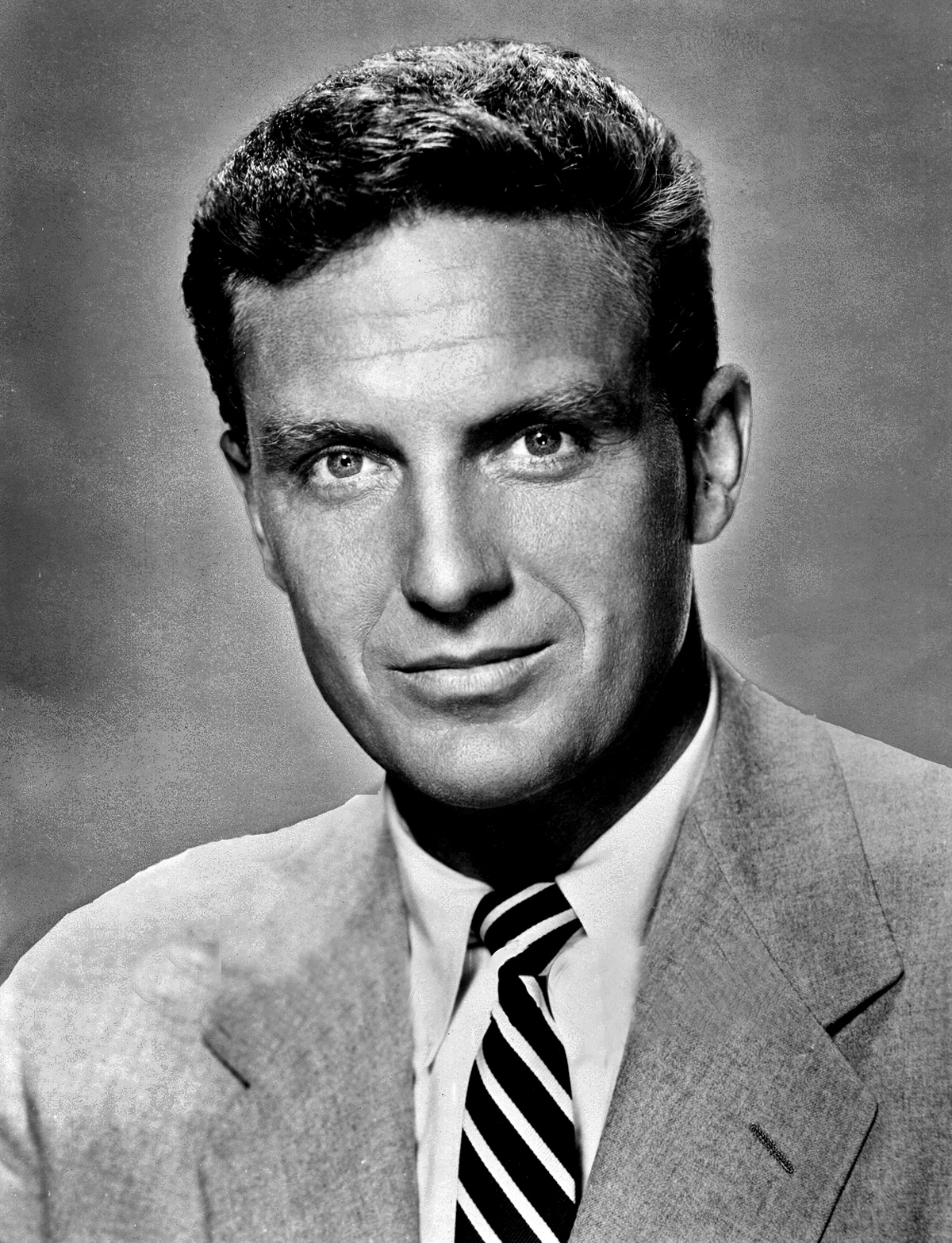
- January 13 – Robert Stack, American actor (d. 2003)
- January 14
- January 15 – George Cadle Price, 2-time Prime Minister of Belize (d. 2011)
- January 17 – Mingote, Spanish cartoonist (d. 2012)
- January 19 – Antonio Pietrangeli, Italian film director and screenwriter (d. 1968)
- January 23
- January 25 – Norman Newell, English record producer and lyricist (d. 2004)
- January 26 – Valentino Mazzola, Italian footballer (d. 1949)
- January 27 – Ross Bagdasarian Sr., American musician and actor (Alvin and the Chipmunks) (d. 1972)
- January 31 – Jackie Robinson, African-American baseball player (d. 1972)
February
_2.jpg)
- February 2 – Carlo D'Angelo, Italian actor and voice actor (d. 1973)
- February 4 – Janet Waldo, American actress (d. 2016)
- February 5
- February 11 – Eva Gabor, Hungarian actress (d. 1995)
- February 12
- February 13 – Tennessee Ernie Ford, American musician (d. 1991)
- February 17 – Kathleen Freeman, American film, television, voice and stage actress (d. 2001)
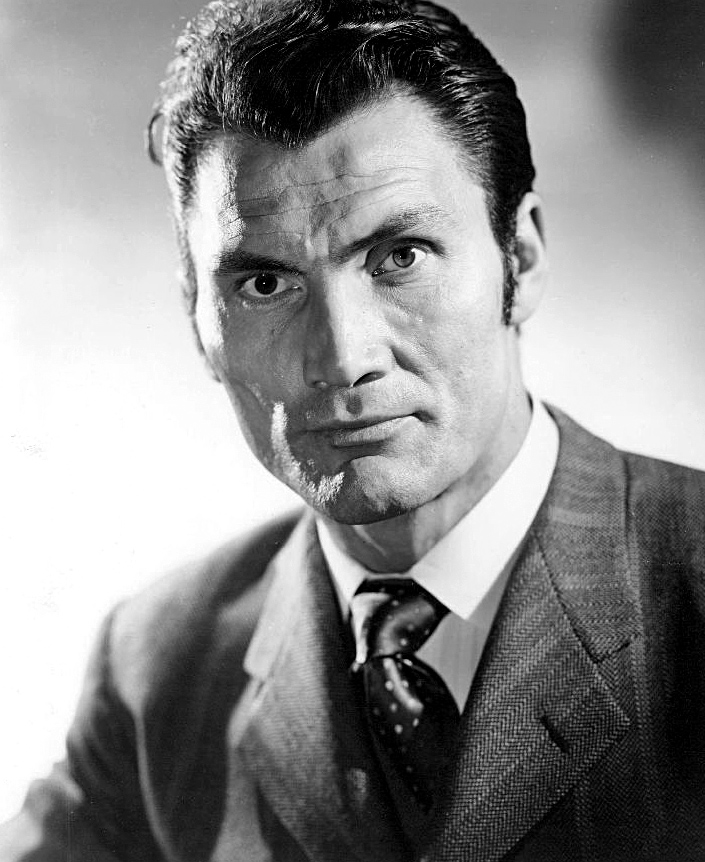
- February 18 – Jack Palance, American actor (d. 2006)
- February 20 – Lotfollah Safi Golpaygani, Iranian Marja (d. 2022)
- February 26
March

.jpg)
- March 2 – Jennifer Jones, American film actress (d. 2009)
- March 3
- March 5 – Peter Florjančič, Slovenian inventor (d. 2020)
- March 7 – M. N. Nambiar, Indian film actor (d. 2008)
- March 8 – Santiago Álvarez, Cuban filmmaker (d. 1998)
- March 11 – Kira Golovko, Russian actress (d. 2017)
- March 15
- March 17
- March 19 – Abdullah Tariki, Saudi politician and government official (d. 1997)
- March 20 – Gerhard Barkhorn, German World War II fighter ace (d. 1983)
- March 24 – Lawrence Ferlinghetti, American poet and publisher (d. 2021)
- March 26 – Frances North, American politician (d. 2003)
April

- April 1
- April 5 – Lester James Peries, Sri Lankan director, screenwriter and producer (d. 2018)
- April 8 – Ian Smith, Prime Minister of Rhodesia (1967–79) (d. 2007){{cite news
- April 13 – Howard Keel, American singer and actor (d. 2004)
- April 18 – Esther Afua Ocloo, Ghanaian entrepreneur, pioneer of microlending (d. 2002)
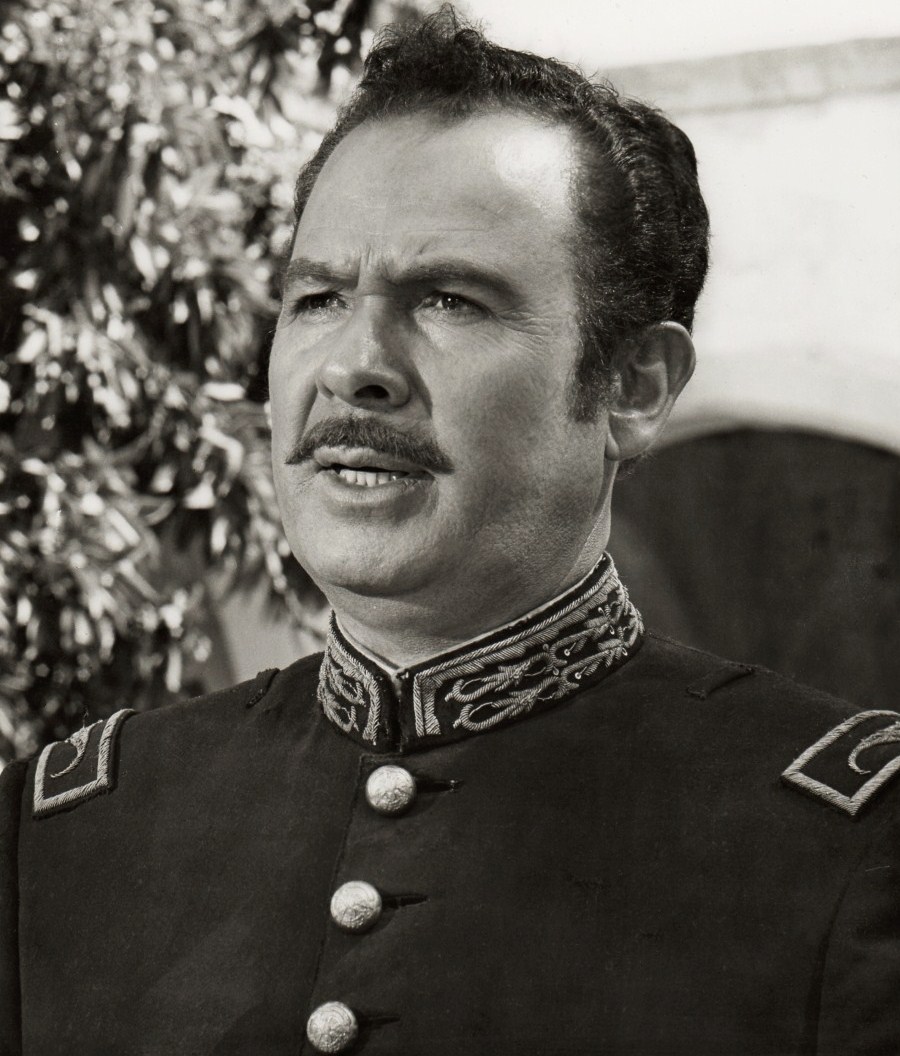
- April 19 – Gloria Marín, Mexican actress (d. 1983)
- April 21
- April 22
- April 24
May


- May 1
- May 3 – Pete Seeger, American folk singer and musician (d. 2014)
- May 5 – Georgios Papadopoulos, President of Greece and Prime Minister of Greece (d. 1999)
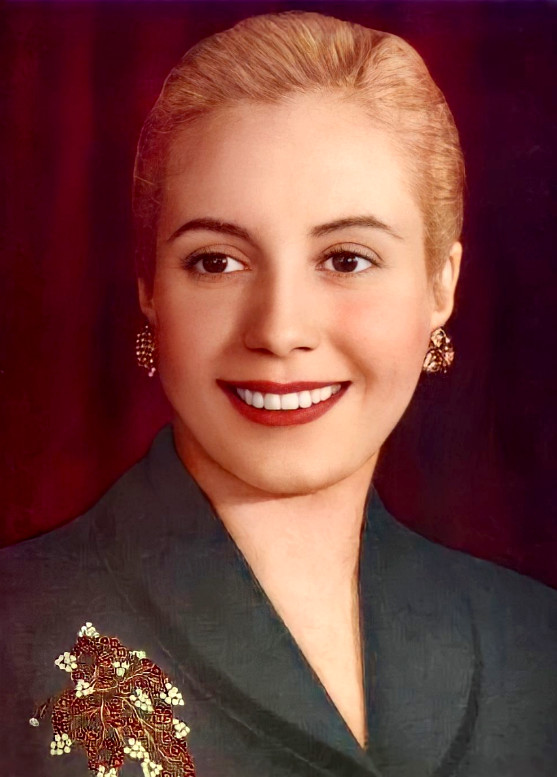
- May 7 – Eva Perón, wife of Argentine President Juan Perón (d. 1952)
- May 8 – Lex Barker, American actor (d. 1973)
- May 13 – Robert Mellard, American US Army soldier (d. 1976)
- May 15 – Eugenia Charles, 3rd Prime Minister of Dominica (d. 2005)
- May 16 – Liberace, American pianist, singer and actor (d. 1987)
- May 17
- May 18 – Margot Fonteyn, English ballet dancer (d. 1991)
- May 19
- May 21
- May 22 – Paul Vanden Boeynants, 2-time Prime Minister of Belgium (d. 2001)
- May 23 – Betty Garrett, American actress and dancer (d. 2011)
- May 25 – Raymond Smullyan, American mathematician, logician and philosopher (d. 2017){{cite web
- May 30 – René Barrientos, 47th President of Bolivia (d. 1969)
June

- June 5 – Veikko Huhtanen, Finnish artistic gymnast (d. 1976)
- June 8 – Abdirashid Ali Shermarke, 2nd President and 3rd Prime Minister of Somalia (d. 1969)
- June 12 – Ahmed Abdallah, President of the Comoros (d. 1989)
- June 16 – V. T. Sambanthan, Malaysian politician (d. 1979)
- June 19 – Pál Fábry, Hungarian politician (d. 2018)
- June 21 – Tsilla Chelton, French actress (d. 2012)
- June 23
- June 27 – Amala Shankar, Indian dancer (d. 2020)
- June 29 – Slim Pickens, American film and television actor (d. 1983)
July


- July 1
- July 3 – Gabriel Valdés, Chilean politician, lawyer and diplomat (d. 2011)
- July 4 – Gerd Hagman, Swedish actress (d. 2011)
- July 8 – Walter Scheel, President of Germany (d. 2016)
- July 10 – Pierre Gamarra, French poet, novelist and literary critic (d. 2009)
- July 13 – Grisha Filipov, leading member of the Bulgarian communist party (d. 1994)
- July 14
- July 15 – Iris Murdoch, British novelist and philosopher (d. 1999)
- July 16
- July 18 – Lilia Dale, Italian actress (d. 1991)
- July 19 – Patricia Medina, English-born actress (d. 2012)
- July 20 – Sir Edmund Hillary, New Zealand mountaineer, conqueror of Mount Everest (d. 2008)
- July 24
- July 26 – James Lovelock, English biologist and chemist (d. 2022)
- July 31 – Primo Levi, Italian chemist and writer (d. 1987)
August

- August 2 – Nehemiah Persoff, Israeli-American character actor (d. 2022)
- August 4 – Michel Déon, French writer (d. 2016)
- August 8
- August 9 – Joop den Uyl, Dutch politician, Prime Minister of the Netherlands from 1973 to 1977 (d. 1987)
- August 11 – Ginette Neveu, French violinist (d. 1949)
- August 12 – Margaret Burbidge, English-American astrophysicist and academic (d. 2020)
- August 13 – George Shearing, Anglo-American jazz pianist (d. 2011)
- August 15 – Dina Wadia, Indian political figure (d. 2017)
- August 20 – Adamantios Androutsopoulos, Prime Minister of Greece (d. 2000)
- August 24 – Carlos Julio Arosemena Monroy, 31st President of Ecuador (d. 2004)
- August 25 – George Wallace, American politician, 45th Governor of Alabama (d. 1998)
- August 28 – Godfrey Hounsfield, English electrical engineer and inventor, recipient of the Nobel Prize in Physiology or Medicine (d. 2004)
- August 30
- August 31 – Amrita Pritam, Indian poet and author (d. 2005)
September
- September 2 – Marge Champion, American actress (d. 2020)
- September 8
- September 11 – Ota Šik, Czech economist and politician (d. 2004)
- September 13
- September 15 – Fausto Coppi, Italian cyclist (d. 1960)
- September 18 – Pál Losonczi, Hungarian politician (d. 2005)
- September 19 – Earl R. Fox, U.S. Navy and Coast Guard veteran (d. 2012)
- September 21
- September 26 – Matilde Camus, Spanish poet and researcher (d. 2012)
- September 27 – James H. Wilkinson, English mathematician (d. 1986)
- September 29 – Margot Hielscher, German singer and film actress (d. 2017)
October


_(cropped).jpg)

- October 3 – James M. Buchanan, American economist, Nobel Prize laureate (d. 2013)
- October 5 –
- Donald Pleasence, English actor (d. 1995)
- Boris Shcherbina, Soviet politician, known for his role in the aftermath of the Chernobyl disaster (d. 1990)
- October 7 – Zelman Cowen, Governor-General of Australia (d. 2011)
- October 8 – Kiichi Miyazawa, 49th Prime Minister of Japan (d. 2007)
- October 11 – Art Blakey, American jazz drummer (d. 1990)
- October 14 – Edward L. Feightner, United States Navy officer (d. 2020)
- October 16 – Kathleen Winsor, American writer (d. 2003)
- October 17
- October 18
- October 22
- October 23 – Manolis Andronikos, Greek archaeologist (d. 1992)
- October 26
- October 28 – Ezz El-Dine Zulficar, Egyptian filmmaker (d. 1963)
- October 30 – Stane Kavčič, Prime Minister of Slovenia (d. 1987)
November

- November 1
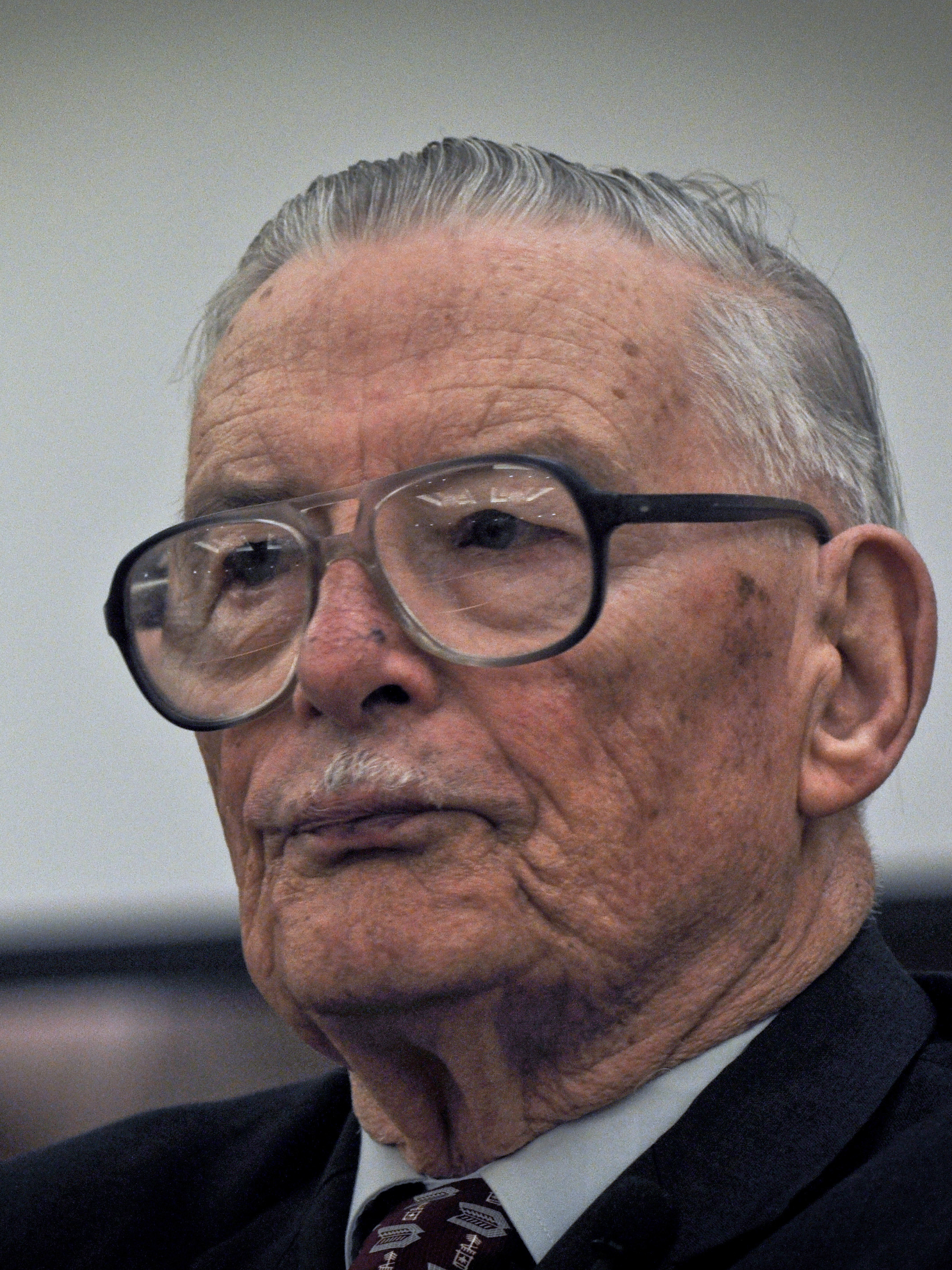
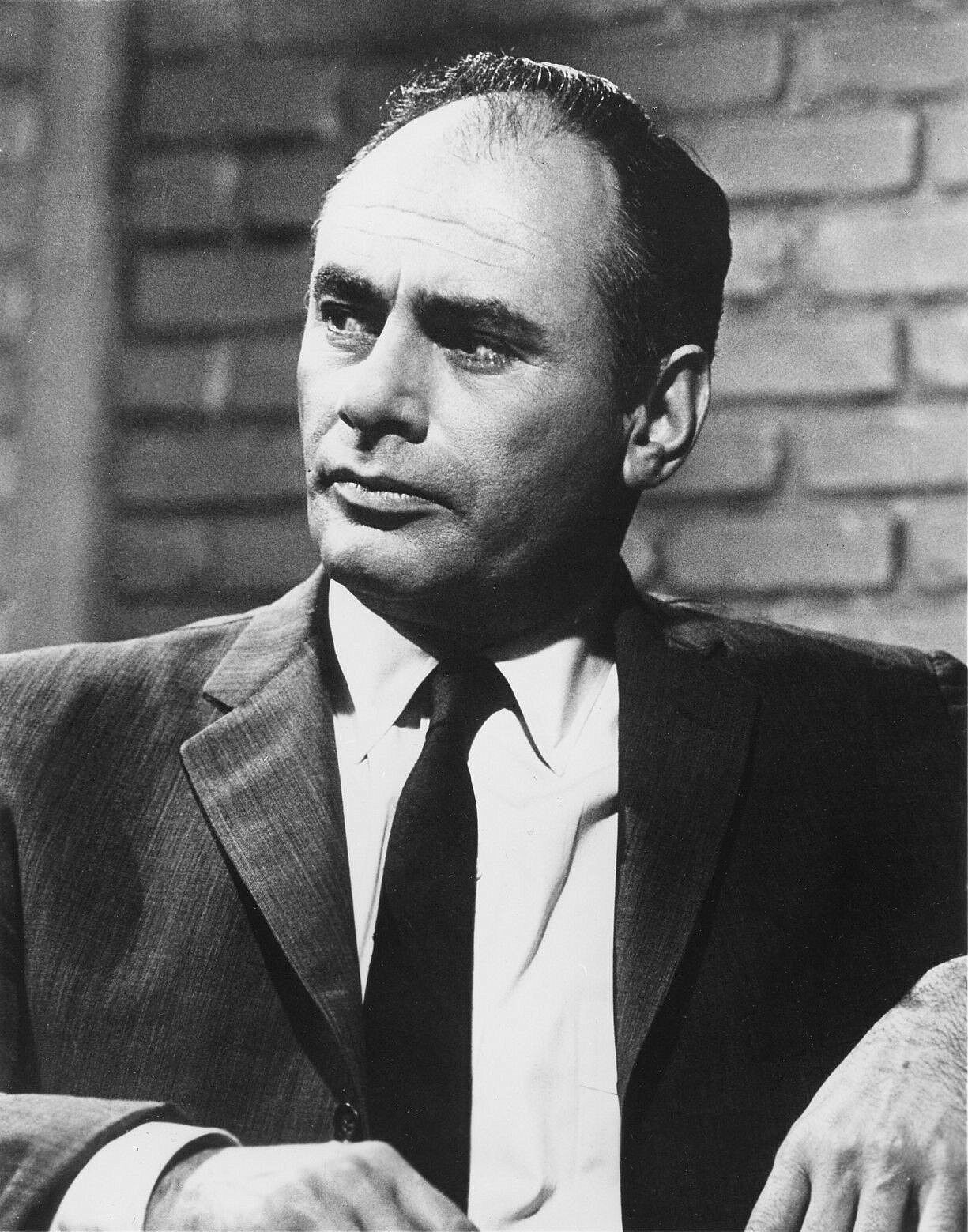
- November 4 – Martin Balsam, American actor (d. 1996)
- November 6 – Sophia de Mello Breyner Andresen, Portuguese poet and writer (d. 2004)
- November 9 – Eva Todor, Hungarian-born Brazilian actress (d. 2017)
- November 10
- November 18
- November 19 – Lolita Lebrón, Puerto Rican nationalist (d. 2010)
- November 21 – Gert Fredriksson, Swedish canoer (d. 2006)
- November 26
- November 28 – Keith Miller, Australian sportsman and Air force pilot (d. 2004)
December

- December 4 – I. K. Gujral, Indian politician, Prime Minister of India (d. 2012)
- December 6 – Paul de Man, Belgian-born literary critic (d. 1983)
- December 8 – Mieczysław Weinberg, Polish composer (d. 1996)
- December 9 – William Lipscomb, American chemist, Nobel Prize laureate (d. 2011)
- December 11 – Paavo Aaltonen, Finnish gymnast (d. 1962)
- December 13 – Hans-Joachim Marseille, German World War II fighter ace (d. 1942)
- December 24 – Pierre Soulages, French artist (d. 2022)
Deaths
January

.jpg)

- January 4 – Georg von Hertling, 7th Chancellor of Germany (b. 1843)
- January 6
- January 8 – Peter Altenberg, Austrian writer (b. 1859)
- January 10 – Wallace Clement Sabine, American physicist (b. 1868)
- January 12 – Sir Charles Wyndham, English actor and theatrical manager; Spanish flu (b. 1837)
- January 15
- January 16
- January 17 – Arichi Shinanojō, Japanese admiral (b. 1843)
- January 18
- January 21
- January 22 – Carl Larsson, Swedish painter (b. 1853)
- January 27
- January 28
- January 31 – Nat Goodwin, American actor and comedian (b. 1857)
February
.jpg)
- February 14 – Pál Luthár, Slovene teacher, cantor and writer (b. 1839)
- February 17 – Sir Wilfrid Laurier, 7th Prime Minister of Canada (b. 1841)
- February 19 – Melchora Aquino, Filipino revolutionary hero (b. 1812)
- February 20
- February 21
- February 26 – Mollie McNutt, Australian poet (b. 1885)
March
- March 5 – Ernest von Koerber, Austrian politician, former Prime Minister (b. 1850)
- March 10 – Amelia Edith Huddleston Barr, American novelist (b. 1831)
- March 16 – Yakov Sverdlov, Bolshevik revolutionary and politician, Spanish flu (b. 1885)
- March 26 – Ernest Henry, British explorer (b. 1837)
April
- April 4
- April 5 – Harutiun Alpiar, Ottoman Armenian journalist and humorous writer (b. 1864)
- April 8 – Frank Winfield Woolworth, American businessman (b. 1852)
- April 9 – Sidney Drew, American stage and film actor (b. 1863)
- April 10 – Emiliano Zapata, Mexican revolutionary, assassinated (b. 1879)
- April 14 – Auguste-Réal Angers, Canadian judge and politician, 6th Lieutenant Governor of Quebec (b. 1837)
- April 15 – Jane Delano, American nurse, founder of the American Red Cross Nursing Service (b. 1862)
- April 19 – Andrei Eberhardt, Russian admiral (b. 1856)
- April 20 – Thomas Egan, American gangster (b. 1874)
- April 21 – Jules Védrines, French pre-war aviator and World War I pilot, aviation accident (b. 1881)
- April 23 – Prince Tsunehisa Takeda, member of the Japanese imperial family, Spanish flu (b. 1882)
- April 27
May

- May 2 – Gustav Landauer, German anarchist, assassinated (b. 1870)
- May 4 – Milan Rastislav Štefánik, Slovak general, politician and astronomer (b. 1880)
- May 6 – L. Frank Baum, American author, poet, playwright, actor and independent filmmaker (The Wizard of Oz) (b. 1856)
- May 9 – Juan Isidro Jimenes Pereyra, Dominican political figure, twice President of the Dominican Republic (b. 1846)
- May 12 – D. M. Canright, American Seventh-day Adventist minister and author, later one of the church's severest critics (b. 1840)
- May 14 – Henry J. Heinz, American entrepreneur (b. 1844)
- May 15 – Aaron Aaronsohn, Romanian-born Israeli botanist (b. 1876)
- May 21 – Victor Segalen, French naval doctor, ethnographer, archeologist, writer, poet, explorer, art-theorist, linguist and literary critic (b. 1878)
- May 25 – Madam C. J. Walker, African-American entrepreneur and philanthropist (b. 1867)
- May 28 – Hermann von Spaun, Austro-Hungarian admiral (b. 1833)
June

- June 1 – Caroline Still Anderson, American physician (b. 1848)
- June 5 – Eugen Leviné, German revolutionary, assassinated (b. 1883)
- June 6 – Frederic Thompson, American architect and showman (b. 1873)
- June 7 – Henning von Holtzendorff, German admiral (b. 1853)
- June 15 – Prince Francis Joseph of Braganza (b. 1879)
- June 19 – Petre P. Carp, twice Prime Minister of Romania (b. 1837)
- June 29
- June 30 – John William Strutt, 3rd Baron Rayleigh, English physicist, Nobel Prize laureate (b. 1842)
July
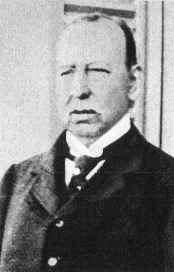
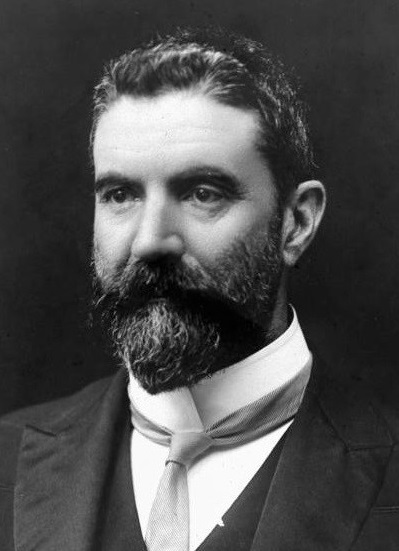

- July 2 – Friedrich Soennecken, German entrepreneur, inventor of hole punch and ring binder (b. 1848)
- July 10
- July 15 – Emil Fischer, German chemist, Nobel Prize laureate (b. 1852)
- July 18 – Raymonde de Laroche, French aviator, first woman to receive an aviator's license, aviation accident (b. 1882)
- July 21
- July 26 – Sir Edward Poynter, British painter (b. 1836)
- July 27 – Charles Conrad Abbott, American naturalist (b. 1848)
August
- August 1 – Oscar Hammerstein I, Polish-born theater impresario and composer (b. 1847)
- August 2 – Tullo Morgagni, Italian journalist, sports race organizer, and aviation enthusiast; killed in airplane crash (b. 1881)
- August 9
- August 11 – Andrew Carnegie, Scottish-born businessman and philanthropist (b. 1835)
- August 23 – Augustus George Vernon Harcourt, English chemist (b. 1834)
- August 24 – Friedrich Naumann, German politician and pastor (b. 1860)
- August 27 – Louis Botha, Boer general, statesman, 1st Prime Minister of South Africa; Spanish flu (b. 1862)
September
- September 20 – Ramón Barros Luco, 15th President of Chile (b. 1835)
- September 22 – Alajos Gáspár, Slovene writer in Hungary (b. 1848)
- September 27 – Adelina Patti, Italian opera singer (b. 1843)
- September 28 – Venancio Antonio Morin, Venezuelan military officer and politician (b. 1843).
- September 29 – Masataka Kawase, a.k.a. Kogorō Ishikawa, Japanese political activist and diplomat (b. 1840)
October
- October 1 – Princess Charlotte of Prussia, German royal (b. 1850)
- October 2 – Victorino de la Plaza, Argentinian politician, 18th President of Argentina, leader (b. 1840)
- October 6 – Ricardo Palma, Peruvian writer (b. 1833)
- October 7 – Alfred Deakin, 2nd Prime Minister of Australia (b. 1856)
- October 11 – Karl Adolph Gjellerup, Danish writer, Nobel Prize laureate (b. 1857)
- October 18 – William Waldorf Astor, 1st Viscount Astor, American financier and statesman (b. 1848)
- October 22 – John Cyril Porte, Irish-born British flying boat pioneer, tuberculosis (b. 1884)
November
- November 3 – Terauchi Masatake, 9th Prime Minister of Japan (b. 1852)
- November 7 – Hugo Haase, German Socialist politician and jurist (b. 1863)
- November 9 – Eduard Müller, Swiss Federal Councillor (b. 1848)
- November 15 – Alfred Werner, German chemist, Nobel Prize laureate (b. 1866)
December
- December 2
- December 3 – Pierre-Auguste Renoir, French painter (b. 1841)
- December 11 – Sentō Takenaka, Japanese admiral (b. 1864)
- December 12 – Feng Guozhang, Chinese general (b. 1859)
- December 16 – Julia Lermontova, Russian chemist (b. 1846)
- December 19
- December 28 – Johannes Rydberg, Swedish physicist (b. 1854)
Nobel Prizes

- Physics – Johannes Stark
- Chemistry – not awarded
- Physiology or Medicine – Jules Bordet
- Literature – Carl Friedrich Georg Spitteler
- Peace – Woodrow Wilson
References
Sources
References
- Lacika, Ján. (2000). "Bratislava". Dajama.
- (2008-12-17). "Sinking of HMY Iolaire - list of all on board at time of grounding".
- Cloake, J. A.. (1997-03-20). "Germany 1918-1945". Oxford University Press.
- "Card of admission to Theodore Roosevelt's funeral". Theodore Roosevelt Centre.
- Parts, Karl. (1928). "Soomusrongide tegevusest Vabadussõja murrang-ajajärgul Põhja (Viru) rindel. Tapa vallutamine". Sõdur.
- "Luxembourg's history : Mutiny in the Grand Duchy".
- "The Spartacist Uprising in Berlin {{!}} History Today".
- (2001). "Boston". Fodor's Travel Publications.
- (1919-01-18). "Peace Conference Opens: Memorable Ceremony at the Quai d'Orsay". [[The Globe (London newspaper).
- MacMillan, Margaret. (2002). "Paris 1919: Six Months That Changed the World". Random House.
- Douglas L. Wheeler. (August 1998). "Republican Portugal: A Political History, 1910-1926". Univ of Wisconsin Press.
- Aleksandr Mikhaĭlovich Prokhorov. (1973). "Great Soviet Encyclopedia". Macmillan.
- Frederick S. Calhoun. (1986). "Power and Principle: Armed Intervention in Wilsonian Foreign Policy". Kent State University Press.
- (20 April 2018). "Debunking more myths around the battle of George Square".
- Tibenský, Ján. (1971). "Slovensko: Dejiny". Obzor.
- Guerra, Elda. (2012-07-13). "L'Associazionismo internazionale delle donne tra diritti, democrazia, politiche di pace 1888–1939". [[Università degli Studi della Tuscia]].
- (1919-01-27). "Votes for Women No Peace Problem". [[The Philadelphia Inquirer]].
- Jankovics, Marcel. "Húsz esztendő Pozsonyban".
- Zaide, Sonia M.. (1994). "The Philippines: A Unique Nation". All-Nations Publishing Co..
- Kyung Moon Hwang. (March 1, 2019). "The Birth of Korean Nationhood".
- Vilém Kahan. (1990). "Bibliography of the Communist International: 1919-1979. Vol. 1". Brill.
- Nicholson, G. W. L.. (1962). "Canadian Expeditionary Force, 1914-1919: Official History of the Canadian Army in the First World War". Queen's Printer.
- Gerges, Fawaz A.. (2013). "The New Middle East: Protest and Revolution in the Arab World". Cambridge University Press.
- "QosFC: Club History".
- (2005). "WWI and the First Czechoslovak Republic". City of Bratislava.
- (2019-04-12). "The 100-year horror of France's most notorious serial killer unveiled".
- Kaba, John. (1919). "Politico-economic Review of Basarabia". American Relief Administration.
- Elaine S. Hochman. (1997). "Bauhaus: Crucible of Modernism". Fromm International.
- Manning Clark. (1987). "A History of Australia". Melbourne University Press.
- "History – IFRC".
- "The Legacy of One Man's Vision". Aberystwyth University, Department of International Politics.
- J. M. Bumsted. (1994). "The Winnipeg General Strike of 1919: An Illustrated History". Watson & Dyer.
- (2007). "Military". Robson.
- Dyson, F. W.. (1920). "A Determination of the Deflection of Light by the Sun's Gravitational Field, from Observations Made at the Solar eclipse of May 29, 1919". [[Philosophical Transactions of the Royal Society A: Mathematical, Physical and Engineering Sciences]].
- "History".
- Aleksandr Mikhaĭlovich Prokhorov. (1973). "Great Soviet Encyclopedia". Macmillan.
- (2009-07-03). "Azerbaijani Foreign Ministry official: result of overcoming obstacles by first Azerbaijani diplomats was international recognition in Versailles". Today.az.
- (1996). "1919, July 21: Dirigible (Balloon) Crash". Chicago Public Library Archive.
- Jan-Bart Gewald. (1999). "Herero Heroes: A Socio-political History of the Herero of Namibia, 1890-1923". Ohio State University Press.
- [https://www.zinnedproject.org/news/tdih/elaine-massacre/ Sept. 30, 1919: Elaine Massacre – Zinn Education Project.] Retrieved December 25, 2021
- (2020). "The white press has a history of endangering black lives going back a century". The Washington Post.
- (18 August 2019). "A rural town confronts its buried history of mass killings of black Americans". The Guardian.
- Robert Alexander Kraig. (2004). "Woodrow Wilson and the Lost World of the Oratorical Statesman". Texas A&M University Press.
- John L. Hoh Jr.. (2011). "Pioneers of Profit Among the Clouds". Lulu.com.
- League of Nations, [https://www.ilo.org/public/libdoc/ilo/P/09616/09616(1919-1).pdf International Labour Conference: First Annual Meeting], ''ILO'', accessed 15 December 2023
- Royal Canadian Legion Branch # 138.[http://people.becon.org/~rcl138/milestone.php "2-Minute Wave of Silence" Revives a Time-honoured Tradition]. Accessed on 5 June 2014.
- Sykes, Christopher. (1984). "Nancy: the Life of Lady Astor". Academy Chicago Publishers.
- "Oliver & Boyd's New Edinburgh Almanac and National Repository for the Year 1921".
- Tonge, Stephen. "Weimar Germany 1919-1933". European History.
- "Encyclopedia of Soviet Writers".
- Salem Press. (September 2009). "Great Athletes". Salem Press.
- (1999). "Women in World History: Laa-Lyud". Yorkin Publications.
- Paul T. Hellmann. (14 February 2006). "Historical Gazetteer of the United States". Routledge.
- (May 15, 2003). "Robert Stack". [[The Guardian]].
- (2000). "Encyclopedia of Contemporary Italian Culture". Routledge.
- (2004). "George Price: Journey of a Belizean Hero". Factory Books.
- Giancarlo Colombo. (2006). "Who's Who in Spain". Who's Who in Italy.
- Gian Luigi Rondi. (1966). "Italian Cinema Today, 1952-1965". Hill and Wang.
- Vitello, Paul. (July 7, 2013). "Hans Hass, 94, early explorer of the world beneath the sea". [[New York Times]].
- (30 September 2018). "Chase's Calendar of Events 2019: The Ultimate Go-to Guide for Special Days, Weeks and Months". Rowman & Littlefield.
- Leigh, Spencer. (7 December 2004). "Norman Newell". [[The Independent]].
- (1997). "European Football: A Fans' Handbook: the Rough Guide". Rough Guides.
- Brown, Emma. (February 23, 2021). "Lawrence Ferlinghetti, literary citadel of San Francisco, dies at 101". [[The Washington Post]].
- "Frances North Obituary (2003) - Seattle, WA - The Seattle Times".
- Ginny Billings. (1990). "The Billings Rollography: Pianists". Rock Soup.
- Kojo T. Vieta. (1999). "The Flagbearers of Ghana: Profiles of One Hundred Distinguished Ghanaians". Ena Publications.
- David Yallop. (1985). "In God's Name". Corgi.
- Will Schmid. (1991). "A Tribute to Woody Guthrie & Leadbelly: Student Text". R&L Education.
- Harris M. Lentz. (4 February 2014). "Heads of States and Governments Since 1945". Routledge.
- Paul T. Hellmann. (14 February 2006). "Historical Gazetteer of the United States". Routledge.
- (1998). "Encyclopedia of World Biography". Gale Research.
- Erich Kamper. (1972). "Encyclopedia of the Olympic Games". McGraw-Hill.
- (2012-07-22). "Tsilla Chelton obituary".
- Adrian Webb. (9 September 2014). "Longman Companion to Germany Since 1945". Routledge.
- (1973). "Great Soviet Encyclopedia". Macmillan.
- James Monaco. (1991). "The Encyclopedia of Film". Perigee Books.
- B S Anilkumar. (May 11, 2021). "'Iron Lady' in Kerala politics KR Gouri Amma passes away".
- Peter J. Conradi. (23 April 2011). "Iris Murdoch, A Writer at War: Letters and Diaries, 1939-1945". Oxford University Press.
- (11 January 2008). "Obituary: Sir Edmund Hillary". The Telegraph.
- Mirna Cicioni. (1 December 1995). "Primo Levi: Bridges of Knowledge". Berg.
- (1979). "Contemporary Authors". Gale / Cengage Learning.
- (5 December 2005). "Classic Papers in Modern Diagnostic Radiology". Springer Science & Business Media.
- "Maria Lassnig | artnet".
- (May 3, 2022). "Meda Mládková, Leading Czech Collector Whose Passion for Art Ran Deep, Dies at 102".
- (15 October 2018). "Mary Midgley, 99, Moral Philosopher for the General Reader, Is Dead".
- (2019). "Mario Bunge: A Centenary Festschrift". Springer International Publishing.
- Frederick J. Spencer. (2002). "Jazz and Death: Medical Profiles of Jazz Greats". Univ. Press of Mississippi.
- "Edward Lewis Feightner Obituary".
- "Prominent Physicist Khalatnikov, Involved In Building 1st Soviet Nuclear Weapon, Dies".
- "Anita O'Day". [[The Independent]].
- (October 5, 2000). "Pierre Trudeau". [[The Economist]].
- Stanford, Peter. (22 November 2013). "Doris Lessing: A mother much misunderstood". [[The Daily Telegraph]].
- Eugene N. Borza. (October 1992). "Manolis Andronikos, 1919–1992". American Journal of Archaeology.
- "Mohammad Reza Shah Pahlavi {{!}} Biography, History, & White Revolution".
- (2008-04-30). "Figuras da Cultura Portuguesa".
- Barnett, David. (September 3, 2013). "Frederik Pohl, grandmaster of science fiction, dies aged 93". [[The Guardian]].
- McQuillan, Martin. (2001). "Paul de Man". Routledge.
- (26 October 2022). "Le peintre Pierre Soulages est mort". Le Monde.
- {{Cite EB1922
- David Kim. "Altenberg, Peter".
- ''Dictionary of National Biography'', Oxford 1912–1921, pp. 597-98
- (1984). "The Print in Germany, 1880-1933: The Age of Expressionism : Prints from the Department of Prints and Drawings in the British Museum". Trustees of the British Museum.
- Judd, Denis. (2012). "George VI". I.B. Tauris.
- {{EB1911
- Gunhild Engholm. "Augusta Lundin".
- (30 May 2001). "Dictionary of Midwestern Literature, Volume 1: The Authors". Indiana University Press.
- (1919-05-26). "CJ Walker Obit.". The New York Times.
- (1967). "Who's who in the Theatre". Pitman.
- (2014). "World War I: The Definitive Encyclopedia and Document Collection". ABC-CLIO.
- (1971). "Atomic Pioneers". U.S. Atomic Energy Commission, Division of Technical Information.
- "Il Genio nella Canere".
- Patrick Kavanaugh. (1996). "Music of the Great Composers: A Listener's Guide to the Best of Classical Music". Zondervan.
- "Andrew Carnegie: Biography on Undiscovered Scotland".
- (November 1919). "Death claims two of Peru's most illustrious sons". South American Publishing Company, Incorporated.
- Nicolas Slonimsky. (1938). "Music Since 1900". W.W. Norton, Incorporated.
- "Venancio Antonio Morin".
- "仙頭武央 ~日本海海戦 対馬艦長~".
- Alice Stone Blackwell. (1919). "The Woman Citizen". Leslie Woman Suffrage Commission.
This article was imported from Wikipedia and is available under the Creative Commons Attribution-ShareAlike 4.0 License. Content has been adapted to SurfDoc format. Original contributors can be found on the article history page.
Ask Mako anything about 1919 — get instant answers, deeper analysis, and related topics.
Research with MakoFree with your Surf account
Create a free account to save articles, ask Mako questions, and organize your research.
Sign up freeThis content may have been generated or modified by AI. CloudSurf Software LLC is not responsible for the accuracy, completeness, or reliability of AI-generated content. Always verify important information from primary sources.
Report