From Surf Wiki (app.surf) — the open knowledge base
1912 Indianapolis 500
Second running of the Indianapolis 500
Second running of the Indianapolis 500
| Field | Value |
|---|---|
| race_name | 2nd Indianapolis 500 |
| race_logo | 1912 Indianapolis 500 program cover.jpg |
| sanction | AAA |
| date | May 30, 1912 |
| winner | Joe Dawson |
| team | National Motor Vehicle Company |
| mph | 78.719 mi/h |
| pole | Gil Andersen |
| pole_speed | N/A |
| leader | Ralph DePalma (196) |
| pace_car | Stutz |
| pace_driver | Carl G. Fisher |
| starter | Fred J. Wagner |
| honorary | R. P. Hooper |
| attendance | 75,000 |
| previous | [1911](1911-indianapolis-500) |
| next | [1913](1913-indianapolis-500) |
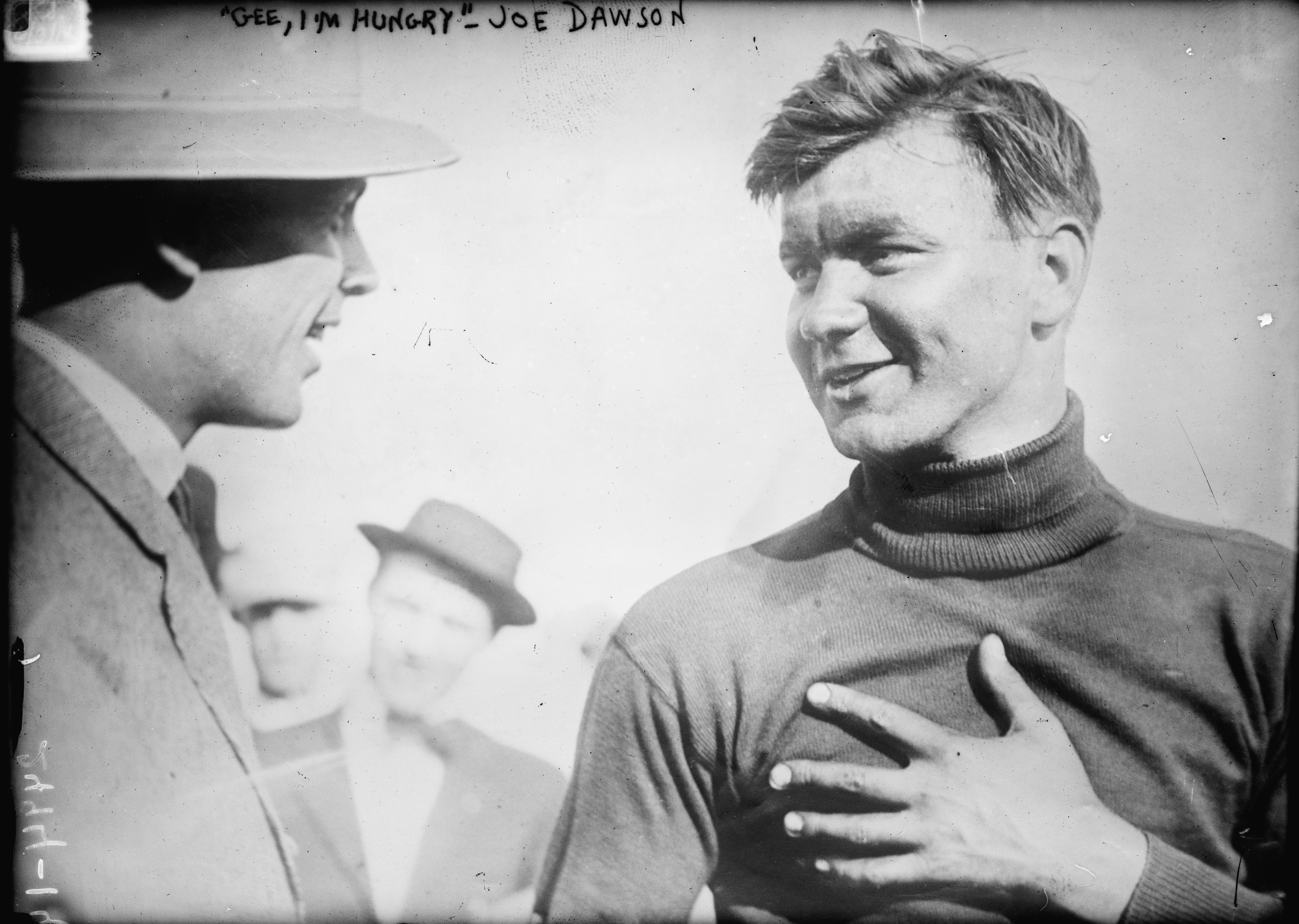
The 1912 Indianapolis 500-Mile Race, or International 500-Mile Sweepstakes Race, the second such race in history, was held at the Indianapolis Motor Speedway on Thursday, May 30, 1912. Indiana-born driver Joe Dawson won the race, leading only the final two laps. Ralph DePalma dominated the race, leading 196 of the 200 laps, and pulling out to an over 5-lap lead. But with just over two laps to go, his car failed with a broken connecting rod.
Summary
In the aftermath of victory by Ray Harroun in the single-seat Marmon "Wasp" in the first 500-Mile Race the year before, new rules made the presence of riding mechanics mandatory; maximum engine size remained 600 cubic inches (9.83 liters) displacement. At $50,000, the race purse was nearly double that of 1911.
Out of 29 original entries, 24 qualified for the race by sustaining a speed faster than a minimum of 75 mph (120.7 km/h) for a full lap, an increase from the quarter-mile qualifying distance of the inaugural year. David Bruce-Brown was fastest at 88.45 mph (142.35 km/h), but starting positions were again determined by entry date. Lining up five cars to the first four rows and four to a fifth, a change from the previous year's starting method was movement of the pace car, a Stutz, from the inside of the first row to out in front of the field.
Upon wave of the then-red starting flag, Teddy Tetzlaff took the lead in a Fiat from the third starting position in the center of the first row, and lead for the first two laps before being overtaken by the grey # 4 Mercedes of Ralph DePalma.
DePalma's domination of most of the event was total, as he built an eventual five-and-a-half lap, eleven-minute advantage over second, and lead uncontested for the next 194 laps. On lap 87, DePalma led his 85th lap and became the all-time Indianapolis 500 lap leader with 89 laps led (he led 4 laps in the 1911 race), a title he would hold until lap 200 of the 1987 race, 75 years later. But at the beginning of lap 197, as his Mercedes began misfiring, and slowed on the main stretch at the conclusion of the lap. Nursed through the 198th lap by DePalma at reduced speed, the car finally lost all power at the end of the backstretch on lap 199, as a broken connecting rod tore a hole in the crankcase.
With the car's momentum carrying it around to the fourth turn, DePalma and riding mechanic Rupert Jeffkins then entered themselves into motor racing lore, as well as inspired the cheers of the more than 80,000 in attendance, as they climbed from the vehicle and begin pushing it down the five-eighths of a mile main stretch toward the start-finish line.
Indianapolis driver Joe Dawson and riding mechanic Harry Martin, running in the second position for most of the race in their blue and white National Motor Vehicle Company entry, finally passed DePalma midway down the main stretch to assume the lead for the concluding two laps, a record that would be held for the fewest led laps in history until 2011, following DePalma's 196 laps in the lead being the most ever in a race by a non-winner. Finishing more than ten minutes ahead of newly-second place Tetzlaff, Dawson completed another two laps for good measure upon fear of a scoring miscue. Sometime thereafter, DePalma and Jeffkins finally brought their car across the line, but in twofold futile endeavour: Speedway rules, requiring that all entries move under their own power, marked DePalma's final number of circuits at 198, and the push across the line, even if it counted, brought them only to the beginning of the final lap.
Dawson's run in the American-manufactured, four-cylinder National, with a winning time of 6:21:06 and averaging 78.719 mph (126.686 km/h), was twenty-one minutes two seconds faster than the previous 1911 record; The National team garnered $20,000 and additional contingency awards.
Throughout the remainder of the field, only the top ten finishers earned prize money, rules stipulating all entries complete the 500 mi to collect. Ralph Mulford, being forced to stop numerous times due to clutch problems in his Knox, found irritation with the requirement and proceeded to drive on, long after all others were presented the chequered flag...and even after Speedway president Carl Fisher and starter Fred Wagner left the grounds (the latter after getting into an argument over whether to flag Mulford off before he had completed the distance, Wagner in favor and Fisher against).
Through numerous accounts of the run, including his reportedly changing shock absorbers for a gentler ride, as well as stopping for a dinner-on-the-go of fried chicken and ice-cream with his riding mechanic, Mulford's finish finally arrived, amid deserted grandstands and a setting sun over the main straightaway, 8 hours and 53 minutes after the start (approximately 6:53 p.m. local time), and with an average speed of 56.285 mph (90.582 km/h), which remains a record: the slowest finishing speed to date in 500 history.
Starting grid
Entries were required to complete one lap in excess of 75 mph in order to qualify. However, starting grid was determined by order of entry date.
| Driver | Far Inside | Inside Center | Center | Outside Center | Far Outside | Time | (mph) | Row 1 | Row 2 | Row 3 | Row 4 | Row 5 |
|---|---|---|---|---|---|---|---|---|---|---|---|---|
| USA Gil Andersen | USA Len Zengel **** | USA Teddy Tetzlaff | USA Ralph DePalma | USA Eddie Hearne | ||||||||
| 1:51.21 | 80.93 | 1:54.14 | 78.85 | 1:46.84 | 84.24 | 1:44.63 | 86.02 | 1:49.96 | 81.85 | |||
| USA Spencer Wishart | USA Joe Dawson | USA Howdy Wilcox | USA Harry Knight | USA Bert Dingley **** | ||||||||
| 1:47.21 | 83.95 | 1:44.49 | 86.13 | 1:43.21 | 87.20 | 1:58.55 | 75.92 | 1:51.43 | 80.77 | |||
| USA John Jenkins **** | USA Bob Burman | USA Eddie Rickenbacker **** (*) | USA Billy Leisaw **** | USA Bill Endicott | ||||||||
| 1:51.36 | 80.82 | 1:47.00 | 84.11 | 1:56.43 | 77.30 | 1:56.11 | 77.51 | 1:51.70 | 80.57 | |||
| USA Ralph Mulford | GBR Hughie Hughes | USA Joe Horan **** | USA Mel Marquette | USA Len Ormsby **** | ||||||||
| 1:42.41 | 87.88 | 1:50.01 | 81.81 | 1:51.83 | 80.48 | 1:55.27 | 78.08 | 1:47.03 | 84.09 | |||
| USA Joe Matson **** | USA Charlie Merz | USA David Bruce-Brown | USA Louis Disbrow | |||||||||
| 1:52.64 | 79.90 | 1:54.10 | 78.88 | 1:41.75 | 88.45 | 1:57.59 | 76.54 |
Note: (*) Car qualified by Lee Frayer
Box score
| Finish | No | Driver | Entrant | Chassis | Engine | Cyl | Displ | ||||||||||||||||||||||||||||||
|---|---|---|---|---|---|---|---|---|---|---|---|---|---|---|---|---|---|---|---|---|---|---|---|---|---|---|---|---|---|---|---|---|---|---|---|---|---|
| (in3) | Color | Qual | |||||||||||||||||||||||||||||||||||
| (mph) | Rank | Grid | Laps | Time/Status | 1 | 2 | 3 | 4 | 5 | 6 | 7 | 7 | 9 | 10 | 11 | 12 | 13 | 14 | 15 | 16 | 17 | 18 | 19 | 20 | 21 | 22 | 23 | 24 | |||||||||
| 8 | USA Joe Dawson | ||||||||||||||||||||||||||||||||||||
| (Don Herr Laps 108–144) | National Motor Vehicle Company | National | National | 4 | 491 | blue/white | 86.13 | 4 | 7 | 200 | 6:21:06 | ||||||||||||||||||||||||||
| 3 | USA Teddy Tetzlaff | ||||||||||||||||||||||||||||||||||||
| (Caleb Bragg) | E. E. Hewlett | Fiat | Fiat | 4 | 589 | red | 84.24 | 6 | 3 | 200 | +10:23 | ||||||||||||||||||||||||||
| 21 | GBR Hughie Hughes | Mercer Motors Company | Mercer | Mercer | 4 | 301 | yellow | 81.81 | 11 | 17 | 200 | +12:03 | |||||||||||||||||||||||||
| 28 | USA Charlie Merz | ||||||||||||||||||||||||||||||||||||
| (Billy Knipper) | Ideal Motor Car Company | Stutz | Wisconsin | 4 | 390 | gray | 78.88 | 18 | 22 | 200 | +13:34 | ||||||||||||||||||||||||||
| 18 | USA Bill Endicott | ||||||||||||||||||||||||||||||||||||
| (Harry Endicott) | Schacht Motor Car Company | Schacht | Wisconsin | 4 | 390 | red | 80.57 | 15 | 15 | 200 | +25:22 | ||||||||||||||||||||||||||
| 2 | USA Len Zengel **** | ||||||||||||||||||||||||||||||||||||
| (Billy Knipper) | Ideal Motor Car Company | Stutz | Wisconsin | 4 | 390 | gray | 78.85 | 19 | 2 | 200 | +29:22 | ||||||||||||||||||||||||||
| 14 | USA John Jenkins **** | ||||||||||||||||||||||||||||||||||||
| (Charlie Arnold) | White Motor Company | White | White | 6 | 490 | white | 80.827 | 13 | 11 | 200 | +31:32 | ||||||||||||||||||||||||||
| 22 | USA Joe Horan **** | ||||||||||||||||||||||||||||||||||||
| (George Ainslee) | Dr. W. H. Chambers | Lozier | Lozier | 4 | 545 | white/red | 80.48 | 16 | 18 | 200 | +38:32 | ||||||||||||||||||||||||||
| 9 | USA Howdy Wilcox | ||||||||||||||||||||||||||||||||||||
| (Bill Rader) | National Motor Vehicle Company | National | National | 4 | 590 | blue/white | 87.20 | 3 | 8 | 200 | +50:24 | ||||||||||||||||||||||||||
| 19 | USA Ralph Mulford | Ralph Mulford | Knox | Knox | 6 | 597 | white/red | 87.88 | 2 | 16 | 200 | +2:31:54 | |||||||||||||||||||||||||
| 4 | USA Ralph DePalma | E. J. Schroeder | Mercedes | Mercedes | 4 | 583 | gray | 86.02 | 5 | 4 | 198 | Connecting rod | |||||||||||||||||||||||||
| 15 | USA Bob Burman | Clark-Carter Auto Company | Cutting | Cutting | 4 | 598 | white/red | 84.11 | 7 | 12 | 157 | Crash T2 | |||||||||||||||||||||||||
| 12 | USA Bert Dingley **** | Bert Dingley | Simplex | Simplex | 4 | 597 | red/white | 80.77 | 14 | 10 | 116 | Connecting rod | |||||||||||||||||||||||||
| 25 | USA Joe Matson **** | O. Applegate | Lozier | Lozier | 4 | 545 | white/red | 79.90 | 17 | 21 | 110 | Crankshaft | |||||||||||||||||||||||||
| 7 | USA Spencer Wishart | Spencer Wishart | Mercedes | Mercedes | 4 | 583 | gray/black/red | 83.95 | 9 | 6 | 82 | Water connection | |||||||||||||||||||||||||
| 1 | USA Gil Andersen | Ideal Motor Car Company | Stutz | Wisconsin | 4 | 390 | gray/white | 80.93 | 12 | 1 | 80 | Crash T3 | |||||||||||||||||||||||||
| 17 | USA Billy Leisaw **** | ||||||||||||||||||||||||||||||||||||
| (W. H. Farr) | Will Thomson | Marquette | Buick | 4 | 594 | tan/red | 77.51 | 21 | 14 | 72 | Caught fire | ||||||||||||||||||||||||||
| 46 | USA Louis Disbrow | ||||||||||||||||||||||||||||||||||||
| (Neil Whalen) | J. I. Case T. M. Company | Case | Case | 6 | 450 | white/red | 76.54 | 23 | 24 | 67 | Differential pin | ||||||||||||||||||||||||||
| 23 | USA Mel Marquette | Speed Motors Company | McFarlan | McFarlan | 6 | 425 | gray | 78.08 | 20 | 19 | 63 | Broken wheels | |||||||||||||||||||||||||
| 6 | USA Eddie Hearne | ||||||||||||||||||||||||||||||||||||
| (Neil Whalen) | J. I. Case T. M. Company | Case | Case | 6 | 450 | white/red | 81.85 | 10 | 5 | 55 | Burned bearing | ||||||||||||||||||||||||||
| 16 | USA Eddie Rickenbacker **** | Columbus Buggy Company | Fiat | Firestone-Columbus | 4 | 345 | crimson/black | 77.30 | 22 | 13 | 43 | Intake valve | |||||||||||||||||||||||||
| 29 | USA David Bruce-Brown | National Motor Vehicle Company | National | National | 4 | 590 | blue/white | 88.45 | 1 | 23 | 25 | Valve trouble | |||||||||||||||||||||||||
| 10 | USA Harry Knight | Lexington Motor Car Company | Lexington | Lexington | 6 | 422 | brown/white | 75.92 | 24 | 9 | 6 | Engine trouble | |||||||||||||||||||||||||
| 26 | USA Len Ormsby **** | I. C. Stern & B. C. Noble | Opel | Opel | 4 | 450 | gray/red | 84.09 | 8 | 20 | 5 | Connecting rod |
Note: Relief drivers in parentheses
**** Indianapolis 500 Rookie
Race statistics
| Lap Leaders | Laps | Leader |
|---|---|---|
| 1–2 | Teddy Tetzlaff | |
| 3–198 | Ralph DePalma | |
| 199–200 | Joe Dawson |
| Total laps led | Laps | Leader |
|---|---|---|
| Ralph DePalma | 196 | |
| Teddy Tetzlaff | 2 | |
| Joe Dawson | 2 |
Notes
Race field average engine displacement:
- 491.46 in3 / 8.05 L Race field average qualifying speed:
- 81.762 mph / 131.583 km/h Finishing entries average time and finishing speed:
- 6:57:25 (-8:02 from previous year and previous record)
- 72.457 mph / 116.609 km/h (+1.717 mph / +2.763 km/h, from previous year and previous record)
Race details
- For 1912, riding mechanics were made mandatory.{{cite book
- Don Herr relieved Joe Dawson for several laps.
Gallery
Image:1912 Indianapolis 500, Joe Dawson winning.jpg|Joe Dawson winning the race Image:1912 Indianapolis 500 winning car.jpg|1912 winning car, now located at the Indianapolis Motor Speedway Hall of Fame and Museum Image:Indy500winningcar1912.JPG|1912 winning car, now located at the Indianapolis Motor Speedway Hall of Fame and Museum Image:DePalma1912.jpg|Ralph DePalma and Rupert Jeffkins, pushing the Mercedes down the main straightaway at the conclusion of the 1912 500-Mile Race. File:Stutz wrecked - Indianapolis LCCN2014690425.jpg|Gil Andersen's crashed Stutz at T3. Image:McFarlan Wreck Indianapolis 1912.jpg|Mel Marquette's wrecked McFarlan. File:Bob Burman Cutting racecar after accident in 1912 Indy 500.jpg|Bob Burman's crashed Cutting
Works cited
- Popely, Rick and L. Spencer Riggs. Indianapolis 500 Chronicle. Lincolnwood, Illinois: Publications International, Ltd., 1999.
- 2006 Indianapolis 500 Official Program
References
Indy 500 Walker| Previous_race = 1911| Previous_winner = Ray Harroun| This_race = 1912| This_winner = Joe Dawson| Next_race = 1913| Next_winner = Jules Goux| Fastest_average_speed = 78.719 | Previous_fastest_average_speed = 74.602 mph (1911 Indianapolis 500)| Next_fastest_average_speed = 82.474 mph (1914 Indianapolis 500)|
References
- Fox, Jack C.. (1994). "The Illustrated History of the Indianapolis 500 1911-1994". Carl Hungness Publishing.
- Greenough, Walter S.. (May 31, 1912). "Motor Mad Throng Sees Indiana Boy Win $35,000". The Indianapolis Star.
- (2013). "Autocourse Official History of the Indianapolis 500". Icon Publishing.
- (1998). "Indianapolis 500 Chronicle". Publications International.
- "1912 International 500". Racing-Reference.
- "International 500 Mile Sweepstakes – May 30, 1912". ChampCarStats.com.
This article was imported from Wikipedia and is available under the Creative Commons Attribution-ShareAlike 4.0 License. Content has been adapted to SurfDoc format. Original contributors can be found on the article history page.
Ask Mako anything about 1912 Indianapolis 500 — get instant answers, deeper analysis, and related topics.
Research with MakoFree with your Surf account
Create a free account to save articles, ask Mako questions, and organize your research.
Sign up freeThis content may have been generated or modified by AI. CloudSurf Software LLC is not responsible for the accuracy, completeness, or reliability of AI-generated content. Always verify important information from primary sources.
Report