From Surf Wiki (app.surf) — the open knowledge base
1896 Democratic National Convention
U.S. political event held in Chicago, Illinois
_(cropped).jpg)
U.S. political event held in Chicago, Illinois
| Field | Value |
|---|---|
| year | 1896 |
| party | Democratic |
| image | William Jennings Bryan oval.png |
| image_size | 98 |
| image2 | ArthurSewall.png |
| image_size2 | 98 |
| caption | Nominees |
| Bryan and Sewall | |
| date | July 7–11, 1896 |
| venue | Chicago Coliseum |
| city | Chicago, Illinois |
| presidential_nominee | William J. Bryan |
| presidential_nominee_state | Nebraska |
| vice_presidential_nominee | Arthur Sewall |
| vice_presidential_nominee_state | Maine |
| previous_year | 1892 |
| next_year | 1900 |
Bryan and Sewall
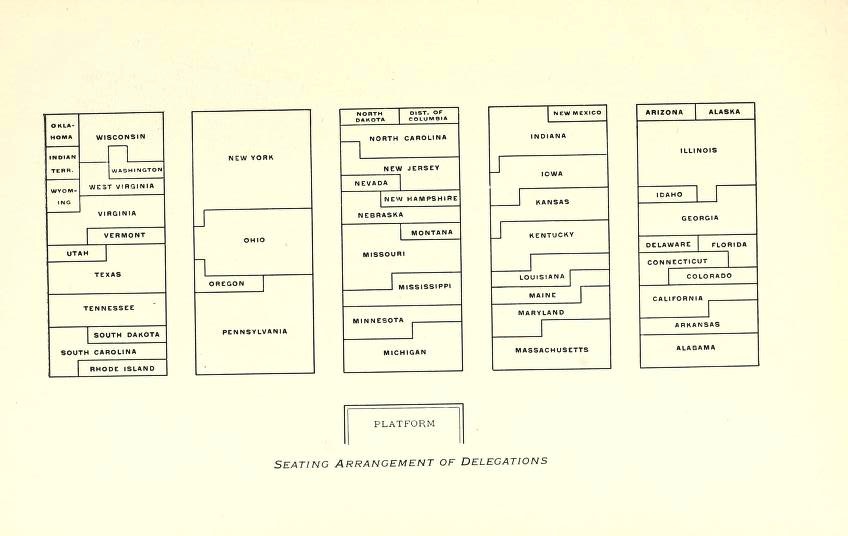
|}} The 1896 Democratic National Convention, held at the Chicago Coliseum from July 7 to July 11, was the scene of William Jennings Bryan's nomination as the Democratic presidential candidate for the 1896 U.S. presidential election.
At age 36, Bryan was the youngest presidential nominee in American history, only one year older than the constitutional minimum. Bryan's keynote "Cross of Gold" address, delivered prior to his nomination, lambasted Eastern monied classes for supporting the gold standard at the expense of the average worker. This was a repudiation of Cleveland administration's policy, but proved popular with the delegates to the convention.
Bryan secured the nomination on the fifth ballot over Richard P. Bland. Bryan declined to choose a Democratic vice presidential nominee, leaving the choice to his fellow delegates. Arthur Sewall of Maine was nominated on the fifth ballot. Bryan and Sewall ultimately lost to the Republican candidates, William McKinley and Garret Hobart.
Silver in control
For three years the nation had been mired in a deep economic depression, marked by low prices, low profits, high unemployment, and violent strikes. Economic issues, especially silver or gold for the money supply, and tariffs, were central. President Grover Cleveland, a Bourbon Democrat was pro-business and a staunch supporter of conservative measures such as the gold standard; he was strongest in the Northeast. Opposed to him were the agrarian and silver factions based in the South and West, which had been empowered after the Panic of 1893.
A two-thirds vote was required for the Democratic Party nomination and at the convention the silverites just barely had it despite the extreme regional polarization of the delegates. In a test vote on an anti-silver measure, the Eastern states (from Maryland to Maine), with 28% of the delegates voted 96% for gold. The delegates from the rest of the country voted 91% against gold, so the silverites controlled 67% of the delegates.
Bryan moves up
Bryan was a talented orator. He gave speeches, organized meetings, and adopted resounding resolutions that eventually culminated in the founding of the American Bimetallic League, which then evolved into the National Bimetallic Union, and finally the National Silver Committee. At the time many inflationist farmers believed that by increasing the amount of currency in circulation, the crops they grew would receive higher prices. They were opposed by banks and bond holders who feared inflation, and by urban workers who feared inflation would further erode their purchasing power. The ultimate goal of the League was to garner support on a national level for the reinstatement of the coinage of silver.
With others, he made certain that the Democratic platform reflected the now strengthening spirit of the silverites. With his support, Charles H. Jones, of the St Louis Post-Dispatch, was put on the platform committee and Bryan's plank for free silver was adopted sixteen to one and silently added to the Chicago Democratic Platform, in order to avoid controversy. As a minority member of the resolutions committee, Bryan was able to push the Democratic Party from its laissez-faire and small government roots towards its modern, interventionist character. Through these measures, the public and influential Democrats became convinced of his capacity to lead and bring change, resulting in his being mentioned as a possible chairman for the Chicago convention. Bryan delivered speeches across the country for free silver from 1894 to 1896, building a grass-roots reputation as a powerful champion of the cause.
At the 1896 convention, Bryan lambasted Eastern moneyed classes for supporting the gold standard at the expense of the average worker. His "Cross of Gold" speech made him the sensational new face in the Democratic party. At the start of the convention, former Missouri Congressman Richard P. Bland, a strong supporter of bimetallism, was viewed as the favorite. Some bimetallist supporters tried to draft Republican Senator Henry M. Teller of Colorado, but his candidacy never got off the ground.
Several state delegations, mostly from the Northeast, supported the gold standard and refused to take part in the nomination process. Many conservative Democrats looked to former Senator David B. Hill of New York or Governor William Russell of Massachusetts for leadership, but Russell was in poor health and Hill did not gain support for a presidential bid. Eight names were placed in nomination: Richard P. Bland, William J. Bryan, Claude Matthews, Horace Boies, Joseph Blackburn, John R. McLean, Robert E. Pattison, and Sylvester Pennoyer. The only major candidate that did support the gold standard was former Pennsylvania Governor Pattison. After five ballots, Bryan triumphed over Bland and Pattison. Bryan was also nominated for president by the Populist Party and the Silver Republican Party.
Presidential nomination
Presidential candidates
Image:WilliamJBryan1902.png|Former Representative William Jennings Bryan of Nebraska Image:Bland.png|Former Representative Richard P. Bland of Missouri Image:RobertEPattison.png|Former Governor Robert E. Pattison of Pennsylvania Image:Jblackburn.jpg|Senator Joseph Blackburn of Kentucky Image:HBoies.png|Former Governor Horace Boies of Iowa Image:John Roll McLean.jpg|Newspaper Publisher John R. McLean of Ohio Image:ClaudeMatthews.png|Governor Claude Matthews of Indiana Image:SylvesterPennoyer.png|Former Governor Sylvester Pennoyer of Oregon
Declined
Image:WilliamERussell.png|Former Governor William E. Russell of Massachusetts Image:John W. Daniel - Brady-Handy.jpg|Senator John W. Daniel of Virginia
Not nominated
Image:JosephCSibley.png|Former Representative Joseph C. Sibley of Pennsylvania
Balloting
| **Presidential Ballot** | 1st | 2nd | 3rd | 4th | 5th | UN | Bryan | Bland | Pattison | Blackburn | Boies | McLean | Matthews | Tillman | Stevenson | Pennoyer | Teller | Russell | Hill | Campbell | Turpie | Blank | |||||||
|---|---|---|---|---|---|---|---|---|---|---|---|---|---|---|---|---|---|---|---|---|---|---|---|---|---|---|---|---|---|
| 137 | 197 | 219 | 280 | 652 | 930 | ||||||||||||||||||||||||
| 235 | 281 | 291 | 241 | 11 | 0 | ||||||||||||||||||||||||
| 97 | 100 | 97 | 97 | 95 | 0 | ||||||||||||||||||||||||
| 82 | 41 | 27 | 27 | 0 | 0 | ||||||||||||||||||||||||
| 67 | 37 | 36 | 33 | 0 | 0 | ||||||||||||||||||||||||
| 54 | 53 | 54 | 46 | 0 | 0 | ||||||||||||||||||||||||
| 37 | 34 | 34 | 36 | 0 | 0 | ||||||||||||||||||||||||
| 17 | 0 | 0 | 0 | 0 | 0 | ||||||||||||||||||||||||
| 6 | 10 | 9 | 8 | 8 | 0 | ||||||||||||||||||||||||
| 8 | 8 | 0 | 0 | 0 | 0 | ||||||||||||||||||||||||
| 8 | 8 | 0 | 0 | 0 | 0 | ||||||||||||||||||||||||
| 2 | 0 | 0 | 0 | 0 | 0 | ||||||||||||||||||||||||
| 1 | 1 | 1 | 1 | 1 | 0 | ||||||||||||||||||||||||
| 1 | 0 | 0 | 0 | 0 | 0 | ||||||||||||||||||||||||
| 0 | 0 | 0 | 0 | 1 | 0 | ||||||||||||||||||||||||
| 178 | 160 | 162 | 161 | 162 | 0 |
File:1896DemocraticPresidentialNomination1stBallot.png| File:1896DemocraticPresidentialNomination2ndBallot.png| File:1896DemocraticPresidentialNomination3rdBallot.png| File:1896DemocraticPresidentialNomination4thBallot.png| File:1896DemocraticPresidentialNomination5thBallot.png|
Vice Presidential nomination
After the selection of Bryan, the convention turned its attention to picking a running mate. Newspaper publisher John Roll McLean of Ohio was viewed as a possible candidate, in part because his fortune could help fund the ticket. Former Representative George F. Williams of Massachusetts, businessman Arthur Sewall of Maine, and former Attorney General Augustus Hill Garland of Arkansas were all mentioned as possible candidates.
Eight names were placed in nomination: Arthur Sewall, John R. McLean, Joseph C. Sibley, George F. Williams, Walter Clark, J. Hamilton Lewis, George W. Fithian, and Sylvester Pennoyer. After being placed in nomination, McLean, Sibley, and Fithian made it known to the convention that they were not candidates for the vice presidency. Sewall ultimately received the nomination on the fifth ballot. The Populist Party and the Silver Republican Party also both nominated Bryan for president, but the Populists nominated former Georgia Representative Thomas E. Watson instead of Sewell.
Vice Presidential candidates
File:ArthurSewall.png|President of the Maine Central Railroad Arthur Sewall of Maine File:George F. Williams.png|Former Representative George F. Williams of Massachusetts File:WalterClark.png|State Associate Justice Walter Clark of North Carolina File:Hamilton lewis.jpg|Representative Nominee J. Hamilton Lewis of Washington (Ineligible, not yet 35 years of age) File:SylvesterPennoyer.png|Former Governor Sylvester Pennoyer of Oregon
Declined
Image:John Roll McLean.jpg|Newspaper Publisher John R. McLean of Ohio Image:Bland.png|Former Representative Richard P. Bland of Missouri Image:JosephCSibley.png|Former Representative Joseph C. Sibley of Pennsylvania Image:John W. Daniel - Brady-Handy.jpg|Senator John W. Daniel of Virginia Image:HBoies.png|Former Governor Horace Boies of Iowa Image:GeorgeWFithian.png|Former Representative George W. Fithian of Illinois
Balloting
| **Vice Presidential Ballot** | 1st | 2nd | 3rd | 4th | 5th | UN | Sewall | McLean | Bland | Sibley | G.F. Williams | Daniel | Clark | J. Williams | Harrity | Blackburn | Boies | Lewis | Pattison | Fithian | Teller | White | Blank |
|---|---|---|---|---|---|---|---|---|---|---|---|---|---|---|---|---|---|---|---|---|---|---|---|
| 100 | 37 | 97 | 261 | 568 | 930 | ||||||||||||||||||
| 111 | 158 | 210 | 298 | 32 | 0 | ||||||||||||||||||
| 62 | 294 | 255 | 0 | 0 | 0 | ||||||||||||||||||
| 163 | 113 | 50 | 0 | 0 | 0 | ||||||||||||||||||
| 76 | 16 | 15 | 9 | 9 | 0 | ||||||||||||||||||
| 11 | 0 | 6 | 54 | 36 | 0 | ||||||||||||||||||
| 50 | 22 | 22 | 46 | 22 | 0 | ||||||||||||||||||
| 22 | 13 | 0 | 0 | 0 | 0 | ||||||||||||||||||
| 19 | 21 | 19 | 11 | 11 | 0 | ||||||||||||||||||
| 20 | 0 | 0 | 0 | 0 | 0 | ||||||||||||||||||
| 20 | 0 | 0 | 0 | 0 | 0 | ||||||||||||||||||
| 11 | 0 | 0 | 0 | 0 | 0 | ||||||||||||||||||
| 2 | 1 | 1 | 1 | 1 | 0 | ||||||||||||||||||
| 1 | 0 | 0 | 0 | 0 | 0 | ||||||||||||||||||
| 1 | 0 | 0 | 0 | 0 | 0 | ||||||||||||||||||
| 1 | 0 | 0 | 0 | 0 | 0 | ||||||||||||||||||
| 260 | 255 | 255 | 250 | 251 | 0 |
File:1896DemocraticVicePresidentialNomination1stBallot.png| File:1896DemocraticVicePresidentialNomination2ndBallot.png| File:1896DemocraticVicePresidentialNomination3rdBallot.png| File:1896DemocraticVicePresidentialNomination4thBallot.png| File:1896DemocraticVicePresidentialNomination5thBallot.png|
References
References
- Stanley L. Jones. (1964). "The presidential election of 1896". U. of Wisconsin Press.
- Walter Dean Burnham, "The System of 1896: An Analysis," in Paul Kleppner et al., ''The Evolution of American Electoral Systems'' (Westport, Conn.: Greenwood Press, 1981), 147—202 at pp 158–60
- Paulo E. Coletta, ''William Jennings Bryan: Volume I, Political Evangelist, 1860–1908'', (1964) p. 107.
- Paxton Hibben, ''The Peerless Leader, William Jennings Bryan'' (1929), 175.
- Hibben, ''The Peerless Leader, William Jennings Bryan'' p 184.
- (7 June 1896). "The Silver Fanatics are Invincible". [[The New York Times]].
- (11 July 1896). "Bryan, Free Silver, and Repudiation". [[The New York Times]].
- (2002). "The Great Tax Wars: Lincoln to Wilson-The Fierce Battles over Money That Transformed the Nation". Simon & Schuster.
- "Official proceedings of the Democratic national convention held in Chicago, Ill., July 7th, 8th, 9th, 10th and 11th, 1896."; pg. 350 [https://archive.org/stream/officialproceedi1896demo#page/350/mode/2up/search/sewall]
This article was imported from Wikipedia and is available under the Creative Commons Attribution-ShareAlike 4.0 License. Content has been adapted to SurfDoc format. Original contributors can be found on the article history page.
Ask Mako anything about 1896 Democratic National Convention — get instant answers, deeper analysis, and related topics.
Research with MakoFree with your Surf account
Create a free account to save articles, ask Mako questions, and organize your research.
Sign up freeThis content may have been generated or modified by AI. CloudSurf Software LLC is not responsible for the accuracy, completeness, or reliability of AI-generated content. Always verify important information from primary sources.
Report