Psychoactive drug use dates back to prehistory for medicinal and consciousness-altering purposes, with evidence of widespread cultural use. Many animals intentionally consume psychoactive substances, and some traditional legends suggest animals first introduced humans to their use. Psychoactive substances are used across cultures for purposes ranging from medicinal and therapeutic treatment of mental disorders and pain, to performance enhancement. Their effects are influenced by the drug itself, the environment, and individual factors. Psychoactive drugs are categorized by their pharmacological effects into types such as anxiolytics (reduce anxiety), empathogen–entactogens (enhance empathy), stimulants (increase CNS activity), depressants (decrease CNS activity), and hallucinogens (alter perception and emotions). Psychoactive drugs are administered through various routes—including oral ingestion, injection, rectal use, and inhalation—with the method and efficiency differing by drug.
Psychoactive drugs alter brain function by interacting with neurotransmitter systems—either enhancing or inhibiting activity—which can affect mood, perception, cognition, behavior, and potentially lead to dependence or long-term neural adaptations such as sensitization or tolerance. Addiction and dependence involve psychological and physical reliance on psychoactive substances, with treatments ranging from psychotherapy and medication to emerging psychedelic therapies; global prevalence is highest for alcohol, cannabis, and opioid use disorders.
The legality of psychoactive drugs has long been controversial, shaped by international treaties like the 1961 Single Convention on Narcotic Drugs and national laws such as the United States Controlled Substances Act. Distinctions are made between recreational and medical use. Enforcement varies across countries. While the 20th century saw global criminalization, recent shifts favor harm reduction and regulation over prohibition. Widely used psychoactive drugs include legal substances like caffeine, alcohol, and nicotine; prescribed medications such as SSRIs, opioids, and benzodiazepines; and illegal recreational drugs like cocaine, LSD, and MDMA.
Types
Psychoactive drugs are divided according to their pharmacological effects. Common subtypes include:
- Anxiolytics are medicinally used to reduce the symptoms of anxiety, and sometimes insomnia.
- Empathogen–entactogens alter emotional state, often resulting in an increased sense of empathy, closeness, and emotional communication.
::Example: MDMA (ecstasy), [MDA](3-4-methylenedioxyamphetamine), [6-APB](6-apb), AMT
- Stimulants increase activity, or arousal, of the central nervous system. They can enhance alertness, attention, cognition, mood and physical performance. Some stimulants are used medicinally to treat individuals with ADHD and narcolepsy.
::Examples: amphetamines, caffeine, cocaine, nicotine
- Depressants reduce, or depress, activity and stimulation in the central nervous system. This category encompasses a spectrum of substances with sedative, soporific, and anesthetic properties, and include sedatives, hypnotics, and opioids.
:: Examples: ethanol (alcohol), opioids such as morphine, fentanyl, and codeine, barbiturates, and benzodiazepines,Muscimol (Amanita Muscaria)
- Hallucinogens, including psychedelics, dissociatives and deliriants, encompass substances that produce distinct alterations in perception, sensation of space and time, and emotional state.
::Examples, psychedelics: Psilocybin, LSD, DMT (N,N-Dimethyltryptamine), mescaline
::Examples, dissociatives: Dextromethorphan, *Salvia divinorum*
::Examples, deliriants: Datura, scopolamine
## Uses
::figure[src="https://upload.wikimedia.org/wikipedia/commons/f/f1/Drug_use_triangle.png" caption="Three key factors influence drug use: the drug (type, strength, availability, etc.), the individual (age, genetics, personality, etc.) and the environment (relatives, poverty, social norms, [[drug policy]], etc.)."]
::
The ways in which psychoactive substances are used vary widely between cultures. Some substances may have controlled or illegal uses, others may have shamanic purposes, and others are used medicinally. Examples would be social drinking, nootropic supplements, and sleep aids. Caffeine is the world's most widely consumed psychoactive substance, and is legal and unregulated in nearly all jurisdictions; in North America, 90% of adults consume caffeine daily.
### Mental disorders
*Main article: Psychiatric medications*
::figure[src="https://upload.wikimedia.org/wikipedia/commons/4/48/Zoloft_bottles.jpg" caption="Zoloft ([[sertraline]]) is an [[SSRI]] [[antidepressant]]."]
::
Psychiatric medications are psychoactive drugs prescribed for the management of mental and emotional disorders, or to aid in overcoming challenging behavior. There are six major classes of psychiatric medications:
- Antidepressants treat disorders such as clinical depression, dysthymia, anxiety, eating disorders, and borderline personality disorder.
- Stimulants, used to treat disorders such as attention deficit hyperactivity disorder and narcolepsy, and for weight reduction.
- Antipsychotics, used to treat psychotic symptoms, such as those associated with schizophrenia or severe mania, or as adjuncts to relieve clinical depression.
- Mood stabilizers, used to treat bipolar disorder and schizoaffective disorder.
- Anxiolytics, used to treat anxiety disorders.
- Depressants, used as hypnotics, sedatives, and anesthetics, depending upon dosage.
In addition, several psychoactive substances are currently employed to treat various addictions. These include acamprosate or naltrexone in the treatment of alcoholism, or methadone or buprenorphine maintenance therapy in the case of opioid addiction.
Exposure to psychoactive drugs can cause changes to the brain that counteract or augment some of their effects; these changes may be beneficial or harmful. However, there is a significant amount of evidence that the relapse rate of mental disorders negatively corresponds with the length of properly followed treatment regimens (that is, relapse rate substantially declines over time), and to a much greater degree than placebo.
### Military
#### Drugs used by militaries
::figure[src="https://upload.wikimedia.org/wikipedia/commons/d/dc/Victory_show_Cosby_Leicestershire_UK_2013-09-07_zaphad1_Victory_show_529_WWII_military_equipment_orginals_replicas_reenactment_etc_German_Luftwaffe_pilot's_personal_items_guns_badges_goggles_knives_etc.jpg" caption="Two [[hip flask]]s, located in the left-center, are featured in the military equipment used as emergency [[sustenance]] by the ''Luftwaffe'', which was the air force of Nazi Germany during World War II."]
::
*Main article: List of drugs used by militaries*
Militaries worldwide have used or are using various psychoactive drugs to treat pain and to improve performance of soldiers by suppressing hunger, increasing the ability to sustain effort without food, increasing and lengthening wakefulness and concentration, suppressing fear, reducing empathy, and improving reflexes and memory-recall among other things.
Both military and civilian American intelligence officials are known to have used psychoactive drugs while interrogating captives apprehended in its *"war on terror"*. In July 2012 Jason Leopold and Jeffrey Kaye, psychologists and human rights workers, had a Freedom of Information Act request fulfilled that confirmed that the use of psychoactive drugs during interrogation was a long-standing practice. Captives and former captives had been reporting medical staff collaborating with interrogators to drug captives with powerful psychoactive drugs prior to interrogation since the very first captives release.
In May 2003 recently released Pakistani captive Sha Mohammed Alikhel described the routine use of psychoactive drugs. He said that Jihan Wali, a captive kept in a nearby cell, was rendered catatonic through the use of these drugs.
Alcohol has a long association of military use, and has been called "liquid courage" for its role in preparing troops for battle, anaesthetize injured soldiers, and celebrate military victories. It has also served as a coping mechanism for combat stress reactions and a means of decompression from combat to everyday life. However, this reliance on alcohol can have negative consequences for physical and mental health.
The first documented case of a soldier overdosing on methamphetamine during combat, was the Finnish corporal Aimo Koivunen, a soldier who fought in the Winter War and the Continuation War.
#### Psychochemical warfare
*Main article: Psychochemical warfare*
Psychoactive drugs have been used in military applications as non-lethal weapons.
### Pain management
*Main article: Analgesics*
Psychoactive drugs are often prescribed to manage pain. The subjective experience of pain is primarily regulated by endogenous opioid peptides. Thus, pain can often be managed using psychoactives that operate on this neurotransmitter system, also known as opioid receptor agonists. This class of drugs can be highly addictive, and includes opiate narcotics, like morphine and codeine. NSAIDs, such as aspirin and ibuprofen, are also analgesics. These agents also reduce eicosanoid-mediated inflammation by inhibiting the enzyme cyclooxygenase.
#### Anesthesia
*Main article: Anesthesia*
General anesthetics are a class of psychoactive drug used on people to block physical pain and other sensations. Most anesthetics induce unconsciousness, allowing the person to undergo medical procedures like surgery, without the feelings of physical pain or emotional trauma. To induce unconsciousness, anesthetics affect the GABA and NMDA systems. For example, Propofol is a GABA agonist, and ketamine is an NMDA receptor antagonist.
### Performance-enhancement
*Main article: Performance-enhancing substance*
Performance-enhancing substances, also known as performance-enhancing drugs (PEDs), are substances that are used to improve any form of activity performance in humans. A well-known example of cheating in sports involves doping in sport, where banned physical performance-enhancing drugs are used by athletes and bodybuilders. Athletic performance-enhancing substances are sometimes referred as ergogenic aids. Cognitive performance-enhancing drugs, commonly called nootropics, are sometimes used by students to improve academic performance. Performance-enhancing substances are also used by military personnel to enhance combat performance.
### Recreation
*Main article: Recreational drug use*
::figure[src="https://upload.wikimedia.org/wikipedia/commons/c/ce/Alcohol_consumption_per_capita_(Per_capita_alcohol_consumption_in_high-income_countries),_OWID.svg" caption="Global per capita alcohol consumption has shown a downward trajectory since the 20th century, suggesting a shift towards prioritizing health and well-being."]
::
Many psychoactive substances are used for their mood and perception altering effects, including those with accepted uses in medicine and psychiatry. Examples of psychoactive substances include caffeine, alcohol, cocaine, LSD, nicotine, cannabis, and dextromethorphan. Classes of drugs frequently used recreationally include:
- Stimulants, which activate the central nervous system. These are used recreationally for their euphoric effects.
- Hallucinogens (psychedelics, dissociatives and deliriants), which induce perceptual and cognitive alterations.
- Hypnotics, which depress the central nervous system.
- Opioid analgesics, which also depress the central nervous system. These are used recreationally because of their euphoric effects.
- Inhalants, in the forms of gas aerosols, or solvents, which are inhaled as a vapor because of their stupefying effects. Many inhalants also fall into the above categories (such as nitrous oxide which is also an analgesic).
In some modern and ancient cultures, drug usage is seen as a status symbol. Recreational drugs are seen as status symbols in settings such as at nightclubs and parties. For example, in ancient Egypt, gods were commonly pictured holding hallucinogenic plants.
Because there is controversy about regulation of recreational drugs, there is an ongoing debate about drug prohibition. Critics of prohibition believe that regulation of recreational drug use is a violation of personal autonomy and freedom. In the United States, critics have noted that prohibition or regulation of recreational and spiritual drug use might be unconstitutional, and causing more harm than is prevented.
Some people who take psychoactive drugs experience drug- or substance-induced psychosis. A 2019 systematic review and meta-analysis by Murrie et al. found that the pooled proportion of transition from substance-induced psychosis to schizophrenia was 25% (95% CI 18%–35%), compared with 36% (95% CI 30%–43%) for brief, atypical and not otherwise specified psychoses. Type of substance was the primary predictor of transition from drug-induced psychosis to schizophrenia, with highest rates associated with cannabis (6 studies, 34%, CI 25%–46%), hallucinogens (3 studies, 26%, CI 14%–43%) and amphetamines (5 studies, 22%, CI 14%–34%). Lower rates were reported for opioid (12%), alcohol (10%) and sedative (9%) induced psychoses. Transition rates were slightly lower in older cohorts but were not affected by sex, country of the study, hospital or community location, urban or rural setting, diagnostic methods, or duration of follow-up.
### Ritual and spiritual
#### Offerings
Alcohol and tobacco (nicotine) have been and are used as offerings in various religions and spiritual practices. Coca leaves have been used as offerings in rituals.
##### Alcohol
*Main article: Religion and alcohol*
According to the Catholic Church, the sacramental wine used in the Eucharist must contain alcohol. Canon 924 of the present Code of Canon Law (1983) states:
::quote
§3 The wine must be natural, made from grapes of the vine, and not corrupt.
::
#### Psychoactive use
##### Entheogen
::figure[src="https://upload.wikimedia.org/wikipedia/commons/c/c7/Timothy-Leary-Los-Angeles-1989.jpg" caption="[[Timothy Leary]] was a leading proponent of spiritual hallucinogen use."]
::
Certain psychoactives, particularly hallucinogens, have been used for religious purposes since prehistoric times. Native Americans have used peyote cacti containing mescaline for religious ceremonies for as long as 5700 years. The muscimol-containing *Amanita muscaria* mushroom was used for ritual purposes throughout prehistoric Europe.
The use of entheogens for religious purposes resurfaced in the West during the counterculture movements of the 1960s and 70s. Under the leadership of Timothy Leary, new spiritual and intention-based movements began to use LSD and other hallucinogens as tools to access deeper inner exploration. In the United States, the use of peyote for ritual purposes is protected only for members of the Native American Church, which is allowed to cultivate and distribute peyote. However, the genuine religious use of peyote, regardless of one's personal ancestry, is protected in Colorado, Arizona, New Mexico, Nevada, and Oregon.
##### Psychedelic therapy
*Main article: Psychedelic therapy*
Psychedelic therapy (or **psychedelic-assisted therapy**) refers to the proposed use of psychedelic drugs, such as psilocybin, MDMA, LSD, and ayahuasca, to treat mental disorders. As of 2021, psychedelic drugs are controlled substances in most countries and psychedelic therapy is not legally available outside clinical trials, with some exceptions.
##### Psychonautics
*Main article: Psychonautics*
The aims and methods of psychonautics, when state-altering substances are involved, is commonly distinguished from recreational drug use by research sources. Psychonautics as a means of exploration need not involve drugs, and may take place in a religious context with an established history. Cohen considers psychonautics closer in association to wisdom traditions and other transpersonal and integral movements.
### Self-medication
*Main article: Self-medication*
Self-medication, sometime called do-it-yourself (DIY) medicine, is a human behavior in which an individual uses a substance or any exogenous influence to self-administer treatment for physical or psychological conditions, for example headaches or fatigue.
The substances most widely used in self-medication are over-the-counter drugs and dietary supplements, which are used to treat common health issues at home. These do not require a doctor's prescription to obtain and, in some countries, are available in supermarkets and convenience stores.
### Sex
*Main article: Sex and drugs*
Sex and drugs date back to ancient humans and have been interlocked throughout human history. Both legal and illegal, the consumption of drugs and their effects on the human body encompasses all aspects of sex, including desire, performance, pleasure, conception, gestation, and disease.
There are many different types of drugs that are commonly associated with their effects on sex, including alcohol, cannabis, cocaine, MDMA, GHB, amphetamines, opioids, antidepressants, and many others.
### Social movements
#### Cannabis
In the US, NORML (National Organization for the Reform of Marijuana Laws) has led since the 1970s a movement to legalize cannabis nationally. The so-called "[420 movement](420-cannabis-culture)" is the global association of the number 420 with cannabis consumption: April 20th – fourth month, twentieth day – has become an international counterculture holiday based on the celebration and consumption of cannabis; 4:20 pm on any day is a time to consume cannabis.
##### Operation Overgrow
Operation Overgrow is the name, given by cannabis activists, of an "operation" to spread marijuana seeds wildly "so it grows like weed". The thought behind the operation is to draw attention to the debate about legalization/decriminalization of marijuana.
### Suicide
A drug overdose involves taking a dose of a drug that exceeds safe levels. In the UK (England and Wales) until 2013, a drug overdose was the most common suicide method in females. In 2019 in males the percentage is 16%. Self-poisoning accounts for the highest number of non-fatal suicide attempts. In the United States about 60% of suicide attempts and 14% of suicide deaths involve drug overdoses. The case fatality rate of suicide attempts involving overdose is about 2%.
Most people are under the influence of sedative-hypnotic drugs (such as alcohol or benzodiazepines) when they die by suicide, with alcoholism present in between 15% and 61% of cases. Countries that have higher rates of alcohol use and a greater density of bars generally also have higher rates of suicide. About 2.2–3.4% of those who have been treated for alcoholism at some point in their life die by suicide.
Overdose attempts using painkillers are among the most common, due to their easy availability over-the-counter.
## Route of administration
*Main article: Route of administration*
Psychoactive drugs are administered via oral ingestion as a tablet, capsule, powder, liquid, and beverage; via injection by subcutaneous, intramuscular, and intravenous route; via rectum by suppository and enema; and via inhalation by smoking, vaporizing, and snorting. The efficiency of each method of administration varies from drug to drug.
The psychiatric drugs fluoxetine, quetiapine, and lorazepam are ingested orally in tablet or capsule form. Alcohol and caffeine are ingested in beverage form; nicotine and cannabis are smoked or vaporized; peyote and psilocybin mushrooms are ingested in botanical form or dried; and crystalline drugs such as cocaine and methamphetamine are usually inhaled or snorted.
## Determinants of effects
The theory of dosage, set, and setting is a useful model in dealing with the effects of psychoactive substances, especially in a controlled therapeutic setting as well as in recreational use. Dr. Timothy Leary, based on his own experiences and systematic observations on psychedelics, developed this theory along with his colleagues Ralph Metzner, and Richard Alpert (Ram Dass) in the 1960s.
; Dosage
The first factor, dosage, has been a truism since ancient times, or at least since Paracelsus who said, "Dose makes the poison." Some compounds are beneficial or pleasurable when consumed in small amounts, but harmful, deadly, or evoke discomfort in higher doses.
; Set
The set is the internal attitudes and constitution of the person, including their expectations, wishes, fears, and sensitivity to the drug. This factor is especially important for the hallucinogens, which have the ability to make conscious experiences out of the unconscious. In traditional cultures, set is shaped primarily by the worldview, health and genetic characteristics that all the members of the culture share.
; Setting
The third aspect is setting, which pertains to the surroundings, the place, and the time in which the experiences transpire.
This theory clearly states that the effects are equally the result of chemical, pharmacological, psychological, and physical influences. The model that Timothy Leary proposed applied to the psychedelics, although it also applies to other psychoactives.
## Effects
*Main article: Neuropsychopharmacology*
::figure[src="https://upload.wikimedia.org/wikipedia/commons/3/30/SynapseSchematic_en.svg" caption="Illustration of the major elements of [[neurotransmission]]. Depending on its method of action, a psychoactive substance may block the receptors on the post-synaptic neuron ([[dendrite]]), or block reuptake or affect neurotransmitter synthesis in the pre-synaptic neuron ([[axon]])."]
::
Psychoactive drugs operate by temporarily affecting a person's neurochemistry, which in turn causes changes in a person's mood, cognition, perception and behavior. There are many ways in which psychoactive drugs can affect the brain. Each drug has a specific action on one or more neurotransmitter or neuroreceptor in the brain.
Drugs that increase activity in particular neurotransmitter systems are called agonists. They act by increasing the synthesis of one or more neurotransmitters, by reducing its reuptake from the synapses, or by mimicking the action by binding directly to the postsynaptic receptor. Drugs that reduce neurotransmitter activity are called antagonists, and operate by interfering with synthesis or blocking postsynaptic receptors so that neurotransmitters cannot bind to them.
Exposure to a psychoactive substance can cause changes in the structure and functioning of neurons, as the nervous system tries to re-establish the homeostasis disrupted by the presence of the drug (see also, neuroplasticity). Exposure to antagonists for a particular neurotransmitter can increase the number of receptors for that neurotransmitter or the receptors themselves may become more responsive to neurotransmitters; this is called sensitization. Conversely, overstimulation of receptors for a particular neurotransmitter may cause a decrease in both number and sensitivity of these receptors, a process called desensitization or tolerance. Sensitization and desensitization are more likely to occur with long-term exposure, although they may occur after only a single exposure. These processes are thought to play a role in drug dependence and addiction. Physical dependence on antidepressants or anxiolytics may result in worse depression or anxiety, respectively, as withdrawal symptoms. Unfortunately, because clinical depression (also called major depressive disorder) is often referred to simply as depression, antidepressants are often requested by and prescribed for patients who are depressed, but not clinically depressed.
### Affected neurotransmitter systems
The following is a brief table of notable drugs and their primary neurotransmitter, receptor or method of action. Many drugs act on more than one transmitter or receptor in the brain.
::data[format=table]
| Neurotransmitter/receptor | Classification | *Examples* |
|---|---|---|
| [[File:Acetylcholine.svg|center|150px]] | Cholinergics (acetylcholine receptor agonists) | *arecoline, nicotine, piracetam* |
| Muscarinic antagonists (acetylcholine receptor antagonists) | *scopolamine, benzatropine, dimenhydrinate, diphenhydramine, trihexiphenidyl, doxylamine, atropine, quetiapine, olanzapine, most tricyclics* | |
| Nicotinic antagonists (acetylcholine receptor antagonists) | *memantine, bupropion* | |
| [[File:Adenosin.svg|center|150px]] | Adenosine receptor antagonists | *caffeine, theobromine, theophylline* |
| [[File:Dopamine2.svg|center|150px]] | Dopamine reuptake inhibitors | *cocaine, bupropion, methylphenidate, modafinil, St John's wort* |
| Dopamine releasing agents | *amphetamine, methamphetamine, MDMA, cathinone, phentermine, phenmetrazine, aminorex* | |
| Dopamine agonists | *pramipexole, Ropinirole, L-DOPA* (prodrug), *memantine* | |
| Dopamine antagonists | *haloperidol, droperidol*, many antipsychotics (e.g., *risperidone, olanzapine, quetiapine*) | |
| Dopamine partial agonists | *LSD, aripiprazole* | |
| [[File:Gamma-Aminobuttersäure - gamma-aminobutyric acid.svg|center|150px]] | GABA reuptake inhibitors | *tiagabine, St John's wort, vigabatrin, deramciclane* |
| GABAA receptor agonists | *ethanol, niacin, barbiturates, diazepam, clonazepam, lorazepam, temazepam, alprazolam* and other benzodiazepines, *zolpidem, eszopiclone, zaleplon* and other nonbenzodiazepines, *muscimol*, *phenibut* | |
| GABAA receptor positive allosteric modulators | | |
| GABA receptor antagonists | *thujone, bicuculline* | |
| GABAA receptor negative allosteric modulators | | |
| [[File:Norepinephrine structure with descriptor.svg|center|150px]] | Norepinephrine reuptake inhibitors | *St John's wort*, most non-SSRI antidepressants such as *amoxapine, atomoxetine, bupropion, reboxetine*, the tricyclics, *methylphenidate*, SNRIs such as *duloxetine, venlafaxine, cocaine*, *tramadol* |
| Norepinephrine releasing agents | *ephedrine, PPA, pseudoephedrine, amphetamine, phenethylamine, methamphetamine* | |
| Adrenergic agonists | *clonidine, guanfacine, phenylephrine* | |
| Adrenergic antagonists | *carvedilol, metoprolol, mianserin, prazosin, propranolol, trazodone, yohimbine, olanzapine* | |
| [[File:Serotonin.svg|center|150px]] | Serotonin receptor agonists | *triptans (e.g. sumatriptan, eletriptan), psychedelics (e.g. lysergic acid diethylamide, psilocybin, mescaline), ergolines (e.g. lisuride, bromocriptine)* |
| Serotonin reuptake inhibitors | most antidepressants including *St John's wort*, tricyclics such as *imipramine*, SSRIs (e.g. *fluoxetine*, *sertraline*, *escitalopram*), SNRIs (e.g. *duloxetine*, *venlafaxine*) | |
| Serotonin releasing agents | *fenfluramine*, *MDMA* (ecstasy), *tryptamine* | |
| Serotonin receptor antagonists | |*ritanserin*, *mirtazapine*, *mianserin*, *trazodone*, *cyproheptadine*, *memantine*, atypical antipsychotics (e.g., *risperidone*, *olanzapine*, *quetiapine*) | |
| [[File:AMPA.svg|center|150px]] | AMPA receptor positive allosteric modulators | *aniracetam, CX717, piracetam* |
| AMPA receptor antagonists | *kynurenic acid, NBQX, topiramate* | |
| [[File:Anandamide skeletal.svg|center|150x150px]] | Cannabinoid receptor agonists | *JWH-018* |
| Cannabinoid receptor partial agonists | *Anandamide*, *THC*, *cannabidiol*, *cannabinol* | |
| Cannabinoid receptor inverse agonists | *Rimonabant* | |
| Anandamide reuptake inhibitors | *LY 2183240*, *VDM 11*, *AM 404* | |
| FAAH enzyme inhibitors | *MAFP*, *URB597*, *N-Arachidonylglycine* | |
| | NMDA receptor antagonists | *ethanol, ketamine, deschloroketamine, [2-Fluorodeschloroketamine](2-fluorodeschloroketamine), PCP, DXM, Nitrous Oxide, memantine* |
| | GHB receptor agonists | *GHB, T-HCA* |
| Sigma receptor | Sigma-1 receptor agonists | *cocaine, DMT, DXM, fluvoxamine, ibogaine, opipramol, PCP, methamphetamine* |
| Sigma-2 receptor agonists | *methamphetamine* | |
| Opioid receptor | μ-opioid receptor agonists | *Narcotic opioids (e.g. codeine, morphine, hydrocodone, hydromorphone, oxycodone, oxymorphone, heroin, fentanyl)* |
| μ-opioid receptor partial agonists | *buprenorphine* | |
| μ-opioid receptor inverse agonists | *naloxone* | |
| μ-opioid receptor antagonists | *naltrexone* | |
| κ-opioid receptor agonists | *salvinorin A, butorphanol, nalbuphine, pentazocine, ibogaine* | |
| κ-opioid receptor antagonists | *buprenorphine* | |
| | H1 receptor antagonists | *diphenhydramine, doxylamine, mirtazapine, mianserin, quetiapine, olanzapine, meclozine*, most tricyclics |
| H3 receptor antagonists | *pitolisant* | |
| Indirect histamine receptor agonists | modafinil | |
| | Monoamine oxidase inhibitors (MAOIs) | *phenelzine, iproniazid, tranylcypromine, selegiline, rasagiline, moclobemide, isocarboxazid, Linezolid, benmoxin, St John's wort, coffee, garlic* |
| | Melatonin receptor agonists | *agomelatine, melatonin, ramelteon, tasimelteon* |
| | Imidazoline receptor agonists | *apraclonidine, clonidine, moxonidine, rilmenidine* |
| Orexin receptor | Inderict Orexin receptor agonists | modafinil |
| Orexin receptor antagonists | *SB-334,867, SB-408,124, TCS-OX2-29, suvorexant* | |
::
## Addiction and dependence
*Main article: Addiction, ΔFosB*
::figure[src="https://upload.wikimedia.org/wikipedia/commons/b/ba/Development_of_a_rational_scale_to_assess_the_harm_of_drugs_of_potential_misuse_(physical_harm_and_dependence,_NA_free_means).svg" caption="s2cid=5903121 }}</ref>"]
::
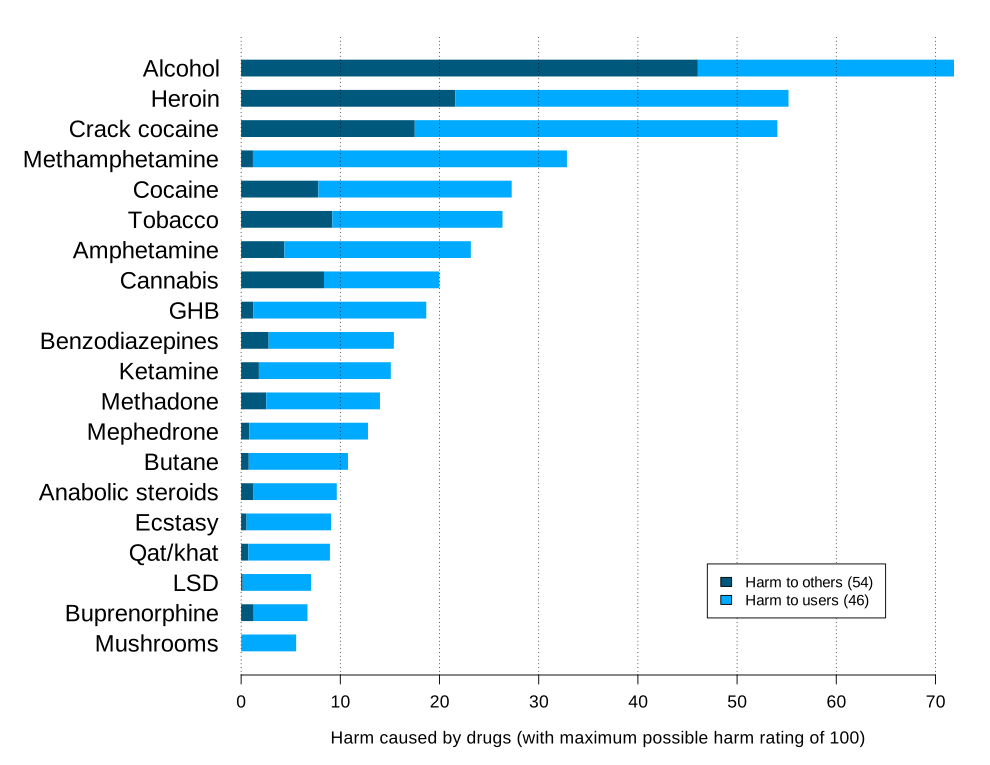
Psychoactive drugs are often associated with addiction or drug dependence. Dependence can be divided into two types: psychological dependence, by which a user experiences negative psychological or emotional withdrawal symptoms (e.g., depression) and physical dependence, by which a user must use a drug to avoid physically uncomfortable or even medically harmful physical withdrawal symptoms. Drugs that are both rewarding and reinforcing are addictive; these properties of a drug are mediated through activation of the mesolimbic dopamine pathway, particularly the nucleus accumbens. Not all addictive drugs are associated with physical dependence, e.g., amphetamine, and not all drugs that produce physical dependence are addictive drugs, e.g., oxymetazoline.
Globally, as of 2016, alcohol use disorders were the most prevalent of all substance use disorders (SUD) worldwide; cannabis dependence and opioid dependence were the next most prevalent SUDs.
Many professionals, self-help groups, and businesses specialize in drug rehabilitation, with varying degrees of success, and many parents attempt to influence the actions and choices of their children regarding psychoactives.
Common forms of rehabilitation include psychotherapy, support groups and pharmacotherapy, which uses psychoactive substances to reduce cravings and physiological withdrawal symptoms while a user is going through detox. Methadone, itself an opioid and a psychoactive substance, is a common treatment for heroin addiction, as is another opioid, buprenorphine. Recent research on addiction has shown some promise in using psychedelics such as ibogaine to treat and even cure drug addictions, although this has yet to become a widely accepted practice.
## Legality
*Main article: Prohibition of drugs*
::figure[src="https://upload.wikimedia.org/wikipedia/commons/f/ff/Bayer_Heroin_bottle.jpg" caption="Historical image of legal [[heroin]] bottle"]
::
The legality of psychoactive drugs has been controversial through most of *recent* history; the Second Opium War and Prohibition are two historical examples of legal controversy surrounding psychoactive drugs. However, in recent years, the most influential document regarding the legality of psychoactive drugs is the Single Convention on Narcotic Drugs, an international treaty signed in 1961 as an Act of the United Nations. Signed by 73 nations including the United States, the USSR, Pakistan, India, and the United Kingdom, the Single Convention on Narcotic Drugs established Schedules for the legality of each drug and laid out an international agreement to fight addiction to recreational drugs by combatting the sale, trafficking, and use of scheduled drugs. All countries that signed the treaty passed laws to implement these rules within their borders. However, some countries that signed the Single Convention on Narcotic Drugs, such as the Netherlands, are more lenient with their enforcement of these laws.
In the United States, the Food and Drug Administration (FDA) has authority over all drugs, including psychoactive drugs. The FDA regulates which psychoactive drugs are over the counter and which are only available with a prescription. However, certain psychoactive drugs, like alcohol, tobacco, and drugs listed in the Single Convention on Narcotic Drugs are subject to criminal laws. The Controlled Substances Act of 1970 regulates the recreational drugs outlined in the Single Convention on Narcotic Drugs. Alcohol is regulated by state governments, but the federal National Minimum Drinking Age Act penalizes states for not following a national drinking age. Tobacco is also regulated by all fifty state governments. Most people accept such restrictions and prohibitions of certain drugs, especially the "hard" drugs, which are illegal in most countries.
In the medical context, psychoactive drugs as a treatment for illness is widespread and generally accepted. Little controversy exists concerning over the counter psychoactive medications in antiemetics and antitussives. Psychoactive drugs are commonly prescribed to patients with psychiatric disorders. However, certain critics believe that certain prescription psychoactives, such as antidepressants and stimulants, are overprescribed and threaten patients' judgement and autonomy.
## Effect on animals
A number of animals consume different psychoactive plants, animals, berries and even fermented fruit, becoming intoxicated. An example of this is cats after consuming catnip. Traditional legends of sacred plants often contain references to animals that introduced humankind to their use. Animals and psychoactive plants appear to have co-evolved, possibly explaining why these chemicals and their receptors exist within the nervous system.
## Widely used psychoactive drugs
This is a list of commonly used drugs that contain psychoactive ingredients. Please note that the following lists contains legal and illegal drugs (based on the country's laws).
### Common legal drugs
The most widely consumed psychotropic drugs worldwide are:
- Caffeine
- Alcohol
- Nicotine
### Common prescribed drugs
- Benzodiazepines
- Cannabis
- Opioids
- Amphetamines
- SSRIs
### Common street drugs
- Cocaine
- Heroin
- LSD
- Methamphetamine
- Ecstasy
- Psilocybin mushrooms
- Benzodiazepines
- Pharmaceutical drugs
- Stimulants
## Notes
## References
| access-date =2012-07-14
| archive-date=2013-08-27
| archive-url =https://web.archive.org/web/20130827191607/https://www.theguardian.com/world/2003/dec/03/guantanamo.usa1
| url-status =live
| archive-date=2020-03-28
| archive-url =https://web.archive.org/web/20200328062203/https://truthout.org/articles/exclusive-department-of-defense-declassifies-report-on-alleged-drugging-of-detainees/
| url-status =live
| access-date =2012-07-14
| archive-date=2012-07-13
| archive-url =https://web.archive.org/web/20120713233900/https://www.wired.com/dangerroom/2012/07/gitmo/
| url-status =live
## References
1. (1992). "Caffeine and the central nervous system: mechanisms of action, biochemical, metabolic and psychostimulant effects". *Brain Research. Brain Research Reviews*.
2. (2021-03-01). ["Psychopharmaceutical Prescription Monitoring for Children in the Child Welfare System"](https://psychiatryonline.org/doi/10.1176/appi.ps.202000077). *Psychiatric Services*.
3. (2011-02-02). ["psychoactive substance"](https://www.cancer.gov/publications/dictionaries/cancer-terms/def/psychoactive-substance).
4. (1999). ["The Public Health Bush Book: Facts & approaches to three key public health issues"](http://www.nt.gov.au/health/healthdev/health_promotion/bushbook/volume2/chap1/sect1.htm). *Territory Health Services*.
5. Merlin, M.D.. (2003). "Archaeological Evidence for the Tradition of Psychoactive Plant Use in the Old World". *Economic Botany*.
6. Early Holocene coca chewing in northern Peru Volume: 84 Number: 326 Page: 939–953
7. (December 2, 2010). ["Coca leaves first chewed 8,000 years ago, says research"](https://www.bbc.co.uk/news/science-environment-11878241). *BBC News*.
8. Siegel, Ronald K. (2005). "Intoxication: The Universal Drive for Mind-Altering Substances". *Park Street Press, Rochester, Vermont*.
9. Weil, Andrew. (2004). "The Natural Mind: A Revolutionary Approach to the Drug Problem". *Houghton Mifflin*.
10. The Hashish Eater (1857) pg. 181
11. ["LEAP's Mission Statement"](http://www.leap.cc/cms/index.php?name=Content&pid=5). *Law Enforcement Against Prohibition*.
12. ["5 Years After: Portugal's Drug Decriminalization Policy Shows Positive Results"](http://www.scientificamerican.com/article.cfm?id=portugal-drug-decriminalization). *Scientific American*.
13. (2024). ["HRB National Drugs Library: Psychoactive drug or substance"](https://www.drugsandalcohol.ie/glossary/search?search_string=psychoactive+drug&search_fields=title&order_by=none&submit=Search).
14. (2011). "The Science and Business of Drug Discovery".
15. ["New psychoactive substances (NPS) {{!}} www.emcdda.europa.eu"](https://www.emcdda.europa.eu/topics/nps_en).
16. (2013). "Drops of madness? Recreational misuse of tropicamide collyrium; early warning alerts from Russia and Italy". *General Hospital Psychiatry*.
17. Lovett, Richard. (24 September 2005). ["Coffee: The demon drink?"](https://www.newscientist.com/article.ns?id=mg18725181.700). *New Scientist*.
18. (2009). "Psychotropic medication use for challenging behaviors in persons with intellectual disabilities: An overview". *Research in Developmental Disabilities*.
19. (2000). "New indications for antidepressants". *The Journal of Clinical Psychiatry*.
20. (2016). "The Oxford Handbook of Substance Use and Substance Use Disorders". *Oxford University Press*.
21. (2001). "Clinical importance of long-term antidepressant treatment". *The British Journal of Psychiatry*.
22. (14 April 2013). ["Analysis Creating Supermen: battlefield performance enhancing drugs"](https://www.army-technology.com/features/featurecreating-supermen-battlefield-performance-enhancing-drugs/). *Verdict Media Limited*.
23. (2016-04-08). ["The Drugs That Built a Super Soldier"](https://www.theatlantic.com/health/archive/2016/04/the-drugs-that-built-a-super-soldier/477183/). *The Atlantic*.
24. (April 2011). "Alcohol use and misuse within the military: a review". *International Review of Psychiatry*.
25. <!--Not stated-->. (2016). ["Aimo Allan Koivunen"](https://www.sotapolku.fi/henkilot/koivunen_aimo-allan_1917-11-14_alastaro/).
26. Rantanen, Miska. (28 May 2002). ["Finland: History: Amphetamine Overdose In Heat Of Combat"](http://www.mapinc.org/drugnews/v02/n1001/a05.html?5235). *[[Helsingin Sanomat]]*.
27. (1993). "Analgesic effect and plasma concentrations of codeine and morphine after two dose levels of codeine following oral surgery". *European Journal of Clinical Pharmacology*.
28. Medline Plus. [https://www.medlineplus.gov/anesthesia.html Anesthesia.] Accessed on July 16, 2007.
29. (2000). "Effects of halothane on GABA(A) receptor kinetics: evidence for slowed agonist unbinding". *The Journal of Neuroscience*.
30. (1985). "Quantitative studies on some antagonists of N-methyl D-aspartate in slices of rat cerebral cortex". *British Journal of Pharmacology*.
31. (May 2019). ["Effects of Performance-Enhancing Drugs | USADA"](http://www.usada.org/substances/effects-of-performance-enhancing-drugs/).
32. (December 2013). "The effects of caffeine, nicotine, ethanol, and tetrahydrocannabinol on exercise performance". *Nutrition & Metabolism*.
33. (June 2013). "Nutritional supplements and ergogenic AIDS". *Primary Care*.
34. (January 2015). "Smart drugs and synthetic androgens for cognitive and physical enhancement: revolving doors of cosmetic neurology". *Current Neuropharmacology*.
35. (8 March 2004). ["Better Fighting Through Chemistry? The Role of FDA Regulation in Crafting the Warrior of the Future"](https://dash.harvard.edu/handle/1/8848246).
36. [https://www.who.int/substance_abuse/publications/en/Neuroscience_E.pdf Neuroscience of Psychoactive Substance Use and Dependence] {{webarchive. [link](https://web.archive.org/web/20061003085309/http://www.who.int/substance_abuse/publications/en/Neuroscience_E.pdf). (2006-10-03 by the [[World Health Organization]]. Retrieved 5 July 2007.)
37. (1998). "Drug identity change processes, race, and gender. III. Macrolevel opportunity concepts". *Substance Use & Misuse*.
38. (2004). "Nymphaea cults in ancient Egypt and the New World: a lesson in empirical pharmacology". *Journal of the Royal Society of Medicine*.
39. (2004). "Prescribing cannabis: freedom, autonomy, and values". *Journal of Medical Ethics*.
40. Barnett, Randy E. [http://law.wustl.edu/Journal/22/p29Barnett.pdf "The Presumption of Liberty and the Public Interest: Medical Marijuana and Fundamental Rights"] {{webarchive. [link](https://web.archive.org/web/20070711001509/http://law.wustl.edu/Journal/22/p29Barnett.pdf). (2007-07-11 . Retrieved 4 July 2007.)
41. (16 October 2019). "Transition of Substance-Induced, Brief, and Atypical Psychoses to Schizophrenia: A Systematic Review and Meta-analysis". *Schizophrenia Bulletin*.
42. Quilter, Jeffrey. (2022). "The Ancient Central Andes". *Routledge World Archaeology*.
43. [http://www.deacons.net/Canon_Law/cci.htm Code of Canon Law, 1983] {{webarchive. [link](https://web.archive.org/web/20060619055307/http://www.deacons.net/Canon_Law/cci.htm). (19 June 2006)
44. (2005). "Prehistoric peyote use: alkaloid analysis and radiocarbon dating of archaeological specimens of Lophophora from Texas". *Journal of Ethnopharmacology*.
45. (2001). "Drug addiction. Part I. Psychoactive substances in the past and presence". *Polish Journal of Pharmacology*.
46. (1990). "Swallowing the scroll: legal implications of the recent Supreme Court peyote cases". *Journal of Psychoactive Drugs*.
47. (2019). "Psychedelic drugs-a new era in psychiatry?". *Dialogues in Clinical Neuroscience*.
48. (May 2020). "Psychedelics and Psychedelic-Assisted Psychotherapy". *The American Journal of Psychiatry*.
49. (October 2021). "Psychedelic therapy: a roadmap for wider acceptance and utilization". *Nature Medicine*.
50. (April 2021). "Ethical and legal issues in psychedelic harm reduction and integration therapy". *Harm Reduction Journal*.
51. Blom, Jan Dirk. (2009). ["A Dictionary of Hallucinations"](https://books.google.com/books?id=qbF44AEMGdcC&pg=PA434). *Springer*.
52. (10 November 2010 }} at his {{cite web). ["Academy for Transpersonal Studies"](https://web.archive.org/web/20101110073128/http://www.transpersonalacademy.co.uk/psychonautics.htm).
53. ["What is self-Medication?"](http://www.wsmi.org/about-self-care-and-self-medication/what-is-self-medication/). *World Self-Medication Industry*.
54. Joshua Clark Davis. (November 6, 2014). [http://www.huffingtonpost.com/joshua-clark-davis/the-long-marijuana-rights_b_6113894.html The Long Marijuana-Rights Movement.] {{webarchive. [link](https://web.archive.org/web/20160911130717/http://www.huffingtonpost.com/joshua-clark-davis/the-long-marijuana-rights_b_6113894.html). (September 11, 2016 The Huffington Post. Retrieved August 3, 2016.)
55. King, Matt. (April 24, 2007). ["Thousands at UCSC burn one to mark cannabis holiday"](http://www.santacruzsentinel.com/archive/2007/April/24/local/stories/08local.htm). *[[Santa Cruz Sentinel]]*.
56. (April 11, 2005). ["The power of 420"](http://hightimes.com/read/power-420).
57. ["420 event lists"](http://cannabis.shoutwiki.com/wiki/420_event_lists).
58. King, Matt. (April 24, 2007). ["Thousands at UCSC burn one to mark cannabis holiday"](http://www.santacruzsentinel.com/archive/2007/April/24/local/stories/08local.htm). *[[Santa Cruz Sentinel]]*.
59. McCoy, Terrence. (2014-04-18). ["The strange story of how the pot holiday '4/20' got its name"](https://www.washingtonpost.com/news/morning-mix/wp/2014/04/18/the-strange-story-of-how-the-pot-holiday-420-got-its-name/). *The Washington Post*.
60. Karl Grauers. (May 18, 2009). ["Cannabis i Malmös blomlådor – igen"](http://www.metro.se/nyheter/cannabis-i-malmos-blomlador-igen/Objier!29735/). *[[Metro (Swedish newspaper)*.
61. ["Suicides in England and Wales – Office for National Statistics"](https://www.ons.gov.uk/peoplepopulationandcommunity/birthsdeathsandmarriages/deaths/bulletins/suicidesintheunitedkingdom/2019registrations).
62. (3 December 2019). ["Suicide Case-Fatality Rates in the United States, 2007 to 2014"](https://www.hoplofobia.info/wp-content/uploads/2020/07/2019-Suicide-Case-Fatality-Rates-in-the-United-States.pdf). *Annals of Internal Medicine*.
63. (2008). "Does acute treatment with sedatives/hypnotics for anxiety in depressed patients affect suicide risk? A literature review". *Annals of Clinical Psychiatry*.
64. (May 2011). "Substance use and suicide". *Current Opinion in Psychiatry*.
65. (January 2006). "Alcohol consumption and suicide". *QJM*.
66. (2007). "Functional magnetic resonance imaging in studies of the neurobiology of suicidal behavior in adolescents with alcohol use disorders". *International Journal of Adolescent Medicine and Health*.
67. Brock, Anita. (6 November 2003). ["Trends in suicide by method in England and Wales, 1979 to 2001"](http://www.statistics.gov.uk/CCI/article.asp?ID=1538&Pos=4&ColRank=1&Rank=176). *Health Statistics Quarterly*.
68. United States Food and Drug Administration. [https://www.fda.gov/cder/dsm/DRG/drg00301.htm CDER Data Standards Manual] {{webarchive. [link](https://web.archive.org/web/20060103175139/https://www.fda.gov/cder/dsm/DRG/drg00301.htm). (2006-01-03 . Retrieved on May 15, 2007.)
69. Timothy Leary; Ralph Metzner; Richard Alpert. The Psychedelic Experience. New York: University Books. 1964
70. Ratsch, Christian. (May 5, 2005). "The Encyclopedia of Psychoactive Plants". *Park Street Press*.
71. Seligma, Martin E.P.. (1984). "Abnormal Psychology". *W. W. Norton & Company*.
72. ["University of Texas, Addiction Science Research and Education Center"](http://www.utexas.edu/research/asrec/dopamine.html).
73. (2006). "The mechanistic classification of addictive drugs". *PLOS Medicine*.
74. Ford, Marsha. ''Clinical Toxicology.'' Philadelphia: Saunders, 2001. Chapter 36 – Caffeine and Related Nonprescription Sympathomimetics. {{ISBN. 0-7216-5485-1{{page needed. (August 2016)
75. (August 2016). ["Supplements Accelerate Benzodiazepine Withdrawal: A Case Report and Biochemical Rationale"](http://orthomolecular.org/resources/omns/v10n09.shtml).
76. (2001). "St John's wort: Prozac from the plant kingdom". *Trends in Pharmacological Sciences*.
77. (1998). "Mechanisms of Antiaddictive Actions of Ibogainea". *Annals of the New York Academy of Sciences*.
78. (2003-03-20). "Modafinil increases histamine release in the anterior hypothalamus of rats". *Neuroscience Letters*.
79. (2006). "Human monoamine oxidase enzyme inhibition by coffee and β-carbolines norharman and harman isolated from coffee". *Life Sciences*.
80. (2008). "Evidences for the involvement of monoaminergic and GABAergic systems in antidepressant-like activity of garlic extract in mice". *Indian Journal of Pharmacology*.
81. (June 2007). "Mechanisms of modafinil: A review of current research". *Neuropsychiatric Disease and Treatment*.
82. (2007). "Development of a rational scale to assess the harm of drugs of potential misuse". *The Lancet*.
83. (2003). "Psychological Addiction, Physical Addiction, Addictive Character, and Addictive Personality Disorder: A Nosology of Addictive Disorders". *Canadian Journal of Psychoanalysis*.
84. (December 2018). "The global burden of disease attributable to alcohol and drug use in 195 countries and territories, 1990-2016: a systematic analysis for the Global Burden of Disease Study 2016.". *The Lancet. Psychiatry*.
85. (2009). "Parent-Adolescent Problem-Solving Interactions and Drug Use". *The American Journal of Drug and Alcohol Abuse*.
86. (2006-08-09). ["Psychedelics Could Treat Addiction Says Vancouver Official"](https://thetyee.ca/News/2006/08/09/Psychedelics/).
87. ["Ibogaine research to treat alcohol and drug addiction"](http://www.maps.org/ibogaine/).
88. [http://www.unodc.org/pdf/convention_1961_en.pdf United Nations Single Convention on Narcotic Drugs.] {{webarchive. [link](https://web.archive.org/web/20080510121002/http://www.unodc.org/pdf/convention_1961_en.pdf). (2008-05-10 Retrieved on June 20, 2007.)
89. (1997). "Interpreting Dutch Cannabis Policy: Reasoning by Analogy in the Legalization Debate". *Science*.
90. History of the Food and Drug Administration. Retrieved at [https://www.fda.gov/oc/history/historyoffda/section1.html FDA's website] {{webarchive. [link](https://web.archive.org/web/20090119132328/https://www.fda.gov/oc/history/historyoffda/section1.html). (2009-01-19 on June 23, 2007.)
91. United States Controlled Substances Act of 1970. Retrieved from the [http://www.usdoj.gov/dea/pubs/csa.html DEA's website] {{webarchive. [link](https://web.archive.org/web/20090508010906/http://www.usdoj.gov/dea/pubs/csa.html). (2009-05-08 on June 20, 2007.)
92. [http://epw.senate.gov/title23.pdf Title 23 of the United States Code, Highways.] {{webarchive. [link](https://web.archive.org/web/20070614002534/http://epw.senate.gov/title23.pdf). (2007-06-14 Retrieved on June 20, 2007.)
93. Taxadmin.org. [http://www.taxadmin.org/FTA/rate/cigarett.html State Excise Tax Rates on Cigarettes.] {{webarchive. [link](https://web.archive.org/web/20091109195142/http://www.taxadmin.org/FTA/rate/cigarett.html). (2009-11-09 Retrieved on June 20, 2007.)
94. Griffiths, RR. (1995). "Psychopharmacology: The Fourth Generation of Progress". *Lippincott Williams & Wilkins*.
95. Edwards, Griffith. (2005). "Matters of Substance: Drugs—and Why Everyone's a User". *Thomas Dunne Books*.
96. Dworkin, Ronald. ''Artificial Happiness.'' New York: Carroll & Graf, 2006. pp.2–6. {{ISBN. 0-7867-1933-8
97. (2006). "Medicating the mind: A Kantian analysis of overprescribing psychoactive drugs". *Journal of Medical Ethics*.
98. Samorini, Giorgio. (2002). "Animals And Psychedelics: The Natural World & The Instinct To Alter Consciousness". *Park Street Press*.
99. Albert, David Bruce Jr.. (1993). ["Event Horizons of the Psyche"](http://www.csp.org/chrestomathy/event_horizons.html).
100. (June 2003). "Alcohol, nicotine, caffeine, and mental disorders". *Dialogues in Clinical Neuroscience*.
::callout[type=info title="Wikipedia Source"]
This article was imported from [Wikipedia](https://en.wikipedia.org/wiki/Psychoactive_drug) and is available under the [Creative Commons Attribution-ShareAlike 4.0 License](https://creativecommons.org/licenses/by-sa/4.0/). Content has been adapted to SurfDoc format. Original contributors can be found on the [article history page](https://en.wikipedia.org/wiki/Psychoactive_drug?action=history).
::