From Surf Wiki (app.surf) — the open knowledge base
Buschke–Ollendorff syndrome
Genetic disorder involving small, painless lumps on the skin
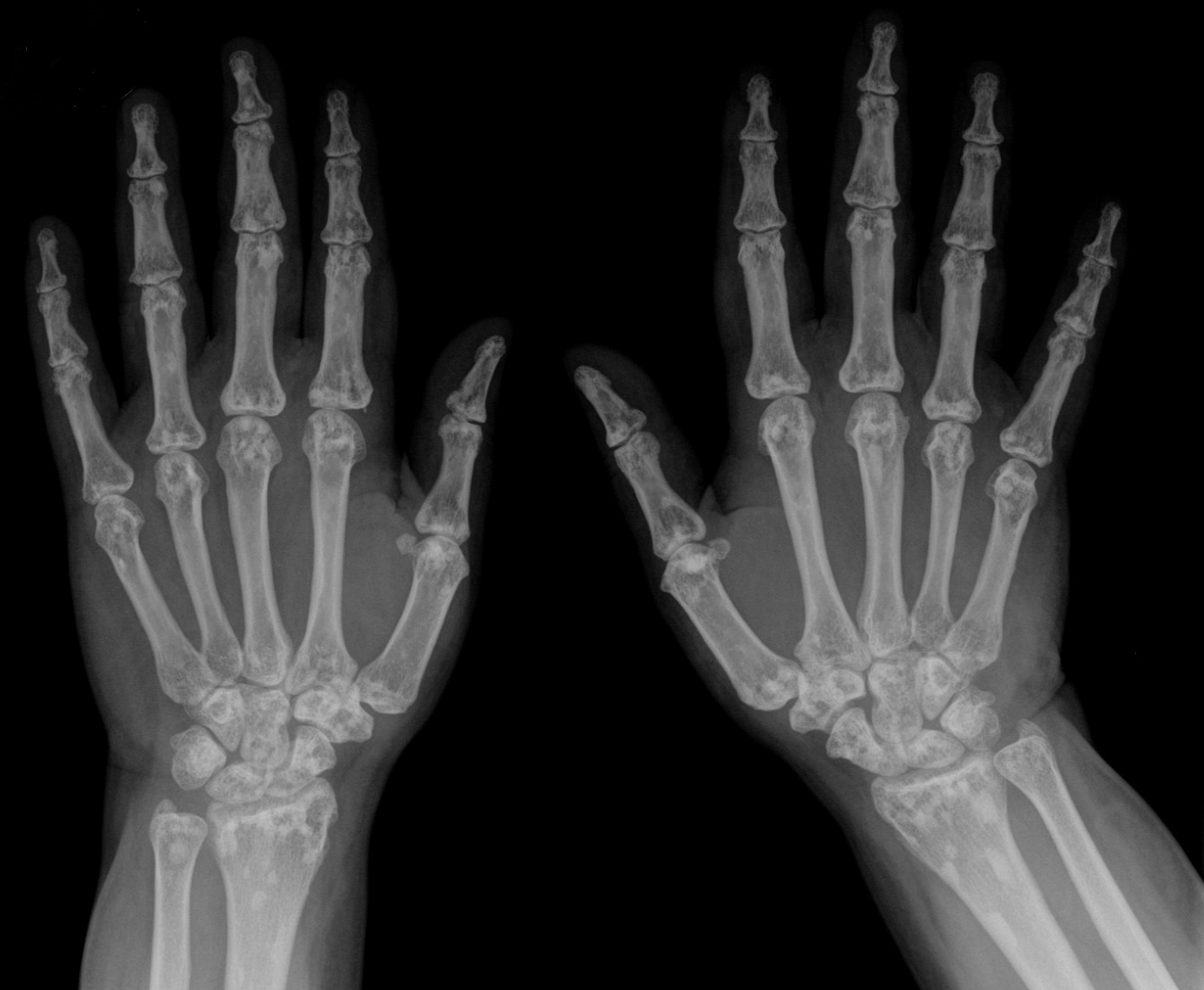
Genetic disorder involving small, painless lumps on the skin
| Field | Value |
|---|---|
| name | Buschke–Ollendorff sign |
| synonyms | Dermatofibrosis lenticularis disseminata |
| image | Autosomal dominant - en.svg |
| caption | Buschke–Ollendorff syndrome has an autosomal dominant pattern of inheritance. |
| symptoms | Papules in skin |
| causes | Mutations in the LEMD3 gene. |
| diagnosis | X-ray, ultrasound |
| treatment | Surgery for hearing loss(or complications) |
Buschke–Ollendorff syndrome (BOS) is a rare genetic skin disorder associated with LEMD3 that typically presents with widespread painless papules.
It is inherited in an autosomal dominant manner. Conditions that may appear similar include tuberous sclerosis, pseudoxanthoma elasticum, neurofibroma, and lipoma, among others.
Its frequency is almost 1 case per every 20,000 people, and it is equally found in both males and females. It is named for Abraham Buschke and Helene Ollendorff Curth, who described the condition in one female in 1928.
Signs and symptoms
The signs and symptoms of this condition are consistent with the following (possible complications include aortic stenosis and hearing loss):
:::::::*Osteopoikilosis :::::::*Bone pain :::::::*Connective tissue nevi :::::::*Metaphysis abnormality
Pathogenesis
Buschke–Ollendorff syndrome is caused by one important factor: mutations in the LEMD3 gene.
Among the important aspects of Buschke–Ollendorff syndrome condition, genetically speaking are:
.jpg)
- LEMD3 (protein) referred also as MAN1, is an important protein in inner nuclear membrane.
- LEMD3 gene gives instructions for producing protein that controls signaling for transforming growth factor-beta.
- LEMD3 gene helps in the bone morphogenic protein pathway
- Both of the above pathways help grow new bone cells
- BMP and TGF-β pathways controls SMADs proteins, which then bind to DNA
- LEMD3 once mutated, causes a reduction of the protein, which in turn causes excess of the above two pathways.
Diagnosis

The diagnosis of this condition can be ascertained via several techniques one such method is genetic testing, as well as:
- X-ray
- Ultrasound
- Histological test
Differential diagnosis
The differential diagnosis for an individual believed to have Buschke–Ollendorff syndrome is the following:
- Melorheostosis
- Sclerotic bone metastases.
Treatment
In terms of the treatment of Buschke–Ollendorff syndrome, should the complication of aortic stenosis occur then surgery may be required.
Treatment for hearing loss may also require surgical intervention.
References
References
- (4 December 2019). "Harper's Textbook of Pediatric Dermatology". John Wiley & Sons.
- {{OMIM. 166700
- (2020). "Andrews' Diseases of the Skin: Clinical Dermatology". Elsevier.
- (September 2016). "Helen Ollendorff-Curth: A dermatologist's lasting legacy". International Journal of Women's Dermatology.
- Lukasz Matusiak. (2 July 2008). "Dermatofibrosis Lenticularis (Buschke–Ollendorf Syndrome)". eMedicine.
- A. Buschke, H. Ollendorff-Curth. Ein Fall von Dermatofibrosis lenticularis disseminata und Osteopathia condensans disseminata. Dermatologische Wochenschrift, Hamburg, 1928, 86: 257–262.
- "Buschke Ollendorff syndrome {{!}} Genetic and Rare Diseases Information Center (GARD) – an NCATS Program".
- Reference, Genetics Home. "Buschke-Ollendorff syndrome".
- (July 2009). "Laminopathies and the long strange trip from basic cell biology to therapy". The Journal of Clinical Investigation.
- Reference, Genetics Home. "LEMD3 gene".
- (2012). "Histopathology of Pseudoxanthoma Elasticum and Related Disorders: Histological Hallmarks and Diagnostic Clues". Scientifica.
- "Orphanet: Buschke Ollendorff syndrome".
This article was imported from Wikipedia and is available under the Creative Commons Attribution-ShareAlike 4.0 License. Content has been adapted to SurfDoc format. Original contributors can be found on the article history page.
Ask Mako anything about Buschke–Ollendorff syndrome — get instant answers, deeper analysis, and related topics.
Research with MakoFree with your Surf account
Create a free account to save articles, ask Mako questions, and organize your research.
Sign up freeThis content may have been generated or modified by AI. CloudSurf Software LLC is not responsible for the accuracy, completeness, or reliability of AI-generated content. Always verify important information from primary sources.
Report