From Surf Wiki (app.surf) — the open knowledge base
1912–13 United States Senate elections
none

none
| Field | Value | |
|---|---|---|
| election_name | 1912–13 United States Senate elections | |
| country | United States | |
| flag_year | 1912 | |
| type | legislative | |
| ongoing | no | |
| previous_election | 1910–11 United States Senate elections | |
| previous_year | 1910 & 1911 | |
| next_election | 1914 United States Senate elections | |
| next_year | 1914 | |
| previous_seat_election | 1906–07 United States Senate elections | |
| previous_seat_year | 1906 & 1907 | |
| next_seat_election | 1918 United States Senate elections | |
| next_seat_year | 1918 | |
| seat_class | Class 2 | |
| seats_for_election | 32 of the 96 seats in the United States Senate | |
| majority_seats | 49 | |
| election_date | January 16, 1912 – | |
| January 29, 1913 | ||
| image_size | 160x180px | |
| 1blank | Seats up | |
| 2blank | Seats won | |
| party1 | Democratic Party (US) | |
| image1 | JohnWKern.jpg | |
| leader1 | John W. Kern | |
| leader_since1 | March 4, 1911 | |
| leaders_seat1 | Indiana | |
| seats_before1 | 43 | |
| seats_after1 | 47 | |
| seat_change1 | 4 | |
| 1data1 | 13 | |
| 2data1 | 17 | |
| party2 | Republican Party (US) | |
| image2 | Jacob Harold Gallinger.jpg | |
| leader2 | Jacob H. Gallinger | |
| leader_since2 | March 4, 1911 | |
| leaders_seat2 | New Hampshire | |
| seats_before2 | 52 | |
| seats_after2 | 45 | |
| seat_change2 | 7 | |
| 1data2 | 19 | |
| 2data2 | 12 | |
| map_image | [[File:1912 United States Senate elections results map.svg | 355px]] |
| map_size | 320px | |
| map_caption | Results of the elections: | |
| title | Majority conference chairman | |
| before_election | Shelby Moore Cullom | |
| before_party | Republican Party (US) | |
| after_election | John W. Kern | |
| after_party | Democratic Party (US) |
January 29, 1913
The 1912–13 United States Senate elections were held on various dates in various states. They were the last U.S. Senate elections before the ratification of the Seventeenth Amendment in 1913, establishing direct elections for all Senate seats. Senators had been primarily chosen by state legislatures. Senators were elected over a wide range of time throughout 1912 and 1913, and a seat may have been filled months late or remained vacant due to legislative deadlock. Some states elected their senators directly even before passage of Seventeenth Amendment. Oregon pioneered direct election and experimented with different measures over several years until it succeeded in 1907. Soon after, Nebraska followed suit and laid the foundation for other states to adopt measures reflecting the people's will. By 1912, as many as 29 states elected senators either as nominees of their party's primary or in conjunction with a general election.
In these elections, terms were up for the senators in Class 2. The Democrats gained control of the Senate for the first time in 20 years. Of the 32 seats up for election, 17 were won by Democrats, thereby gaining 4 seats from the Republicans. Two seats were unfilled by state legislators who failed to elect a new senator on time.
These elections coincided with Democrat Woodrow Wilson's victory in the presidential election amid a divide in the Republican Party. In the Senate, Joseph M. Dixon and Miles Poindexter defected from the Republican Party and joined Theodore Roosevelt's new Progressive Party. Dixon, however, lost his seat during this election.
Results summary
| Parties | Total Seats | Incumbents | This election | Result | +/- | Not up | Up | Re- | ||||||||||||||||||||||
|---|---|---|---|---|---|---|---|---|---|---|---|---|---|---|---|---|---|---|---|---|---|---|---|---|---|---|---|---|---|---|
| elected | Held | Gained | Lost | 47 | 45 | 0 | 4 | Total | 96 | 64 | 32 | 11 | 9 | 12 | 9 | 96 | 3 | |||||||||||||
| Democratic Party (US)}}" | Democratic | 43 | 30 | 13 | 5 | 5 | 7 | 2 | 4 | |||||||||||||||||||||
| Republican Party (US)}}" | Republican | 52 | 33 | 19 | 6 | 4 | 2 | 7 | 7 | |||||||||||||||||||||
| Others | 0 | 0 | 0 | 0 | 0 | |||||||||||||||||||||||||
| Vacant | 1 | 1 | 0 | 3 | 3 |
Change in composition
Before the elections
| R | R | R | R | R | R | R | R |
|---|
Results of elections before the next Congress
| Maine (sp) | |
|---|---|
| | R Iowa Re-elected | | R Idaho Re-elected | | R | | R | | R | | R
|- | | R | | R | | R | | R | | R | | R | | R | | R | | R | | R
|- | | R | | R | | R | | R | | R | | R | | R | | R | | R | | R
|- | | R | | R | | R | | R | | R | | R | | R | | R
|}
Beginning of the next Congress, March 4, 1913
| R | R | R | R | R | R | R | R |
|---|
Beginning of the first session, April 7, 1913
| R | R | R | R | R | R | R | R |
|---|
| V | Vacant |
|---|
|}
Race summaries
Special elections during the 62nd Congress
In these special elections, the winners were seated in the 62nd Congress during 1912 or before March 4, 1913; ordered by election date.
| State | Incumbent | Results | Candidates | Senator | Party | Electoral history | Virginia | ||||||||||||||
|---|---|---|---|---|---|---|---|---|---|---|---|---|---|---|---|---|---|---|---|---|---|
| (Class 1) | New Mexico | ||||||||||||||||||||
| (Class 1) | New Mexico | ||||||||||||||||||||
| (Class 2) | Arizona | ||||||||||||||||||||
| (Class 1) | Arizona | ||||||||||||||||||||
| (Class 3) | Maine | ||||||||||||||||||||
| (Class 2) | Colorado | ||||||||||||||||||||
| (Class 3) | Tennessee | ||||||||||||||||||||
| (Class 2) | Texas | ||||||||||||||||||||
| (Class 2) | Idaho | ||||||||||||||||||||
| (Class 3) | Arkansas | ||||||||||||||||||||
| (Class 2) | Nevada | ||||||||||||||||||||
| (Class 1) | |||||||||||||||||||||
| Claude A. Swanson | Democratic | 1910 (appointed) | Interim appointee elected January 23, 1912. | nowrap | {{Plainlist | ||||||||||||||||
| None (new state) | First senators elected March 27, 1912. | ||||||||||||||||||||
| Republican gain. | {{Plainlist | ||||||||||||||||||||
| First senators elected March 27, 1912. | |||||||||||||||||||||
| Republican gain. | |||||||||||||||||||||
| Winner was also subsequently elected to the next term; see below. | |||||||||||||||||||||
| None (new state) | First senators elected March 26, 1912, ratifying the popular selection made on December 12, 1911, state elections. | ||||||||||||||||||||
| Democratic gain. | nowrap | {{Plainlist | |||||||||||||||||||
| First senators elected March 26, 1912, ratifying the popular selection made on December 12, 1911, state elections. | |||||||||||||||||||||
| Democratic gain. | nowrap | {{Plainlist | |||||||||||||||||||
| Obadiah Gardner | Democratic | 1911 (appointed) | Interim appointee elected April 2, 1912. | nowrap | {{Plainlist | ||||||||||||||||
| Vacant | Charles J. Hughes Jr. (D) died January 11, 1911. | ||||||||||||||||||||
| New senator elected January 14, 1913, ratifying the popular selection made in 1912 state elections. | |||||||||||||||||||||
| Democratic gain. | nowrap | {{Plainlist | |||||||||||||||||||
| Newell Sanders | Republican | 1912 (appointed) | Interim appointee retired. | ||||||||||||||||||
| New senator elected January 24, 1913. | |||||||||||||||||||||
| Democratic gain. | |||||||||||||||||||||
| Winner did not run for election to the next term; see below. | nowrap | {{Plainlist | |||||||||||||||||||
| Rienzi Johnston | Democratic | 1913 (appointed) | Interim appointee lost election. | ||||||||||||||||||
| New senator elected January 23, 1913. | |||||||||||||||||||||
| Democratic hold. | |||||||||||||||||||||
| Winner also elected to the next term; see below. | nowrap | {{Plainlist | |||||||||||||||||||
| Kirtland Perky | Democratic | 1912 (appointed) | Interim appointee retired. | ||||||||||||||||||
| New senator elected January 24, 1913. | |||||||||||||||||||||
| Republican gain. | nowrap | {{Plainlist | C. A. Beale (Unknown) 1 | George Fields (Unknown) 1 | J. F. Maclane (Unknown) 1 | T. L. Burkland (Unknown) 1 | W. C. Courtney (Unknown) 1 | ||||||||||||||
| John N. Heiskell | Democratic | 1913 (appointed) | Interim appointee retired. | ||||||||||||||||||
| New senator elected January 27, 1913. | |||||||||||||||||||||
| Democratic hold. | |||||||||||||||||||||
| Winner did not run for election to the next term; see below. | nowrap | {{Plainlist | |||||||||||||||||||
| William A. Massey | Republican | 1912 (appointed) | Interim appointee lost election to finish the term. | ||||||||||||||||||
| New senator elected January 28, 1913, ratifying the popular selection made in 1912 state elections. | |||||||||||||||||||||
| Democratic gain. | nowrap | {{Plainlist |
Races leading to the 63rd Congress
In these regular elections, the winner was seated on March 4, 1913; ordered by state.
All of the elections involved the Class 2 seats.
| State | Incumbent | Results | Candidates | Senator | Party | Electoral | |||||||||||||||||||||||||||||||||||
|---|---|---|---|---|---|---|---|---|---|---|---|---|---|---|---|---|---|---|---|---|---|---|---|---|---|---|---|---|---|---|---|---|---|---|---|---|---|---|---|---|---|
| history | Alabama | Arkansas | Colorado | Delaware | Georgia | Idaho | Illinois | Iowa | Kansas | Kentucky | Louisiana | Maine | Massachusetts | Michigan | Minnesota | Mississippi | Montana | Nebraska | New Hampshire | New Jersey | New Mexico | North Carolina | Oklahoma | Oregon | Rhode Island | South Carolina | South Dakota | Tennessee | Texas | Virginia | West Virginia | Wyoming | |||||||||
| John H. Bankhead | Democratic | 1907 (appointed) | |||||||||||||||||||||||||||||||||||||||
| 1907 (special) | Incumbent had already been re-elected early January 17, 1911, for the term beginning March 4, 1913. | ||||||||||||||||||||||||||||||||||||||||
| John N. Heiskell | Democratic | 1913 (appointed) | Interim appointee retired. | ||||||||||||||||||||||||||||||||||||||
| New senator elected January 29, 1913. | |||||||||||||||||||||||||||||||||||||||||
| Democratic hold. | nowrap | {{Plainlist | William F. Oldfield (Democratic) 1 | [FNU] Martin (Unknown) 1 | [FNU] Reid (Unknown) 1 | [FNU] Taylor (Unknown) 1 | |||||||||||||||||||||||||||||||||||
| Simon Guggenheim | Republican | 1907 | Incumbent retired. | ||||||||||||||||||||||||||||||||||||||
| New senator elected January 14, 1913, ratifying the popular selection made in 1912 state elections. | |||||||||||||||||||||||||||||||||||||||||
| Democratic gain. | nowrap | {{Plainlist | |||||||||||||||||||||||||||||||||||||||
| Harry A. Richardson | Republican | 1907 | Incumbent retired. | ||||||||||||||||||||||||||||||||||||||
| New senator elected January 29, 1913. | |||||||||||||||||||||||||||||||||||||||||
| Democratic gain. | nowrap | {{Plainlist | Alexander P. Corbit (Republican) 1 | Simeon S. Pennewill (Republican) 1 | Ruby R. Vale (Republican) 1 | ||||||||||||||||||||||||||||||||||||
| Augustus O. Bacon | Democratic | 1894 | |||||||||||||||||||||||||||||||||||||||
| 1900 | |||||||||||||||||||||||||||||||||||||||||
| 1907 (appointed) | |||||||||||||||||||||||||||||||||||||||||
| 1907 (special) | Incumbent ran for re-election but the legislature failed to elect. | ||||||||||||||||||||||||||||||||||||||||
| Democratic loss. | |||||||||||||||||||||||||||||||||||||||||
| Incumbent was then appointed to begin the term. | Augustus O. Bacon (Democratic) | ||||||||||||||||||||||||||||||||||||||||
| William Borah | Republican | 1907 | Incumbent re-elected January 14, 1913. | nowrap | {{Plainlist | ||||||||||||||||||||||||||||||||||||
| Shelby M. Cullom | Republican | 1882 | |||||||||||||||||||||||||||||||||||||||
| 1888 | |||||||||||||||||||||||||||||||||||||||||
| 1894 | |||||||||||||||||||||||||||||||||||||||||
| 1901 | |||||||||||||||||||||||||||||||||||||||||
| 1907 | Incumbent lost renomination. | ||||||||||||||||||||||||||||||||||||||||
| Legislature failed to elect. | |||||||||||||||||||||||||||||||||||||||||
| Republican loss. | |||||||||||||||||||||||||||||||||||||||||
| A new senator was later elected; see below. | nowrap | {{Plainlist | |||||||||||||||||||||||||||||||||||||||
| William S. Kenyon | Republican | 1911 (special) | Incumbent re-elected January 21, 1913. | nowrap | {{Plainlist | ||||||||||||||||||||||||||||||||||||
| Charles Curtis | Republican | 1907 (special) | |||||||||||||||||||||||||||||||||||||||
| 1907 | Incumbent lost renomination. | ||||||||||||||||||||||||||||||||||||||||
| New senator elected January 28, 1913, ratifying the popular selection made in 1912 state elections. | |||||||||||||||||||||||||||||||||||||||||
| Democratic gain. | nowrap | {{Plainlist | |||||||||||||||||||||||||||||||||||||||
| Thomas H. Paynter | Democratic | 1906 | Incumbent retired. | ||||||||||||||||||||||||||||||||||||||
| New senator elected January 16, 1912, after an election on January 9, 1912. | |||||||||||||||||||||||||||||||||||||||||
| Democratic hold. | nowrap | {{Plainlist | |||||||||||||||||||||||||||||||||||||||
| Murphy J. Foster | Democratic | 1900 | |||||||||||||||||||||||||||||||||||||||
| 1904 | Incumbent lost renomination. | ||||||||||||||||||||||||||||||||||||||||
| New senator elected May 21, 1912. | |||||||||||||||||||||||||||||||||||||||||
| Democratic hold. | nowrap | {{Plainlist | |||||||||||||||||||||||||||||||||||||||
| Obadiah Gardner | Democratic | 1911 (appointed) | |||||||||||||||||||||||||||||||||||||||
| 1912 (special) | Incumbent lost re-election. | ||||||||||||||||||||||||||||||||||||||||
| New senator elected January 15, 1913. | |||||||||||||||||||||||||||||||||||||||||
| Republican gain. | nowrap | {{Plainlist | |||||||||||||||||||||||||||||||||||||||
| Winthrop M. Crane | Republican | 1904 (appointed) | |||||||||||||||||||||||||||||||||||||||
| 1905 (special) | |||||||||||||||||||||||||||||||||||||||||
| 1907 | Incumbent retired. | ||||||||||||||||||||||||||||||||||||||||
| New senator elected January 14, 1913. | |||||||||||||||||||||||||||||||||||||||||
| Republican hold. | nowrap | {{Plainlist | |||||||||||||||||||||||||||||||||||||||
| William A. Smith | Republican | 1911 | Incumbent re-elected January 14, 1913. | nowrap | {{Plainlist | ||||||||||||||||||||||||||||||||||||
| Knute Nelson | Republican | 1895 | |||||||||||||||||||||||||||||||||||||||
| 1901 | |||||||||||||||||||||||||||||||||||||||||
| 1907 | Incumbent re-elected January 21, 1913, ratifying the popular selection made in 1912 state elections. | nowrap | {{Plainlist | ||||||||||||||||||||||||||||||||||||||
| LeRoy Percy | Democratic | 1910 (special) | Incumbent lost renomination. | ||||||||||||||||||||||||||||||||||||||
| New senator elected January 16, 1912. | |||||||||||||||||||||||||||||||||||||||||
| Democratic hold. | nowrap | {{Plainlist | |||||||||||||||||||||||||||||||||||||||
| Joseph M. Dixon | Republican | 1907 | Incumbent lost re-election as a Progressive. | ||||||||||||||||||||||||||||||||||||||
| New senator elected January 14, 1913, ratifying the popular selection made in 1912 state elections. | |||||||||||||||||||||||||||||||||||||||||
| Democratic gain. | nowrap | {{Plainlist | |||||||||||||||||||||||||||||||||||||||
| Norris Brown | Republican | 1907 | Incumbent lost renomination. | ||||||||||||||||||||||||||||||||||||||
| New senator elected January 21, 1913, ratifying the popular selection made in 1912 state elections. | |||||||||||||||||||||||||||||||||||||||||
| Republican hold. | nowrap | {{Plainlist | |||||||||||||||||||||||||||||||||||||||
| Henry E. Burnham | Republican | 1901 | |||||||||||||||||||||||||||||||||||||||
| 1907 | Incumbent retired. | ||||||||||||||||||||||||||||||||||||||||
| Legislature failed to elect. | |||||||||||||||||||||||||||||||||||||||||
| Republican loss. | |||||||||||||||||||||||||||||||||||||||||
| New senator was elected late; see below. | nowrap | {{Plainlist | |||||||||||||||||||||||||||||||||||||||
| Frank O. Briggs | Republican | 1907 | Incumbent lost re-election. | ||||||||||||||||||||||||||||||||||||||
| New senator elected January 28, 1913. | |||||||||||||||||||||||||||||||||||||||||
| Democratic gain. | nowrap | {{Plainlist | |||||||||||||||||||||||||||||||||||||||
| Albert B. Fall | Republican | 1912 (new state) | Incumbent re-elected June 6, 1912. | ||||||||||||||||||||||||||||||||||||||
| Legislature invalidated the election. | |||||||||||||||||||||||||||||||||||||||||
| Incumbent then re-elected January 28, 1913. | nowrap | January 28, 1913, election: | |||||||||||||||||||||||||||||||||||||||
| {{Plainlist | |||||||||||||||||||||||||||||||||||||||||
| F. M. Simmons | Democratic | 1901 | |||||||||||||||||||||||||||||||||||||||
| 1907 | Incumbent re-elected January 21, 1913. | nowrap | {{Plainlist | ||||||||||||||||||||||||||||||||||||||
| Robert L. Owen | Democratic | 1907 | Incumbent re-elected January 21, 1913. | nowrap | {{Plainlist | ||||||||||||||||||||||||||||||||||||
| Jonathan Bourne Jr. | Republican | 1907 | Incumbent lost renomination and then lost re-election as Popular Government candidate. | ||||||||||||||||||||||||||||||||||||||
| New senator elected January 21, 1913, ratifying the popular selection made in 1912 state elections. | |||||||||||||||||||||||||||||||||||||||||
| Democratic gain. | nowrap | {{Plainlist | |||||||||||||||||||||||||||||||||||||||
| George P. Wetmore | Republican | 1894 | |||||||||||||||||||||||||||||||||||||||
| 1900 | |||||||||||||||||||||||||||||||||||||||||
| 1907 (no election) | |||||||||||||||||||||||||||||||||||||||||
| 1908 (special) | Incumbent retired. | ||||||||||||||||||||||||||||||||||||||||
| New senator elected January 21, 1913. | |||||||||||||||||||||||||||||||||||||||||
| Republican hold. | nowrap | {{Plainlist | |||||||||||||||||||||||||||||||||||||||
| Benjamin Tillman | Democratic | 1894 | |||||||||||||||||||||||||||||||||||||||
| 1901 | |||||||||||||||||||||||||||||||||||||||||
| 1907 | Incumbent re-elected January 28, 1913. | nowrap | {{Plainlist | ||||||||||||||||||||||||||||||||||||||
| Robert J. Gamble | Republican | 1901 | |||||||||||||||||||||||||||||||||||||||
| 1907 | Incumbent lost renomination. | ||||||||||||||||||||||||||||||||||||||||
| New senator elected January 22, 1913. | |||||||||||||||||||||||||||||||||||||||||
| Republican hold. | nowrap | {{Plainlist | |||||||||||||||||||||||||||||||||||||||
| Newell Sanders | Republican | 1912 (appointed) | Interim appointee retired. | ||||||||||||||||||||||||||||||||||||||
| New senator elected January 23, 1913. | |||||||||||||||||||||||||||||||||||||||||
| Democratic gain. | nowrap | {{Plainlist | |||||||||||||||||||||||||||||||||||||||
| Rienzi Johnston | Democratic | 1913 (appointed) | Interim appointee retired. | ||||||||||||||||||||||||||||||||||||||
| New senator elected January 28, 1913. | |||||||||||||||||||||||||||||||||||||||||
| Democratic hold. | nowrap | {{Plainlist | |||||||||||||||||||||||||||||||||||||||
| Thomas S. Martin | Democratic | 1893 (early) | |||||||||||||||||||||||||||||||||||||||
| 1899 (early) | |||||||||||||||||||||||||||||||||||||||||
| 1906 | Incumbent re-elected January 23, 1912. | nowrap | {{Plainlist | ||||||||||||||||||||||||||||||||||||||
| Clarence W. Watson | Democratic | 1911 (special) | Incumbent lost re-election. | ||||||||||||||||||||||||||||||||||||||
| New senator elected February 21, 1913. | |||||||||||||||||||||||||||||||||||||||||
| Republican gain. | |||||||||||||||||||||||||||||||||||||||||
| Winner took seat late. | nowrap | {{Plainlist | Robert W. Dailey (Democratic) 1 | John W. Davis (Democratic) 1 | John W. Hamilton (Democratic) 1 | ||||||||||||||||||||||||||||||||||||
| Francis E. Warren | Republican | 1890 | |||||||||||||||||||||||||||||||||||||||
| 1893 (lost) | |||||||||||||||||||||||||||||||||||||||||
| 1895 | |||||||||||||||||||||||||||||||||||||||||
| 1901 | |||||||||||||||||||||||||||||||||||||||||
| 1907 | Incumbent re-elected January 28, 1913. | nowrap | {{Plainlist |
Early election to the following Congress
In this early general election, the winner was seated in the 64th Congress, starting March 4, 1915.
| State | Incumbent | Results | Candidates | Senator | Party | Electoral history | Louisiana |
|---|---|---|---|---|---|---|---|
| (Class 3) | |||||||
| John Thornton | Democratic | 1910 (special) | Incumbent retired. | ||||
| New senator elected early May 21, 1912. | |||||||
| Democratic hold. | nowrap | {{Plainlist |
Elections during the 63rd Congress
In these elections (some special, some merely late), the winners were seated in 1913 after March 4.
Some of those five elections late and some special, some by legislatures before ratification of the amendment and some popularly thereafter:
- Two elections were late and elected by legislatures: New Hampshire and Illinois (Class 2)
- One election was special and elected by a legislature: Illinois (Class 3)
- One election was late and elected popularly: Georgia
- One election was special and elected popularly: Maryland
They are ordered here by election date, then by class.
| State | Incumbent | Results | Candidates | Senator | Party | Electoral history | New Hampshire | ||||||
|---|---|---|---|---|---|---|---|---|---|---|---|---|---|
| (Class 2) | Illinois | ||||||||||||
| (Class 2) | Illinois | ||||||||||||
| (Class 3) | Elected by popular vote after ratification of the 17th Amendment | Georgia | |||||||||||
| (Class 2) | Maryland | ||||||||||||
| (Class 1) | |||||||||||||
| Vacant | Legislature had failed to elect in time. | ||||||||||||
| New senator elected late March 13, 1913 on the 43rd ballot. | |||||||||||||
| Democratic gain. | nowrap | {{Plainlist | |||||||||||
| Vacant | Legislature had failed to elect in time. | ||||||||||||
| New senator elected late March 26, 1913. | |||||||||||||
| Democratic gain. | nowrap | {{Plainlist | |||||||||||
| Vacant | 1909 election of William Lorimer (R) was voided July 13, 1912. | ||||||||||||
| New senator elected March 26, 1913. | |||||||||||||
| Republican gain. | nowrap | {{Plainlist | |||||||||||
| Augustus O. Bacon | Democratic | nowrap | 1894 | ||||||||||
| 1900 | |||||||||||||
| 1907 (appointed) | |||||||||||||
| 1907 (special) | |||||||||||||
| 1913 (appointed) | Legislature had failed to elect in time, so the incumbent was appointed to begin the term. | ||||||||||||
| Interim appointee re-elected late June 15, 1913. | nowrap | {{Plainlist | |||||||||||
| William P. Jackson | Republican | 1912 (appointed) | Appointee retired when elected successor qualified. | ||||||||||
| New senator elected November 4, 1913 to finish the term ending March 3, 1917. | |||||||||||||
| Winner did not qualify until January 28, 1914. | |||||||||||||
| Democratic gain. | nowrap | {{Plainlist |
Alabama
Main article: 1911 United States Senate election in Alabama
Incumbent Senator John H. Bankhead had already been re-elected early January 17, 1911 for the 1913 term.
Arkansas
One-term incumbent Senator Jeff Davis died January 3, 1913. Democratic Governor of Arkansas Joseph T. Robinson appointed John N. Heiskell January 6, 1913, to continue the term just until a special election.
Arkansas (special)
John N. Heiskell was not a candidate in the special election. On January 29, 1913, the Arkansas Legislature elected Democratic businessman and former judge William Marmaduke Kavanaugh just to finish the term that would end in March 1913.
| {{Plainlist |
|---|
Arkansas (regular)
Neither Heiskell nor Kavanaugh were candidates in the general election. On January 29, 1913, the Arkansas Legislature elected the Democratic Governor Joseph T. Robinson to the next term. This would be the last senate election by a state legislature before the April 8, 1913, adoption of the 17th amendment. Robinson would later become leader of Senate Democrats and Senate majority leader.
| {{Plainlist |
|---|
Arizona
March 26, 1912 March 26, 1912 Main article: 1912 United States Senate elections in Arizona
Arizona became a new state February 14, 1912, with senators in classes 1 (ending 1917) and 3 (ending 1915). For the initial senators there was a popular vote held December 12, 1911 — before statehood — and the newly formed state legislature effectively ratified the popular votes March 26, 1912: Democrat Henry F. Ashurst (class 1) and Democrat Marcus A. Smith (class 3).
Henry F. Ashurst was elected to the Territorial House of Representatives in 1897. He was re-elected in 1899, and became the territory's youngest speaker. In 1902, he was elected to the Territorial Senate. In 1911, Ashurst presided over Arizona's constitutional convention. During the convention, he positioned himself for a U.S. Senate seat by avoiding the political fighting over various clauses in the constitution which damaged his rivals.
Marcus A. Smith announced his candidacy for one of Arizona's two senate seats on September 24, 1911. As the campaign began, Smith abandoned his long standing conservative stand and declared himself a "Progressive".
With the admission of Arizona as a state in 1912, the Arizona State Legislature confirmed the selection of Smith and Ashurst as the state's first U.S. senators on March 27, 1912, taking office April 2, 1912.
Colorado
On January 14, 1913, the Colorado General Assembly elected both of the state's senators: Governor John F. Shafroth for the class 2 seat (ending 1919) and Democrat Charles S. Thomas for the class 3 seat (ending 1915).
Colorado (regular)
47.3%** 87.8%**
26.8% 11.2%
23.5% 1.0%
Shafroth:
Dawson:
One-term Republican incumbent Simon Guggenheim chose to retire in the term beginning March 4, 1913.
In the 1912 state elections, Democratic Governor of Colorado John F. Shafroth won the popular vote.
The Colorado General Assembly ratified that decision January 14, 1913, by electing Thomas.
Colorado (special)
44.9%** 88.9%**
26.8% 9.1%
25.9% 1.0%
Thomas:
Waterman:
Democrat Charles J. Hughes Jr. (D) had died January 11, 1911, and the seat remained vacant for two years because the Colorado General Assembly failed to elect a successor.
In the 1912 state elections, Democrat Charles S. Thomas (former Governor of Colorado) won the popular vote .
The Colorado General Assembly ratified that decision January 14, 1913, by overwhelmingly voting for Thomas.
Delaware

Incumbent Republican Harry A. Richardson retired after one term in office.
Democrat Willard Saulsbury Jr. had been a member of the Democratic National Committee since 1908 and had run for U.S. senator in 1899, 1901, 1903, 1905, 1907, and 1911, but Republicans controlled the state legislature and he was unsuccessful. In 1913, however, Democrats were in control of the legislature, Saulsbury was the preference of most Democrats, and he obtained the required majority January 29, 1913, after several days of balloting. This election was the first time since 1883 that a Democrat won a full term for this Senate seat in Delaware.
Georgia
Main article: 1913 United States Senate election in Georgia
The Georgia General Assembly failed to elect a senator, as Democratic incumbent Augustus O. Bacon's term ended. The Governor of Georgia therefore appointed Bacon to begin the term, pending a late election.
On June 15, 1913, Bacon was elected by the general populace without opposition, becoming the first senator elected under the Seventeenth Amendment to the United States Constitution.
Bacon died in early 1914, however, leading to another interim appointment and eventual special election.
Idaho
Idaho (regular)
First term Republican incumbent William Borah was easily re-elected over two Democratic challengers.
Idaho (special)
Two-term incumbent Republican Weldon Heyburn died October 17, 1912. Democratic lawyer and former-Judge Kirtland I. Perky was appointed November 18, 1912, to continue the term pending a special election.
Perky was not a candidate in the special election, which was won by Republican former-Governor James H. Brady. Brady would win re-election in a popular vote in 1914.
Illinois
Main article: 1913 United States Senate elections in Illinois
In the November 1912 state elections, the Republicans lost control of the state due to the Republican / Progressive split. But while the Democrats held a plurality of the Illinois General Assembly, they did not have a majority. The General Assembly took up the matter of electing the senators on February 1. The General Assembly therefore failed to elect until after the new congress began.
On March 26, in a compromise arranged by governor Dunne, the General Assembly elected Democrat J. Hamilton Lewis to fill the full-term seat and Republican Lawrence Y. Sherman to fill the two remaining years of a vacancy that had just recently opened.
Illinois (regular)
On April 12, 1912, five-term Republican incumbent Shelby Moore Cullom lost renomination to Lieutenant Governor of Illinois Lawrence Y. Sherman in the Republican "advisory" primary, where the voters expressed their preference for senator but the decision was not binding on the General Assembly, which made the actual choice. Cullom had suffered politically over his support for the other Illinois senator, William Lorimer, who was embroiled in a scandal over alleged bribery in his 1909 election to the Senate.
After his defeat, Cullom withdrew his name from consideration by the General Assembly.
The Illinois General Assembly eventually elected the Democratic nominee, Congressman J. Hamilton Lewis March 26, 1913, who had also won the Democratic advisory primary, as the sole candidate on the ballot.
Illinois (special)
Three months after the primary in which Sherman defeated Cullom, the U.S. Senate invalidated Lorimer's 1909 election and declared the seat vacant. The Illinois Attorney General, William H. Stead determined that the General Assembly had failed to properly elect Lorimer in 1909 and so the Governor could not appoint a replacement. As a result, the General Assembly had a second Senate seat to fill.
Iowa
Incumbent Republican William S. Kenyon, who had just won a 1911 special election to the seat, was easily re-elected by the Iowa General Assembly over Democratic former congressman Daniel W. Hamilton.
Kansas
Thompson:
Stubbs:
One-term incumbent Republican (and future Vice President) Charles Curtis lost renomination to Governor of Kansas Walter R. Stubbs, who then lost the general election to Democratic Judge William H. Thompson as Democrats took control of the Kansas Legislature in the 1912 state elections.
Thompson would only serve one term, losing re-election in 1918. As of 2025, this is the last time the Democrats won the Class 2 Senate seat in Kansas. This represents the longest current winning streak of either party for a single Senate seat.
Curtis' political career, meanwhile, would rebound, as he was elected to Kansas' other US Senate seat, first by defeating Kansas' senior senator Joseph L. Bristow in the Republican primary, and then winning re-election nonconsecutively to the U.S Senate by a very narrow margin over two opponents, becoming the first Kansan to be popularly elected to the U.S Senate in a historic first. Curtis would serve in the Senate for three terms before resigning to become U.S. Vice President in March 1929, the first Native American to serve in that office.
Kentucky
One-term Democrat Thomas H. Paynter retired and Democratic Representative Ollie James was easily elected January 16, 1912.
The legislature formally elected James a second time January 16, 1912, to comply with a federal rule requiring an election on the second Tuesday after the meeting of the legislature.
Louisiana
Class 2: starting March 4, 1913 Class 3: starting March 4, 1915
Louisiana held two elections May 21, 1912: an election for the class 2 term that would begin March 4, 1913, and an election for the class 3 term that would begin March 4, 1915.
Louisiana (regular, class 2)
In the class 2 seat, Democrat Murphy J. Foster lost renomination to fellow-Democrat Joseph E. Ransdell, who later was elected unopposed to seat.
Louisiana (regular, class 3)
In the class 3 seat, Democrat John Thornton retired. Fellow-Democrat Robert F. Broussard was elected unopposed, but he would have to wait until term began on March 4, 1915.
Maine
Five-term incumbent Republican William P. Frye had died August 8, 1911, and Democrat Obadiah Gardner was appointed September 23, 1911, to continue the term, pending a special election. In this election cycle, Gardner would first win the election to finish the term and then lose re-election to the next term.
Maine (special)
Democratic interim appointee Obadiah Gardner was elected April 2, 1912, to finish the term ending March 3, 1913.
Maine (regular)
Democrat Obadiah Gardner lost re-election January 15, 1913, to Republican Edwin C. Burleigh for the term starting March 4, 1913.
"There was no choice in the separate balloting on January 14. The next day in joint assembly, [Burleigh was elected]."
Maryland (special)
Parran:
Lee:
Main article: 1913 United States Senate special election in Maryland
Democrat Isidor Rayner died November 25, 1912, and Republican William P. Jackson was appointed to continue the term, pending a special election.
Democratic state senator Blair Lee was elected November 4, 1913.
Lee presented his credentials to serve as senator on December 5, 1913, but he did not qualify until January 28, 1914, because Jackson claimed that "since [Jackson] had been appointed under the original constitutional provision, [Jackson] was entitled to hold his seat until the regularly scheduled adjournment date of the Maryland state assembly." The Senate considered Jackson's challenge but eventually rejected it and seated Lee.
Lee would only serve this one term, as he lost renomination in 1916.
Massachusetts
Main article: 1913 United States Senate election in Massachusetts
Republican Winthrop M. Crane, who was first appointed in 1904, retired. Republican congressman from Newton, Massachusetts, John W. Weeks, was elected January 14, 1913, to succeed him. Republican Eben Sumner Draper had been considered a candidate for the seat, but the Republican party, then under the control of its hardline conservative faction (and in control of the legislature), chose Weeks instead.
Weeks would only serve for one six-year term. He would lose re-election in 1918 to Democrat David I. Walsh.
Michigan
Two-term Republican William A. Smith, whose Senate tenure began weeks before his first full-term began, was re-elected January 14, 1913.
- William A. Smith (Republican) 74 votes
- Alfred Lucking (Democratic) 41 votes
- Theodore Joslin (Progressive) 17 votes
He would retire after this term.
Minnesota

Nelson:
Lawler:
]]
Three-term Republican Knute Nelson was overwhelmingly supported in a 1912 popular election.
- Knute Nelson (Republican) 62.80%
- Daniel W. Lawler (Democratic) 37.21%
The Minnesota Legislature unanimously ratified the popular vote January 21, 1913:
- Minnesota Senate: Knute Nelson (Republican) 61 votes (Unanimous)
- Minnesota House of Representatives: Knute Nelson (Republican) 117 votes (Unanimous)
Nelson later would be re-elected again in 1918 to a fifth term, before his 1923 death.
Mississippi
Vardaman:
Percy:
One-term Democrat LeRoy Percy lost renomination in mid-1911 to white supremacist James K. Vardaman, who was then elected January 16, 1912, to the seat, unopposed.
Percy had won in 1910 (to finish a vacant term) despite Vardaman's support of a plurality of legislators (all white). The fractured remainder sought to thwart his extreme racial policies. A majority united behind Percy to block Vardaman's election. Percy had advocated education for blacks and worked to improve race relations by appealing to the planters' sense of noblesse oblige. Disenfranchisement of blacks made the Democratic primary the deciding competitive race for state and local offices in Mississippi.
In this rematch, Vardaman's campaign was managed by Lieutenant Governor of Mississippi (and future senator) Theodore Bilbo, who emphasized class tensions and racial segregation, attacking Percy as a representative of the aristocracy of the state and for taking a progressive stance on race relations.
Vardaman, however, would only serve one term, losing renomination in 1918, primarily due to his vote against entry into World War I.
Montana
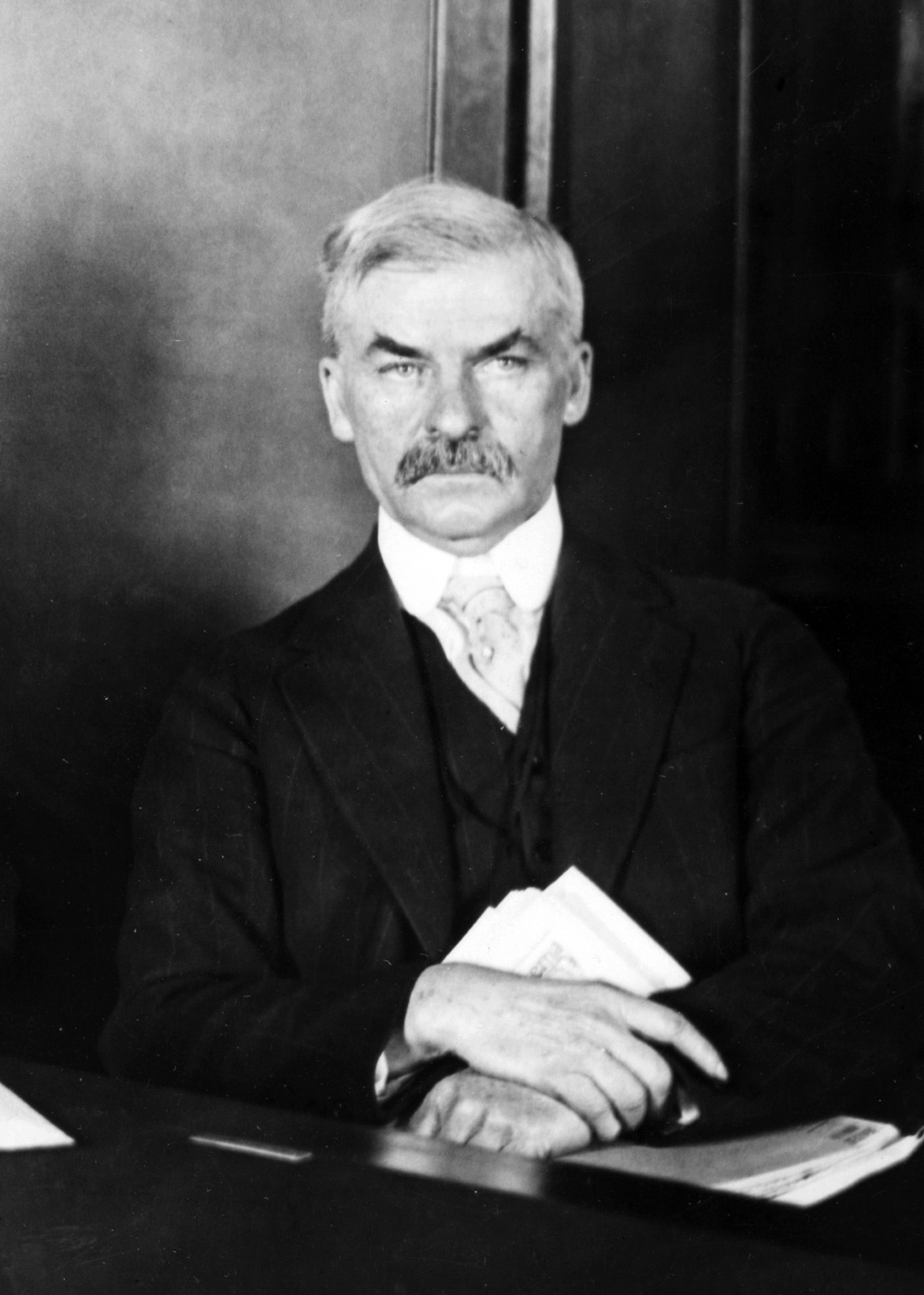

Walsh:
Dixon:
Smith:
No Vote:
]]
One-term Republican Joseph M. Dixon ran for re-election as a Progressive, but lost to Democrat Thomas J. Walsh.
The Montana Legislature then unanimously elected Walsh January 14, 1913.
Walsh would be re-elected four more times and serve for 20 years until his 1933 death. Dixon, meanwhile, would go on to become Governor of Montana from 1921 to 1925.
Nebraska

First-term Republican Norris Brown lost renomination to George W. Norris, who was then elected January 21, 1913.
Despite the Democratic majority, the Nebraska legislature elected Republican Norris unanimously, upholding the popular vote.
Norris would serve for thirty years, winning two more elections as a Republican and one as an Independent but losing re-election in 1942.
Nevada (special)
.jpg)

Pittman:
Massey:
]]
Republican senator George S. Nixon died June 5, 1912. Republican former-judge William A. Massey was appointed July 1, 1912, to continue the term that would end in 1917, pending a special election. In November 1912, Massey lost the popular vote for the special election to Democratic attorney Key Pittman was elected by the Nevada Legislature January 28, 1913.
Pittman had a small plurality in the November 1912 popular vote, but the legislature elected him almost unanimously.
Massey died the next year, and Pittman would go on to serve for 27 more years and win re-election four times, serving as President pro tempore throughout the New Deal.
New Hampshire
Two-term Republican Henry E. Burnham decided to retire. The New Hampshire legislature failed to elect a new senator after 42 votes, so the March 4, 1913, term begin with the seat vacant.
Finally, on March 26, 1913, on the 43rd vote, Democrat Henry F. Hollis was elected with the required majority, albeit slight. Hollis was a former candidate for U.S. House of Representatives (in 1900), and twice for Governor of New Hampshire (in 1902 and 1904).
Hollis would retire after a single term and be replaced, in a popular vote, by Republican Henry W. Keyes.
New Jersey
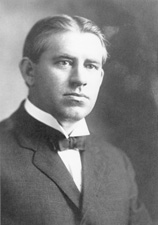
One-term incumbent Republican Frank O. Briggs lost re-election to Democratic state judge (and former member of the U.S. House) William Hughes. The New Jersey Legislature elected Hughes January 28, 1913.
Briggs, died just a few months later on May 8, 1913. Hughes would not serve the complete term, dying January 30, 1918, just before the next scheduled election.
New Mexico
New Mexico (initial)
New Mexico became a new state January 6, 1912, with senators in classes 1 (ending 1917) and 2 (ending 1913). On March 27, 1912, the state elected its initial senators on the eighth ballot: Republican Thomas B. Catron, an early advocate for New Mexico statehood who had marshaled the territorial Republican Party to lobby Republicans at the national level for New Mexico's admission to the Union, and Republican Albert B. Fall, a powerful attorney, former territorial attorney general, future Secretary of the Interior, and instigator of the Teapot Dome scandal)
Catron made a personal alliance with Fall, ensuring that each of them would be elected. This alliance antagonized New Mexicans of Spanish heritage, who had hoped that one of their own would become a Senator.
| {{Plainlist |
|---|
New Mexico (regular)
Fall's term would end in March 1913, so he was up for re-election shortly after his initial term began.
The bitterness over Catron and Fall's alliance made Fall a target of the local Republican Party, as they believed Fall had not contributed sufficiently to their efforts to secure New Mexico's statehood, and was not worthy of their nomination. The selection of Catron and Fall also disappointed Hispanics, who had hoped that one of their own would be selected. Fall was also severely disliked by Democrats.
After various votes, the legislature re-elected Fall January 28, 1913. Governor McDonald, on the advice of his Democratic legal advisor, Summers Burkhart, said that the legislature's procedure had been illegal, and failed to sign the credentialing papers in an attempt to oust Fall by forcing a special session of the legislature and a new vote. The attempt failed; Fall won the special legislative election.
North Carolina

Simmons:
Kitchin:
Clark:
No Vote:
]]
.jpg)
Two-term Democrat Furnifold Simmons was easily re-elected January 21, 1913. Simmons was a staunch segregationist, white supremacist and a leading perpetrator of the Wilmington insurrection of 1898.
Simmons would be re-elected twice more after this and serve until 1931, when he fell out with the national Democratic Party.
Oklahoma
.jpg)

Owen:
Dickerson:
]]
One term Democrat Robert L. Owen was re-elected over token opposition from Governor of Oklahoma Charles N. Haskell in the Democratic primary and perennial Republican candidate Joseph Dickerson.
Owen was formally and unanimously elected by the Oklahoma Legislature January 21, 1913.
Owen would run for U.S. president (failing to achieve his party's nomination), and then serve a third and final term as the young state's initial Class 2 senator, retiring in 1925.
Oregon
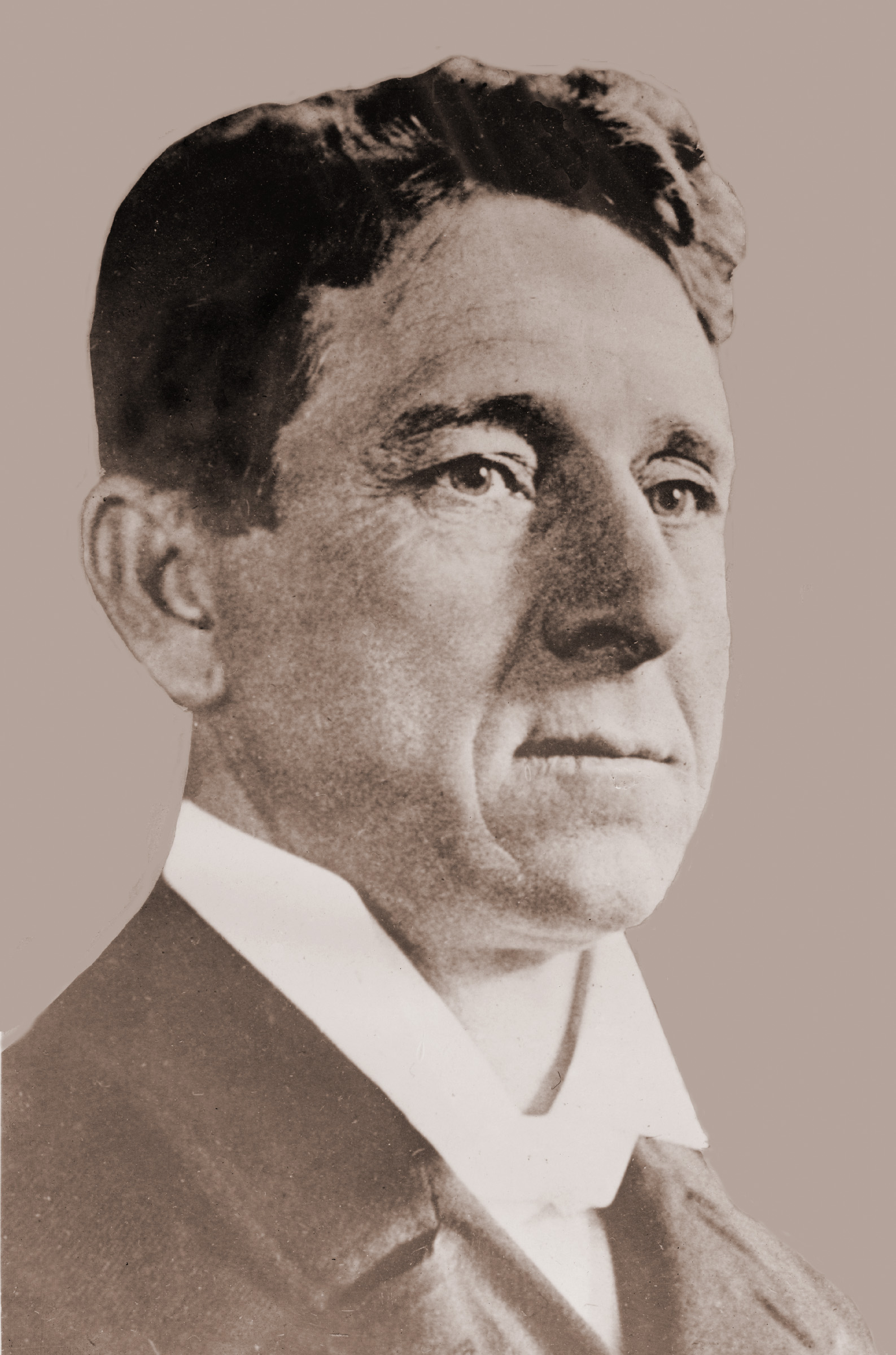

Lane:
Selling:
Bourne:
]]
One-term Republican Jonathan Bourne Jr. had championed direct-election of senators but lost renomination as a Republican. He then ran in the popular election as a "Popular Government" candidate, but also lost re-election. Democratic Mayor of Portland Harry Lane was elected.
The ballot was cluttered. In addition to the Lane and Ben Selling, candidate of the conservative wing of the Republican Party, progressive Republicans had other electoral alternatives, including the candidate and the incumbent senator Jonathan Bourne Jr., who had failed to win the renomination of the Republican party and ran as the "Popular Government" nominee as a result. Meanwhile, Benjamin F. Ramp stood for the Socialists and yet another candidate was the nominee of the Prohibition Party. Each of these six candidates took more than 5% of the vote — a fact which enabled the Lane to win election with a plurality of the vote in solidly Republican Oregon.
The Oregon Legislature thereupon elected Lane to the seat January 21, 1913, ratifying the popular selection made in the November 1912 elections.
Both senators voting for Selling declared that they voted to protest a new system of nomination.
Lane died in office on May 23, 1917.
Rhode Island

Three-term Republican George P. Wetmore retired and was replaced by Republican judge LeBaron Colt January 21, 1913.
Both senators voting for Selling declared that they voted to protest a new system of nomination.
The following day, the Joint Assembly formally declared Colt elected. Colt resigned February 7, 1913, from the U.S. Court of Appeals for the First Circuit, in which he'd served since 1891.
Colt would be re-elected in 1918, and die near the end of that second term on August 18, 1924.
South Carolina
Main article: 1913 United States Senate election in South Carolina
The South Carolina race was mostly a Democratic primary election held the previous summer on August 27, 1912. The Democratic Party of South Carolina organized primary elections for the U.S. Senate beginning in 1896 and the General Assembly would confirm the choice of the Democratic voters.
Incumbent Democrat Benjamin Tillman, serving since 1895, drew opposition in the Democratic primary for the first time during his career. He had long avoided any opposition because of his influence in the Democratic Party in the state, but by 1912 he had moderated his positions and lost the radical edge that had allowed him to build up a hard core following of support. The radicals in the state electorate had thrown their support to Coleman Livingston Blease in the gubernatorial election of 1910 and the Bleasites were determined to knock his chief opponent, Tillman, out of office. W. Jasper Talbert emerged as the candidate of the Bleasites and Nathaniel B. Dial entered the race as an alternative to the two. The voters of the state split their support between the Tillmanite and Bleasite factions as both Tillman and Blease won their respective primaries.
Tillman won the Democratic primary.
| South Carolina Democratic primary | Candidate | Votes | % |
|---|---|---|---|
| Benjamin Tillman | 73,148 | 52.7 | |
| W. Jasper Talbert | 37,141 | 26.8 | |
| Nathaniel B. Dial | 28,476 | 20.5 |
Tillman was then re-elected January 28, 1913, by the General Assembly for another six-year term.
Election by the South Carolina legislature:
- Vote in the South Carolina Senate: Unanimous (37 votes of 37 senators voting)
- Vote in the South Carolina House of Representatives: Unanimous (114 votes of the 114 members voting)
South Dakota
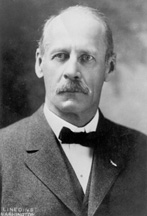
Two-term Republican Robert J. Gamble lost renomination.
Republican Thomas Sterling was then elected January 22, 1913, with 97 votes
Tennessee
One-term Democrat Robert Love Taylor died March 31, 1912, and Republican Newell Sanders was appointed in his place, pending a special election. Sanders was not a candidate either election
The Tennessee legislature elected two senators: one to the next term and one to finish the current term.
Tennessee (regular)

Chief Justice Of The Tennessee Supreme Court John K. Shields was elected January 23, 1913, to the next term beginning March 4, 1913. He had not been a candidate in the special election.
Shields would be re-elected in 1918, but lose renomination in 1924.
Tennessee (special)

Democrat William R. Webb, the founder of the Webb School and former Confederate soldier, was elected January 23, 1913, to finish the term ending March 3, 1913. Webb was not a candidate in the general election.
The election was then made unanimous by motion of the joint convention.
Texas
Sheppard](morris-sheppard)** Johnston](rienzi-m-johnston)
Two-term Democrat Joseph Weldon Bailey resigned January 3, 1913, and Democrat Rienzi M. Johnston was appointed January 4, 1913, to continue the term, pending a special election. In fact, Texas held would hold two elections January 28, 1913: a special election for the term ending March 3, 1913, and a general election for the next term starting March 4, 1913, both were won by Democratic congressman Morris Sheppard.
Texas (special)
There was a Democratic Primary July 27, 1912. Morris Sheppard, C. B. Randell, Mat Zollner, and Jake Wolters were candidates. Sheppard received a plurality of the vote.
Appointee Rienzi M. Johnston ran for but lost election to finish the shortened term.
Following his brief 25-day Senate term, Johnston returned to Houston and resumed his role as editor of the Houston Post. He retired from the newspaper business in 1919.
Texas (regular)
Perhaps due to the overwhelming support for the special election, Sheppard had no opposition in the subsequent general election.
Sheppard would win re-election four times, serving until his death in 1941.
Virginia
Virginia held non-binding primaries September 7, 1911, for both the class 2 seat held by Democrat Thomas S. Martin, who was running for re-election, and the class 1 seat held by Democrat Claude Swanson, who had been appointed to fill a vacancy.
Virginia (special)
Democrat John W. Daniel died June 29, 1910, and Democrat Claude A. Swanson, a former Governor of Virginia and former Congressman, was appointed August 1, 1910, to finish the term ending March 1911 and again appointed February 28, 1911, to begin the 1911–1917 term, pending a special election.
Swanson won the class 1 Democratic primary for the term ending in 1917 with 67,495 votes over (future senator) Carter Glass's 28,757 votes.
On January 24, 1912, the Virginia General Assembly unanimously elected Swanson.
Virginia (regular)
Three-term incumbent Democrat Thomas S. Martin won the Democratic primary for the class 2 term ending in 1919, receiving 57,120 votes to 25,005 for William Atkinson Jones.
On January 24, 1912, the Virginia General Assembly unanimously elected Martin.
West Virginia

Democrat Clarence Watson had been elected in 1911 to finish a vacant term, but he lost re-election February 21, 1913, to Republican federal judge Nathan Goff Jr. after multiple deadlocked ballots.
Goff would remain a judge until April 1, 1913, before taking his Senate seat. He would only serve the one term, retiring in 1919 due to ill-health and having barely cast any roll call votes throughout his Senate career. Goff held onto his seat despite being almost entirely absent from his duties in the Senate.
Wyoming

Four-term Republican Francis E. Warren was re-elected January 28, 1913.
Kendrick would be elected to the other seat in 1916.
Warren would be re-elected two more times, becoming the Dean of the United States Senate, and serve until his death in 1929.
Notes
References
Sources
- , with election stories from Rhode Island, Iowa, Nebraska, Oklahoma, Minnesota, South Dakota, Oregon, Delaware, New Hampshire, Tennessee, Wyoming, Idaho, West Virginia, and Illinois. Some are results and some are deadlocks.
References
- (February 8, 2022). "17th Amendment to the U.S. Constitution: Direct Election of U.S. Senators (1913)".
- "AZ US Senate".
- "CO US Senate - Special Election".
- "1912 Nov 5 • General • United States Senator • State of Colorado".
- (January 24, 1913). "Brady named senator for short term". Spokane Daily Chronicle.
- "CO US Senate".
- "KS US Senate".
- "NE US Senate".
- "OR US Senate".
- "SD US Senate - R Primary".
- "Journals of the Honorable Senate and House of Representatives of the State of New Hampshire, 1913".
- "U.S. Senate: The Election Case of William P. Jackson v. Blair Lee of Maryland (1914)".
- (June 1, 1962). "Henry Fountain Ashurst Dead; Former Senator from Arizona". [[The New York Times]].
- Johnston, Alva. (December 25, 1937). "The Dean of Inconsistency". [[The Saturday Evening Post]].
- "Our Campaigns - AZ US Senate Race - Mar 27, 1912".
- "Our Campaigns - AZ US Senate Race - Dec 12, 1911".
- "IL US Senate".
- Taylor, Julius F.. "The Broad Ax".
- (July 14, 1912). "Lorimer ousted by decisive vote". [[The New York Times]].
- (July 18, 1912). "Lorimer never elected". [[The New York Times]].
- "IL US Senate Special".
- (1913). "Senate Journal. Proceedings of the Senate of the State of Kansas". W. C. Austin, State Printer.
- United States Congress. (1917). "Official Congressional Directory, Volume 64, Issue 2, Part 2; Volume 65". U.S. Government Printing Office.
- Abrams, Richard. (1964). "Conservatism in a Progressive Era: Massachusetts Politics 1900-1912". Harvard University Press.
- (January 14, 1913). "REPUBLICANS READY TO ELECT MR. WEEKS BAY STATE SENATOR". [[The Christian Science Monitor]].
- "Our Campaigns - MA US Senate Race - Jan 14, 1913".
- "MN US Senate".
- (1904). "The Official and Statistical Register of the State of Mississippi, 1912". Press of Brandon Printing Company.
- "MT US Senate".
- "NE US Senate".
- (1935). "Senate journal of the Legislature of the State of Nebraska. 1913.". Senate and House Journals of the Legislature of the State of Nebraska.
- (1915). "Official Congressional Directory". U.S. Government Printing Office.
- (1935). "Senate journal of the Legislature of the State of Nebraska. 1913.". Senate and House Journals of the Legislature of the State of Nebraska.
- (November 8, 1912). "Wilson's Nebraska Lead 31,000.". [[The New York Times]].
- "Our Campaigns - NV US Senate - Special Race - Nov 05, 1912".
- (1913). "The Journal of the Senate of the Special Session of the Legislature of the State of Nevada. 1912". Journal of the Proceedings of the Senate.
- (1913). "The Journal of the Assembly of the Special Session of the Legislature of the State of Nevada. 1912.".
- "NH US Senate".
- (1845). "Journal of the Senate of the State of New Jersey. 1913.".
- (March 28, 1912). "NEW MEXICO SENATORS.". [[The New York Times]].
- Prince, Le Baron Bradford. (1910). "New Mexico's Struggle for Statehood". New Mexican Printing Company.
- Larson, Robert W.. (August 15, 2013). "New Mexico's Quest for Statehood, 1846-1912". UNM Press.
- McCord, Richard. (2009). "Santa Fe Living Treasures: Our Elders, Our Hearts". Sunstone Press.
- (April 7, 1912). "New Mexico Natives Bitter Over Defeat". [[The New York Times]].
- Twitchell, Ralph Emerson. (1911). "The Leading Facts of New Mexican History". Torch Press.
- "NC US Senate - D Primary".
- (January 22, 1913). "NC US Senate".
- "OK US Senate - D Primary".
- "OK US Senate".
- "Journal of the Senate of the Fourth Legislature of the State of Oklahoma".
- "1912 Senatorial General Election Results - Oregon, Atlas of US Presidential Elections".
- Johnston, Robert D.. (2003). "The Radical Middle Class: Populist Democracy and the Question of Capitalism in Progressive Era Portland, Oregon.". [[Princeton University Press]].
- (1913). "Journal of the Senate of the Twenty-seventh Legislative Assembly of the State of Oregon".
- (1913). "Journal of the House the Twenty-seventh Legislative Assembly of the State of Oregon".
- (1914). "Manual - the State of Rhode Island and Providence Plantations".
- "Our Campaigns - SC US Senate - D Primary Race - Aug 27, 1912".
- "Journal of the Senate of the State of South Carolina 1913.".
- "SD US Senate - R Primary".
- (1913). "House journal of the Fifty-Eighth General Assembly of the State of Tennessee. 1913-1913B.". McQuiddy Printing Company.
- (1913). "House journal of the Fifty-Eighth General Assembly of the State of Tennessee. 1913-1913B.". McQuiddy Printing Company.
- (1913). "Journal of the Senate of Texas begin the Regular Session of the Thirty-Third Legislature". Von Boeckmann-Jones Co., Printers.
- Kingston, Mike. (1992). "The Texas Almanac's Political History of Texas". Eakin Press.
- (1913). "Journal of the Senate of Texas begin the Regular Session of the Thirty-Third Legislature". Von Boeckmann-Jones Co., Printers.
- (June 15, 2010). "Johnston, Rienzi Melville".
- (1913). "Journal of the Senate of Texas begin the Regular Session of the Thirty-Third Legislature". Von Boeckmann-Jones Co., Printers.
- (September 9, 1911). "Martin-Swanson Majority Swells". Newport Daily Press.
- Bell, James B.. (1911). "Congressional Directory, 62nd Congress, 2nd Session". US Government Printing Office.
- (January 25, 1912). "Return Martin to Senate: Virginia Assembly Re-Elects him Senator, also Elects Swanson". Belvidere Daily Republican.
- (January 25, 1912). "Returned to United States Senate by Vieginia". New Philadelphia Daily Times.
- (1912). "Journal of the House of Delegates of Virginia".
- (1913). "Journal of the Senate of the state of West Virginia".
- (1913). "Senate Journal of the Twelfth State Legislature of Wyoming 1913". The Laramie Republican Company.
- (1913). "House Journal of the Twelfth State Legislature of Wyoming 1913". The Laramie Republican Company.
This article was imported from Wikipedia and is available under the Creative Commons Attribution-ShareAlike 4.0 License. Content has been adapted to SurfDoc format. Original contributors can be found on the article history page.
Ask Mako anything about 1912–13 United States Senate elections — get instant answers, deeper analysis, and related topics.
Research with MakoFree with your Surf account
Create a free account to save articles, ask Mako questions, and organize your research.
Sign up freeThis content may have been generated or modified by AI. CloudSurf Software LLC is not responsible for the accuracy, completeness, or reliability of AI-generated content. Always verify important information from primary sources.
Report