Virge
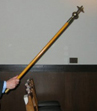
Wooden rod, symbol of office
title: "Virge" type: doc version: 1 created: 2026-02-28 author: "Wikipedia contributors" status: active scope: public tags: ["corporal-punishments", "christian-religious-objects"] description: "Wooden rod, symbol of office" topic_path: "society/religion" source: "https://en.wikipedia.org/wiki/Virge" license: "CC BY-SA 4.0" wikipedia_page_id: 0 wikipedia_revision_id: 0
::summary Wooden rod, symbol of office ::
::figure[src="https://upload.wikimedia.org/wikipedia/commons/5/5d/Virge.jpg" caption="Traditional virge with brass ball and small cross on top"] ::
A virge or verge () is a type of rod, made of wood.
Etymology
Originally it was one or more branches (the French often use verges, the plural of its equivalent, as the normal word for a rod, the rarer singular verge rather indicates a switch) used as an instrument for corporal punishment, or as a riding crop. It later became a symbol of civil office, used in ceremonies of swearing fealty (from which the legal term tenant by the verge is derived). Further deriving from this use is the sense of a measurement, and so boundary or border, of land, or generally a margin of space.
Modern practice
In modern times it is best known as a verger's wand, the ceremonial staff of the Anglican and Episcopal lay church officers known as vergers (or originally virger – the title derives from virge), who originally used it as a "weapon" to make way for the ecclesiastical procession (compare the Catholic Swiss Guard), and occasionally to chastise unruly choristers.
References
References
- {{EB1911
::callout[type=info title="Wikipedia Source"] This article was imported from Wikipedia and is available under the Creative Commons Attribution-ShareAlike 4.0 License. Content has been adapted to SurfDoc format. Original contributors can be found on the article history page. ::