Ribes sardoum
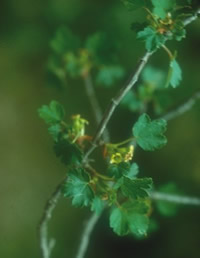
Species of flowering plant
title: "Ribes sardoum" type: doc version: 1 created: 2026-02-28 author: "Wikipedia contributors" status: active scope: public tags: ["ribes", "plants-described-in-1895", "endemic-flora-of-sardinia", "critically-endangered-plants", "taxonomy-articles-created-by-polbot", "habitats-directive-species"] description: "Species of flowering plant" topic_path: "general/ribes" source: "https://en.wikipedia.org/wiki/Ribes_sardoum" license: "CC BY-SA 4.0" wikipedia_page_id: 0 wikipedia_revision_id: 0
::summary Species of flowering plant ::
|image = Ribes sardoum03.jpg |status = CR |status_system = IUCN3.1 |status_ref = |genus = Ribes |species = sardoum |authority = Martelli 1895
Ribes sardoum, commonly called Sardinian currant, is a species of plant in the gooseberry family. It is endemic to Italy, found only on the island of Sardinia.
Distribution
There is only one known population of Ribes sardoum in Sardinia, occurring around 900 m above sea level, in a small south-east facing valley. The species grows on limestone substrates.
Its natural habitats are in Mediterranean shrubby vegetation and rocky areas. It is an IUCN Red List Critically Endangered plant species and IUCN Top 50 Campaign Mediterranean Island Plants, threatened by habitat loss. The total number of individuals is about 100.
References
References
- Fenu, G.. (2019). "''Ribes sardoum''".
- [https://luirig.altervista.org/flora/taxa/index1.php?scientific-name=ribes+sardoum Altervista Flora Italiana, ''Ribes sardoum'' Martelli]
- Ugolino Martelli. 1895. Malpighia 8. (1895) 384, plate 7.
- [http://data.iucn.org/themes/ssc/our_work/plants/Top50/English/Ribes_sardoum_EN.htm IUCN Red List: ''Ribes sardoum''] {{webarchive. link. (2012-07-19)
- "IUCN - Top 50 Mediterranean Island Plants: ''Ribes sardoum''".
::callout[type=info title="Wikipedia Source"] This article was imported from Wikipedia and is available under the Creative Commons Attribution-ShareAlike 4.0 License. Content has been adapted to SurfDoc format. Original contributors can be found on the article history page. ::