Naturopathy
Form of alternative medicine
title: "Naturopathy" type: doc version: 1 created: 2026-02-28 author: "Wikipedia contributors" status: active scope: public tags: ["naturopathy", "vitalism", "pseudoscience", "health-fraud"] description: "Form of alternative medicine" topic_path: "general/naturopathy" source: "https://en.wikipedia.org/wiki/Naturopathy" license: "CC BY-SA 4.0" wikipedia_page_id: 0 wikipedia_revision_id: 0
::summary Form of alternative medicine ::
::data[format=table title="Infobox alternative medicine"]
| Field | Value |
|---|---|
| name | Naturopathy |
| image | Hepar.jpg |
| image_size | 200 |
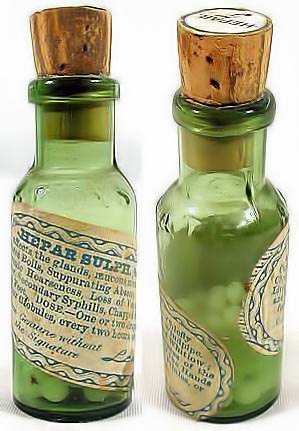
| alt | Old homeopathic remedy, Hepar sulph. |
| caption | A homeopathic preparation of Hepar sulph – homeopathy can be offered as part of naturopathic treatment. |
| claims | Diseases are cured through the body's "natural healing" ability which is primarily aided by practices labelled as "natural" (and not primarily by pharmaceutical drugs, surgery, and other treatments within evidence-based medicine, not seen as "natural"), comprising widely ranging "nature cures" and any form of alternative medicine that may be labelled as "natural" |
| topics | Alternative medicine |
| orig-date | early 20th century |
| origprop | Benedict Lust; Sebastian Kneipp |
| seealso | Humorism, heroic medicine, vitalism |
| MeshID | D009324 |
| :: |
| name = Naturopathy | image = Hepar.jpg | image_size = 200 | alt = Old homeopathic remedy, Hepar sulph. | caption = A homeopathic preparation of Hepar sulph – homeopathy can be offered as part of naturopathic treatment. | claims = Diseases are cured through the body's "natural healing" ability which is primarily aided by practices labelled as "natural" (and not primarily by pharmaceutical drugs, surgery, and other treatments within evidence-based medicine, not seen as "natural"), comprising widely ranging "nature cures" and any form of alternative medicine that may be labelled as "natural" | topics = Alternative medicine | orig-date = early 20th century | origprop = Benedict Lust; Sebastian Kneipp | laterprop = | seealso = Humorism, heroic medicine, vitalism | MeshID = D009324
Naturopathy, or naturopathic medicine, is a form of alternative medicine.Psychotherapy can be evidence based, or pseudoscientific however, see:
- The ideology and methods of naturopathy are based on vitalism and folk medicine rather than evidence-based medicine, although practitioners may use techniques supported by evidence. The ethics of naturopathy have been called into question by medical professionals and its practice has been characterized as quackery.
Naturopathic practitioners commonly encourage alternative treatments that are rejected by conventional medicine, including resistance to surgery or vaccines for some patients. The diagnoses made by naturopaths often have no basis in science and are often not accepted by mainstream medicine.
Naturopaths frequently campaign for legal recognition in the United States. Naturopathy is prohibited in three U.S. states (Florida, South Carolina, and Tennessee) and tightly regulated in many others. Some states, however, allow naturopaths to perform minor surgery or even prescribe drugs. While some schools exist for naturopaths, and some jurisdictions allow such practitioners to call themselves doctors, the lack of accreditation, scientific medical training, and quantifiable positive results means they lack the competency of true medical doctors.
History
The term "naturopathy" originates from natura (Latin root for 'birth') and (the Greek root for 'suffering') to suggest "natural healing". Naturopaths claim the ancient Greek "Father of Medicine", Hippocrates, as the first advocate of naturopathic medicine, before the term existed. Naturopathy has its roots in the 19th-century Natural Cure movement of Europe. After graduating as a licenciate of the Royal College of Physicians of Edinburgh in 1879, Thomas Allinson began promoting his hygienic medicine in London, advocating a natural diet, exercise, and avoidance of tobacco and overwork.
The term naturopathy was coined in 1895 by John Scheel, and bought by Benedict Lust, whom naturopaths consider to be the "Father of U.S. Naturopathy". Lust had been schooled in hydrotherapy and other natural health practices in Germany by Father Sebastian Kneipp; Kneipp sent Lust to the United States to spread his drugless methods. Lust defined naturopathy as a broad discipline rather than a particular method, and included such techniques as hydrotherapy, herbal medicine, and homeopathy, as well as eliminating overeating, tea, coffee, and alcohol. He described the body in spiritual and vitalistic terms with "absolute reliance upon the cosmic forces of man's nature". According to the Merriam-Webster Dictionary, the first known use of "naturopathy" in print is from 1901.
From 1901, Lust founded the American School of Naturopathy in New York. In 1902, the original North American Kneipp Societies were discontinued and renamed "Naturopathic Societies". In September 1919, the Naturopathic Society of America was dissolved, and Benedict Lust founded the American Naturopathic Association to supplant it. Naturopaths became licensed under naturopathic or drugless practitioner laws in 25 states in the first three decades of the twentieth century. Naturopathy was adopted by many chiropractors, and several schools offered both Doctor of Naturopathy (ND) and Doctor of Chiropractic (DC) degrees. Estimates of the number of naturopathic schools active in the United States during this period vary from about one to two dozen.
After a period of rapid growth, naturopathy went into decline for several decades after the 1930s. In 1910, the Carnegie Foundation for the Advancement of Teaching published the Flexner Report, which criticized many aspects of medical education, especially quality and lack of scientific rigour. The advent of penicillin and other "miracle drugs" and the consequent popularity of modern medicine also contributed to naturopathy's decline. In the 1940s and 1950s, a broadening of scope-of-practice laws led many chiropractic schools to drop their ND degrees, though many chiropractors continued to practice naturopathy. From 1940 to 1963, the American Medical Association campaigned against heterodox medical systems. By 1958, practice of naturopathy was licensed in only five states. In 1968, the United States Department of Health, Education, and Welfare issued a report on naturopathy concluding that naturopathy was not grounded in medical science and that naturopathic education was inadequate to prepare graduates to make appropriate diagnosis and provide treatment; the report recommends against expanding Medicare coverage to include naturopathic treatments. In 1977, an Australian committee of inquiry reached similar conclusions; it did not recommend licensure for naturopaths.
Beginning in the 1970s, there was a revival of interest in the United States and Canada, in conjunction with the "holistic health" movement. , fifteen U.S. states, Puerto Rico, the US Virgin Islands and the District of Columbia licensed naturopathic doctors, and the State of Washington requires insurance companies to offer reimbursement for services provided by naturopathic physicians. On the other hand, some states, such as South Carolina and Tennessee, prohibit the practice of naturopathy.
In the United States, the Indian Health Service began accepting naturopathic doctors in their clinics and practice in 2013, also making loan repayment available to NDs.
In 2015, a former naturopathic doctor, Britt Marie Hermes, began writing critically about her experience in naturopathic medical training and practice. Her blog garnered a large following among skeptics while enraging some proponents of alternative medicine.
File:Portrait of Sebastian Kneipp. Wellcome L0005598.jpg|Sebastian Kneipp c. 1898, a Bavarian priest and forefather of naturopathy File:BenedictLust.jpg|Benedict Lust c. 1902, the founder of naturopathy in the U.S. File:QED 20161015 129.jpg|Britt Marie Hermes c. 2016, a former naturopathic doctor and major critic of naturopathic medicine
Practice
::figure[src="https://upload.wikimedia.org/wikipedia/commons/2/22/Rational_hydrotherapy_-a_manual_of_the_physiological_and_therapeutic_effects_of_hydriatic_procedures,and_the_technique_of_their_application_in_the_treatment_of_disease(1902)(14760420036).jpg" caption="A patient undergoing a [[hydrotherapy]] session"] ::
::figure[src="https://upload.wikimedia.org/wikipedia/commons/b/bb/Chromax_II.JPG" caption="A nutritional supplement of [[Chromium(III) picolinate]], Chromax II"] ::
::figure[src="https://upload.wikimedia.org/wikipedia/commons/9/9b/Homeopathic332.JPG" caption="url-status=live }}"] ::
In 2003, a report was presented by Kimball C. Atwood, an American medical doctor and researcher from Newton, Massachusetts, best known as a critic of naturopathic medicine, stating among other criticisms that "The practice of naturopathy is based on a belief in the body's ability to heal itself through a special vital energy or force guiding bodily processes internally".
Diagnosis and treatment concern primarily alternative therapies and "natural" methods that naturopaths claim promote the body's natural ability to heal. Many naturopaths in India now use modern diagnostic techniques in their practice. Naturopaths focus on a holistic approach, avoiding the use of surgery and conventional medicines. Naturopaths aim to prevent illness through stress reduction and changes to diet and lifestyle, often rejecting the methods of evidence-based medicine.
A consultation typically begins with a comprehensive patient interview assessing lifestyle, medical history, emotional tone, and physical features, as well as physical examination. Many naturopaths present themselves as primary care providers, and some naturopathic physicians may prescribe drugs, perform minor surgery, and integrate other conventional medical approaches such as diet and lifestyle counselling with their naturopathic practice. Traditional naturopaths deal exclusively with lifestyle changes, not diagnosing or treating disease. Naturopaths do not generally recommend vaccines and antibiotics, based in part on the early views that shaped the profession, and they may provide alternative remedies even in cases where evidence-based medicine has been shown effective.
Methods
Naturopaths are often opposed to mainstream medicine and take an antivaccinationist stance.
The particular modalities used by a naturopath vary with training and scope of practice. These may include herbalism, homeopathy, acupuncture, nature cures, physical medicine, applied kinesiology, colonic enemas, chelation therapy, color therapy, cranial osteopathy, hair analysis, iridology, live blood analysis, ozone therapy, psychotherapy, public health measures and hygiene, reflexology, rolfing, massage therapy, and traditional Chinese medicine. Nature cures include a range of therapies based on exposure to natural elements such as sunshine, fresh air, or heat or cold, as well as nutrition advice such as following a vegetarian and whole food diet, fasting, or abstention from alcohol and sugar. Physical medicine includes naturopathic, osseous, or soft tissue manipulative therapy, sports medicine, exercise, and hydrotherapy. Psychological counseling includes meditation, relaxation, and other methods of stress management.
A 2004 survey determined the most commonly prescribed naturopathic therapeutics in Washington state and Connecticut were botanical medicines, vitamins, minerals, homeopathy, and allergy treatments. An examination published in 2011 of naturopathic clinic websites in Alberta and British Columbia found that the most commonly advertised therapies were homeopathy, botanical medicine, nutrition, acupuncture, lifestyle counseling, and detoxification.
In 2020, a survey of methods used by naturopaths in fourteen countries reported that 27% of clients received acupuncture, 22% homeopathy, 16% "other energetic medicines", and 13.5% were given hydrotherapy. A mean of 4.0 "treatments" were provided to each customer. One-third (33%) of patients consulted with only the naturopath to manage their primary health concern.
Evidence basis
::figure[src="https://upload.wikimedia.org/wikipedia/commons/4/4b/Soapsuds_Enemas.jpg" caption="doi-access=free }}"] ::
::figure[src="https://upload.wikimedia.org/wikipedia/commons/a/af/Rectal_bulb_syringe.jpg" caption="A rectal bulb syringe for injecting a small enema"] ::
::figure[src="https://upload.wikimedia.org/wikipedia/commons/2/25/Ozone_IV_Therapy_AMA_Skincare.jpg" caption="url-status=live}}" alt="Patient undergoing Ozone IV Therapy"] ::
Naturopathy as a whole lacks an adequate scientific basis, and it is rejected by the medical community. Although it includes valid lifestyle advice from mainstream medicine (healthy sleep, balanced diet, regular exercise), it typically adds a range of pseudoscientific beliefs. Some methods rely on immaterial "vital energy fields", the existence of which has not been proven, and there is concern that naturopathy as a field tends towards isolation from general scientific discourse. Naturopathy is criticized for its reliance on and its association with unproven, disproven, and other controversial alternative medical treatments, and for its vitalistic underpinnings. Natural substances known as nutraceuticals show little promise in treating diseases, especially cancer, as laboratory experiments have shown limited therapeutic effect on biochemical pathways, while clinical trials demonstrate poor bioavailability. According to the American Cancer Society, "scientific evidence does not support claims that naturopathic medicine can cure cancer or any other disease". According to Britt Hermes, naturopath student programs are problematic because "As a naturopath [student], you are making justifications to make the rules and to fudge the standards of how to interpret research all along the way. Because if you don't, you're not left with anything, basically".
In 2015, the Australian Government's Department of Health published the results of a review of alternative therapies that sought to determine if any were suitable for being covered by health insurance; Naturopathy was one of 17 therapies evaluated for which no clear evidence of effectiveness was found.
Kimball C. Atwood IV writes, in the journal Medscape General Medicine, In another article, Atwood writes that "Physicians who consider naturopaths to be their colleagues thus find themselves in opposition to one of the fundamental ethical precepts of modern medicine. If naturopaths are not to be judged "nonscientific practitioners", the term has no useful meaning".
A former licensed naturopathic doctor, Britt Marie Hermes, states that "any product that is sold by a naturopath almost guarantees that there is no reliable scientific data to support whatever health claims are made, and that while some naturopaths claim to only practice evidence based medicine, "the problem is, all naturopaths in an accredited naturopathic program are required to extensively study homeopathy, herbal medicine, energy healing, chiropractic techniques, water therapy" and other pseudoscientific practices. Hermes further notes that, while some naturopaths claim that their method can be effective treatments for psychological disorders, "no naturopathic treatment has been clinically proven to be safe and effective for bipolar disorder or any other condition."
According to Arnold S. Relman, the Textbook of Natural Medicine is inadequate as a teaching tool, as it omits to mention or treat in detail many common ailments, improperly emphasizes treatments "not likely to be effective" over those that are, and promotes unproven herbal remedies at the expense of pharmaceuticals. He concludes that "the risks to many sick patients seeking care from the average naturopathic practitioner would far outweigh any possible benefits".
The Massachusetts Medical Society states, "Naturopathic practices are unchanged by research and remain a large assortment of erroneous and potentially dangerous claims mixed with a sprinkling of non-controversial dietary and lifestyle advice."
Safety of natural treatments
Naturopaths often recommend exposure to naturally occurring substances, such as sunshine, herbs and certain foods, as well as activities they describe as natural, such as exercise, meditation and relaxation. Naturopaths claim that these natural treatments help restore the body's innate ability to heal itself without the adverse effects of conventional medicine. However, "natural" methods and chemicals are not necessarily safer or more effective than "artificial" or "synthetic" ones, and any treatment capable of eliciting an effect may also have deleterious side effects.
Certain naturopathic treatments offered by naturopaths, such as homeopathy, rolfing, and iridology, are widely considered pseudoscience or quackery. Stephen Barrett of QuackWatch and the National Council Against Health Fraud has stated that naturopathy is "simplistic and that its practices are riddled with quackery". "Non-scientific health care practitioners, including naturopaths, use unscientific methods and deception on a public who, lacking in-depth health care knowledge, must rely upon the assurance of providers. Quackery not only harms people, it undermines the ability to conduct scientific research and should be opposed by scientists", says William T. Jarvis. In the 2018 Australian case against Marlyin Bodnar, who advised a mother to treat her infant son's eczema with a raw food diet which nearly led to the child's starvation death, Judge Peter Berman said, "Well intentioned but seriously misguided advice is, as the facts of this case demonstrate, capable of causing great harm and even death to vulnerable children." Furthermore, Britt Hermes criticizes the "pervasive culture of patient blaming" among naturopathic practitioners, where "when something doesn't work for the patient and the patient is not experiencing all of the positive effects and zero side-effects that are promised with the therapy, it's never because the therapy doesn't work, it's because the patient didn't do something right."
Vaccination
::figure[src="https://upload.wikimedia.org/wikipedia/commons/3/3f/Measles_US_1938-2019.png" caption="[[Measles]] cases reported in the United States fell dramatically after the introduction of the measles vaccine." alt="Cases of measles from 1938 to 1963 followed a highly variable epidemic pattern, with 150,000–850,000 cases reported per year. A sharp decline followed after the introduction of the first [[measles vaccine]] in 1963, with fewer than 25,000 cases reported in 1968. Outbreaks around 1971 and 1977 gave 75,000 and 57,000 cases, respectively. Cases were stable at a few thousand per year until an outbreak of 28,000 in 1990. Cases declined from a few hundred per year in the early 1990s to a few dozen in the 2000s."] ::
Many naturopathy practitioners voice their opposition to vaccination. The reasons for this opposition are based, in part, on the early views which shaped the foundation of this occupation. A naturopathy textbook, co-authored by Joseph Pizzorno, recalls anti-vaccine beliefs associated with the founding of naturopathy in the United States: "a return to nature in regulating the diet, breathing, exercising, bathing and the employment of various forces" in lieu of the smallpox vaccine.
In general, evidence about associations between naturopathy and pediatric vaccination is sparse, but "published reports suggest that only a minority of naturopathic physicians actively support full vaccination". In Washington state from 2000 to 2003, children were significantly less likely to receive immunizations if they had seen a naturopath. A survey of naturopathic students published in 2004 found that students at the Canadian College of Naturopathic Medicine became less likely to recommend vaccinations to their patients and became more distrustful of public health and conventional medicine as they advanced in the program.
The British Columbia Naturopathic Association lists several major concerns regarding the pediatric vaccine schedule and vaccines in general, and the group's policy is to not advocate for or against vaccines. The Oregon Association of Naturopathic Physicians reports that many naturopaths "customize" the pediatric vaccine schedule.
As of April 25, 2022, a British Columbia government report found that 69.2% of naturopaths reported having received at least two COVID vaccines or receiving a medical exemption. This was much lower than all the other regulated medical professions in the report. The number for two professionsdieticians and physicians/surgeonswas 98%.
, the American Association of Naturopathic Physicians, which is the largest professional organization for licensed naturopaths in the U.S., is "still discussing its stance on vaccinations".
Practitioners
Naturopath practitioners can generally be categorized into three groups: 1) those with a government issued license; 2) those who practice outside of an official status ("traditional naturopaths"); 3) those who are primarily another kind of health professional who also practices naturopathy.
In Switzerland, these divisions fall between those with a federal diploma, those recognized by health insurances, and those with neither federal diploma nor recognition by health insurances. Naturopaths with federal diploma can be divided into four categories: European traditional medicine, Chinese traditional medicine, ayurvedic medicine and homeopathy. The number of listed naturopaths (including traditional healers) in Switzerland rose from 223 in 1970 to 1835 in 2000.
Licensed naturopaths
Licensed naturopaths may be referred to as "naturopathic doctors" or "naturopathic physicians" in 26 US states or territories and 5 Canadian provinces. Licensed naturopaths present themselves as primary care providers. Licensed naturopaths do not receive comparable training to medical doctors in terms of the quality of education or quantity of hours.
In British Columbia, legislation permits licensed naturopaths to use the title "doctor" or "physician". However, section 102 of the bylaw of the College of Naturopathic Physicians of British Columbia (CNPBC), the terms "naturopathic" or "naturopathic medicine" must be included anytime the term doctor or physician is used by a member of the CNPBC.
Education
::figure[src="https://upload.wikimedia.org/wikipedia/commons/1/17/NCNM3.jpg" caption="[[National University of Natural Medicine]] trains students in naturopathic medicine who are eligible to become licensed in some jurisdictions in North America."] ::
::figure[src="https://upload.wikimedia.org/wikipedia/commons/b/bf/Bastyr_University_Garden.jpg" caption="The herb garden at [[Bastyr University]], another naturopathic program whose graduates can become licensed naturopaths in some North American jurisdictions"] ::
Licensed naturopaths must pass the Naturopathic Physicians Licensing Examinations (NPLEX) administered by the North American Board of Naturopathic Examiners (NABNE) after graduating from a program accredited by the Council on Naturopathic Medical Education (CNME). Training in CNME-accredited programs includes basic medical diagnostics and procedures such as rudimentary physical exams and common blood tests, in addition to pseudoscientific modalities, such as homeopathy, acupuncture, and energy modalities. These accredited programs have been criticized for misrepresenting their medical rigor and teaching subjects that are antithetical to the best understandings of science and medicine. The CNME as an accrediting authority has been characterized as unreliable and suffering from conflicts of interest. The naturopathic licensing exam has been called a mystery by those outside the naturopathic profession and criticized for testing on homeopathic remedies, including for the use to treat pediatric emergencies.
Several schools in North America exist for the study of naturopathic medicine, some accredited by the CNME. The CNME and the Association of Accredited Naturopathic Medical Colleges (AANMC) claim entrance requirements and curricula at accredited colleges are often similar or comparable to those required and offered at conventional medical schools. However, the lack of accreditation by the Liaison Committee on Medical Education may indicate insufficiency of scientific medical training and/or quantifiable positive results, and accordingly it remains disputed whether graduates of medical colleges accredited by the CNME have the competency of Medical Doctors and Doctors of Osteopathy.
Naturopathic doctors are not eligible for medical residencies, which are available exclusively for medical doctors and doctors of osteopathic medicine. There are limited post-graduate "residency" positions available to naturopathic doctors offered through naturopathic schools and naturopathic clinics approved by the CNME. Most naturopathic doctors do not complete such a residency, and naturopathic doctors are not mandated to complete one for licensure, except in the states of Utah and Connecticut. Continuing education in naturopathic modalities for health care professionals varies greatly.
Political activity in the United States
Naturopathic practitioners affiliated with the CNME-accredited schools lobby state, provincial, and federal governments for medical licensure and participation in social health programs. The American Association of Naturopathic Physicians represents licensed naturopaths in the United States; the Canadian Association of Naturopathic Doctors represents licensed naturopaths in Canada. Naturopathic lobbying efforts are funded by vitamin and supplement makers and focus on portraying naturopathic education as comparable to medical education received by physicians and on having high professional standards. Medical societies and advocacy groups dispute these claims by citing evidence of licensed naturopathic practitioners using pseudoscientific methods without a sound evidence basis and lacking adequate clinical training to diagnose and treat disease competently according to the standard of care. Jann Bellamy has characterized the process by which naturopathic practitioners and other practitioners of pseudoscience convince lawmakers to provide them with medical licenses as "legislative alchemy".
Since 2005, the Massachusetts Medical Society has opposed licensure based on concerns that NDs are not required to participate in residency and concerns that the practices of naturopaths included many "erroneous and potentially dangerous claims". The Massachusetts Special Commission on Complementary and Alternative Medical Practitioners rejected their concerns and recommended licensure. The Massachusetts Medical Society states:
In 2015, a former naturopathic doctor, Britt Marie Hermes, who graduated from Bastyr University and practiced as a licensed ND in Washington and Arizona, began advocating against naturopathic medicine. In addition to opposing further licensure, she believes that NDs should not be allowed to use the titles "doctor" or "physician", and be barred from treating children. She states:
Traditional naturopaths
::figure[src="https://upload.wikimedia.org/wikipedia/commons/4/44/Hugh_Mercer_Apothecary_02.jpg" caption="[[Hugh Mercer Apothecary]] in [[Fredericksburg, Virginia]], a pharmacy founded by [[Hugh Mercer]], a Scottish physician, in the mid-18th century. It is now a museum demonstrating 18th Century medical treatments."] ::
Traditional naturopaths are represented in the United States by the American Naturopathic Association (ANA), representing about 1,800 practitioners and the American Naturopathic Medical Association (ANMA).
The level of naturopathic training varies among traditional naturopaths in the United States. Traditional naturopaths may complete non-degree certificate programs or undergraduate degree programs and generally refer to themselves as naturopathic consultants. These programs often offer online unaccredited degrees, but do not offer comprehensive biomedical education or clinical training.
Traditional naturopathic practitioners surveyed in Australia perceive evidence-based medicine to be an ideological assault on their beliefs in vitalistic and holistic principles. They advocate for the integrity of natural medicine practice.
Naturopaths graduating from accredited programs argued in 2002 that their training used evidence-based scientific principles unlike traditional naturopathic programs, but this claim remains inaccurate.
Regulation
Naturopathy is practiced in many countries and is subject to different standards of regulation and levels of acceptance. The scope of practice varies widely between jurisdictions, with some covering naturopathy under medical regulation and allowing practitioners to prescribe drugs and perform minor surgery, while other jurisdictions outlaw naturopathy entirely.
Australia
In 1977, a Commonwealth Government inquiry reviewed all colleges of naturopathy in Australia and found that despite having syllabuses appearing to cover the basic biomedical sciences, actual lectures had little connection to those syllabuses and no significant practical work was available. In addition, there did not appear to be significant or systematic coverage of techniques favoured by naturopaths, such as homeopathy, Bach's floral remedies, or mineral salts.
The position of the Australian Medical Association is that "evidence-based aspects of complementary medicine can be part of patient care by a medical practitioner", but it has concerns that there is "limited efficacy evidence regarding most complementary medicine. Unproven complementary medicines and therapies can pose a risk to patient health either directly through misuse or indirectly if a patient defers seeking medical advice." The AMA's position on regulation is that "there should be appropriate regulation of complementary medicine practitioners and their activities".
In 2015, the Australian government found no clear evidence of effectiveness for naturopathy.
India
In India, naturopathy is overseen by the Department of Ayurveda, Yoga and Naturopathy, Unani, Siddha and Homoeopathy (AYUSH); there is a 5½-year degree in "Bachelor of Naturopathy and Yogic Sciences" (BNYS) degree that was offered by twelve colleges in India . The National Institute of Naturopathy in Pune that operates under AYUSH, which was established on December 22, 1986, and encourages facilities for standardization and propagation of the existing knowledge and its application through research in naturopathy throughout India.
Naturopathic Medical Doctor
North America
In five Canadian provinces, seventeen U.S. states, and the District of Columbia, naturopathic doctors who are trained at an accredited school of naturopathic medicine in North America are entitled to use the designation ND or NMD. Elsewhere, the designations "naturopath", "naturopathic doctor", and "doctor of natural medicine" are generally unprotected or prohibited.
In North America, each jurisdiction that regulates naturopathy defines a local scope of practice for naturopathic doctors that can vary considerably. Some regions permit minor surgery, access to prescription drugs, spinal manipulations, midwifery (natural childbirth), and gynecology; other regions exclude these from the naturopathic scope of practice or prohibit the practice of naturopathy entirely.
Canada
Five Canadian provinces license naturopathic doctors: Ontario, British Columbia, Manitoba, Saskatchewan, and Alberta. British Columbia has the largest scope of practice in Canada, allowing certified NDs to prescribe pharmaceuticals and perform minor surgeries. Ontario also permits prescription from a modified formulary list, following separate examination.
United States
- U.S. jurisdictions that currently regulate or license naturopathy include Alaska, Arizona, California, Connecticut, Colorado, Delaware, District of Columbia, Hawaii, Idaho, Kansas, Maine, Maryland, Massachusetts, Minnesota, Montana, New Hampshire, New Mexico, North Dakota, Oregon, Pennsylvania, Rhode Island, Wisconsin, Puerto Rico, US Virgin Islands, Utah, Vermont, and Washington. Additionally, Virginia licenses the practice of naturopathy under a grandfather clause. (This was previously also the case in Florida, though currently no practitioners remain active under the grandfather provisions).
- U.S. jurisdictions that permit access to prescription drugs: Arizona, California, District of Columbia, Hawaii, Idaho, Kansas, Maine, Montana, New Hampshire, New Mexico, Oregon, Utah, Vermont, and Washington.
- U.S. jurisdictions that permit minor surgery: Arizona, District of Columbia, Kansas, Maine, Montana, Oregon, Utah, Vermont, and Washington.
- Three U.S. states specifically prohibit the practice of naturopathy: Florida, South Carolina and Tennessee.
Switzerland
The Swiss Federal Constitution defines the Swiss Confederation and the Cantons of Switzerland within the scope of their powers to oversee complementary medicine. In particular, the Federal authorities must set up diplomas for the practice of non-scientific medicine. The first of such diplomas has been validated in April 2015 for the practice of naturopathy. There is a long tradition of naturopathy and traditional medicine in Switzerland. The Cantons of Switzerland make their own public health regulations. Although the law in certain cantons is typically monopolistic, the authorities are relatively tolerant with regard to alternative practitioners.
United Kingdom
Naturopathy is not regulated in the United Kingdom. In 2012, publicly funded universities in the United Kingdom dropped their alternative medicine programs, including naturopathy.
References
References
- (2014). "Healthcare and Biomedical Technology in the 21st Century".
- Paul S. Boyer. (2001). "The Oxford companion to United States history". Oxford University Press.
- Tabish, Syed Amin. (2008). "Complementary and Alternative Healthcare: Is it Evidence-based?". International Journal of Health Sciences.
- (August 2017). "Shifting attitudes towards research and evidence-based medicine within the naturopathic medical community". Advances in Integrative Medicine.
- (October 2014). "Integrative oncology: really the best of both worlds?". Nature Reviews. Cancer.
- (2009). "American Cancer Society complete guide to complementary & alternative cancer therapies". American Cancer Society.
- (March 2005). "Characteristics of pediatric and adolescent patients attending a naturopathic college clinic in Canada". Pediatrics.
- (November 2008). "Attitudes towards vaccination among chiropractic and naturopathic students". Vaccine.
- (January 2004). "A survey of attitudes towards paediatric vaccinations amongst Canadian naturopathic students". Vaccine.
- (2014). "Selling Pseudoscience: A Rent in the Fabric of American Medicine". Skeptical Inquirer.
- "Family Physicians versus Naturopaths". American Academy of Family Physicians.
- (January 30, 2001). "NCAHF Fact Sheet on Naturopathy". [[National Council Against Health Fraud]].
- . ["What is Naturopathy?"](http://www.naturopathy-uk.com/home/home-what-is-naturopathy/). *College of Naturopathic Medicine website*.
- (April 1988). "Nineteenth-century American health reformers and the early nature cure movement in Britain". Medical History.
- "History of Naturopathy". .
- . ["How it all began"](http://www.allinsonflour.co.uk/history/). *Silver Spoon, [[British Sugar]], [[Associated British Foods]]*.
- (May 3, 2008). "A system of hygienic medicine (1886) and The advantages of wholemeal bread (1889)". [[BMJ]].
- (September 2001). "The sociopolitical status of U.S. naturopathy at the dawn of the 21st century". Medical Anthropology Quarterly.
- (November 26, 2013). "A close look at naturopathy". [[QuackWatch]].
- (2005). "Gale Encyclopedia of Alternative Medicine". [[Gale (publisher).
- (2002). "Nature Cures : The History of Alternative Medicine in America: The History of Alternative Medicine in America". [[Oxford University Press]].
- "Naturopathy - Definition of Naturopathy by Merriam-Webster".
- (May 12, 2004). "Naturopathy: A Critical Analysis". QuackWatch.
- . (August 30, 1999). ["HEW Report on Naturopathy (1968)"](http://www.quackwatch.org/01QuackeryRelatedTopics/Naturopathy/hew.html). *[[United States Department of Health, Education, and Welfare]]*.
- . (December 25, 2003). ["Naturopathy: Report of the Australian Committee of Inquiry (1977)"](http://www.naturowatch.org/hx/australia.html). *QuackWatch*.
- . (2009). ["Licensed States & Licensing Authorities"](http://www.naturopathic.org/content.asp?contentid=57). **.
- (August 28, 1999). "Washington Administrative Code: Title 284, Chapter 43, Section 205: Every category of health providers". Washington State Legislature.
- (July 3, 1996). "Insuring Alternatives".
- "https://newsmaven.io/indiancountrytoday/archive/introducing-naturopathic-doctors-to-indian-health-service-clinics-Rn_RipOYh0Kgd9KR-5Ou_A/ {{Webarchive. link. (October 5, 2019 ")
- (27 March 2018). "The naturopath whistleblower: 'It is surprisingly easy to sell snake oil'". Guardian.
- (20 October 2016). "'Essentially witchcraft:' A former naturopath takes on the field". [[The Boston Globe#Stat.
- (2012). "Homeopathy is Unscientific and Unethical". Bioethics.
- Atwood, Kimball C.. (2003-12-30). "Naturopathy: a critical appraisal". MedGenMed: Medscape General Medicine.
- (March 7, 2015). "Naturopathy". [[The Skeptic's Dictionary]].
- (September 2014). "Naturopathic medicine in India: Original Article". Focus on Alternative and Complementary Therapies.
- (1999). "Encyclopedia of Complementary Health Practice". [[Springer Publishing]].
- (2007). "Handbook of Accreditation for Naturopathic Medicine Programs". Council on Naturopathic Medical Education.
- (2009). "Naturopathy". Transworld.
- (September 2011). "Supported by science?: what canadian naturopaths advertise to the public". Allergy, Asthma, and Clinical Immunology.
- (March 2004). "Naturopathy, pseudoscience, and medicine: myths and fallacies vs truth". MedGenMed.
- (September 2001). "Profile of a Profession: Naturopathic Practice". Center for the Health Professions, [[University of California, San Francisco]].
- (2007). "Complementary Medicine for Dummies". Wiley.
- (October 2004). "Practice patterns of naturopathic physicians: results from a random survey of licensed practitioners in two US States". BMC Complementary and Alternative Medicine.
- (February 2020). "Overview of international naturopathic practice and patient characteristics: results from a cross-sectional study in 14 countries". BMC Complementary Medicine and Therapies.
- (June 1997). "Colonic Irrigation and the Theory of Autointoxication: A Triumph of Ignorance over Science". Journal of Clinical Gastroenterology.
- (1 April 2015). "Code of Federal Regulations Title 21, Sec. 801.415 Maximum acceptable level of ozone".
- (April 2006). "Evidence-based medicine and naturopathy". Journal of Alternative and Complementary Medicine.
- (1994). "The Vitamin Pushers: How the "Health Food" Industry is Selling America a Bill of Goods". Prometheus Books.
- (1993). "Mystical Diets: Paranormal, Spiritual, and Occult Nutrition Practices". Prometheus Books.
- (January 2015). "Molecular targets of naturopathy in cancer research: bridge to modern medicine". Nutrients.
- (November 29, 2016). "Episode #050, feat. Britt Hermes".
- (25 May 2016). "Trump Vitamins Were Fortified With B.S.". The Daily Beast.
- (April 2020). "Dubious claims in psychotherapy for youth". Skeptical Inquirer.
- (April 10, 2002). "Textbook of Natural Medicine". QuackWatch.
- (November 26, 2012). "Natural". The Skeptic's Dictionary.
- (1995). "NCAHF Position Paper on Over the Counter Herbal Remedies (1995)". National Council Against Health Fraud.
- National Science Board. (January 15, 2002). "Chapter 7 Science and Technology: Public Attitudes and Public Understanding, Section: Belief in Alternative Medicine". Division of Science Resources Statistics, [[National Science Foundation]].
- (December 2007). "A quackery with a difference-new medical pluralism and the problem of 'dangerous practitioners' in the United Kingdom". Social Science & Medicine.
- (March 28, 2008). "Iridology is Nonsense". QuackWatch.
- (2017-10-18). "Homeopathy".
- (August 1992). "Quackery: a national scandal". Clinical Chemistry.
- (5 April 2018). "Naturopath jailed in starving baby case".
- (October 2001). "Rise in popularity of complementary and alternative medicine: reasons and consequences for vaccination". Vaccine.
- (2011). "Textbook of Natural Medicine e-edition: Text with Continually Updated Online Reference, 2-Volume Set". Elsevier.
- (November 2010). "Pediatric vaccination and vaccine-preventable disease acquisition: associations with care by complementary and alternative medicine providers". Maternal and Child Health Journal.
- (February 2013). "Are healthcare workers' intentions to vaccinate related to their knowledge, beliefs and attitudes? A systematic review". BMC Public Health.
- "BCNA Vaccination Position Paper". British Columbia Naturopathic Association.
- (21 December 2007). "Influenza Virus, Vaccination and Naturopathic Practice". Naturopathic Doctor News and Review.
- "Naturopathic Primary Care". Oregon Association of Naturopathic Physicians.
- (10 May 2022). "Naturopaths, chiropractors least vaccinated of all B.C. health professionals, province says".
- (10 May 2022). "Data published on vaccination status of regulated health professions". news.gov.bc.ca.
- (17 May 2016). "Funded by vitamin makers, naturopaths push to expand in US". STAT.
- . (March 2012). ["Naturopathy: An Introduction"](https://www.nccih.nih.gov/health/naturopathy/naturopathyintro.htm?nav=gsa). *[[National Center for Complementary and Integrative Health]], [[National Institutes of Health]], [[United States Department of Health and Human Services]]*.
- Iowa Board of Medicine. (February 7, 2002). "A Policy Statement on Naturopathy". Iowa Department of Public Health, State of Iowa.
- The Platform of the American Naturopathic Association as drawn up by the Golden Jubilee Congress. July 27th – August 2nd, 1947
- Naturopathy Work Group. "Traditional Naturopathy Working Session Summary September 23 and October 1, 2008". Minnesota Department of Health.
- "Naturopathe avec diplôme fédéral". State Secretariat for Education, Research and Innovation.
- "Legal Status of Traditional Medicine and Complementary/Alternative Medicine: A Worldwide Review". World Health Organization.
- "Swiss Federal Statistical Office".
- (2022-02-17). "Naturopathic Doctors are Now Licensed in Wisconsin".
- (October 2008). "Health Professions Act: Naturopathic Physicians Regulation". Queen's Printer.
- "Bylaws of the College of Naturopathic Physicians of British Columbia".
- (February 13, 2020). "Surrey city councillor and naturopath Allison Patton fined and suspended for calling herself a "physician"".
- (February 12, 2020). "Surrey councillor fined, suspended from naturopathy for misusing 'physician' title".
- "Complaint filed against Surrey naturopath-turned-councillor who campaigned as 'physician'".
- . (). ["About Us"](https://www.nabne.org/home/about/). *North American Board of Naturopathic Examiners*.
- "Naturopathy".
- (December 2003). "Naturopathy: a critical appraisal". MedGenMed.
- (13 March 2015). "ND Confession, Part 1: Clinical training inside and out".
- (2 December 1999). "Report Recommends Stripping Naturopathy Council of Its Accrediting Authority". [[The Chronicle of Higher Education]].
- (29 August 2015). "ND Confession, Part II: The Accreditation of Naturopathic "Medical" Education".
- Society for Science-Based Medicine. (2014). "Report to the Maryland Board of Physicians Naturopathic Advisory Committee: Recommendations for Naturopathic Regulation".
- "MMS Testimony in Opposition to H. 1992 and S. 1205, An Act to Create a Board of Registration in Naturopathy".
- (21 February 2011). "Naturopathy and Science". ScienceBasedMedicine.org.
- "Accredited Naturopathic Medical Schools".
- "ND, MD/DO, NP: WHAT'S THE DIFFERENCE?".
- (August 30, 2015). "ND Confession, Part II: The Accreditation of Naturopathic "Medical" Education".
- "Handbook on CNME Postdoctoral Naturopathic Medical Education Sponsor Recognition Process and Standards (2005)". Council on Naturopathic Medical Education.
- (February 17, 2012). "Application for Licensure: Naturopathic Physician". State of Utah.
- (29 April 2016). "Are we being served by the regulation of naturopaths? Not if patients are still being misled". [[The Globe and Mail]].
- (3 June 2015). "ND vs MD -- Battle Lines Drawn in California".
- (21 February 2011). "Licensing Naturopaths Incites Debate in Colorado". The New York Times.
- (24 May 2016). "New law could let Connecticut naturopathic physicians write prescriptions". Connecticut Post.
- (15 May 2014). "Legislative Alchemy 2014 (so far)".
- , . (May 11, 2005). ["Massachusetts Medical Society Testifies in Opposition to Licensing Naturopaths"](http://www.massmed.org/AM/PrinterTemplate.cfm?Section=Home&CONTENTID=12458&TEMPLATE=/CM/ContentDisplay.cfm). *[[Massachusetts Medical Society]]*.
- The Special Commission on Complementary and Alternative Medical Practitioners. (January 2002). "Majority Report of the Special Commission on Complementary and Alternative Medical Practitioners: A Report to the Legislature". Massachusetts: The Special Commission on Complementary and Alternative Medical Practitioners.
- (April 2020). "Beware the Naturopathic Cancer Quack". Skeptical Inquirer.
- (2016-05-31). "Why Is Big Naturopathy Afraid Of This Lone Whistleblower?". Forbes.
- (2 September 2015). "Why one naturopath quit after watching her peers treat cancer patients". Vox.
- Jim Brown. (10 April 2016). "Former naturopathic doctor calls for an end to naturopathic pediatrics". [[Canadian Broadcasting Corporation.
- (4 April 2016). "Should naturopaths be restricted from treating children after tragic death of Alberta toddler?". [[National Post]].
- (21 June 2016). "How A Former Naturopath Can Help Unravel The Trickery Of Alternative Medicine".
- (2006). "Encyclopedia of Associations". Thomson Gale.
- (January 2002). "Naturopathy". The Medical Clinics of North America.
- (28 August 2012). "AMA Position Statement: Complementary Medicine - 2012". Australian Medical Association.
- Paola S. (17 October 2017). "Homeopathy, naturopathy struck off private insurance list". Australian Journal of Pharmacy.
- link. (2015-03-06 . Page accessed March 21, 2015)
- link. (2015-02-20 . Page accessed March 21, 2015)
- "About: National Institute of Naturopathy".
- (2009). "AMA Scope of Practice Data Series: Naturopaths". [[American Medical Association]].
- (January 4, 2008). "2008 Sunrise Review: Naturopathic Physicians". State of Colorado.
- . (). ["Questions: Education and Regulation"](http://www.cand.ca/index.php?40). **.
- "History of Naturopathic Medicine".
- . (April 10, 2009). ["B.C. gives naturopaths right to prescribe drugs"](https://www.cbc.ca/news/canada/british-columbia/b-c-gives-naturopaths-right-to-prescribe-drugs-1.843524). *[[CBC News]]*.
- "Naturopathic Regulatory Authority General Information Links".
- (December 30, 1997). "Ley para Reglamentar el Ejercicio de la Medicina Naturopática en Puerto Rico [Law to Regulate the Practice of Naturopathic Medicine in Puerto Rico]".
- (September 18, 1986). "AN ENDANGERED SPECIES NATUROPATHIC DOCTOR IS CLOSE TO EXTINCTION".
- "Review of State Laws Regulating Naturopathy".
- "Title XXXII REGULATION OF PROFESSIONS AND OCCUPATIONS Chapter 462 NATUROPATHY". Florida Legislature.
- "Title 40, Chapter 31, Sections 10 & 20". South Carolina Legislative Council.
- State of Tennessee. (2013). "Title 63 Professions of the Healing Arts, Chapter 6 Medicine and Surgery, Part 2 General Provisions". Justia.
- "Federal Constitution of the Swiss Confederation".
- "Swiss take an holistic approach". The Irish Times.
- (January 18, 2012). "UK universities drop alternative medicine degree programs". [[Deutsche Welle]].
::callout[type=info title="Wikipedia Source"] This article was imported from Wikipedia and is available under the Creative Commons Attribution-ShareAlike 4.0 License. Content has been adapted to SurfDoc format. Original contributors can be found on the article history page. ::