Matsyasana
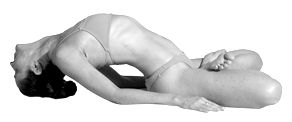
Reclining back-bending posture in hatha yoga
title: "Matsyasana" type: doc version: 1 created: 2026-02-28 author: "Wikipedia contributors" status: active scope: public tags: ["reclining-asanas", "medieval-hatha-yoga-asanas", "backbend-asanas"] description: "Reclining back-bending posture in hatha yoga" topic_path: "general/reclining-asanas" source: "https://en.wikipedia.org/wiki/Matsyasana" license: "CC BY-SA 4.0" wikipedia_page_id: 0 wikipedia_revision_id: 0
::summary Reclining back-bending posture in hatha yoga ::
::figure[src="https://upload.wikimedia.org/wikipedia/commons/3/36/Padma_matsyasana.jpg" caption="Matsyasana"] ::
Matsyasana (; ) or Fish pose is a reclining back-bending asana in hatha yoga and modern yoga as exercise.
Etymology and origins
The name comes from the Sanskrit words matsya (मत्स्य) meaning "fish" and asana (आसन) meaning "posture" or "seat".
The asana is medieval, described in the 17th century Gheraṇḍa Saṃhitā 2.21.
Description
The asana is a backbend, where the practitioner lies on their back and lifts the heart (anahata) chakra by rising up on the elbows and drawing the shoulders back. The neck is lengthened, and the crown of the head Sahasrara chakra is "pointed" toward the 'wall' behind the practitioner. As the arch of the back deepens with practice, and the heart and throat open further, the top of the head may brush the ground, but no weight should rest upon it.
Within the Ashtanga (vinyasa) yoga Primary Series, it is considered a counterasana to Sarvangasana, shoulder stand.
Variations
::figure[src="https://upload.wikimedia.org/wikipedia/commons/e/ea/Matsyasana_Yoga-Asana_Nina-Mel.jpg" caption="variant with straight legs"] ::
- The legs can be kept straight on the ground, or with knees bent and feet on the floor, for practitioners unable to do Padmasana with the legs.
- The legs again straight can be lifted off the ground, for a "challenging variation".
- The hands may be placed before the heart in Añjali Mudrā, making the pose more difficult.
The pose can be supported with a bolster under the back, and with a cushion under the knees.
References
References
- "Yoga Journal - Fish Pose".
- Joshi, K. S.. (2005). "Yoga In Daily Life". Orient Paperbacks.
- Sinha, S. C.. (1 June 1996). "Dictionary of Roop Basant Philosophy". Anmol Publications.
- Maehle, Gregor. (2007). "Ashtanga Yoga: Practice and Philosophy". New World Library.
- Mehta, Silva. (1990). "Yoga: The Iyengar Way". Dorling Kindersley.
::callout[type=info title="Wikipedia Source"] This article was imported from Wikipedia and is available under the Creative Commons Attribution-ShareAlike 4.0 License. Content has been adapted to SurfDoc format. Original contributors can be found on the article history page. ::