Charles Rosenthal
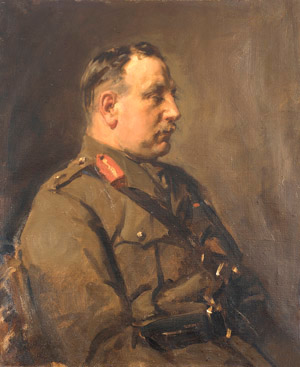
Australian politician
title: "Charles Rosenthal" type: doc version: 1 created: 2026-02-28 author: "Wikipedia contributors" status: active scope: public tags: ["military-personnel-from-new-south-wales", "administrators-of-norfolk-island", "australian-people-of-swedish-descent", "australian-people-of-danish-descent", "1875-births", "1954-deaths", "architects-from-new-south-wales", "australian-generals", "australian-military-personnel-of-world-war-i", "australian-companions-of-the-distinguished-service-order", "australian-companions-of-the-order-of-st-michael-and-st-george", "australian-knights-commander-of-the-order-of-the-bath", "officers-of-the-legion-of-honour", "members-of-the-new-south-wales-legislative-assembly", "members-of-the-new-south-wales-legislative-council", "nationalist-party-of-australia-members-of-the-parliament-of-new-south-wales", "australian-recipients-of-the-croix-de-guerre-(belgium)", "australian-recipients-of-the-croix-de-guerre-1914–1918-(france)", "burials-at-northern-suburbs-memorial-gardens", "australian-monarchists"] description: "Australian politician" topic_path: "history" source: "https://en.wikipedia.org/wiki/Charles_Rosenthal" license: "CC BY-SA 4.0" wikipedia_page_id: 0 wikipedia_revision_id: 0
::summary Australian politician ::
::data[format=table title="Infobox officeholder"]
| Field | Value |
|---|---|
| honorific_prefix | Major General |
| name | Sir Charles Rosenthal |
| honorific_suffix | |
| image | Rosenthal1919byJohnLongstaff.jpg |
| caption | 1919 portrait by John Longstaff |
| office | Administrator of Norfolk Island |
| term_start | 4 December 1937 |
| term_end | 31 December 1945 |
| predecessor | Charles Pinney |
| successor | Alexander Wilson |
| office2 | Member of the New South Wales Legislative Council |
| term_start2 | 3 June 1936 |
| term_end2 | 28 October 1937 |
| constituency_AM3 | Bathurst |
| assembly3 | New South Wales Legislative |
| term_start3 | 25 March 1922 |
| term_end3 | 29 May 1925 |
| alongside3 | James Dooley |
| John Fitzpatrick | |
| predecessor3 | Valentine Johnston |
| successor3 | Gus Kelly |
| birth_date | |
| birth_place | Berrima, New South Wales |
| death_date | |
| death_place | Green Point, New South Wales |
| nationality | Australian |
| party | Nationalist Party |
| spouse | {{plainlist |
| * {{marriage | Harriet Ellen Burston |
| occupation | Architect, soldier, musician and politician |
| nickname | "Rosie" |
| allegiance | Australia |
| branch | Australian Army |
| serviceyears | 1892–1895 |
| 1903–1937 | |
| rank | Major General |
| commands | AIF Depots in the United Kingdom (1919) |
| 2nd Division (1918–19, 1921–26, 1932–37) | |
| 9th Infantry Brigade (1917–18) | |
| 4th Divisional Artillery (1916–17) | |
| 3rd Field Artillery Brigade (1914–15) | |
| 5th Field Artillery Brigade (1914) | |
| mawards | Knight Commander of the Order of the Bath |
| Companion of the Order of St Michael and St George | |
| Distinguished Service Order | |
| Colonial Auxiliary Forces Officers' Decoration | |
| Mentioned in Despatches (7) | |
| Officer of the Legion of Honour (France) | |
| Croix de Guerre (France) | |
| Croix de Guerre (Belgium) | |
| :: |
| honorific_prefix = Major General | name = Sir Charles Rosenthal | honorific_suffix = | image = Rosenthal1919byJohnLongstaff.jpg | image_size = | alt = | caption = 1919 portrait by John Longstaff | office = Administrator of Norfolk Island | term_start = 4 December 1937 | term_end = 31 December 1945 | predecessor = Charles Pinney | successor = Alexander Wilson | office2 = Member of the New South Wales Legislative Council | term_start2 = 3 June 1936 | term_end2 = 28 October 1937 | constituency_AM3 = Bathurst | assembly3 = New South Wales Legislative | term_start3 = 25 March 1922 | term_end3 = 29 May 1925 | alongside3 = James Dooley John Fitzpatrick | predecessor3 = Valentine Johnston | successor3 = Gus Kelly | birth_date = | birth_place = Berrima, New South Wales | death_date = | death_place = Green Point, New South Wales | nationality = Australian | party = Nationalist Party | spouse = {{plainlist|
| relations = | occupation = Architect, soldier, musician and politician | nickname = "Rosie" | allegiance = Australia | branch = Australian Army | serviceyears = 1892–1895 1903–1937 | rank = Major General | unit = | commands = AIF Depots in the United Kingdom (1919) 2nd Division (1918–19, 1921–26, 1932–37) 9th Infantry Brigade (1917–18) 4th Divisional Artillery (1916–17) 3rd Field Artillery Brigade (1914–15) 5th Field Artillery Brigade (1914) | battles =
- First World War
- Gallipoli Campaign
- Western Front
- Battle of the Somme
- Battle of Pozières
- Battle of Mouquet Farm
- Battle of Passchendaele
- Battle of Hamel
- Battle of Mont St. Quentin | mawards = Knight Commander of the Order of the Bath Companion of the Order of St Michael and St George Distinguished Service Order Colonial Auxiliary Forces Officers' Decoration Mentioned in Despatches (7) Officer of the Legion of Honour (France) Croix de Guerre (France) Croix de Guerre (Belgium) Major General Sir Charles Rosenthal (12 February 1875 – 11 May 1954) was an Australian architect, soldier, musician and politician. He commanded units of infantry in the Australian Imperial Force during the First World War, and in the 1920s was elected as a member of the New South Wales Legislative Assembly.
Early life and career
Rosenthal was born in Berrima, New South Wales to a Danish-born school master and Swedish-born mother. He trained as an architect and was elected associate of the Royal Victorian Institute of Architects in 1895. He became a draughtsman in the architectural division of the Department of Railways and Public Works in Perth. After becoming bankrupt and ill he returned to the eastern states in 1899. In 1906 he was made architect for the Anglican Diocese of Grafton and Armidale. He designed St Andrew's, Lismore, New South Wales, St Laurence's, Barraba, and Holy Trinity, Dulwich Hill, Sydney.
First World War
::figure[src="https://upload.wikimedia.org/wikipedia/commons/5/5c/Portrait_of_Major_General_Sir_Charles_Rosenthal.jpg" caption="Portrait of Major General Sir Charles Rosenthal KCB CMG DSO VD."] ::
In 1892 Rosenthal joined the Geelong Battery of the Victorian Militia Garrison Artillery as a gunner, but left the service three years later on moving to Melbourne. In 1903 he was commissioned second lieutenant in the Militia Garrison Artillery. He transferred to the Australian Field Artillery in 1908 where he was promoted as major. In 1914 he became commanding officer of the 5th Field Artillery Brigade. Thus before the war he was established as a soldier as well as a professional architect.
::figure[src="https://upload.wikimedia.org/wikipedia/commons/5/5e/The_Official_Visits_To_the_Western_Front,_1914-1918_Q9728.jpg" caption="British King [[George V]] with Major General Charles Rosenthal, inspecting elements of the 2nd Australian Division, 1 December 1918."] ::
Rosenthal joined the Australian Imperial Force (AIF) in August 1914 and sailed with the first convoy as lieutenant-colonel commanding the Australian 3rd Field Artillery Brigade. Rosenthal was at the Gallipoli landing on 25 April 1915. He was twice wounded at Gallipoli, the second wound causing him to be evacuated to England in August 1915. He returned to Egypt when the (AIF) was expanding and given command of the artillery of the new 4th Division and was promoted brigadier general in February 1916. He was engaged in the heavy fighting on the Somme, at Pozières and Mouquet Farm and at Ypres in Belgium. He was wounded a third time in December 1916.
On 20 May 1918 Rosenthal was appointed to command the 2nd Division and promoted major general. He took part in the attack at Hamel. He was wounded for a fourth time in 1918 by a sniper when on daylight reconnaissance. He returned to duty in August and was involved in the Battle of Mont St. Quentin.
Rosenthal went to England in March 1919 to command all the depots of the AIF during the repatriation of the troops. He returned to Australia in January 1920.
Post-war career
After the war Rosenthal contemplated not returning to the profession of architecture but did so while leading an active public life. From 1921–26 and also 1932–37 he was commander of the 2nd Division. He served as an alderman of Sydney Municipal Council in 1921–24 and was chairman of its works committee. He was also a Nationalist Party of Australia member for Bathurst in the New South Wales Legislative Assembly in 1922–25 and a member of the New South Wales Legislative Council in 1936–37. He was twice president of the Institute of Architects of New South Wales in 1926–30 and was also president of the federal council of the Australian Institutes of Architects in 1925–28. He also served as president of the Australian Museum, Sydney.
In 1930, during the Great Depression in Australia, he was again declared bankrupt.
In 1937 Rosenthal accepted the post of administrator of Norfolk Island, which he governed throughout the Second World War until 1945. Among other activities he raised a volunteer infantry unit.
In popular culture
Rosenthal may have been a part-model for the authoritarian veterans' leader Benjamin Cooley in D. H. Lawrence's novel, Kangaroo (London, 1923). Rosenthal had been founding secretary in 1921 and later president of The King and Empire Alliance, with which Robert Darroch asserts D.H. Lawrence had been in contact, probably through W. J. R. Scott. It has also been alleged that Rosenthal was involved with the Old Guard, a secret anti-communist militia, set up by the Bruce government.
Footnotes
References
- {{London Gazette. (28 January 1919)
- Hill, A.J.. (1988). "Rosenthal, Sir Charles (1875–1954)".
- (2002). "Major General Sir Charles Rosenthal". Australian Defence Force Academy.
- "First World War Service Record – Charles Rosenthal". [[National Archives of Australia]].
- Duffy, Michael. (2002). "Sir Charles Rosenthal". firstworldwar.com.
- "Major-General Sir Charles Rosenthal, KCB, CMG, DSO, VD (1875-1954)".
- See, for example, the research notes of Sandra Darroch & Robert Darroch. (2000–2001). "''The Darroch Thesis'', 'DHL in Australia research, 1972–2002, Part 1: September 1972 – March 1990'". DH Lawrence Society of Australia.
- Moore, Andrew. (2001). "What if Jack Lang had not been dismissed?". NSW Department of Education and Training.
::callout[type=info title="Wikipedia Source"] This article was imported from Wikipedia and is available under the Creative Commons Attribution-ShareAlike 4.0 License. Content has been adapted to SurfDoc format. Original contributors can be found on the article history page. ::