Çavuş
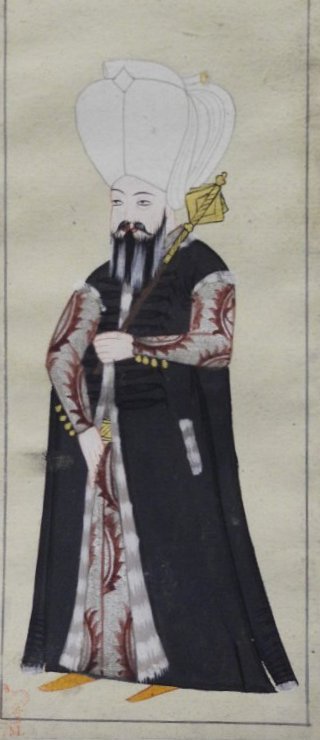
Turkish title
title: "Çavuş" type: doc version: 1 created: 2026-02-28 author: "Wikipedia contributors" status: active scope: public tags: ["turkish-titles", "turkish-words-and-phrases", "ottoman-titles", "military-ranks-of-the-ottoman-empire", "military-ranks-of-turkey"] description: "Turkish title" topic_path: "geography/turkey" source: "https://en.wikipedia.org/wiki/Çavuş" license: "CC BY-SA 4.0" wikipedia_page_id: 0 wikipedia_revision_id: 0
::summary Turkish title ::
::data[format=table title="nfobox military rank"]
| Field | Value |
|---|---|
| name | Çavuş |
| image | Army-TUR-OR-05.svg |
| image_size | 80px |
| caption | Çavuş insignia |
| image2 | TR-Army-OR5a.svg |
| image_size2 | 80px |
| caption2 | Uzman [specialist] çavuş insignia |
| country | Turkey |
| service branch | |
| NATO rank | OR-4 |
| higher rank | Astsubay astçavuş |
| lower rank | Onbaşı |
| :: |
| background color = | width = 160 | image1 = Mundy-Cavus, messenger or usher.jpg | caption1 = Çavuş | alt1 = | image2 = Mundy-Cavus basi.jpg | caption2 = Çavuşbaşı | alt2 = | footer_background = | footer_align = center | footer = Illustrations from Peter Mundy's A briefe relation of the Turckes, their kings, Emperors, or Grandsigneurs, their conquests, religion, customes, habbits, etc (1618)}} Çavuş, also anglicized Chaush and Chiaus (from / چاوش; ; from Old Turkic Çabuş or Çawuş, "person who gives order or yells") was an Ottoman title used for two separate soldier professions, both acting as messengers although differing in levels. It was a rank below agha and kethüda (from Persian, kad-khuda, "magistrate"), in units such as the Janissaries and Sipahi, and was also a term for members of the specialized unit of çavuşān (چاوشان, also çavuşiyye, çavuş(an)-i divan(i)) consisting of combined cavalry and infantry serving the Imperial Council (as in Ottoman Egypt). The leaders of the council's çavuş were titled çavuşbaşı / چاوش باشی (or başçavuş / باش چاوش). The çavuşbaşı was an assistant (or deputy) to the Grand Vizier, dealing with security matters, accompanying ambassadors visiting the Grand Vizier, and also carried out the first examination of petitions submitted to the council, and led council meetings when the Grand Vizier was not present. The title has its origin in Uyghur use, where it was the title of ambassadors, and then entered Seljuq use for Byzantine imperial messengers, and Persian and Arabic use for various court attendants.
The word gave rise to surnames, such as Çavuş (Turkish), Çavuşoğlu (Turkish), Čaušević (Serbo-Croatian), Čaušić (Serbo-Croatian), Baščaušević (Serbo-Croatian), Çaushaj (Albanian), Ceaușu (Romanian), Ceaușescu (Romanian), Τσαούσης (Tsaousis in Greek), and others. It is also the stem of place names, such as Çavuş (in Turkey), Çavuşlu (in Turkey), Çavuşlar (in Turkey), Çavuşköy (in Turkey), Çavuşbayırı (in Turkey), Čauševac (in Bosnia), Čauševići (one village in Bosnia and one village in Serbia), Čaušev Do (in Bosnia), Čauševina (in Bosnia), Čaušlije (in Bosnia), Čaušlija (in Macedonia), Chavusy (in Belarus), Çaushi (in Albania), and others. In the past in former Yugoslavia, the word čauš was also sometimes applied to the wedding-planner. NOTOC
List of ''çavuşbaşı''
- Daut Bey (fl. 1484), served Sultan Bayezid II (r. 1481–1512)
- Kuyumcu Süleyman Agha, served Grand Vizier Ipşir Pasha (1653–54)
- Mehmed Raşid, served Sultan Mahmud II (r. 1808–1839)
- Mustafa Agha
- Ahmed Agha
- Selim Pasha
- Zulfiqar Agha
- Mohammed Haji-Ajvazade
- Abdul Kerim Izet
Modern Turkish military usage
| name = Çavuş | native_name = | image = Army-TUR-OR-05.svg | image_size = 80px | alt = | caption = Çavuş insignia | image2 = TR-Army-OR5a.svg | image_size2 = 80px | alt2 = | caption2 = Uzman [specialist] çavuş insignia | image3 = | image_size3 = | alt3 = | caption3 = | country = Turkey | service branch = | abbreviation = | rank group = | rank = | NATO rank = OR-4 | Non-NATO rank = | pay grade = | formation = | abolished = | higher rank = Astsubay astçavuş | lower rank = Onbaşı | equivalents = | history = In the modern Turkish Armed Forces, the rank of Çavuş is roughly equivalent of "corporal" and ranks above the rank of Onbaşı ("private first class").
Çavuş also serves as the root word for the rest of the non-commissioned officer rank names.
References
Sources
References
- "Chiaus". Merriam-Webster.
- "تعريف و شرح و معنى شاويش بالعربي في معاجم اللغة العربية معجم المعاني الجامع، المعجم الوسيط ،اللغة العربية المعاصر ،الرائد ،لسان العرب ،القاموس المحيط - معجم عربي عربي صفحة 1".
- "*Etimoloji: Kökenbilim, kelimelerin aslını ve evrimini inceleyen disiplin ~ EYun étymon "asıl" + logeía "bilim".".
- {{harvnb. Başaran. 2014. Holt. 2013. Stein. 2007
- {{harvnb. Başaran. 2014. Stein. 2007
- İbrahim Aksu. (2006). "The Story of Turkish Surnames: An Onomastic Study of Turkish Family Names, Their Origins, and Related Matters". Olay Gazete Press.
- {{harvnb. Rječnik. 1882. Ujević. 1942
- {{harvnb. Rječnik. 1882. Ujević. 1942
- {{harvnb. Rječnik. 1882. Ujević. 1942
- [[Jan Karłowicz]]. Imiona własne polskich miejsc i ludzi od zatrudnień. Warszawa, 1887. p. 5.
- (1934). "Zbornik za istoriju, jezik i književnost srpskog naroda: Spomenici na srpskom jeziku. 1. odeljenje".
- Evliya Çelebi. (1991). "The Intimate Life of an Ottoman Statesman, Melek Ahmed Pasha (1588-1662): As Portrayed in Evliya Celebi's Book of Travels (Seyahat-name)". SUNY Press.
- (1993). "The Modern Middle East: A Reader". University of California Press.
::callout[type=info title="Wikipedia Source"] This article was imported from Wikipedia and is available under the Creative Commons Attribution-ShareAlike 4.0 License. Content has been adapted to SurfDoc format. Original contributors can be found on the article history page. ::